
CORE AESTHETICS · OAKLEIGH VIC
Skin quality consultation in Oakleigh
Dryness, rough texture, visible pores and uneven colour need different approaches. Some concerns improve with a gentler skincare routine; persistent rashes, acne or changing spots may need medical care. A skin quality consultation helps you understand which next step fits what you have noticed.
QUESTIONS ABOUT SKIN QUALITY
Why is my skin still dry when I use moisturiser?
Your routine may still be drying or irritating your skin. Hot water, harsh cleansers and frequent exfoliation can remove the oils that help it hold moisture. A light lotion may also be insufficient for very dry skin.
For skin that is not sore or irritated, try short, lukewarm washes and a gentle cleanser, then apply a fragrance-free moisturiser while the skin is slightly damp. Stop if a product stings. If dryness persists, cracks or becomes itchy or sore, have it checked rather than repeatedly buying richer products.
Why does my skin look dull or feel rough?
Dry flakes, clogged pores, acne and sun damage can each affect skin texture. Look at what you actually notice: flaky patches, small bumps, flat marks or an indented scar are different concerns.
Scrubbing harder is not always the answer. Exfoliating already irritated skin can make it redder and more uncomfortable. Gentle cleansing and moisturising may help surface dryness, but they will not remove an indented scar.
Why does my moisturiser sting?
Stinging can mean the skin is irritated or reacting to an ingredient. It does not prove that a product is working. A reaction can happen even with a product you have used before.
Stop a cosmetic product that burns or causes a rash, and avoid adding new exfoliating products to sore skin. If the product was prescribed, ask your prescriber or pharmacist for advice. Persistent burning, itching or a rash needs medical assessment.
Can I make my pores less noticeable?
Often, yes, especially when excess oil or blocked pores make them look larger. Gentle cleansing and products labelled non-comedogenic, meaning they are less likely to clog pores, can help. Scrubbing, squeezing or picking can irritate the skin and make pores more noticeable.
Pores are normal skin openings. Skincare cannot permanently close or remove them, and no routine can promise pore-free skin.
Can uneven skin tone improve?
It can, but the cause matters. Brown marks left after acne or irritation are different from ongoing redness or an indented scar. Preventing further irritation and protecting your skin from the sun can help stop some marks becoming darker; fading may take months. Cancer Council sun-safety guidance.
A new, changing or bleeding spot should be checked by a GP before it is treated as a cosmetic mark. Persistent redness may also need a medical diagnosis.
Could changing my skincare be enough?
Yes, when dryness or irritation from your routine is the main problem. The useful change may be fewer products or gentler cleansing, rather than adding a procedure. Corey can review what you use and help identify what needs closer attention.
Skincare has limits: moisturiser cannot lift loose skin or restore lost cheek fullness. Persistent acne, rashes and unexplained colour changes may need a GP or dermatologist. A cosmetic procedure is not a substitute for treating skin disease.
What happens at a skin quality consultation?
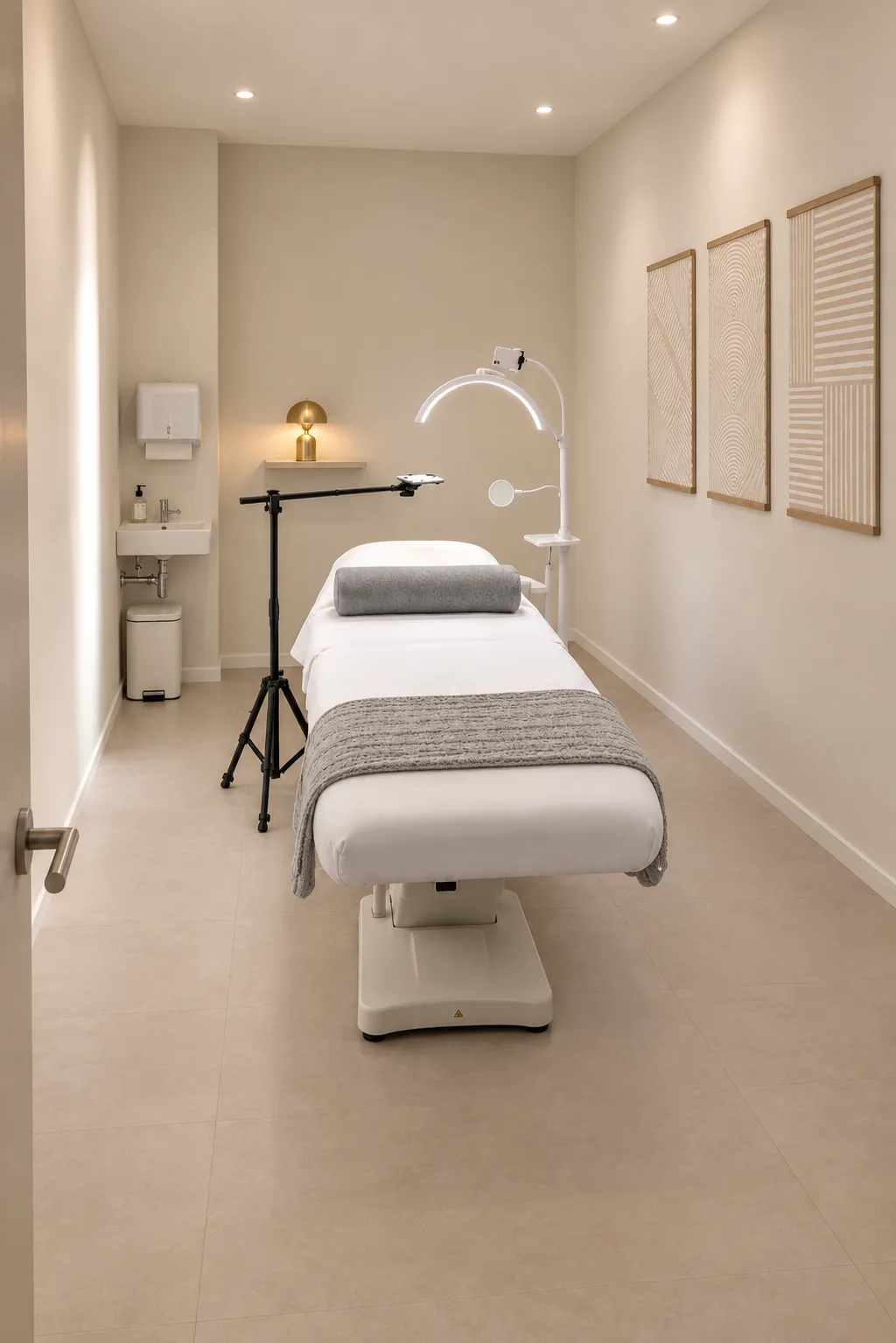
Allow around 30 minutes with Corey Anderson RN. You explain what has changed and when it started. Corey looks at the skin, reviews your products and relevant health history, and checks whether your concern is mainly dryness, irritation, colour, texture or a deeper change.
You can discuss which routine changes may help, whether cosmetic care is appropriate, and what needs medical assessment. If treatment is considered, risks, recovery and itemised costs are explained before you decide. Your initial consultation is provided at no charge.
What should I bring to the appointment?
Bring photographs of your product labels, or the products themselves, and note how often you use them. Include cleansers, moisturisers, exfoliants, prescription creams and any occasional home peels.
Also mention medicines, allergies, previous procedures and when the problem began. Photos taken during a flare can help if your skin looks different on the day. You do not need to buy a new routine or hide the problem before attending.
When should I see a GP instead?
See a GP for a new, changing or bleeding spot, a sore that does not heal, or a persistent or worsening rash. A skin quality consultation is not a skin cancer check.
What happens if I want treatment that day?
In most cases, treatment can be arranged at the end of your consultation, provided it is suitable for you, the required clinical arrangements are in place, you have given informed consent and costs are agreed.
Irritation, infection or an unclear skin problem may mean another day or medical assessment comes first. Corey will explain why and what needs to happen next. There is no pressure to proceed, and you can leave with information only.
When should I book if I have an event coming up?
As a starting point, book your consultation around two to three weeks before the event and mention any travel. Irritated skin may need time to recover, and some procedures need a longer allowance for recovery and review.
Avoid trying several new products just before an important date. If you cannot find a suitable appointment, call or message the clinic. An event deadline does not make a procedure suitable or determine when a result will be visible.
CORE AESTHETICS · OAKLEIGH
Book a skin quality consultation
Bring your questions about dryness, texture, tone or your current skincare. You can use the appointment for information only.
Book a consultation