Consultation

Cosmetic Injectable Consultations Melbourne

Core Aesthetics offers individual clinical consultations for all cosmetic injectable treatments at their Oakleigh clinic.

Quick summary

Core Aesthetics offers individual clinical consultations for all cosmetic injectable treatments at their Oakleigh clinic. Suitability is always determined in an individual consultation, before any treatment is considered.

The consultation is not the step before the treatment. It is the most important part of the whole process.

This is not a standard disclaimer. It is the clinical reality of how good injectable outcomes are produced. The assessment that precedes treatment determines everything: whether treatment is appropriate, which approach serves the individual face, what a realistic outcome looks like, and what amount and placement will produce a natural rather than an obvious result.

At Core Aesthetics in Oakleigh, every treatment begins with an individual consultation. No exceptions.

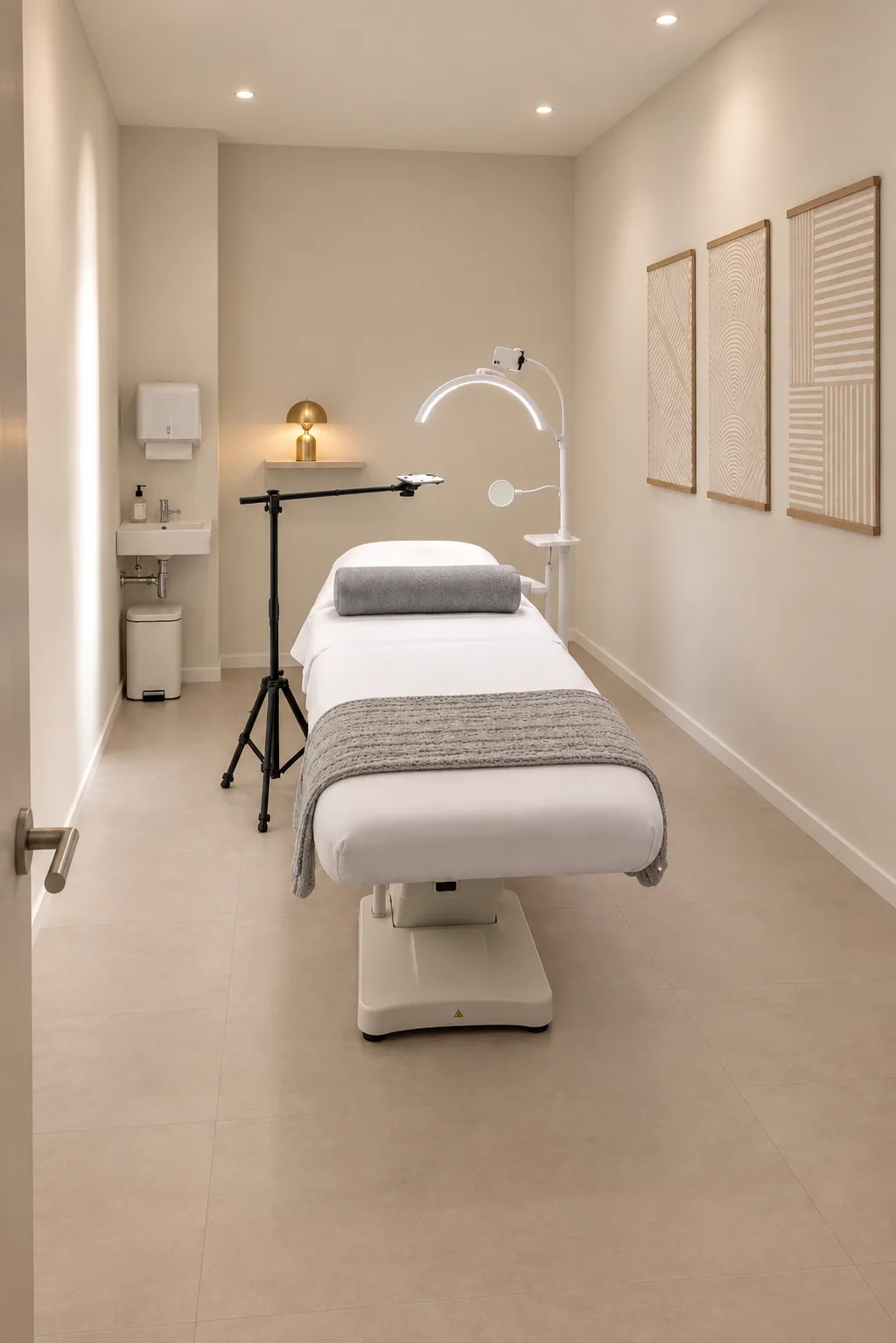
Staff model during an initial consultation mirror assessment at Core Aesthetics
Staff model image showing the consultation and assessment process. Individual suitability is confirmed in consultation.

Why the Consultation Comes First

Cosmetic injectable treatments are prescription medicines. Anti-wrinkle product and dermal filler can only be legally recommended and administered by an AHPRA registered health practitioner following individual clinical assessment. This is not optional; it is a regulatory and clinical requirement.

What happens in the appointment

But at Core Aesthetics, the consultation is not simply a compliance checkpoint. It is the foundation of every outcome. Corey Anderson does not use the consultation to confirm a treatment you have already decided on. He uses it to understand your face, your goals, your concerns, and your history, and then provides an honest recommendation based on that assessment.

“Sometimes people arrive wanting one thing and leave understanding that a different approach would serve them better. That conversation is what makes everything that follows work.”

Sometimes the assessment confirms exactly what the client expected. Sometimes it identifies a different driver, a different treatment area, or a different approach entirely. Occasionally it reveals that injectable treatment is not the right tool for what the client is hoping to address. All of these are valid consultation outcomes, and all of them serve the client better than proceeding without them.

What Happens at the Consultation

The initial consultation at Core Aesthetics follows a consistent structure.

What happens in the appointment

History. Corey Anderson begins by taking your full medical history. Current medications and supplements (several affect bruising, healing and treatment planning), any prior cosmetic treatments including when, where and what was done, relevant health conditions, and any history of previous adverse reactions. This information is essential context for the assessment and the treatment plan.

Your concerns and goals. Corey discusses what has prompted you to explore treatment and what outcome you are hoping for. You do not need to arrive with a specific treatment request. Many clients arrive with a general concern, such as looking tired or noticing that something about their face has changed, and the assessment identifies what is actually driving it.

Facial assessment. Corey assesses the face at rest and in motion. He looks at the whole face in three zones: upper, mid and lower. He evaluates muscle activity patterns, volume distribution, structural proportions, skin quality, and how changes in one area are affecting the appearance of others. He notes which lines are dynamic (only visible during expression) and which have become static (visible at rest). He identifies where volume has reduced and how that reduction is affecting surrounding structures.

The recommendation. Based on the assessment, Corey explains what he is seeing, what is driving the changes or concerns you have described, and what treatment can realistically address. He recommends a specific approach, explains why, and discusses what a conservative starting point looks like. He is direct about what treatment cannot achieve.

Your questions. The consultation includes time for you to ask any questions before any decision is made. There is no pressure to proceed on the day. Treatment is never booked or assumed as part of the consultation appointment.

What the Consultation Determines

For anti-wrinkle treatment
Which muscle groups are driving the concern. Individual muscle strength and activity levels. Appropriate dose ranges. Interaction between different muscle groups. Realistic expected outcome and duration.

What happens in the appointment

For dermal filler
Where volume has genuinely reduced and where the driver is elsewhere. The right starting area for whole-face balance. Appropriate product and placement approach. Conservative volume to start from. What indirect improvements to expect.

Consultation Types at Core Aesthetics

Consultations at Core Aesthetics are available for all treatment areas and for general facial assessments. Clients do not need to nominate a specific treatment to book a consultation. Corey assesses the whole face and discusses what is relevant to the individual concern.

How to Prepare

Arriving prepared means Corey can spend the consultation time on assessment and discussion rather than gathering basic information.

  • Come with no makeup or minimal makeup so your face can be assessed without it
  • Bring a list of all current medications and supplements, including blood thinners, fish oil, vitamin E and any herbal supplements
  • Have details of any prior cosmetic treatments including location, timing and what was performed
  • Arrive wearing your natural expression rather than a consciously relaxed or posed face
  • Think about what specifically has prompted you to explore treatment, even if you cannot name a specific treatment you want

After the Consultation

After the consultation, you have all the information you need to make a decision. There is no time pressure and no follow up sales contact. If you decide to proceed with treatment, you book a separate treatment appointment. If you would like time to consider, that is entirely appropriate.

What happens in the appointment

When treatment does proceed, Corey treats from the starting point discussed at consultation, uses conservative doses, and books a two week review to assess the settled result. The review is a standard part of every first treatment at Core Aesthetics.

Book your consultation at Core Aesthetics, Oakleigh.
Open Tuesday to Saturday by appointment.

Book Online

Related: Gummy smile consultation at Core Aesthetics

Related: Lip flip consultation at Core Aesthetics

Related: Bunny line consultation at Core Aesthetics

Related: Hyperhidrosis consultation at Core Aesthetics

Related: Cosmetic injectable consultation overview

All consultations are conducted personally by Corey Anderson, AHPRA registered nurse. Verifiable at coreaesthetics.com.au/verify.

Safety, Suitability and Clinical Assessment

All cosmetic injectable procedures carry risk. The suitability assessment at consultation identifies any contraindications or relative risk factors specific to your circumstances, including medical history, current medications, previous procedures, and anatomical features that may affect the risk profile for a given treatment area. This information is reviewed before any treatment is planned.

For certain conditions and medications, injectable treatments are not appropriate, or require modification of technique or timing. For others, the treating practitioner may recommend that you consult with your primary healthcare provider before proceeding. These are clinical judgements that can only be made with accurate, complete medical history information, which is why the consultation history taking process is thorough.

Complication recognition and initial management are part of the clinical competency required of practitioners performing injectable treatments under AHPRA’s September 2025 guidelines for nonsurgical cosmetic procedures. The practitioner at Core Aesthetics holds current training in this area and maintains the relevant management supplies on site. Understanding that risk exists and is actively managed is more useful than assuming risk does not exist.

About This Information

The information on this page is provided for general educational purposes. It is not a substitute for clinical advice and does not constitute a recommendation that you proceed with any particular treatment. Cosmetic injectable treatments are prescription medical procedures. They carry risks that vary between individuals and that must be assessed and discussed in a clinical context before any treatment decision is made.

At Core Aesthetics, Corey Anderson assesses every patient individually. The consultation is the point at which your specific anatomy, medical history, and goals are evaluated together. No treatment is offered at a first appointment, and no treatment is appropriate for everyone. This page is a starting point, a way to understand what is involved before you decide whether a consultation is the right next step for you.

If you have questions about anything on this page or about whether treatment might be appropriate for your situation, you are welcome to call the clinic or book a consultation at no obligation.

This page provides clinical information about Consultations. It is intended for adults aged 18 and over who are considering cosmetic injectable treatment and want to understand the clinical process, suitability factors, and what to expect from a consultation based practice. All treatment decisions at Core Aesthetics follow individual assessment, no treatment is offered at a first appointment without a separate consultation. Results vary between individuals and are reviewed at follow up.

What Happens in the First Forty-Five Minutes

The initial consultation is structured rather than freeform. The first ten minutes are conversation. The patient describes the concern in their own words and outlines what they hope a treatment plan might address. The practitioner listens for the underlying motivation, which is often distinct from the surface request. A patient asking about under-eye filler may be describing fatigue rather than hollowing. A patient asking about lip filler may be describing perioral asymmetry that lip filler cannot fix. The structural conversation begins here.

The next fifteen minutes are clinical assessment. The face is examined at rest and during expression. Anatomy, proportion, asymmetry, skin quality, prior treatment, and the relationship between the area of concern and the surrounding facial structure are all noted. Photographs are taken under standardised lighting where the patient consents to documentation. The mental and physical health screen, the medication history, and the contraindication list are completed.

The remaining time is the structured conversation about what is and is not clinically indicated. Where treatment is appropriate, the proposed plan is discussed in plain language: which area, why, what dose range, what realistic outcome, what risk profile, what timing, what cost, what aftercare, what review schedule. Where treatment is not appropriate, the reasoning is communicated directly, with whatever alternative is clinically warranted (a referral, a deferral, or a recommendation against treatment in this category).

Under the AHPRA September 2025 guidance for cosmetic procedures, a cooling off interval is observed between the consultation and any major nonsurgical cosmetic procedure for new patients. The consultation appointment is not a treatment appointment. Treatment, where indicated, is scheduled for a subsequent visit. This separation is part of how the assessment is protected from commercial pressure: the patient leaves the first appointment with information rather than product.

Different Consultation Pathways For Different Patients

The standard initial consultation is the appropriate entry point for most patients new to cosmetic injectable treatment. There are several variants that suit specific clinical situations and that are explicitly available rather than being treated as exceptions.

The second opinion consultation is for patients who have had cosmetic treatment elsewhere and want an independent assessment of the current state of their face, the existing treatment plan, or a specific concern about prior work. The conversation typically covers what was done, what the patient was told to expect, what the current appearance shows, and what an honest plan from the current point would look like. Some second opinion consultations end with the recommendation to continue the existing plan; some end with the recommendation to dissolve prior work and start over; some end with the recommendation to defer further treatment for a defined period and reassess. All three are clinically valid outcomes.

The first time consultation for a patient who has never had cosmetic treatment is structured to spend more time on the foundational conversation about what cosmetic treatment is and is not, what the realistic outcomes are, what the regulatory framework around prescription only therapeutic goods looks like in Australia, and what a sensible long term plan might look like for someone starting from a baseline. These appointments are deliberately unhurried.

The follow up consultation for an established patient is a different conversation. Much of the foundational information has been covered and recorded. The work at this appointment is reviewing what has been done, documenting the current response, and planning the next cycle. These appointments are typically shorter and more focused, but the same structural elements (assessment, conversation, decision, documentation) are present.

The pre procedure consultation is used in specific circumstances where a patient is considering a treatment that requires more detailed pre planning than the standard cycle (significant mid face restructuring, dissolution of long standing filler, treatment in an anatomically demanding region for the first time). These consultations are scheduled with extra time and may include additional photography and documentation that supports the planning conversation.

What Consultations Cost And Why

Consultations at the clinic carry a fee. The fee covers the practitioner’s time, the structured assessment, the documented record, and the clinical conversation. It does not depend on whether treatment is recommended or proceeds. This is structural rather than incidental: a consultation that is only billable when treatment follows creates pressure on the recommendation, and that pressure undermines the clinical purpose of the consultation. The fee structure protects the assessment from that pressure. Patients who proceed to treatment have the consultation fee deducted from the treatment cost in many cases; the specific arrangement is set out at booking. Patients who do not proceed pay the consultation fee for the assessment and the conversation that took place. Both outcomes are accommodated by the model.

After The Consultation: How Decisions Are Held Open

Patients are not asked to commit to a treatment plan at the consultation appointment. The cooling off interval required by AHPRA September 2025 guidance for major nonsurgical cosmetic procedures in new patients is observed structurally, and patients are encouraged to use that interval to reflect on what was discussed. Some patients book the treatment appointment within the recommended interval; some defer indefinitely; some return for a second consultation to revisit the conversation before deciding. All three are accommodated within the model. Patients with questions that arise after the consultation are welcome to email or phone the clinic; the practitioner is the same person who conducted the assessment, so follow up questions are answered with full continuity of clinical context. Patients with questions arising in the days after the consultation appointment are welcome to email the clinic, and the response is provided by the practitioner who conducted the assessment rather than by an unfamiliar reviewer.

Is this for you?

Consider booking a consultation if

  • You want an unhurried clinical conversation before any treatment is considered
  • You are 18 or older and weighing whether cosmetic injectables are right for you
  • You want to understand risks, realistic expectations, and the regulatory framework that applies to cosmetic injectables in Australia
  • You want a written record of what was discussed, considered, and recommended

This may not be for you if

  • You are seeking same day treatment without an assessment
  • You are under 18 years of age
  • You expect a clinic that prescribes a treatment plan before meeting you

Suitability is confirmed at consultation. This list is general guidance, not a substitute for clinical assessment.

Frequently asked questions

How long does a consultation at Core Aesthetics take?

Most consultations run between thirty and forty five minutes. The conversation runs at the pace the client needs; consultations involving multiple areas, prior treatment history, or detailed concerns may run longer. Bookings allow time for the assessment without pressure.

What does the assessment at consultation actually cover?

Medical history, current health, prior treatment, the client’s goals and concerns, individual facial assessment of the relevant anatomy, and a discussion of suitability and realistic outcomes. The recommendation flows from what the assessment finds rather than from a standard protocol.

Is there an obligation to proceed with treatment after consultation?

No. The consultation is the assessment; whether treatment proceeds is a separate decision and there is no expectation it happens at the same visit. Many consultations conclude without an immediate booking, including some that conclude with a recommendation not to proceed at all.

What information helps to bring to a consultation?

Any prior treatment history (clinic name, dates, areas, products if known), current medications, allergy history, photographs of the area at different times if you have them, and a written list of questions if helpful. None is required but the assessment is more thorough with context.

Are photographs taken during the consultation?

Photographs may be taken with consent for clinical record purposes only. They are not used for marketing, social media, or any external display. AHPRA-regulated cosmetic services do not display patient before and after imagery.

Can the consultation conclude with a recommendation not to proceed?

Yes, and this happens regularly. Some clients are recommended to wait, some are recommended a different intervention, some are recommended no treatment at all. The recommendation is explained in detail and the client is welcome to seek a second opinion.

Can a friend or family member attend the consultation?

Yes, clients are welcome to bring a support person. Please let the clinic know in advance so the appointment time accommodates the additional discussion. The support person can also remain for any subsequent treatment if that is what the client prefers.

How is the Core Aesthetics consultation different from a sales appointment?

The consultation is structured around the assessment, not around closing a treatment booking. Corey Anderson, AHPRA registered nurse, conducts every consultation personally. There is no separate sales role and no incentive structure tied to treatment volume; the recommendation is the consultation’s purpose.

Clinical references

  1. AHPRA: Guidelines for nonsurgical cosmetic procedures
  2. TGA: Advertising health services and cosmetic injections

Written and reviewed by Corey Anderson RN, AHPRA NMW0001047575 · Reviewed April 2026 · Consultation required · TGA & AHPRA compliant

Ready When You Are

Start with a conversation.

No commitment required. Book a consultation or send a message, Corey will respond personally.

Book a Consultation

Corey Anderson RN AHPRA NMW0001047575 Registered since 1996 Oakleigh, Melbourne