Core Aesthetics

The C.O.R.E Method: Corey Anderson’s Structured Approach to Cosmetic Aesthetics

Written and reviewed by Corey Anderson RN, AHPRA NMW0001047575 · TGA & AHPRA compliant

The C.O.R.E. Method is how Corey Anderson RN (AHPRA NMW0001047575) structures every appointment at Core Aesthetics. Four pillars — Consult, Organise, Refine, Evaluate — applied to every client regardless of the treatment involved. It is a methodology, not a marketing framework, developed over nearly three decades of clinical practice.

Why a structured method matters in cosmetic injectables

Cosmetic injectables is a clinical field, not a retail field. The difference between a result that holds up on a face six months later and a result that does not usually has very little to do with the product and almost everything to do with the process that put the product there.

The C.O.R.E. Method is the clinical process used at every appointment at Core Aesthetics. It exists because the same four decisions — how a face is assessed, how treatment is planned, how treatment is adjusted in real time, and how treatment is reviewed afterwards — are what determine whether cosmetic injectable treatment is safe, conservative, and clinically appropriate for the individual in front of the practitioner.

Corey Anderson RN · AHPRA NMW0001047575 · Registered since January 1996.

The four pillars

Each pillar corresponds to a specific phase of treatment. They apply in sequence, they apply to every client, and they apply regardless of whether the treatment involved is anti-wrinkle, dermal filler, or hyperhidrosis management.

Clinical consultation assessment at Core Aesthetics

Consult

A structured clinical assessment of anatomy, facial proportions, skin condition, medical history and realistic goals — before any decision about treatment is made.

Treatment planning at Core Aesthetics

Organise

A personalised treatment map, anatomically sequenced, with volume and placement decided before any product is drawn up. Staging built in from the start.

Precise in-appointment clinical refinement at Core Aesthetics

Refine

Precise, conservative treatment with continuous in-appointment assessment. Not a fixed protocol applied uniformly to every face.

Post-treatment clinical review at Core Aesthetics

Evaluate

A formal post-treatment review that assesses the settled result, gathers your feedback, and establishes a long-term maintenance pathway.

C — Consult

Clinical consultation at Core Aesthetics Oakleigh


Consult

No treatment is performed without a structured clinical assessment first.

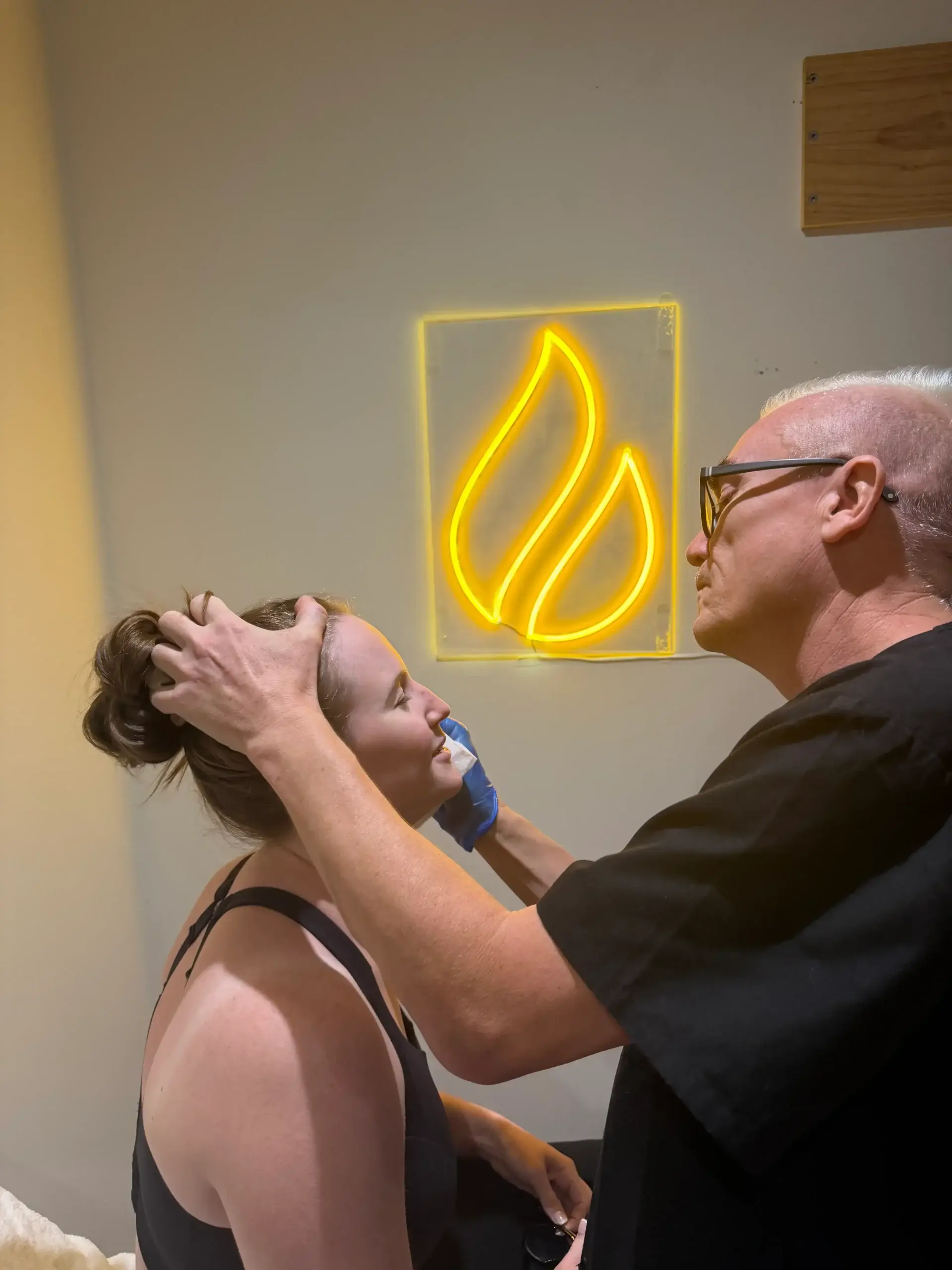
Every client relationship at Core Aesthetics begins in a chair, not on a treatment bed. Corey sits with you, reviews your medical history, examines your facial anatomy, talks through your goals, and discusses what is and is not achievable with cosmetic injectables. The consultation is clinical, not transactional.

This is also where suitability is assessed. Not everyone who presents for cosmetic injectables is a suitable candidate at that point in time — pregnancy, active infection, certain medications, recent aesthetic treatment elsewhere, or goals that are not achievable with cosmetic injectables are all reasons treatment may be deferred or declined. A consultation that ends without a booking is still a successful consultation.

What the consult covers

  • Full medical history relevant to cosmetic injectables (prescriptions, allergies, bleeding disorders, autoimmune conditions, pregnancy or planned pregnancy).
  • Structural assessment of the facial anatomy — bone structure, fat pad position, skin quality, muscle tone and dynamic movement.
  • Discussion of your aesthetic goals and what realistic change is (and is not) possible within the clinical reality of your anatomy.
  • Review of prior cosmetic injectable treatment, including any filler currently in place that may inform planning.
  • Informed consent for any treatment that is proposed — including what is involved, the expected recovery, the realistic duration, and the known risks.

O — Organise

Treatment planning session at Core Aesthetics


Organise

A written treatment map — anatomically sequenced, staged, and decided before product is drawn up.

Organising means producing a clinical plan that treats the face as a connected structure rather than a collection of independent problems. A lip concern may be a lip issue, or it may be a perioral structural issue that needs to be addressed elsewhere first. Getting the sequence right matters more than the individual dose decision at any single site.

Most clients at Core Aesthetics are not suitable candidates for a full-face intervention in a single appointment. Staging — treating foundational structural areas first, then reassessing at a follow-up before addressing secondary areas — is how conservative cosmetic injectable practice works. The plan is written down in front of you at the consultation so you understand exactly what is proposed across visits, not just today.

What the plan records

  • The anatomical sequence of treatment across sites and across visits.
  • The treatment areas that are in-scope for this appointment versus deferred to a follow-up.
  • The rationale for any area that has been identified but deferred — why it is being treated later rather than today.
  • A realistic maintenance cadence based on product behaviour in each treated area.
  • Indicative review timing so there is a planned clinical checkpoint, not an open-ended return.

R — Refine

Precise clinical refinement at Core Aesthetics


Refine

Continuous in-appointment reassessment. Treatment is adjusted to what the tissue actually does.

A plan written at consultation is a starting point, not a script. During treatment, Corey continuously reassesses the tissue as product is placed — how it lifts, how it settles, how the face responds dynamically — and refines the plan in real time based on what the face is showing.

The refinement pillar is the reason many appointments at Core Aesthetics end with less product used than was originally budgeted. Conservative, staged treatment with in-appointment reassessment prioritises a result that holds up on the face weeks later over a plan that was fully executed on paper. An appointment that places 80 percent of the planned product and defers the final 20 percent to a follow-up is frequently the right clinical call.

What refinement looks like in practice

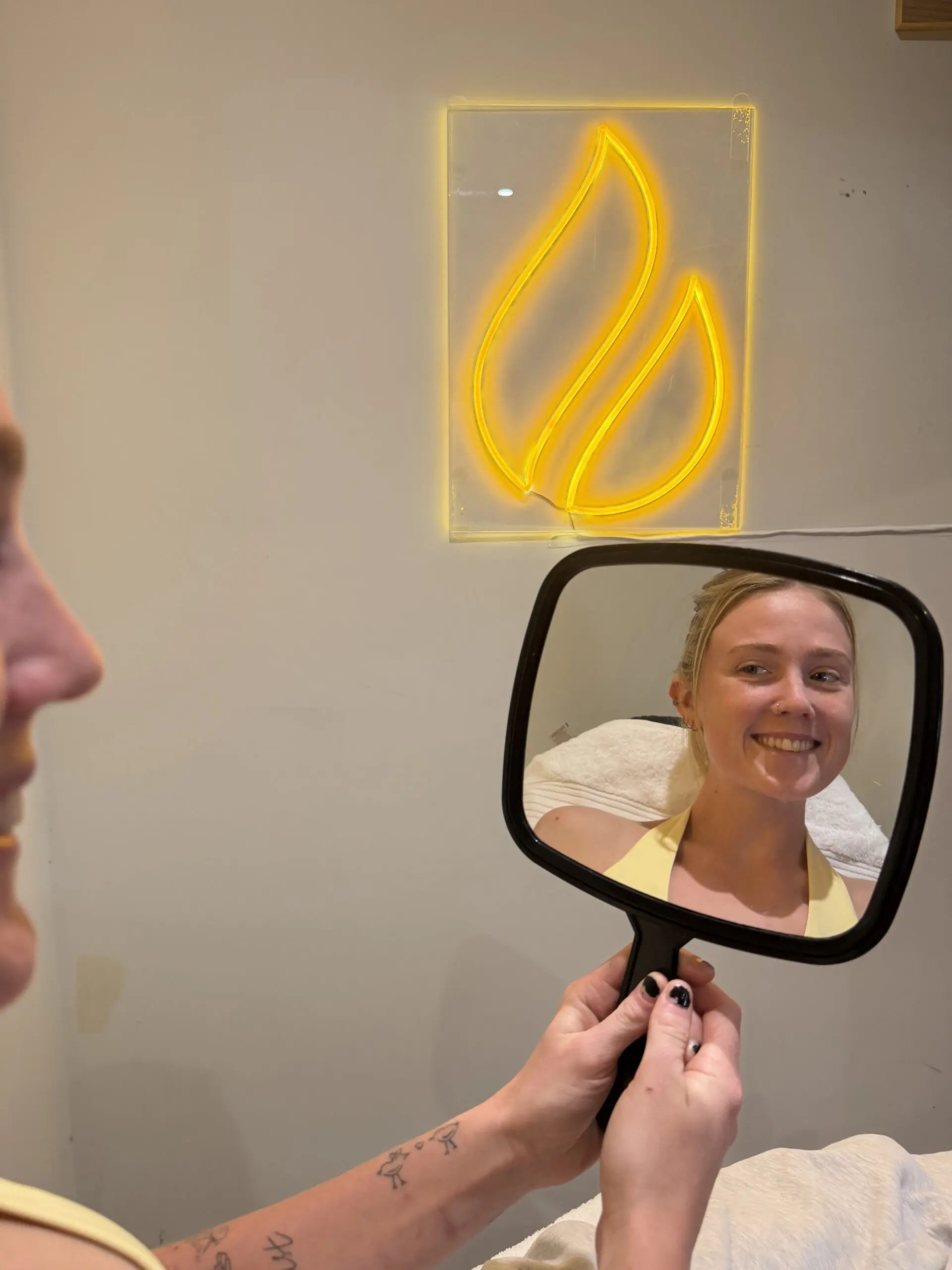
  • Regular sitting-up and mirror-review during treatment, not only at the end.
  • Willingness to stop earlier than planned if the tissue response is ahead of prediction.
  • Micro-adjustments to placement and technique based on dynamic movement.
  • Conservative dosing with scope for a planned top-up, rather than maximal dosing with scope for dissolution.
  • Clear communication during the appointment about what is being done and why.

E — Evaluate

Post-treatment review at Core Aesthetics


Evaluate

A formal post-treatment review — the appointment after the appointment.

The settled result of cosmetic injectable treatment is not visible on the day of treatment. Swelling, bruising and tissue response over the following days and weeks materially change how a treatment looks. Evaluate is the structured post-treatment review that closes the loop on whether the original plan worked.

The review is a clinical appointment, not a follow-up call. It assesses the settled result against the original plan, identifies any area that needs a top-up, gathers your feedback on how the treatment has performed in real life, and sets the maintenance timeline for any subsequent review. It is also where any complication — a small irregularity, a slower-than-expected settle, a clinical concern — is examined and managed appropriately.

What the evaluation covers

  • Clinical review of the settled treatment area relative to the original plan.
  • Assessment of any area requiring a scheduled top-up or refinement.
  • Review of any bruising, asymmetry, or irregularity reported since treatment.
  • Your feedback on how the treatment has performed day to day.
  • Agreement on the timing of the next clinical touchpoint — not an open-ended “come back when you like”.

Why the C.O.R.E. Method exists

The cosmetic injectables industry in Australia has grown faster than its regulatory framework. The AHPRA guidelines that took effect in September 2025 tightened requirements around practitioner qualifications, advertising, social media presence, and the clinical handling of cosmetic injectable treatment. The C.O.R.E. Method pre-dates those guidelines; it is the clinical process Corey has practised since before the regulatory tightening because it is the process that produces clinically appropriate care.

It is also a deliberate counterpoint to volume-driven injecting. An appointment structured around Consult, Organise, Refine and Evaluate is not a thirty-minute slot. It is not a same-day walk-in model. It is not a subscription. It is a clinical appointment with an AHPRA registered nurse who has been practising in health since 1996, and it is priced accordingly.

Book a consultation

The consultation is the most important appointment.

If the C.O.R.E. Method is the approach you want applied to your cosmetic injectable care, the starting point is a structured clinical consultation. No treatment is booked in the same visit. No decision is rushed.

Book a consultation   Read about our consultations

Frequently asked questions

What does filler feel like under the skin?

In structural areas, filler may be palpable as a slightly firmer texture beneath the skin, particularly in the first few weeks after treatment. This settles as the product integrates with surrounding tissue. In areas where product is placed superficially, firmness is more noticeable.

Is there a risk of migration with dermal filler?

Migration, meaning product moving from the intended placement to an adjacent area, is more associated with certain superficial treatment areas and can be caused by excessive volume, repeated pressure or incorrect placement. At Core Aesthetics, conservative dosing and anatomically appropriate placement are how migration risk is minimised.

Can dermal filler be combined with anti wrinkle treatment in the same appointment?

Yes, and this combination is appropriate for many clients. The two treatments address different aspects of facial change and can be performed at the same appointment where the assessment supports it. Whether combining them makes sense depends on the areas being treated and is discussed at your individual consultation.

How do I know which areas to treat with dermal filler?

The most reliable approach is a clinical assessment by a qualified practitioner. Many clients arrive knowing a specific area they want addressed, but a thorough assessment often reveals that the concern originates elsewhere. Corey Anderson assesses the whole face and explains his findings before any recommendation is made.

What causes bruising after filler and how long does it last?

Bruising occurs when a small blood vessel is disrupted during injection. It is common in areas with a rich blood supply, particularly the lips and tear trough. Avoiding blood thinning substances beforehand reduces the risk.

Will I look overdone after dermal filler?

Not if treatment is conservative and individually assessed. The overdone look is almost always the result of too much product, product in the wrong plane, or treatment without accounting for how the face looks as a whole. At Core Aesthetics, the starting point is always the minimum amount needed to achieve a meaningful improvement.

How is a staged approach to filler different from treating everything at once?

For clients new to dermal filler, or those who have not had treatment for several years, a staged approach places conservative amounts across one or two appointments before assessing whether additional treatment is appropriate. This produces more natural results and allows both the practitioner and the client to understand how the individual face responds to product.

What happens if the filler result is not what I expected?

This is discussed at the original consultation. If the result is less than expected, a review is possible once the product has fully settled at two weeks. If the result is more than expected or not what was intended, dissolution with hyaluronidase is available.

Clinical references

  1. AHPRA: Guidelines for registered health practitioners in cosmetic procedures
  2. TGA: Regulation of cosmetic injectables in Australia
  3. Australian Society of Plastic Surgeons: Cosmetic injectables information

Begin With A Conversation

Book your consultation.

No commitment, no pressure. A considered first step toward understanding what is and isn’t right for you.

Book Consultation

Elegance, Perfected.