What would you like help with?
Movement And Expression Guides
These pages start with what changes during frowning, smiling, speech or lip closure. They should not be used to diagnose movement from one posed photograph.
 Upper Face LinesStart here when several forehead, frown or outer eye lines are involved and you are unsure which movement pattern matters most.Open the assessment guide
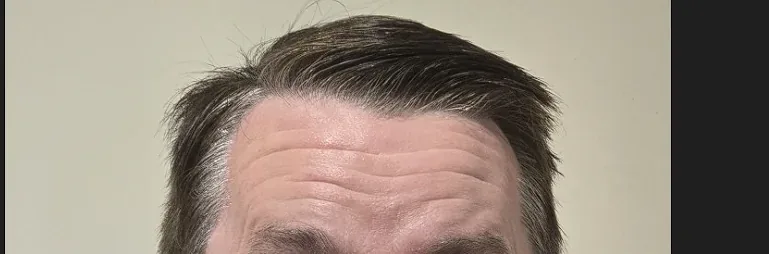 Forehead LinesFor horizontal forehead lines or brow position questions where the forehead should be assessed together with the eyelids and frown area.Open the assessment guide
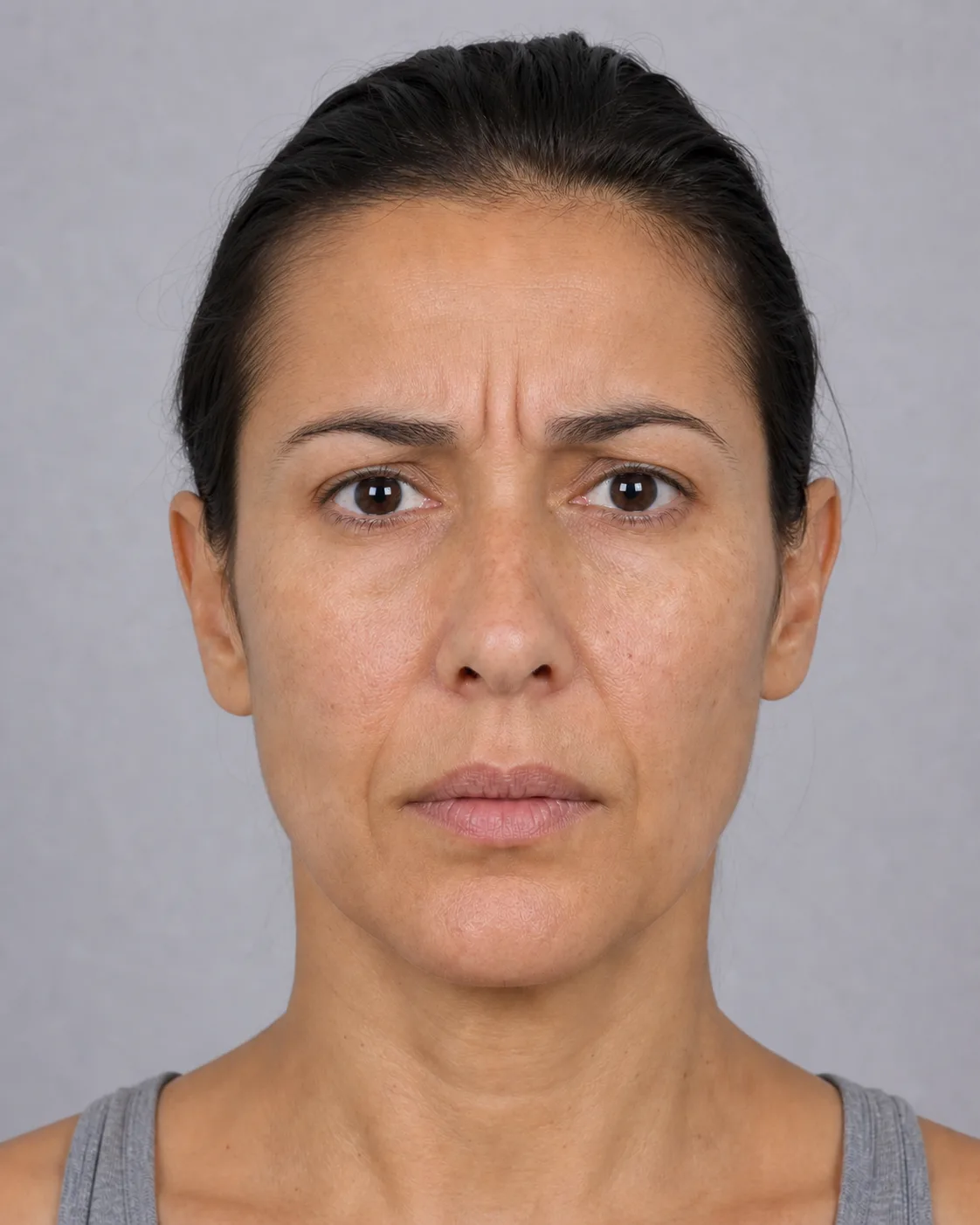 Frown LinesFor central brow movement and lines where strength, symmetry and the person’s resting brow position change the discussion.Open the assessment guide
 Outer Eye Smile LinesFor lines beside the eyes where smiling, cheek movement, skin and eye history need to be considered together.Open the assessment guide
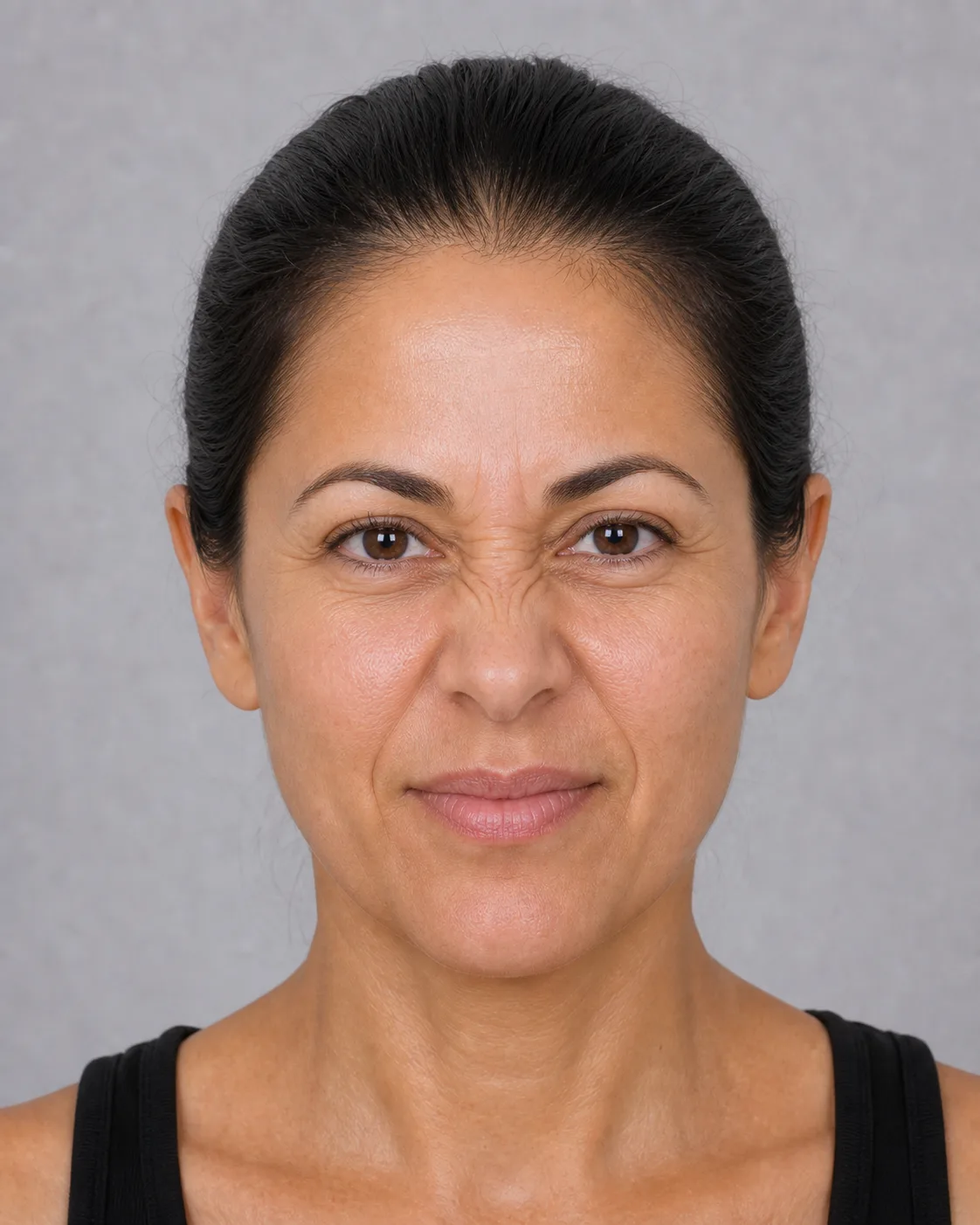 Upper Nose Movement LinesFor lines across the upper nose where nose scrunch, frown movement and smile pattern may overlap.Open the assessment guide
 Smile And Gum ShowFor upper gum display or a short appearing upper lip where dental proportions and smile movement should be separated.Open the assessment guide
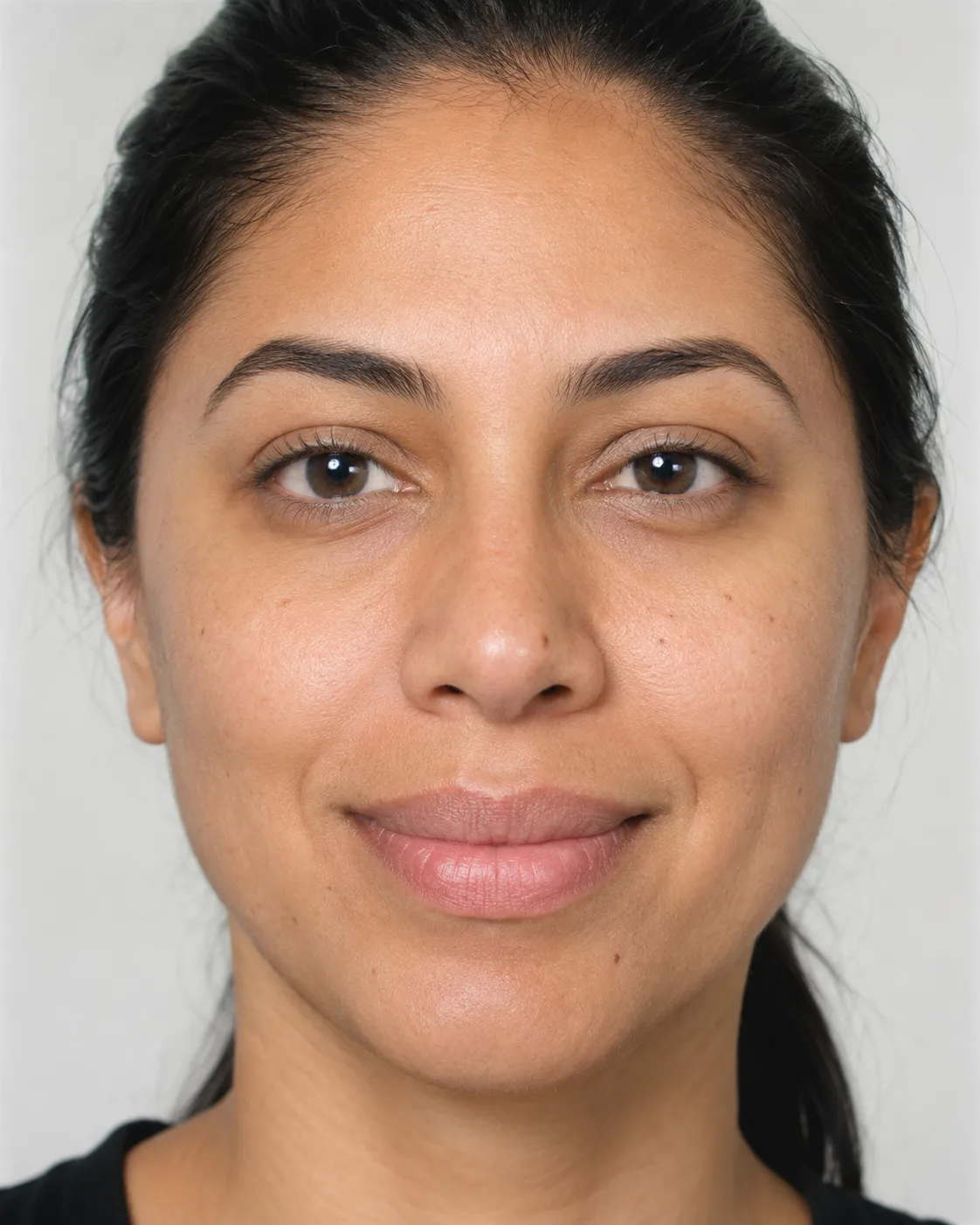 Upper Lip MovementFor questions about the upper lip during smiling where speech, drinking, lip closure and restraint matter.Open the assessment guide
Lip, Cheek And Midface Guides
These pages separate skin, soft tissue, support, movement and the relationship between neighbouring areas. A line or hollow is not automatically a volume problem.
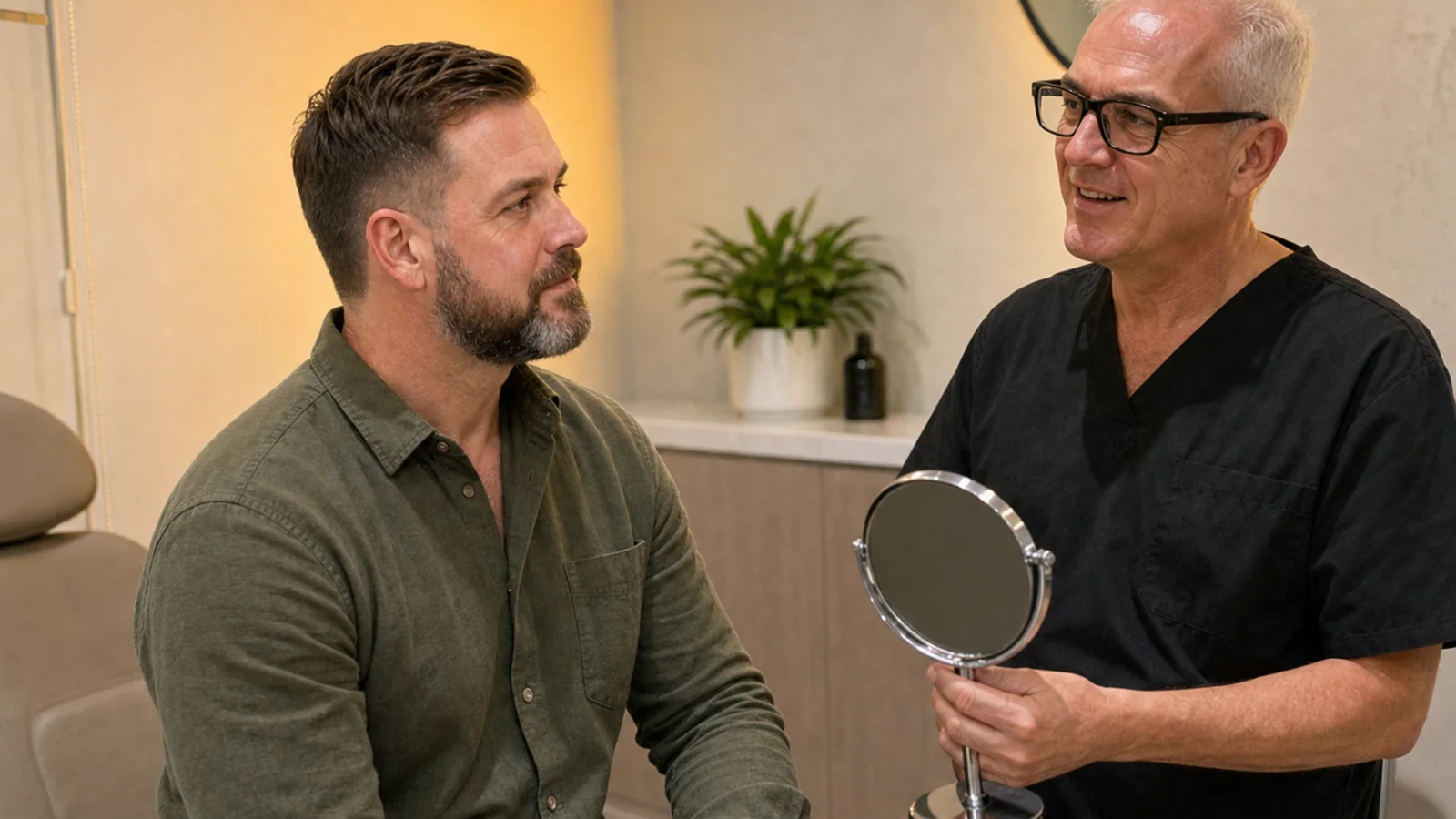 Lip Concerns, Shape And DefinitionFor lip definition, uneven sides, shape, movement or changes around the mouth.Open the assessment guide
 Facial Volume And StructureFor hollowing or support questions that cross more than one facial area and should be traced to the layer that changed.Open the assessment guide
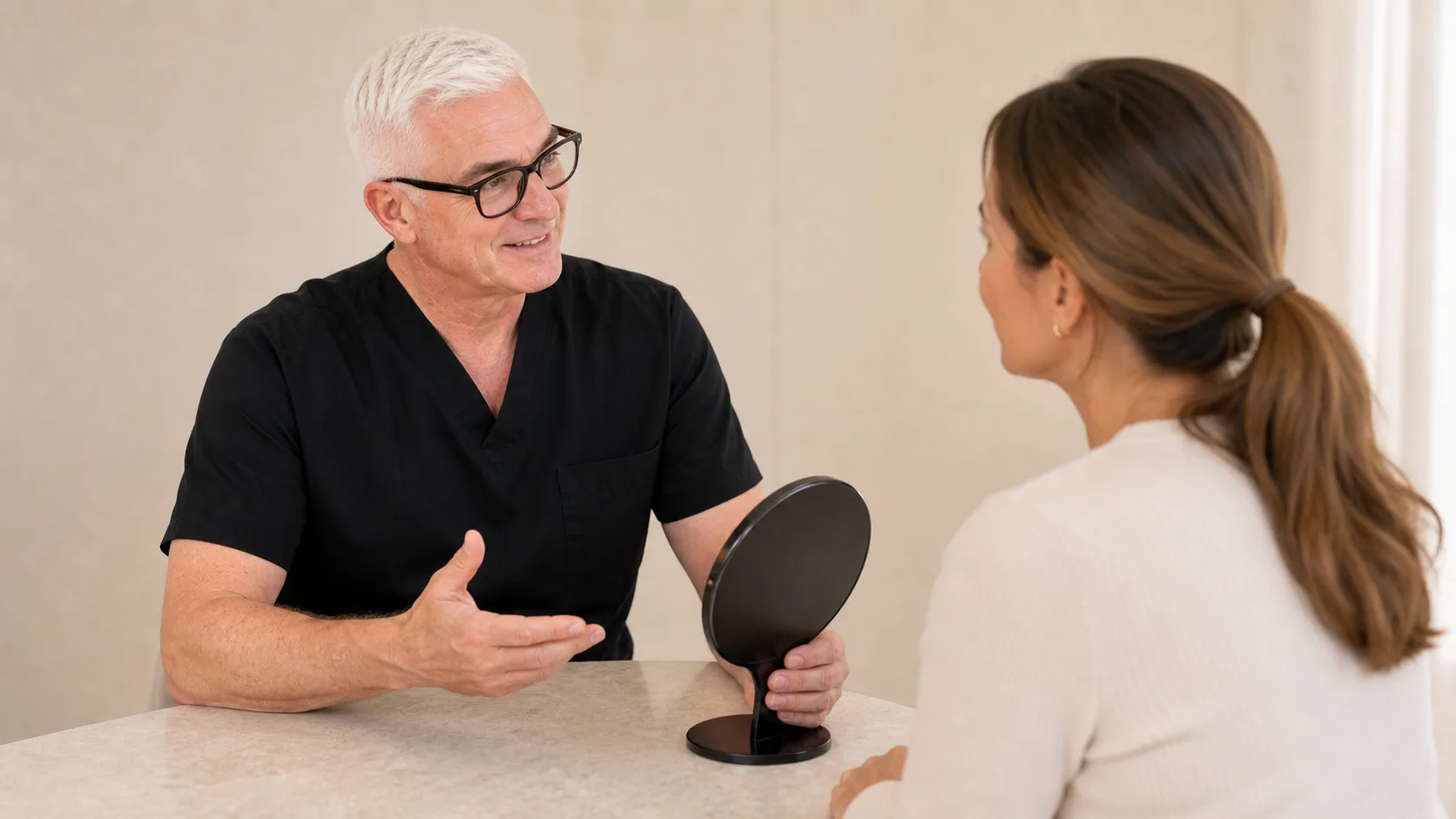 Cheek And MidfaceFor cheek or midface concerns where the under eye, nose to mouth fold and wider facial proportions may affect what is noticed.Open the assessment guide
 Temple AssessmentFor upper side face hollowing where nearby vessels, brow shape and the transition into the cheek require caution.Open the assessment guide
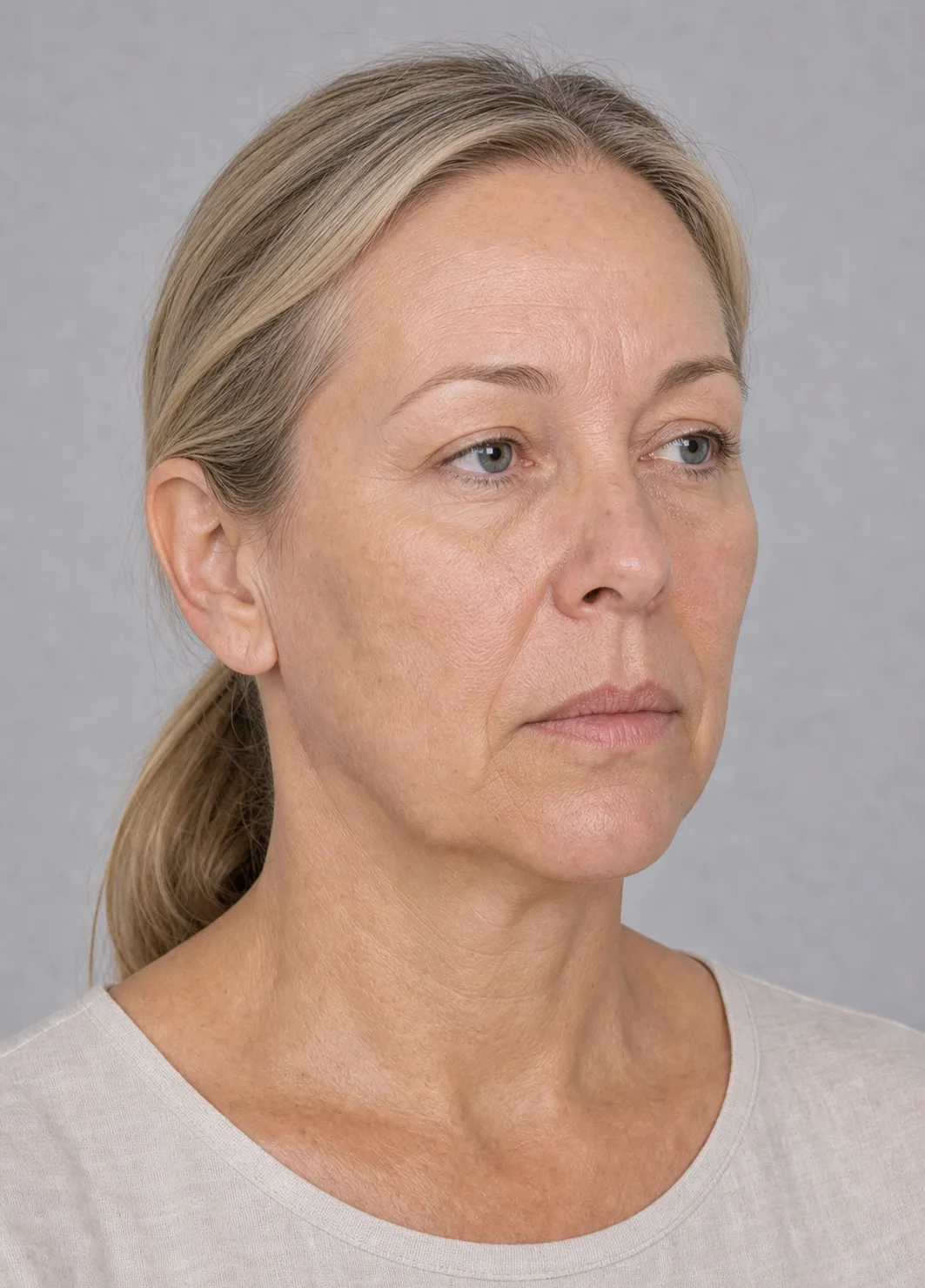 Nose To Mouth FoldsFor nose to mouth folds where rest, speech, smiling, cheek shadow, skin and dental context should be mapped separately.Open the assessment guide
Chin, Jaw And Lower Face Guides
The lower face should be read as a relationship between chin, jaw border, jaw angle, soft tissue, neck and chewing function. Choose the card that names the first observation, not the intervention you expect.
 JawlineFor lower face border or profile concerns where chin, jowls, skin and neck transition may all influence the outline.Open the assessment guide
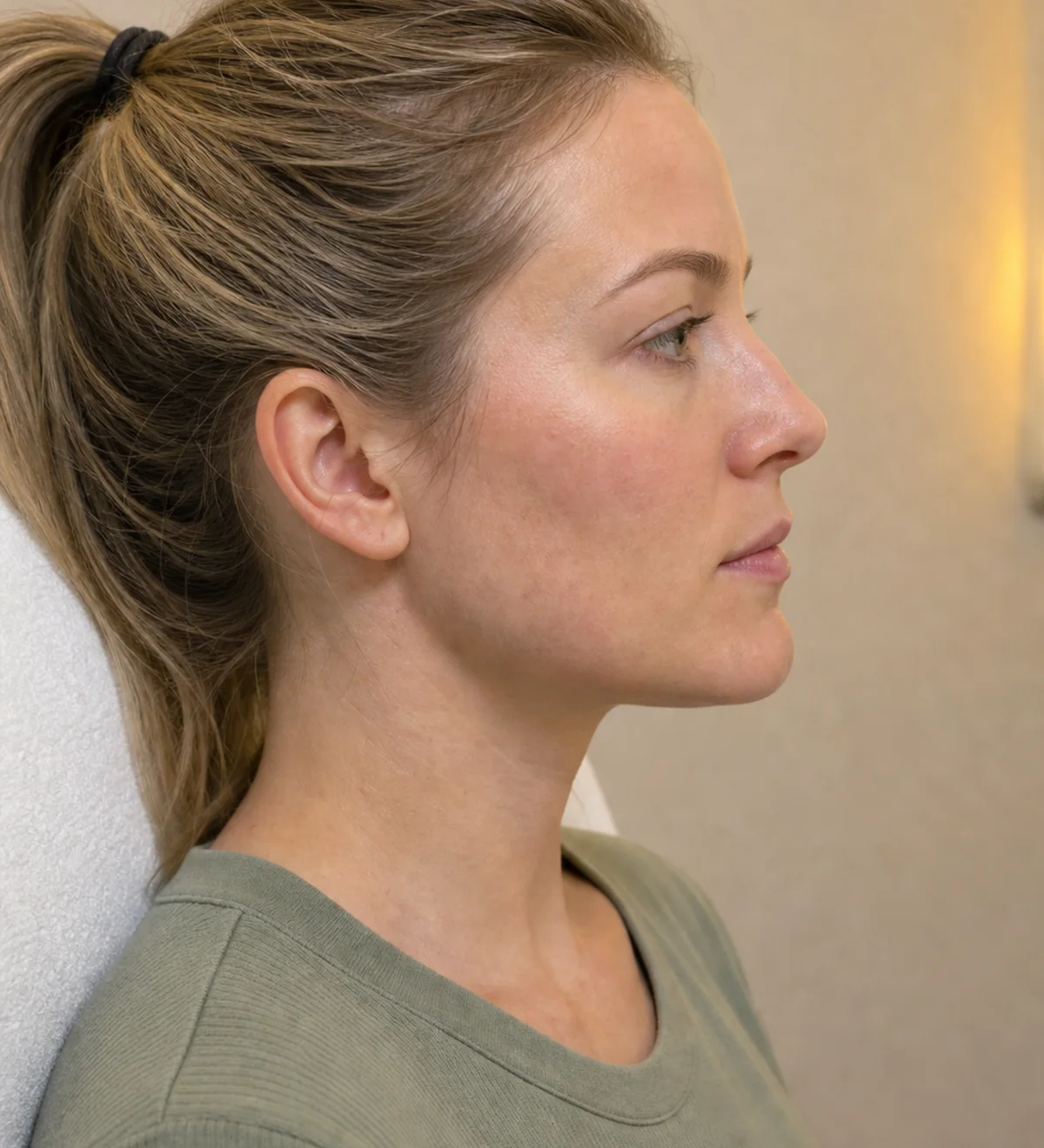 Chin And ProfileFor chin projection, contour or profile questions where lips, jawline and lower face balance need to be viewed together.Open the assessment guide
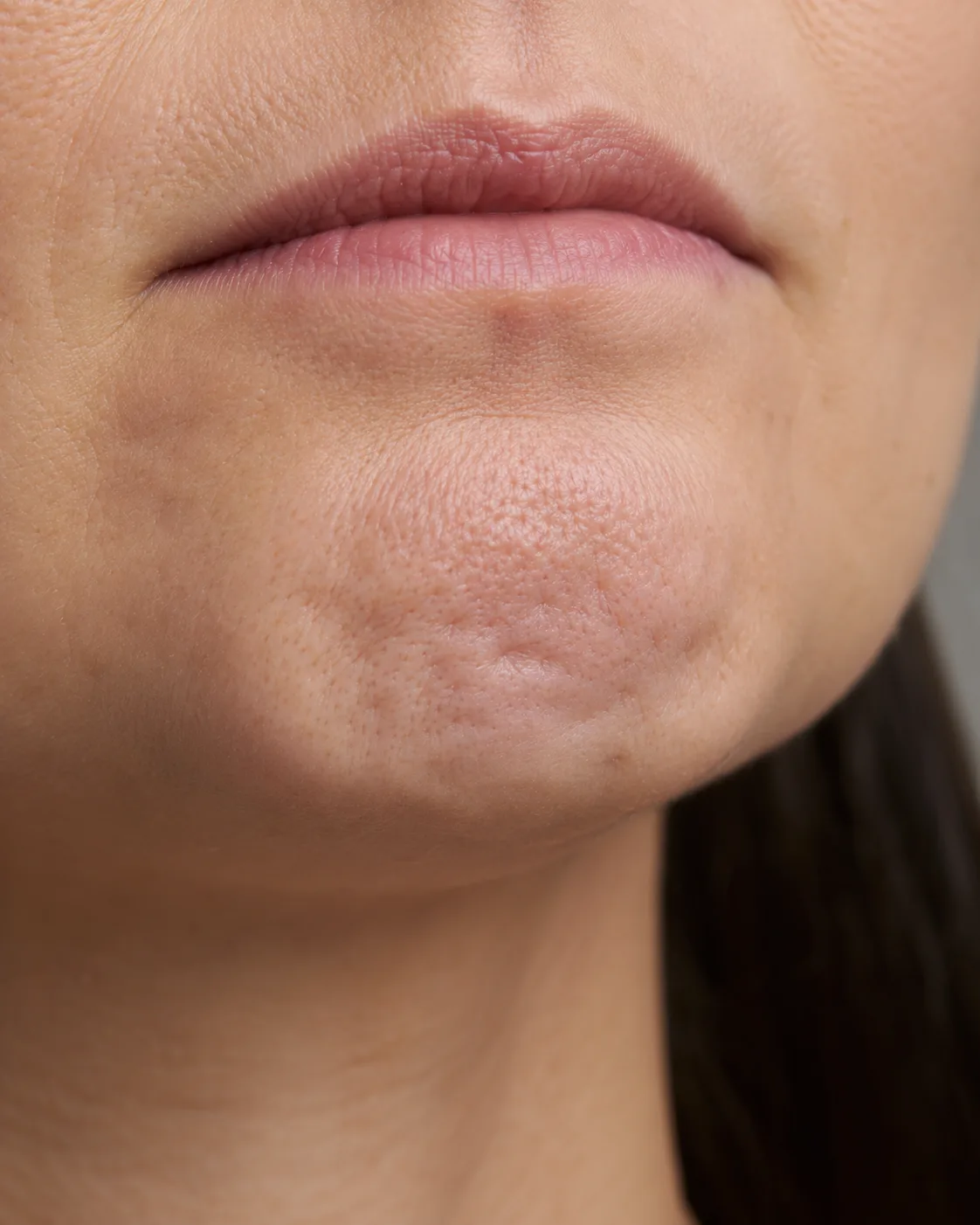 Chin DimplingFor chin texture or movement where rest, speech and relaxed lip closure help distinguish a stable crease from contraction.Open the assessment guide
 Jowls And Lower FaceFor heaviness near the jaw border where skin, soft tissue, bone and realistic limits must not be collapsed into one label.Open the assessment guide
 Jaw Muscle And ClenchingFor lower face width or jaw muscle questions where shape, symptoms, chewing function and dental referral are separate decisions.Open the assessment guide
Under Eye And Neck Guides
These regions have important anatomical and medical boundaries. Puffiness, eye history, skin, cheek support and neck movement can change whether clinic discussion is appropriate.
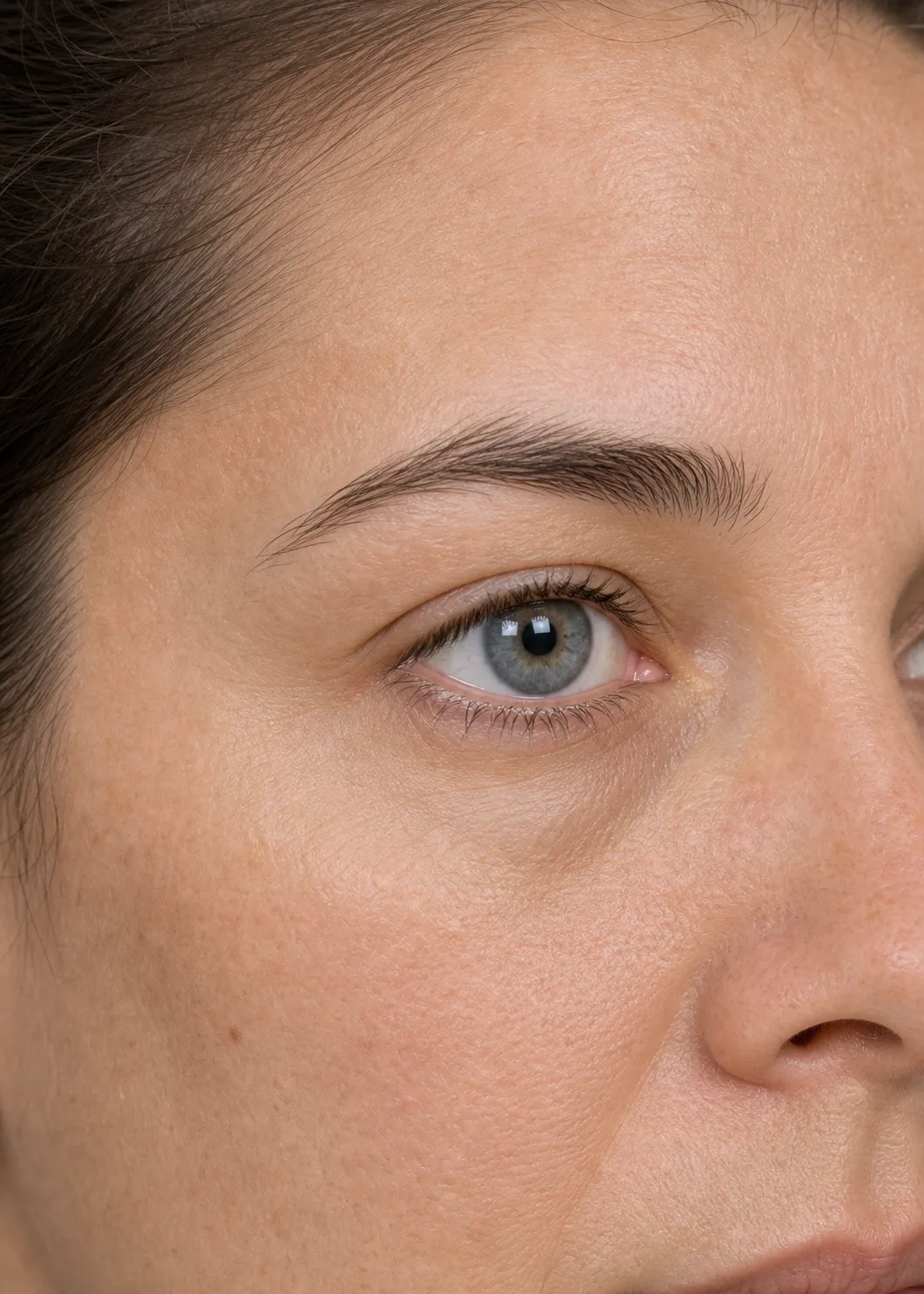 Under Eye HollowingFor under eye hollowing or tired appearance where puffiness, skin, cheek support and eye history can change the pathway.Open the assessment guide
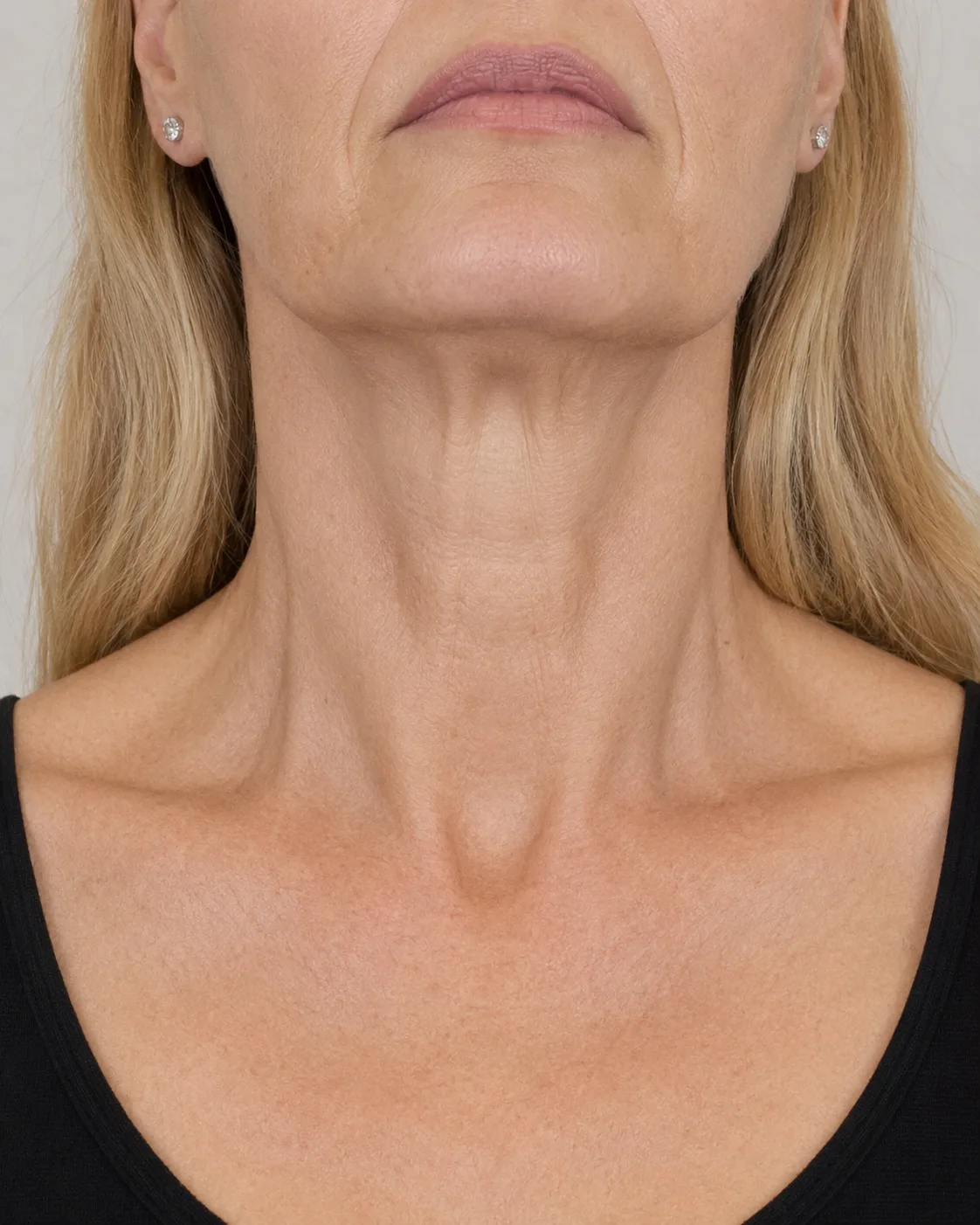 Neck BandsFor visible neck bands where movement, skin, jawline relationship and the limits of clinic scope need assessment.Open the assessment guide
Sweating And Broader Planning Guides
Excessive sweating may require health context rather than a purely cosmetic frame. Preventative and men’s pages are broader starting points for readers whose question does not fit one facial landmark.
 Excessive SweatingFor sweating across one or more areas where pattern, severity, triggers, health history and medical causes need to be reviewed.Open the assessment guide
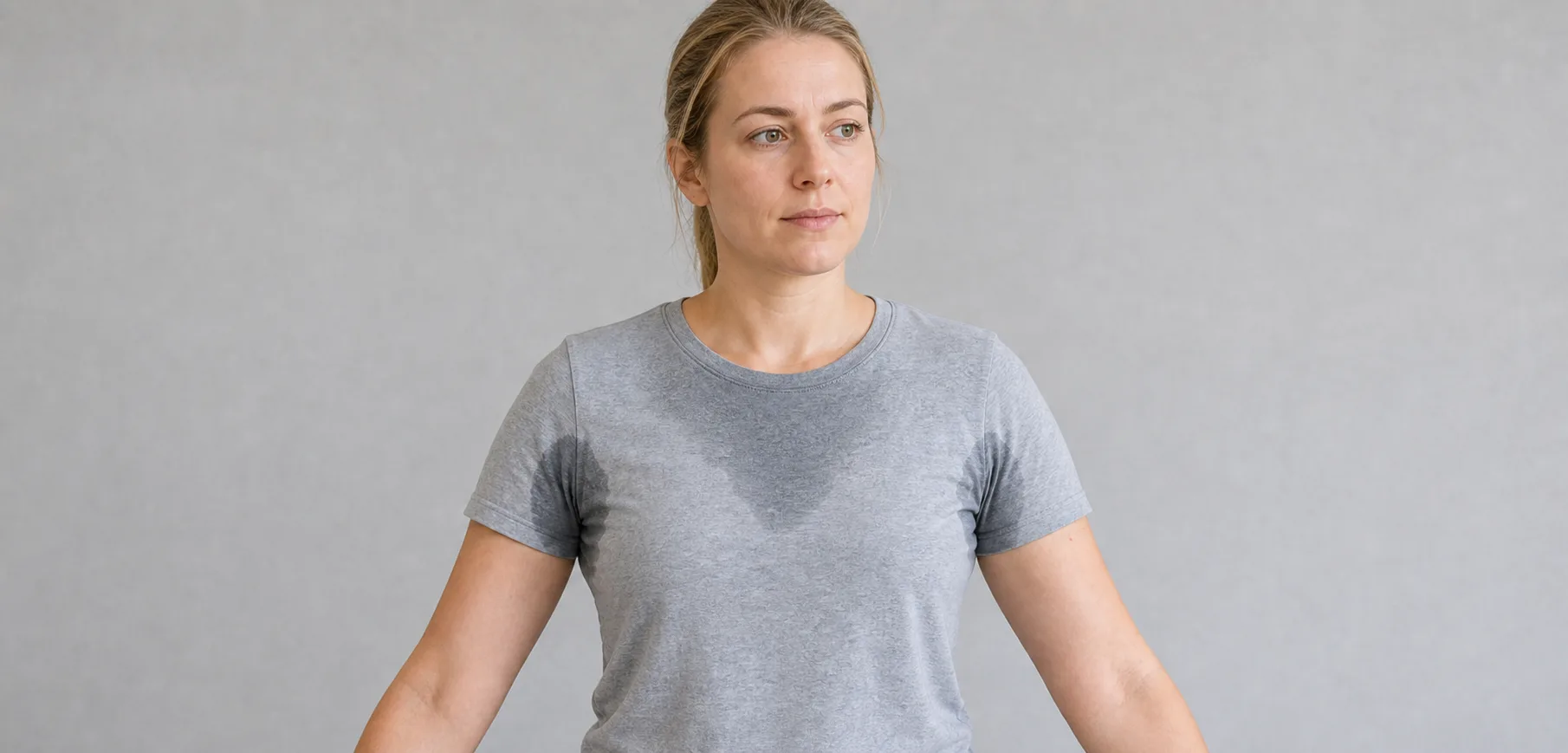 Underarm SweatingFor sweating centred on the underarms where daily impact, skin, medicines and conservative measures should be recorded.Open the assessment guide
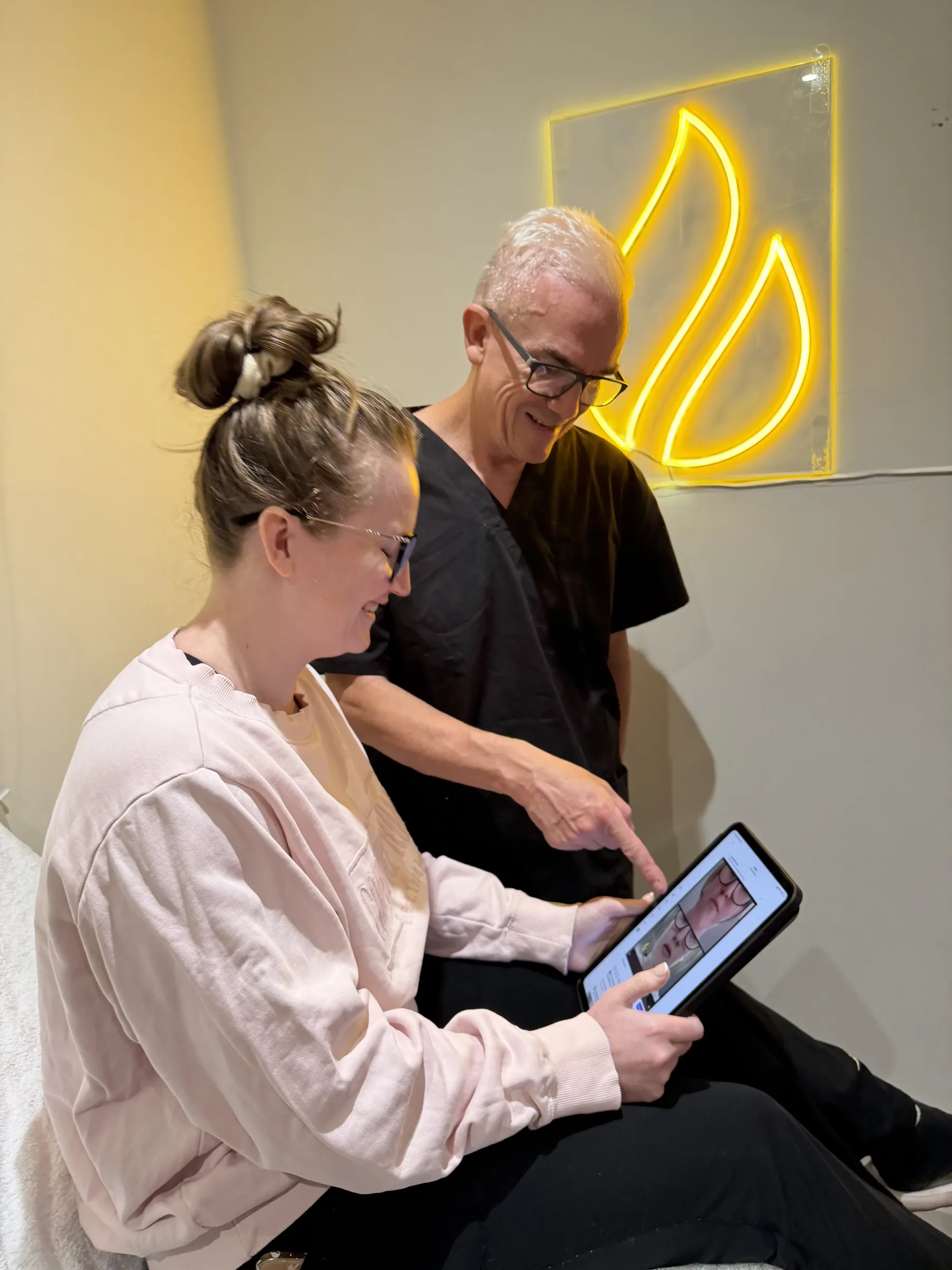 Early Or Preventative QuestionsFor people asking whether anything is needed yet, what can be observed and when skincare, timing or another clinically appropriate pathway makes more sense.Open the assessment guide
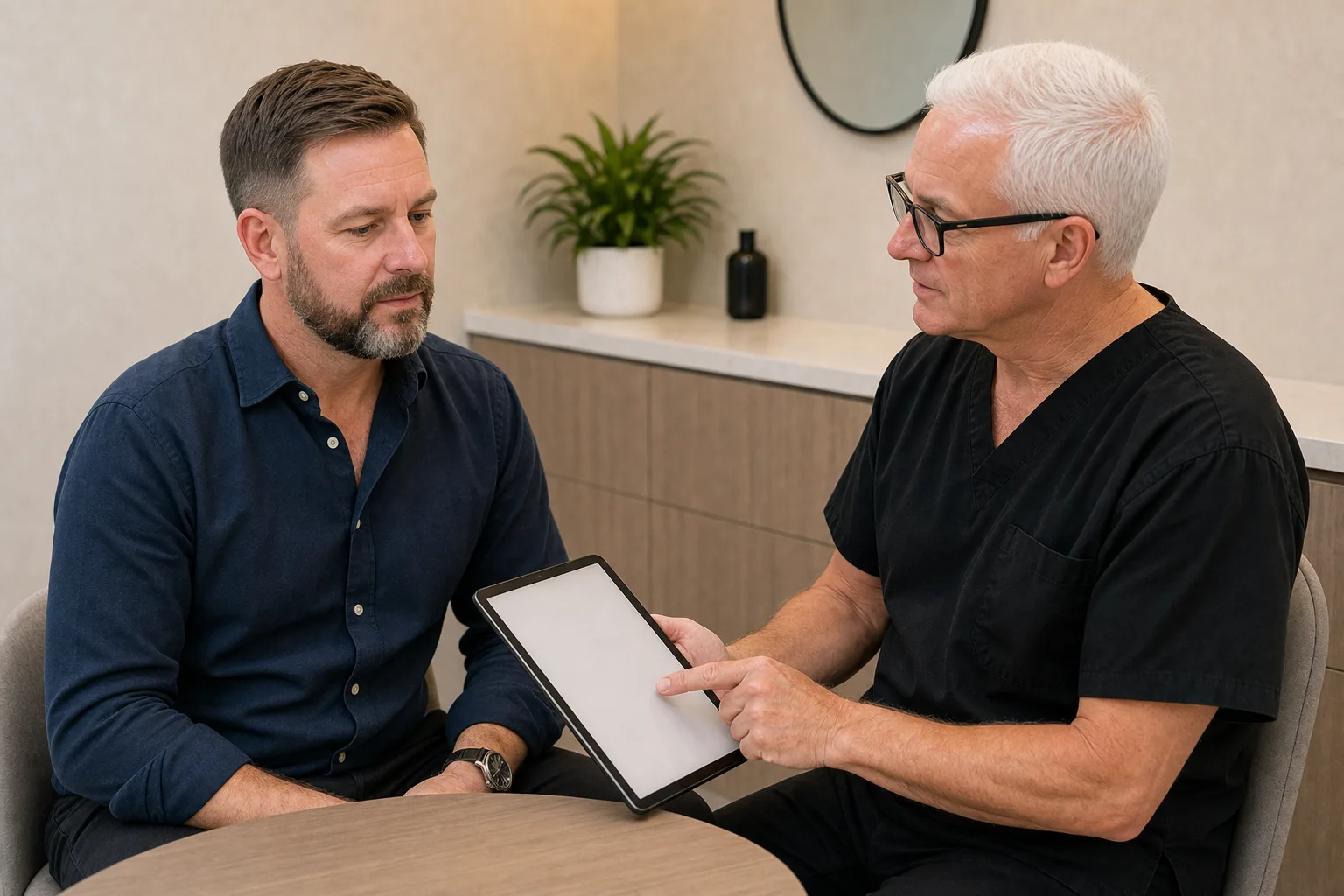 Men’s Aesthetic ConsultationFor men who want a broad starting point without assumptions about goals, masculinity, ageing or which facial area should matter.Open the assessment guide
Start with the concern you have noticed. You do not need to know which treatment you want before booking a consultation.
Pick The Door That Matches Your Question
A useful starting page should describe the thing you have actually noticed. That may be a line that appears during movement, a stable change in facial support, a profile relationship, sweating that affects daily life or uncertainty after previous care.
Do not choose by guessing what product might be used. If the concern cannot be named without referring to a social media trend or someone else’s face, start with the broad consultation.
When Is A Specific Card Useful?
| Your starting position | Best reading route | Why |
|---|---|---|
| One stable landmark or movement is clearly central | Use the matching assessment card | The guide can explain the area, relevant history and boundaries in detail |
| Two or more areas seem connected | Use the broad consultation guide | It avoids deciding which area should lead before the relationship is assessed |
| Pain, weakness, swelling, a new lump or rapid change is present | Seek appropriate medical or dental assessment | A cosmetic menu is not a diagnostic pathway |
| You are not sure anything needs treatment | Use the suitability guide or book a questions only consultation | Waiting and a staged plan remain valid decisions |
What Do The Cards Not Decide?
- They do not confirm that treatment is indicated or suitable.
- They do not diagnose a medical, dental, skin or mental health condition.
- They do not select a prescription medicine, product class, quantity or dose.
- They do not promise that care can happen on the consultation day.
- They do not make one area more important than the person’s wider health, priorities or autonomy.
How I Choose The Right Aesthetic Consultation Pathway
Tell Me The Feature Or Moment That Prompted You
Corey Anderson RN: Not sure which page or which appointment? Tell me the feature, the movement, or the everyday moment that sent you looking. One central concern may suit a focused assessment, while several concerns that seem to interact usually need a broader facial consultation. I don’t expect you to arrive with a treatment name. And if you can’t quite locate the concern, or you’re not sure anything needs changing at all, that uncertainty is useful information. It isn’t something you have to resolve before booking.
More Concerns Do Not Mean I Recommend More Care
Corey Anderson RN: If your cheeks, eyes, lips, chin and jaw all seem connected, I use the wider assessment to work out which relationship is contributing most. The purpose is to narrow the question, not to lengthen a list. We might identify one focused issue, a need for clearer photographs or records, unsuitable timing, or no cosmetic treatment need at all. I also ask what you want left alone, because preserving a familiar expression can matter as much as understanding the feature that brought you in.
Some Concerns Need A Different Clinical Route
Corey Anderson RN: I ask whether a concern is new, severe or rapidly worsening, because those symptoms belong with an appropriate health service rather than an elective cosmetic booking. Dental symptoms may require a dental pathway. Previous care that’s recent, still changing or poorly documented may call for records or contact with the original team. I explain those boundaries early rather than halfway through. Referral, monitoring, more time or no cosmetic treatment may all be the right outcome.
Use A One Minute Shortlist Before Booking
- Name the exact feature, movement, symptom or situation you want help understanding.
- State whether it is stable, gradual, new or changing quickly.
- Write down any functional issue such as pain, weakness, vision change, chewing difficulty or heavy sweating.
- Note previous cosmetic, dental, surgical or skin care that may be relevant.
- Choose one card, or choose the broad consultation if more than one remains plausible.
When Should Another Professional Lead?
Medical or dental review should lead for a new lump, rapid or unexplained asymmetry, infection, significant pain, weakness, altered sensation, vision change, dental symptoms or another presentation outside routine cosmetic assessment. Urgent symptoms should not wait for an aesthetic appointment.
Skin disease, persistent rashes, changing pigmented lesions and complex scarring may require a GP or dermatologist. Distress that is intense, escalating or disconnected from what others can observe also deserves a careful pause and appropriate support rather than more treatment browsing.
How Are Timing And Cost Discussed?
Cost follows assessment because the relevant next step may be one focused discussion, several staged questions, records, referral, timing or another clinically appropriate pathway. The hub does not publish product linked packages or assume how much care a person needs.
The appointment begins with assessment, followed by suitable options, timing and an agreed plan. If an individual pathway is considered, consent should cover alternatives, realistic limits, material risks, review access, warning signs and how to contact the clinic.
Why Is Product Detail Absent?
This public hub does not name or promote prescription medicines, product classes or doses. Current TGA guidance says public health service advertising must not directly or indirectly advertise prescription medicines.
That is why the cards lead to assessment information rather than a catalogue. Individual options and whether any medicine is appropriate belong in a private consultation with an appropriately trained practitioner.

Confirm The Clinic Before You Book
Core Aesthetics is located at 12A Atherton Road, Oakleigh VIC 3166. Consultations are led by Corey Anderson RN, Ahpra registration NMW0001047575. Compare the name and number with the independent Ahpra register and use the clinic verification page for current contact and identity checks.
This hub was reviewed on 5 September 2026 against current Ahpra cosmetic procedure guidance and 5 September 2026 TGA health service advertising guidance.
Questions About Choosing A Pathway
How do I choose the right aesthetic treatment page?
Choose the page that matches the feature, movement, symptom or situation you want assessed. If several areas interact or you cannot identify one clear starting point, use the broader consultation guide rather than guessing which area should lead.
Do the pathway cards confirm that treatment is suitable?
No. Each card is a reading route only. Suitability still depends on individual assessment, relevant health and medicine history, scope, alternatives, material risks, consent and whether treatment offers a reasonable balance for that person.
What if two or three pathway cards seem relevant?
Begin with the broader consultation and bring the full list. Corey can help separate the first concern from nearby features, decide what needs records or referral and identify what can wait rather than building several assumed plans at once.
Can I book when I am unsure whether I want treatment?
Yes. A consultation can be used to ask questions, understand anatomy and discuss whether adjusted timing, review with another health professional, skincare, review later or another appropriate pathway fits. Booking reserves time for an individual assessment, useful options and a clear next-step plan.
What symptoms should not be routed through this treatment hub?
A new lump, rapid asymmetry, infection, significant pain, weakness, altered sensation, vision change, dental symptoms or another unusual change needs appropriate medical or dental assessment. Urgent symptoms should not wait for a cosmetic consultation.
What happens after Corey assesses the concern?
The appointment begins with assessment, followed by suitable options, timing and an agreed plan. Corey must complete the assessment, confirm that the question sits within scope and discuss alternatives, material risks, consent and individual timing before deciding whether proceeding is clinically appropriate.
Why does this hub avoid product and dose information?
Public advertising must not directly or indirectly promote prescription medicines. This hub groups the questions a person may want assessed instead. Individual options and whether any medicine is appropriate belong in a private clinical consultation.
Where is Core Aesthetics located?
Core Aesthetics is in Oakleigh, in Melbourne’s south east. Use the contact page to check the current street address before travelling. Corey Anderson RN leads consultations and his Ahpra registration number, NMW0001047575, can be checked independently.
Sources And Regulatory References
Is this for you?
Consider booking a consultation if
- Adults choosing between Core Aesthetics assessment guides
- People with one clear feature or movement question
- Readers whose concerns span several areas
- People comfortable discussing suitable options, practical timing, review needs and any other clinical input
This may not be for you if
- Diagnosis of a new or urgent symptom
- Selecting a prescription medicine or dose
- Confirmation that treatment is suitable
- People seeking a preselected option without individual assessment, risk discussion or consent
Suitability is confirmed at consultation. This list is general guidance, not a substitute for clinical assessment.