A treatment suitability assessment decides whether cosmetic treatment should even be discussed for a specific adult at a specific time. Corey Anderson RN reviews the concern, anatomy, medical history, timing, expectations, consent and risk before any treatment pathway is considered appropriate.
What Does Treatment Suitability Assessment Mean?
A treatment suitability assessment is not a public menu and it is not a promise of treatment. It is the consultation process Corey Anderson RN uses to decide whether the concern, timing, health history, expectations and risks make treatment discussion appropriate.
The consultation may lead to treatment planning, a modified plan, timing, review needs or another clinically appropriate pathway.
How Is Suitability Assessed?
This framework shows how a suitability decision is made before treatment is discussed.
| Suitability question | What Corey reviews | Possible consultation outcome |
|---|---|---|
| Is the concern understood? | Facial movement, anatomy, skin quality, previous treatment and what the patient hopes to clarify. | Clarify the concern, ask more questions or explain why another pathway may be safer. |
| Is the person clinically suitable? | Health history, medicines, allergies, pregnancy or breastfeeding status, infection risk and skin condition. | Discuss treatment only if the assessment supports that direction. |
| Is the timing appropriate? | Travel, events, dental work, recent illness, recent treatment and review availability. | Proceed with planning, wait, review later or avoid treatment at that time. |
| Is consent meaningful? | Risks, limits, alternatives, aftercare, cost where relevant and whether the patient can decline freely. | Continue discussion, pause, revisit questions or decide not to proceed. |
| Is another pathway safer? | Symptoms, skin concerns, dental issues, unrealistic expectations, medical red flags or concerns outside cosmetic scope. | Recommend GP review, referral, review later or a clearer care pathway. |
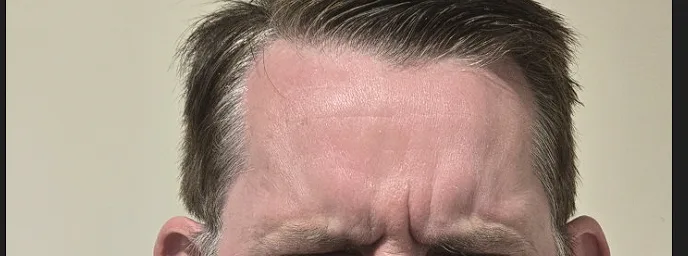
Why Is The Same Concern Not The Same Decision For Everyone?
Two people can describe the same visible concern and still need different advice. Anatomy, health history, medicines, recent treatment, skin condition, recovery needs and expectations all change the decision.
That is why Corey starts with assessment rather than assuming a treatment pathway from a concern label alone.
What Health History Matters?
Corey may ask about medicines, allergies, medical conditions, pregnancy or breastfeeding, recent illness, recent dental work, previous cosmetic treatment, infections, skin changes and upcoming travel or events.
If a concern sounds medical, sudden, painful, infected, dental related or outside cosmetic scope, the safer answer may be GP review, dental review, another medical review or a clearer care pathway at that time.
How Do Anatomy And Expectations Affect Suitability?
Assessment considers the concern, facial proportions, movement, skin quality, previous treatment, asymmetry, age-related change and whether the expected change is realistic. A visible concern does not automatically mean treatment is appropriate.
Expectation is also part of safety. If the hoped-for change is fixed, rushed or outside clinical limits, more discussion, waiting or declining treatment may be the responsible next step.
What will the consultation clarify about my options?
You should leave understanding the concern, suitable options, practical timing and the next step. An option discussion depends on clinical assessment, informed consent, timing, available appointment time and Corey deciding that proceeding is appropriate.
The appointment creates time for assessment, questions and a clear plan. It creates time to assess, explain and decide whether proceeding, timing, review needs or another clinically appropriate pathway is the safer path.
When Might Waiting Or Another Pathway Be Safer?
More time or another pathway may be appropriate when consent is not settled, recent illness or dental work changes timing, skin concerns need to calm, expectations are unclear or another pathway needs to be explored first.
A focused review plan may be the right answer when the concern is outside cosmetic scope, risk is too high or the likely result does not justify the decision. A safe consultation should be able to say no clearly and respectfully.
What Should You Ask Before Deciding?
Useful questions include what makes you suitable or unsuitable, what risks matter for you, what alternatives exist, what happens if you wait, what aftercare or review would be needed and how practitioner registration can be verified.
Those questions keep the appointment focused on informed consent and clinical reasoning rather than pressure to proceed.
How Can You Verify Core Aesthetics?
Core Aesthetics consults from 12A Atherton Road, Oakleigh VIC 3166. The clinic phone number is 0491 706 705. Corey Anderson RN is the accountable practitioner for the consultation pathway, and patients can check Ahpra registration NMW0001047575 before booking.
Use Verify Corey Anderson RN to confirm practitioner, registration and clinic details. Your appointment is designed to clarify the concern, suitable options and what happens next.
Which Page Should You Read Next?
For consultation preparation, read Your First Cosmetic Consultation, What To Ask Before Consultation, How Informed Consent Works and Patient Safety Before Aesthetic Decisions.
For trust and next steps, keep Consultation Led Cosmetic Treatment, Why We Sometimes Say No, Verify Corey Anderson RN, Contact and Book in the same decision path.
Treatment Pages This Guide Supports
Once suitability is clear, the relevant treatment pages can be read with much better context. The main next pathways are Wrinkle Treatment Melbourne, Volume Treatment Melbourne, Lip Volume Melbourne, Jawline Treatment Melbourne and Hyperhidrosis Treatment Melbourne.
Those pages should still follow the same rules: consultation first, consent before treatment, and timing or another clinically appropriate pathway remaining valid outcomes if the assessment supports them.
Book A Suitability Assessment
Book if you want Corey Anderson RN to assess whether treatment discussion is appropriate for your concern, timing, health history and expectations. If your concern may be urgent or medical, seek appropriate medical advice before booking cosmetic consultation.
Common Questions
What is a treatment suitability assessment?
A treatment suitability assessment is the consultation process Corey Anderson RN uses to decide whether cosmetic treatment should be discussed for a specific adult at a specific time.
Is treatment suitability decided before the assessment?
No. Your appointment is designed to clarify the concern, suitable options and what happens next. Corey still needs to consider consent, timing, risk and whether proceeding is appropriate.
What can make someone unsuitable for cosmetic treatment?
Health history, medicines, allergies, pregnancy or breastfeeding, active infection, unhealed skin, recent dental work, recent illness, unrealistic expectations or a concern outside cosmetic scope can all change suitability.
Can suitability change over time?
Yes. Suitability can change as health history, medicines, recovery timing, travel plans, skin condition and expectations change. Corey will explain the reasoning, answer your questions and agree on a comfortable next step, which may include suitable same-day care, adjusted timing, more information or review.
What happens if Corey recommends waiting?
A waiting recommendation means timing, consent, risk or the broader clinical context needs more attention before proceeding. Ask Corey what needs to change, whether more information or another clinician is needed, and when review would be appropriate.
When can a focused review plan be the responsible next step?
A focused review plan can be the responsible answer when risk is too high, the concern is outside cosmetic scope, expectations cannot be met responsibly or another health pathway should come first.
Is suitability only about medical risk?
No. Suitability also includes anatomy, expectations, consent, timing, aftercare, previous cosmetic care and whether another pathway would be safer. Corey will explain the reasoning, answer your questions and agree on a comfortable next step, which may include suitable same-day care, adjusted timing, more information or review.
How should I prepare for a suitability assessment?
Bring a list of medicines, allergies, relevant medical history, previous cosmetic treatment details, upcoming travel or events and the questions you want answered. Corey will explain the reasoning, answer your questions and agree on a comfortable next step, which may include suitable same-day care, adjusted timing, more information or review.
Can I ask why treatment is not appropriate?
Yes. Ask Corey to explain what makes treatment unsuitable, whether the issue is timing or safety, whether review later is sensible and whether another health pathway should come first.
Where is the suitability assessment performed?
Suitability assessment is performed at the Core Aesthetics Oakleigh clinic. Patients can use the verification page to check Corey Anderson RN, Ahpra registration NMW0001047575 and clinic details before booking.
Is this for you?
Consider booking a consultation if
- Adults who want to understand whether cosmetic treatment should be discussed before deciding
- Patients who want assessment of concern, anatomy, health history, timing, expectations, consent and risk
- People open to timing, review needs or another clinically appropriate pathway if that is the safer recommendation
- Patients who want to verify Corey Anderson RN and Core Aesthetics before booking
This may not be for you if
- People wanting treatment promised before consultation
- People seeking urgent medical care or diagnosis from website information
- People who want a public product or price menu to decide treatment
- People not comfortable with timing or another clinically appropriate pathway if assessment supports that advice
- People under 18 years of age
Suitability is confirmed at consultation. This list is general guidance, not a substitute for clinical assessment.
More related pages
- Neck Band Assessment Melbourne
- Lip Shaping Consultation: Name the Feature First
- Facial Volume Consultation Caulfield
- Aesthetic Clinic Vs Beauty Salon
- Forehead Wrinkle Consultation Notting Hill
- How to Choose an Aesthetic Clinic
- Aesthetic Consultation Seddon
- Jaw Muscle Consultation Glen Iris
- Aesthetic Consultation From Balaclava | Three Source Check
- Aesthetic Consultation For Mulgrave Patients
- Aesthetic Consultation Port Melbourne
- Perioral Area Consultation Guide
- Aesthetic Consultation For Yarraville Patients
- Cosmetic Consultation For Clayton Adults
- Aesthetic Consultation From Altona North | Support Person Guide
- Jaw Muscle Consultation Mount Waverley
- Aesthetic Consultation For Windsor Patients
- Aesthetic Consultation From Altona | Two-Journey Test
- Aesthetic Consultation From Blackburn: Plan The Return
- Aesthetic Treatment Pathways Melbourne
- Planning An Aesthetic Consultation From Parkdale
- Aesthetic Consultation For Reservoir Patients
- Volume Treatment Huntingdale
- Aesthetic Consultation For Mordialloc Patients
- Aesthetic Consultation From Doncaster: Use Two Clocks For Route 903
- Jaw Muscle Consultation Clarinda
- Aesthetic Consultation For Templestowe Patients
- After Booking A Consultation
- Facial Volume Consultation Notting Hill
- Jaw Muscle Consultation for Brighton Adults
- Exercise Around an Aesthetic Consultation
- Can Excessive Sweating Be Managed?
- Aesthetic Consultation From Gardenvale: Station or Route 630?
- Aesthetic Consultation From Bundoora: Name The Starting Gate
- Melbourne Wrinkle Consultation: Four Ways to Explain What You Notice
- Facial Volume Consultation For Chadstone Adults
- What Does An Aesthetic Appointment Feel Like?
- Does Wrinkle Treatment Hurt?
- Why Core Aesthetics Chose Oakleigh
- Can I Get Volume Treatment While Pregnant?
- Aesthetic Consultation Rowville
- Facial Volume Consultation Moorabbin
- Aesthetic Consultation From Albert Park | Core Aesthetics
Clinical references
- Ahpra guidelines for registered health practitioners who perform non-surgical cosmetic procedures
- Ahpra guidelines for advertising higher risk non-surgical cosmetic procedures
- Ahpra public register of practitioners
- TGA advertising health services and cosmetic injections FAQ
- TGA advertising health services that involve therapeutic goods