Treatment

Aesthetic Consultation Melbourne | Core Aesthetics

A thorough consultation that assesses your facial anatomy, health history, goals, suitability, and risk. Every patient relationship at Core Aesthetics begins here — not with a treatment menu.

Quick summary

An aesthetic consultation at Core Aesthetics assesses facial anatomy, skin quality, health history, prior treatment history, goals, suitability, and risk before any treatment decision is made. The consultation may result in a treatment plan, a staged approach, a recommendation to wait, or a recommendation that no treatment is appropriate. It is never a formality before a predetermined outcome.

What Aesthetic Consultation Involves

An aesthetic consultation at Core Aesthetics is a structured clinical conversation, not a sales appointment. The aim is to understand your facial concerns in the context of your anatomy, health, history, and long-term goals — then to honestly assess what options may or may not be appropriate.

The consultation typically covers:

  • The specific concern you have identified and how long it has been present
  • Your facial anatomy — the underlying bone structure, soft tissue, fat distribution, and skin quality that define how your face has changed
  • Your medical history, including medications, previous procedures, allergies, and relevant health conditions
  • Your expectations — what outcome you are hoping for and whether that expectation is clinically realistic
  • Timing considerations — whether now is the right time to proceed, wait, or reassess
  • Risk and possible complications relevant to your individual situation
  • Whether treatment is appropriate, and if so, what approach is consistent with your long-term facial balance

This process takes time. It cannot be done well in a few minutes. At Core Aesthetics, the consultation is never rushed in order to fit more appointments into the day.

The Facial Assessment

The facial assessment is the clinical centrepiece of the consultation. It goes beyond identifying a concern and looks at the structural context in which that concern exists.

Faces do not age uniformly. Lines, hollowing, asymmetry, and volume change each arise from a combination of bone resorption, soft tissue movement, fat pad migration, skin thinning, and gravitational change over time. The assessment identifies which of these processes is primarily responsible for the concern you have presented with — because the same surface appearance can have different underlying causes in different patients.

Assessment areas include:

  • Upper face: brow position, forehead movement, orbital volume
  • Mid face: cheek structure, tear trough contour, nasolabial transition
  • Lower face: chin projection, mandibular contour, jowling
  • Lips: proportion, vermilion border, philtrum length, perioral lines
  • Skin: quality, hydration, texture, previous treatment response

This assessment informs whether intervention is appropriate, what kind of approach would be consistent with your individual anatomy, and what risks apply to your specific facial structure.

Medical History and Suitability

Not every patient is suitable for every treatment — or for any treatment at the time of presentation. The medical history component of the consultation exists to identify contraindications, considerations, and factors that affect both safety and expected outcome.

Relevant health history includes:

  • Current medications, including blood thinners, immunosuppressants, and supplements
  • Autoimmune or inflammatory conditions
  • Previous allergic reactions
  • Active skin infections, cold sores, or dermatological conditions in the treatment area
  • Recent dental work, medical procedures, or surgical recovery
  • Pregnancy, breastfeeding, or plans to become pregnant
  • Prior aesthetic treatment history, including complications or unexpected outcomes
  • History of keloid scarring or abnormal healing

Some of these factors are absolute contraindications to proceeding. Others require modification of approach, timing adjustment, or referral for specialist review before treatment can be considered. An honest consultation identifies and addresses all of them.

When No Treatment May Be Recommended

One of the most important outcomes of a consultation is the decision not to proceed. This is a clinically appropriate outcome — not a failure of the appointment.

Treatment may not be recommended when:

  • The risk to the individual outweighs the likely clinical benefit
  • The patient’s expectations are not consistent with what treatment can realistically achieve
  • Anatomical factors make the requested approach unsafe or likely to produce an unbalanced result
  • The medical history requires further review or specialist input before proceeding
  • Timing is not appropriate — due to a recent procedure, upcoming event, active health concern, or emotional pressure to decide quickly
  • The concern identified is better addressed by a different intervention or specialist

At Core Aesthetics, patients are never pressured to proceed at the end of a consultation. The appointment may result in a plan to return, a referral, or a clear recommendation to wait. These are all valid clinical outcomes that protect the patient’s long-term wellbeing.

The Consultation-First Model

Core Aesthetics operates on a consultation-first model. This means that no treatment is planned, prepared, or expected before the consultation has taken place. The consultation is not a step before the real appointment — it is the real appointment.

This model differs from a volume-led practice in several important ways:

  • The consultation is allocated sufficient time to assess properly, not condensed to enable more bookings
  • Assessment is conducted without a predetermined outcome in mind
  • The patient is given an honest picture of what is and is not appropriate for them individually
  • Treatment does not happen on the same day as the initial assessment unless clinically indicated and genuinely consented
  • Follow-up and review are built into the plan from the beginning

The long-term relationship between a patient and their practitioner is central to the Core Aesthetics model. Aesthetic changes over time require continuity of assessment — not isolated appointments.

See also: The Core Method: A Structured Approach to Aesthetic Planning

What to Expect on the Day

Your initial consultation at Core Aesthetics will typically run 30 to 45 minutes. You do not need to prepare extensively, but the following helps the assessment:

  • A list of current medications and any relevant health history
  • An honest description of what concerns you and what you are hoping to change
  • An open mind about the outcome — including the possibility that the recommendation may be to wait or not proceed

You will not be photographed without consent. You will not be shown a treatment menu or quoted a package price. You will be asked questions about your health, lifestyle, and goals, and you will be given honest clinical feedback based on your individual anatomy and history.

If you are not ready to decide on the day, you are not required to. Taking time to consider the consultation outcome before deciding whether to proceed is a normal and appropriate response to a thorough assessment.

After Your Consultation

After your consultation, you may leave with:

  • A proposed treatment approach, if one is clinically appropriate
  • A recommendation to wait, with guidance on timing
  • A referral to another practitioner or specialist if your situation warrants it
  • A clear explanation of why treatment is not recommended at this time
  • A plan for follow-up assessment as your facial anatomy continues to change

Treatment does not need to happen at the next appointment. At Core Aesthetics, the assessment is not designed to funnel you toward a booking — it is designed to give you an accurate picture of your situation and honest guidance about your options.

See also: What To Expect at Your First Consultation and The Core Longevity Plan: Long-Term Aesthetic Planning

About Corey Anderson, Registered Nurse

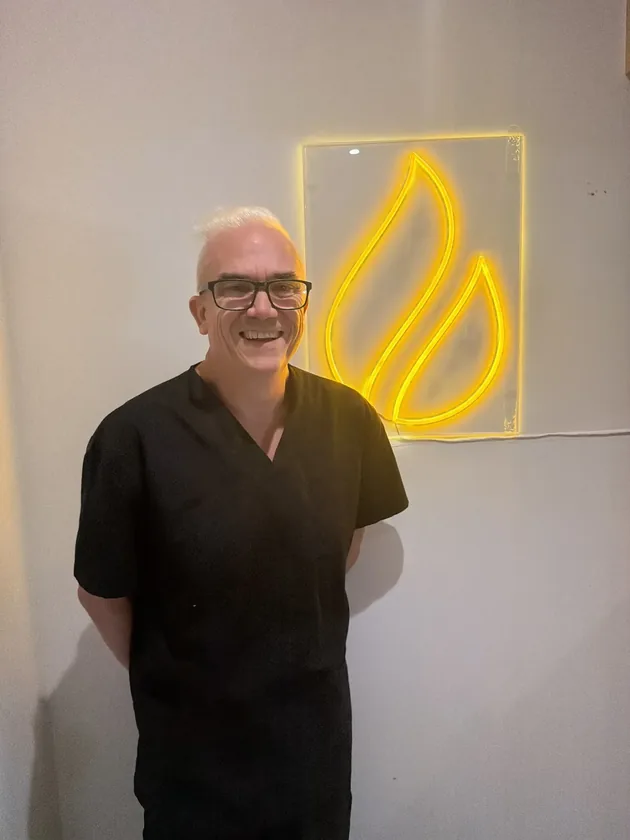
Core Aesthetics is led by Corey Anderson, a Registered Nurse with AHPRA registration NMW0001047575 (registered since January 1996). Corey practises aesthetic medicine on a consultation-first, low-volume model, with a focus on structural facial assessment, conservative planning, and long-term patient continuity.

Core Aesthetics sees a limited number of patients each week by design. This enables thorough consultation, unhurried assessment, and the kind of practitioner-patient continuity that supports good outcomes over time.

All consultations and treatments at Core Aesthetics are performed by Corey Anderson. No treatments are delegated to other practitioners.

Location: Oakleigh, Melbourne

Core Aesthetics is located at 12A Atherton Road, Oakleigh VIC 3166. Oakleigh is easily accessible from the south-eastern suburbs of Melbourne, including Chadstone, Bentleigh, Carnegie, Malvern, Glen Waverley, and Clayton.

The clinic operates by appointment only. Appointments can be booked by phone on 0491 706 705 or via the online booking link.

See also: Core Aesthetics: Cosmetic Consultation in Oakleigh and Finding a Cosmetic Clinic in South-East Melbourne

Frequently asked questions

What happens at an aesthetic consultation at Core Aesthetics?

The consultation involves a structured clinical assessment of your facial anatomy, skin quality, medical history, treatment history, goals, suitability, and risk. The outcome may be a treatment plan, a recommendation to wait, a modified approach, or a recommendation that no treatment is appropriate at this time. The consultation is not a formality before a predetermined result.

Can a consultation end without any treatment being recommended?

Do I need a referral to book a consultation?

No. Aesthetic consultations at Core Aesthetics can be booked directly by phone or online. You do not need a GP referral, though bringing information about any relevant health conditions or medications is helpful for the assessment.

How long does an aesthetic consultation take?

Initial consultations at Core Aesthetics typically run 30 to 45 minutes. This allows sufficient time for a thorough facial assessment, medical history review, and honest discussion of options and suitability. Consultations are not condensed to fit more appointments into the schedule.

What should I bring to my consultation?

It is helpful to bring a list of current medications, any relevant medical history, and an honest description of your concerns and goals. You do not need to prepare anything extensively. Being open to an honest clinical assessment — including the possibility that no treatment is recommended — is the most useful preparation.

Is treatment performed on the same day as the consultation?

Not routinely. At Core Aesthetics, the initial consultation and any subsequent treatment are usually separate appointments. This ensures the consultation is genuinely informative, not condensed to enable same-day treatment. In some circumstances same-day treatment may be appropriate, but this is decided during the assessment — not assumed in advance.

What is meant by a consultation-first model?

A consultation-first model means that thorough assessment and honest clinical advice come before any treatment decision. No treatment is planned or prepared before the consultation has taken place. The aim is to understand the individual patient’s anatomy, history, goals, and suitability — and to give honest guidance about what is and is not appropriate for them.

Written and reviewed by Corey Anderson RN, AHPRA NMW0001047575 · Consultation required · TGA & AHPRA compliant

Begin With A Conversation

Book your consultation.

No commitment, no pressure. A considered first step toward understanding what is and isn’t right for you.

Book Consultation

Elegance, Perfected.