Jaw slimming searches often assume that lower face width comes from one muscle. It may instead reflect masseter size, jaw bone and angle, chin proportion, soft tissue, dental or bite factors, ordinary facial variation, or a mixture. Assessment compares the face at rest and during gentle clenching, separates appearance from pain or grinding, and clarifies whether cosmetic, dental or medical input should shape the lower-face plan.
Why Is “Jaw Slimming” Too Vague To Guide A Clinical Decision?
The phrase can mean at least four different things. One person wants less width near the jaw angles. Another dislikes a heavy jawline in photographs. Someone else is clenching at night and hopes a cosmetic appointment will solve the discomfort. A fourth person is noticing new asymmetry.
Those are not interchangeable requests. The consultation begins by naming the actual concern in plain language, then separating appearance from symptoms and chewing function.
Start With Three Separate Questions
| Question | What to describe | Why it changes the pathway |
|---|---|---|
| Shape | Where the width appears, whether it is even and which views make it noticeable | Muscle, bone, chin balance and soft tissue can create different outlines |
| Symptoms | Pain, fatigue, headache, tooth sensitivity, clicking, locking or a new lump | Dental or medical assessment may need to lead |
| Function | Grinding, clenching, chewing changes, restricted opening or bite concerns | A cosmetic shape discussion does not replace diagnosis or functional care |
What Does A Gentle Clench Show?
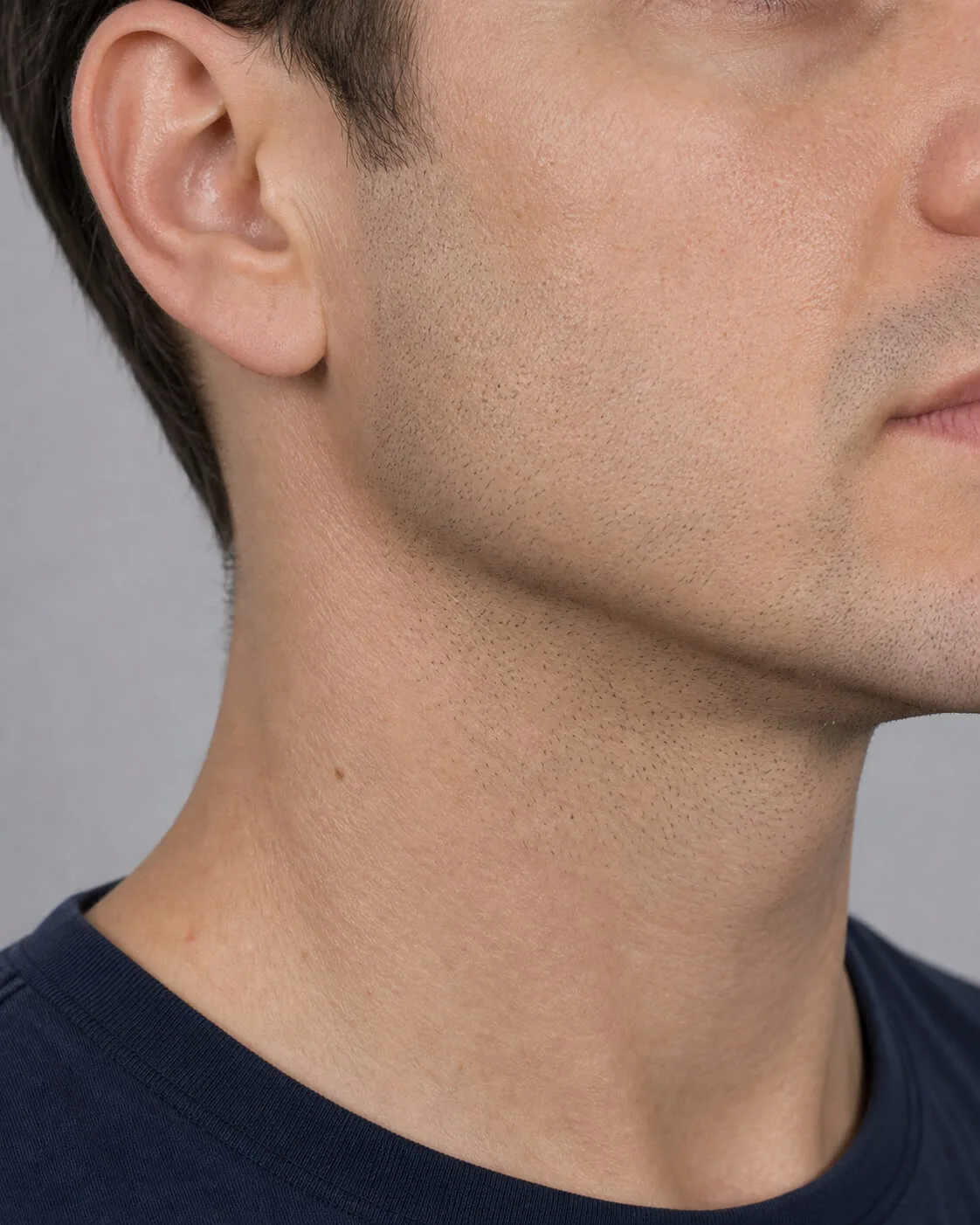
Place clean fingertips lightly over the jaw muscles near the back teeth, keep the face relaxed, then clench gently for a moment. The masseter usually firms under the fingers. This can help you locate the muscle and notice obvious left to right differences.
It cannot tell you why the face is wide, diagnose grinding, prove that the muscle is enlarged or show whether a cosmetic pathway is suitable. Repeated hard clenching adds no useful information and can aggravate an already tired jaw.
Compare Rest, Clench And The Whole Lower Face
| View | Useful observation | Common mistake |
|---|---|---|
| Front at rest | Baseline width, symmetry and chin relationship | Assuming every square outline is muscle |
| Front during gentle clench | Where the masseter becomes visible and whether contraction looks even | Treating contraction as a diagnosis |
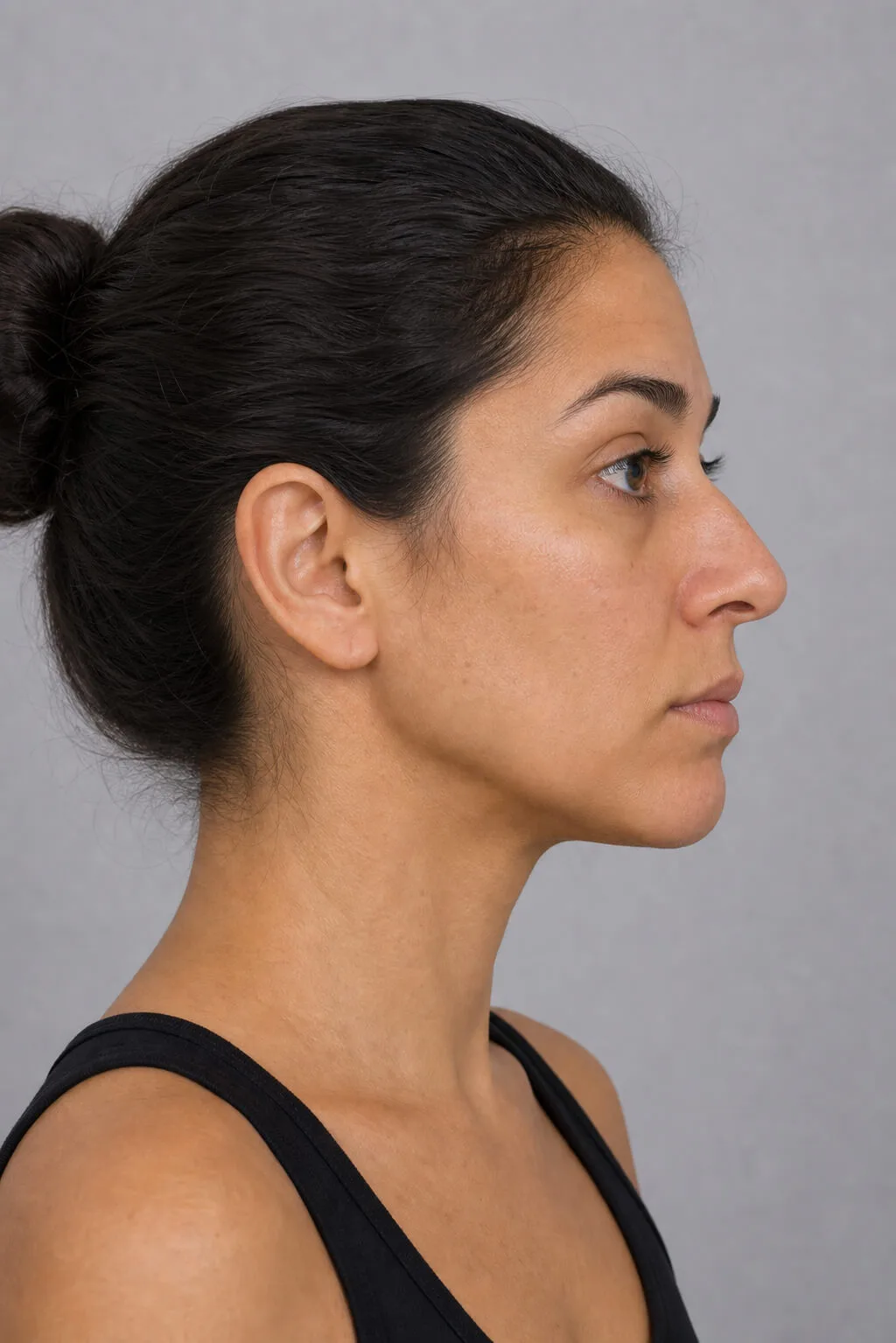
| Side and angled view | Jaw angle, chin projection and soft tissue relationship | Judging one flat photograph without the wider profile |
| Natural speech and chewing history | Function, fatigue and timing of symptoms | Reducing a functional problem to face shape |
Which Findings Belong With A Dentist Or Doctor First?
Book dental review for grinding or clenching concerns, tooth wear, broken restorations, tooth sensitivity, bite changes, jaw joint symptoms or persistent chewing muscle pain. Healthdirect notes that dentists check for signs of bruxism such as tooth wear and damage.
Seek appropriate medical assessment for a new or rapidly changing lump, unexplained one sided swelling, weakness, fever, trauma, marked restriction in opening or symptoms that do not behave like an ordinary long standing appearance concern. A cosmetic page should not normalise a new asymmetry.
Why Is Clenching History Relevant But Not A Shortcut?
Clenching and grinding use the masseter and other chewing muscles. They can coexist with muscle fatigue, dental wear and changes in muscle size, but the cause of an individual person’s lower face width may still be unclear or mixed.
A cosmetic consultation can record the history and explain its boundary. It does not diagnose sleep bruxism, repair teeth, assess every jaw joint disorder or replace a dentist. If symptom relief is the main goal, the dental question should be answered before an appearance plan is allowed to take over.
What Can Corey Responsibly Assess?
Corey Anderson RN can compare the lower face at rest and during gentle contraction, review symmetry, masseter prominence, jaw angle and chin balance, and take a relevant health, medicine, dental and previous care history. He can discuss uncertainty, realistic limits, risks, review access and whether the concern sits within clinic scope.
The outcome can be further cosmetic discussion, records first, dental or medical referral, waiting, review later or a lower-face assessment plan. The page title does not decide that outcome.
Why Can Less Width Be The Wrong Goal?
A person may focus on the outer jaw while the feature they actually notice comes from chin proportion, jaw angle, soft tissue or the contrast between the lower face and midface. Changing one part without understanding that relationship can leave the original concern untouched or make the face feel unfamiliar.
The useful goal is not “as slim as possible”. It is a specific and restrained description of what you notice, what you want to preserve and which trade offs would make intervention not worthwhile.
What Does A Public Treatment Page Leave Out On Purpose?
This page does not name or promote a prescription medicine, product class or dose. Current TGA guidance says health service advertising must not directly or indirectly promote prescription medicines to the public.
Individual options, material risks, alternatives and whether a medicine is appropriate belong in a private consultation with an appropriately trained practitioner. Public education should help you ask better questions, not steer you toward a product.
What Should You Bring To The Consultation?
- A short description of the exact view or situation that concerns you.
- Whether the shape has been stable or has changed.
- Any pain, fatigue, clicking, locking, grinding, tooth wear or bite concerns.
- Relevant dental reports or splint history if available.
- Your medicines, allergies, health conditions and previous cosmetic care.
- Ordinary photographs if they show the issue better than a posed selfie.
How Are Timing, Review And Cost Discussed?
Cost follows assessment because the sensible next step may be dental review, further records, cosmetic discussion, timing or another clinically appropriate pathway. Public unit pricing and product linked packages do not belong on this page.
The appointment begins with assessment, followed by suitable options, timing and an agreed plan. If an individual pathway is discussed, consent should cover alternatives, likely limits, relevant short term effects, uncommon but serious risks, review timing, warning signs and how to contact the clinic.
Use This Lower Face Decision Note
- The concern is mainly shape, symptoms, function or a mixture.
- The width appears most related to muscle, bone, chin balance, soft tissue or remains uncertain.
- Dental or medical assessment is complete, needed first or not indicated from the current history.
- The realistic limits and trade offs are understood.
- The next step is discussion, records, referral, timing or another clinically appropriate pathway.
Take the note to the Melbourne masseter and jaw muscle assessment guide if you want appointment logistics, or read masseter muscle anatomy for an educational explanation.
Verify The Person Reviewing Your Jaw History
Core Aesthetics consults at 12A Atherton Road, Oakleigh VIC 3166. Consultations are led by Corey Anderson RN, Ahpra registration NMW0001047575. Compare those details with the independent Ahpra register and the clinic verification page.
This page was reviewed on 5 September 2026 against current Ahpra cosmetic procedure guidance, 5 September 2026 TGA health service advertising guidance, Healthdirect bruxism information and clinical literature on masseter hypertrophy and craniofacial structure.
Questions About Jaw Muscle And Lower Face Width
Does a wide lower face always mean large masseter muscles?
No. Lower face width can reflect muscle size, jaw bone and angle, chin proportion, soft tissue, ordinary facial variation or several factors together. Assessment should not assume one cause from a photograph.
Can gently clenching diagnose masseter enlargement?
No. Gentle clenching can help locate the muscle and compare contraction, but it cannot diagnose enlargement, explain the cause of width or establish suitability for a cosmetic pathway.
Should I see a dentist about grinding or clenching?
Yes, dental review is appropriate when grinding, clenching, tooth wear, broken restorations, sensitivity, bite change, jaw joint symptoms or persistent chewing muscle pain are concerns.
Can a jaw slimming consultation treat bruxism?
This page does not promise bruxism treatment. Bruxism is a dental and health question that may require dental assessment. Corey can record the history and explain when referral should lead.
Why does chin balance matter in a jaw muscle assessment?
The chin, jaw angle and surrounding soft tissue affect how lower face width is perceived. Focusing on one muscle without the wider relationship can misunderstand the feature the person actually notices.
What new symptoms should not wait for a cosmetic appointment?
A new or rapidly changing lump, one sided swelling, weakness, fever, trauma, marked restriction in opening or another unusual symptom needs appropriate medical or dental assessment rather than routine cosmetic planning.
Can care happen at the first consultation?
The appointment begins with assessment, followed by suitable options, timing and an agreed plan. The assessment must be complete, the pathway must sit within scope, and risks, alternatives, consent and clinical appropriateness must all support proceeding.
How is jaw slimming pricing discussed?
Cost is discussed after the pathway is clearer. The appropriate next step may be records, dental or medical review, cosmetic discussion, timing or another clinically appropriate pathway.
What should I bring to a lower face consultation?
Bring relevant health and medicine details, dental history, any reports or splint history, previous cosmetic care and a clear description of whether the concern is shape, symptoms, function or a mixture.
Can a lower face assessment change the jaw slimming plan or lead to another professional?
Yes. A lower-face assessment plan may be appropriate when another professional should lead, the cause remains uncertain, the likely limits do not fit the goal or the trade offs do not justify intervention.
Sources And Clinical References
- Ahpra: Practitioner guidelines for cosmetic procedures
- Ahpra: Advertising guidelines for higher risk cosmetic procedures
- TGA: Advertising health services that involve therapeutic goods
- Healthdirect: Teeth grinding and bruxism
- Benign masseter muscle hypertrophy
- Craniofacial skeletal patterns and masticatory muscles: systematic review
Is this for you?
Consider booking a consultation if
- Adults concerned about stable lower face width
- People unsure whether masseter, jaw angle, chin or soft tissue is dominant
- Readers willing to separate cosmetic shape from dental symptoms
- People open to exploring jaw movement, muscle function and lower-face balance, suitable options, timing and review needs
This may not be for you if
- Diagnosis of grinding, pain or jaw joint disorders
- A new lump, swelling, weakness or restricted opening
- A promise of facial slimming
- A product or dose recommendation
Suitability is confirmed at consultation. This list is general guidance, not a substitute for clinical assessment.