
CHIN TREATMENT CONSULTATION · OAKLEIGH, MELBOURNE
Your chin looks set back, uneven or different in profile.
Chin appearance is shaped by how far the chin projects, its width, height and contour, the soft tissue over it, movement during speech or lip closure, and its relationship with the lips and the area beneath. A consultation separates those causes by comparing front, angled and profile views, at rest and in ordinary movement, before any cosmetic option is discussed.
Initial consultation at no charge. Generally 30 minutes. No pressure to proceed.
ANATOMY ORIENTATION
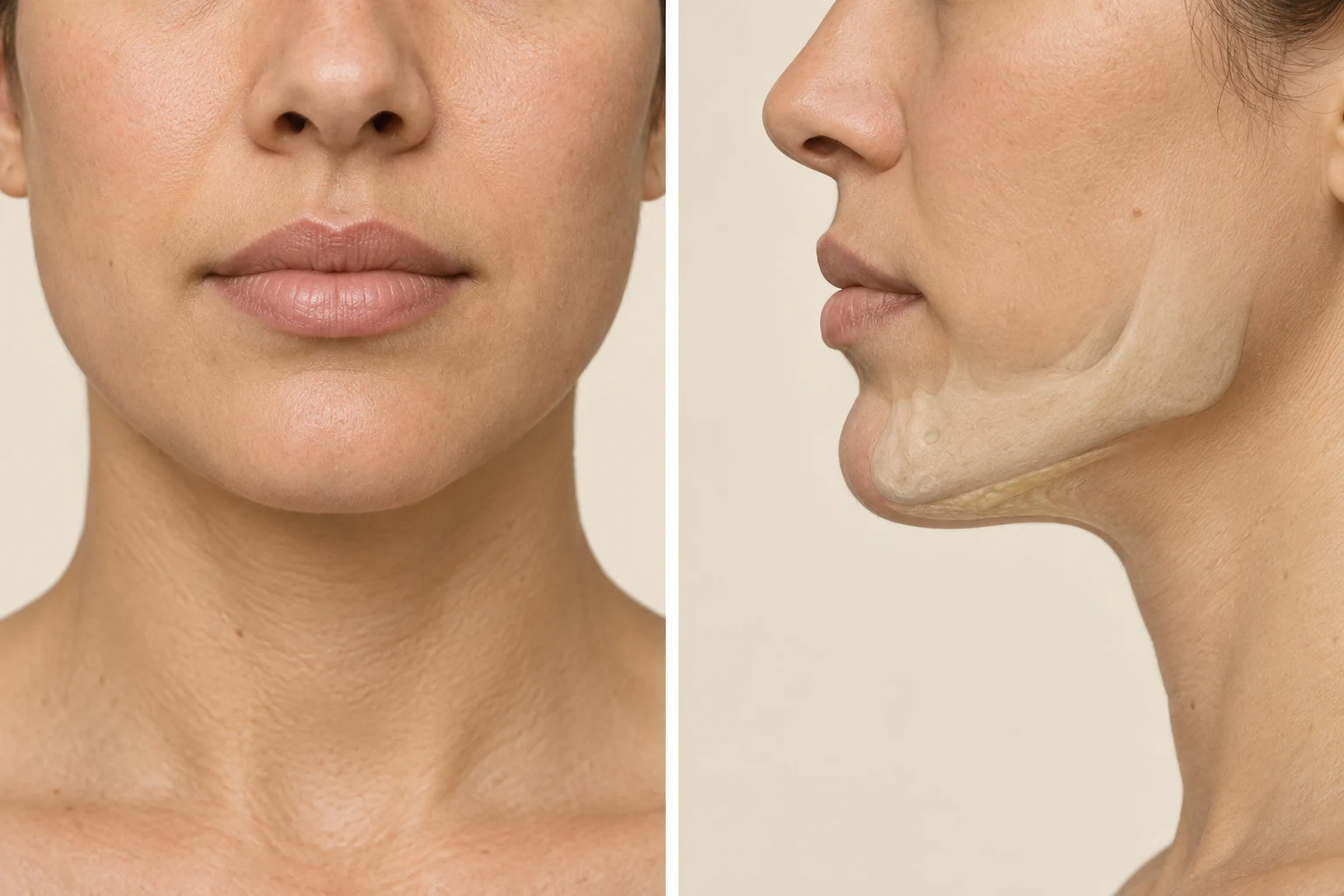
CHIN ASSESSMENT QUESTIONS
What can make my chin look set back or less defined?
A chin can look set back or less defined because of its natural projection, width or height, the soft tissue over it, or the way it relates to the lips and the area beneath the chin. Lighting and viewing angle can change how strongly these relationships appear. Corey compares front, angled and profile views rather than deciding from one photograph, and does not treat one profile measurement as a universal ideal.
Is chin projection the same as chin shape?
No. Chin projection is how far the chin sits forward in profile; chin shape also includes width, height, contour and symmetry. Looking from the front, side and an angle helps separate those questions. A chin can project well but look narrow or uneven, or look balanced from the front and set back from the side. Changing one dimension cannot be assumed to change the others, so the consultation first identifies which change is actually being discussed. See the broader jawline and chin guide.
Will making my chin more defined also make it look larger?
Not necessarily. More defined can mean a clearer border, a different proportion or stronger forward projection, and those changes do not look the same from every angle. If a clinically appropriate option is intended to increase projection, the chin may look more prominent in profile without increasing its width; an option for surface movement would address a different finding. Corey asks which view concerns you, what you want preserved and what visible change would feel like too much. An exact final shape cannot be promised.
Is fullness under my chin the same as a chin-shape concern?
No. The chin is the part of the lower jaw that projects at the front; fullness underneath it sits between the chin and upper neck. Skin, fat and muscle can affect this area, and a chin that sits farther back can change its appearance in profile. A photograph cannot reliably show which structures are contributing. Corey examines the chin and the area underneath separately before discussing what, if anything, needs attention.
Why does Corey assess my chin at rest and while I talk?
Rest and movement can reveal different concerns. Speech, pouting and bringing the lips together recruit muscles around the lower lip and chin, so a smooth resting surface may gather or crease in motion. Corey observes ordinary speech and comfortable lip closure rather than asking you to force an exaggerated expression, then keeps movement findings separate from projection and fixed skin texture.
What if my lips do not close comfortably or my bite feels wrong?
Difficulty closing the lips comfortably or a change in your bite needs a broader assessment than chin appearance alone. Tooth position, bite, jaw relationships and lip dimensions can be relevant, and the chin muscle may work harder during effortful closure. Mention mouth breathing, chewing or swallowing difficulty, jaw pain, recent dental changes and planned orthodontic work. A dentist, orthodontist, GP or another appropriate practitioner may need to assess the cause before cosmetic planning.
Will changing the chin also fix my jawline or the area underneath it?
It cannot be assumed to. Chin projection may change how the lower face reads in profile, but it does not establish that a jowl, jawline border, neck transition or under-chin concern will change. Corey identifies which visible feature belongs to the chin and which needs a separate assessment, then explains the limits of any option before you decide.
What if my chin changed after previous cosmetic or dental care?
A change after previous care needs a clear history before anything new is considered. Bring dates, treated areas, provider details and records if available, and describe what changed in profile, surface, movement, sensation or lip closure. An unknown product or amount should stay recorded as unknown rather than being guessed. Advice may be to wait, obtain records or arrange review with the original provider, a dentist or another clinician.
YOUR APPOINTMENT
What happens at a chin treatment consultation?
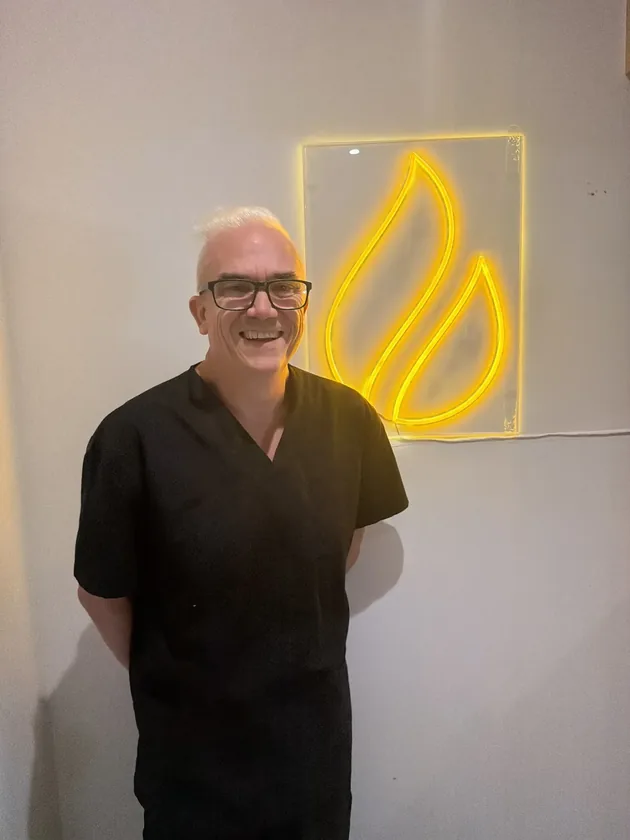
Allow around 30 minutes with Corey Anderson RN at 12A Atherton Road, Oakleigh. Your initial consultation is at no charge. Corey asks about your health, dental history and previous care, then compares your chin from the front, side and angled views, at rest, while you talk and as you gently close your lips. He explains what may be causing the concern, suitable options and their limits, risks, recovery and alternatives. Itemised costs are explained and agreed before any treatment.
Can I attend for information only and decide later?
Yes. You can use the whole appointment for information and questions, then take time to decide. There is no pressure or obligation to proceed.
If you want treatment that day, it can usually be arranged after the consultation if it is suitable for you, required clinical arrangements are complete, you have given informed consent and costs are agreed. If another day is needed, Corey explains why and what happens next. Booking does not commit you to treatment.
What should I bring, and when should I book?
Bring your medicine and supplement list, health and dental history, and details of previous facial or dental care. Mention allergies, pregnancy or breastfeeding, skin problems, pain, swelling, numbness, a changed bite, difficulty closing your lips and planned dental or orthodontic work. Older unfiltered photographs can help show what has changed, but are optional. Do not stop prescribed medicines unless your treating clinician advises it.
For an event, book the consultation around 2 to 3 weeks beforehand as a starting point and mention travel. Treatment, recovery, review or dental assessment may need longer. If you cannot find a suitable appointment, call or message the clinic. The event date does not make treatment suitable or promise a particular result.
Is this appointment suitable for you?
A chin that looks set back, narrow, uneven or different in profile does not mean treatment is needed. Advice may include leaving normal anatomy alone, observing change over time, waiting after previous care, obtaining records, or arranging dental, orthodontic, medical or surgical assessment when the concern falls outside a cosmetic chin pathway.
Risks depend on the care being considered and your health history. Before deciding, ask what unwanted changes could affect chin contour, symmetry, lower-lip movement, lip closure, speech or sensation; what short-term effects and potentially serious complications are relevant; what aftercare and warning symptoms matter; and how review or complication care would be accessed. No exact shape, profile change or complication-free course can be promised.
CORE AESTHETICS · OAKLEIGH
Book a chin
consultation.
Book a chin consultationHave a booking question? Message us on WhatsApp Find us in Oakleigh.
Core Aesthetics12A Atherton Road
Oakleigh VIC 3166Get directions
No pressure. No obligation.
You can use the whole appointment for information and leave without treatment.