
CORE AESTHETICS · OAKLEIGH VIC
What happens at a wrinkle consultation?
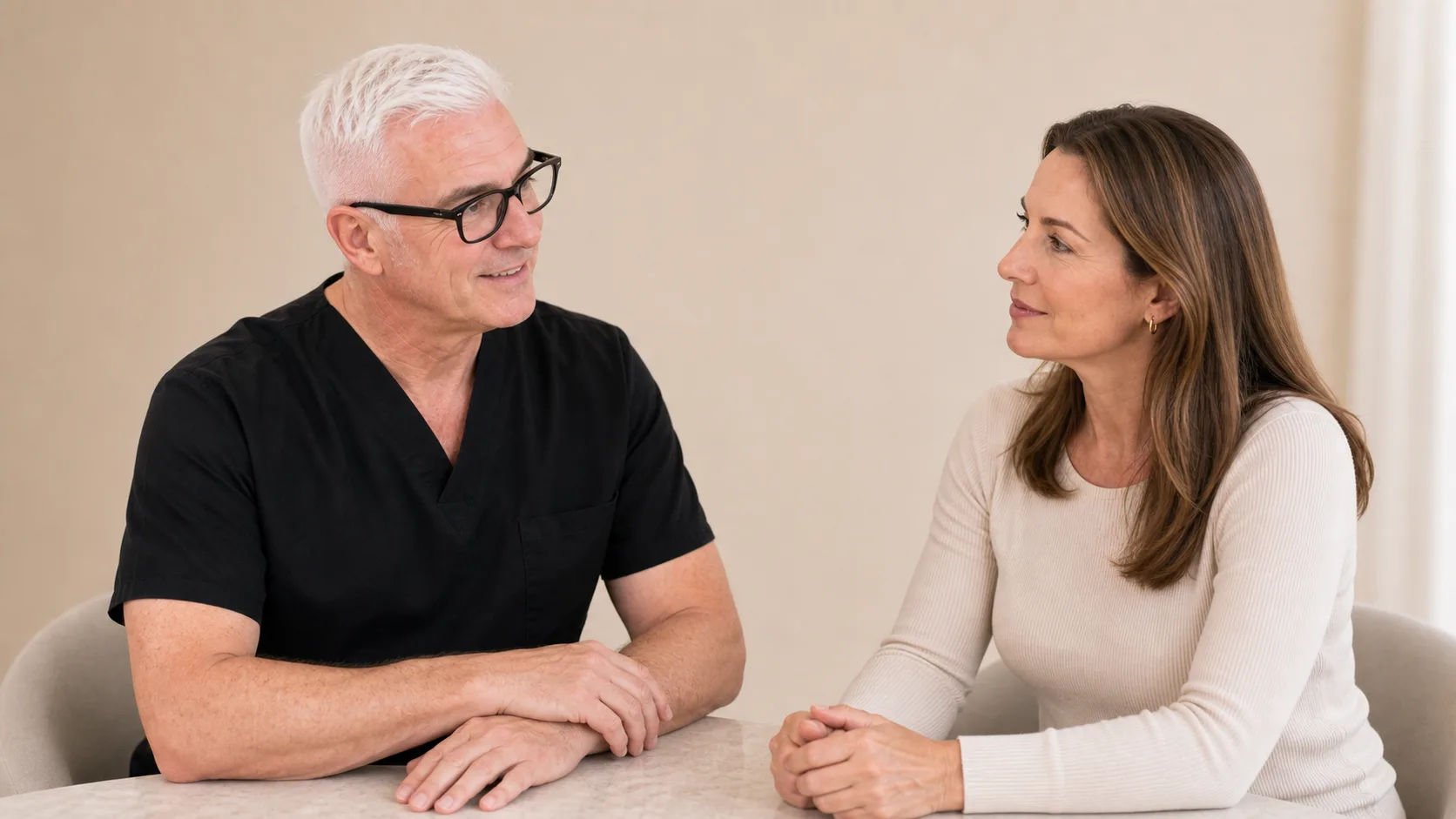
Corey Anderson RN examines your lines at rest and while you make ordinary expressions, then explains what may be causing them and what may help. You also discuss your health, what you want to keep unchanged, risks and costs. The initial consultation is at no charge and generally takes 30 minutes. You can use it for information only.
No pressure. No obligation to proceed.
QUESTIONS ABOUT YOUR WRINKLE CONSULTATION
What should I tell Corey about my lines?
Point out the line that bothers you and say when you notice it: while smiling, when concentrating, in photographs or even with your face relaxed. Mention when it appeared and whether it has changed. For example, a frown crease that remains after you relax is a different question from lines that show only when you raise your eyebrows. You do not need to know a treatment name or diagnose the cause before booking.
What health information should I bring?
Bring your medicine and supplement list, allergies, relevant health conditions and records of previous cosmetic care if available. Mention recent illness, skin problems, eye symptoms, dental work and any previous difficulty with treatment or recovery. Tell Corey if you are pregnant or breastfeeding so advice is specific to your circumstances. These details can change what is suitable and when. Do not stop prescribed medicines to prepare for the appointment unless your treating clinician advises it.
YOUR APPOINTMENT
How does Corey examine my wrinkles?
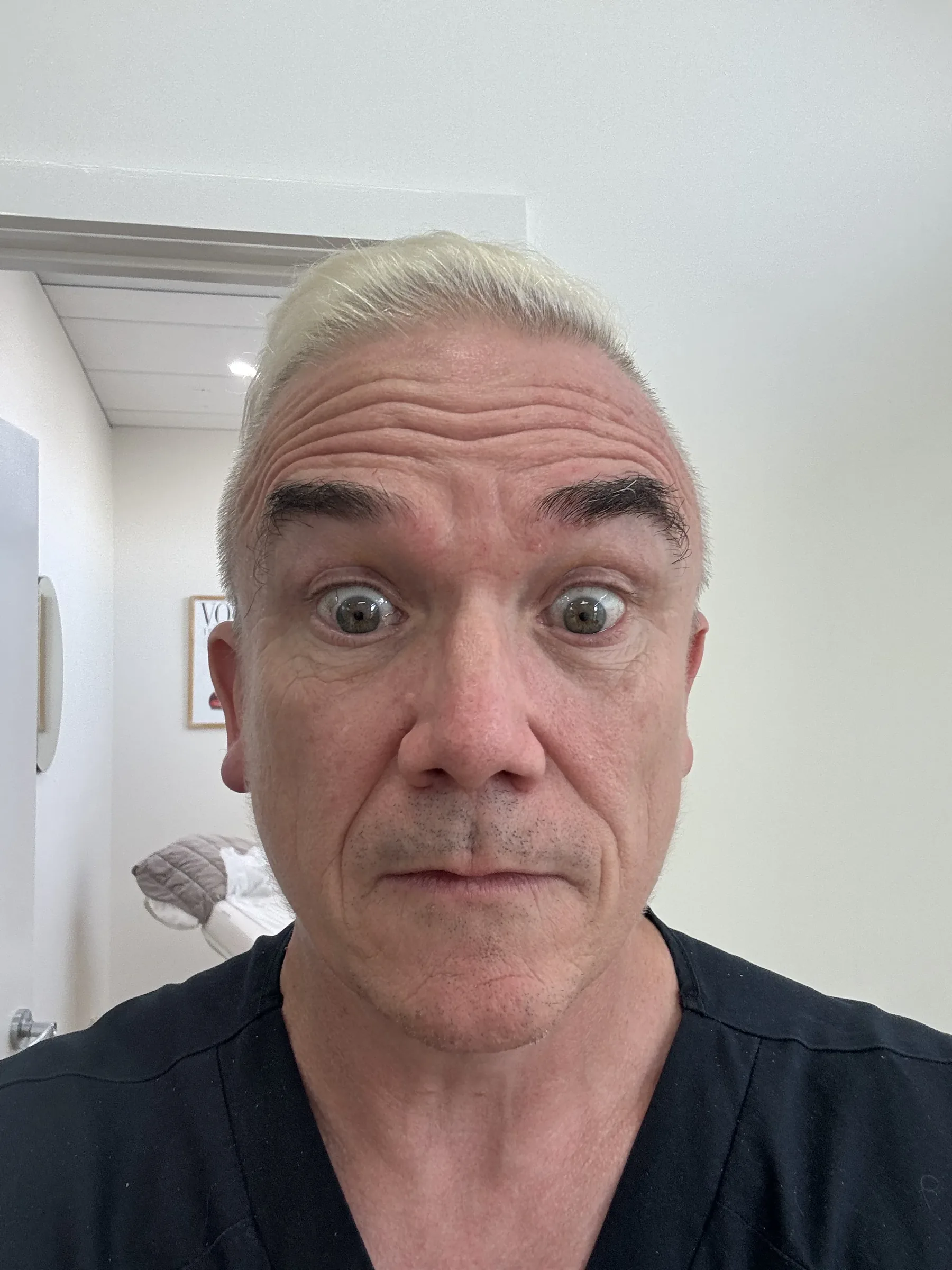
He compares your face at rest with comfortable movements such as raising your eyebrows, frowning and smiling. This shows which lines appear with expression and which remain afterwards. For forehead concerns, he also checks how your brows and eyelids move together; looking at the crease alone can miss that relationship. The brow and upper-eyelid anatomy and facial-lines guidance explain why. Use your normal expressions rather than straining. Tell Corey if a movement is uncomfortable, and ask him to explain what he notices.
Can I keep my usual facial expression?
Keeping your expression can be a priority in the discussion, but no option can promise an exact degree of movement or an unchanged appearance. Tell Corey what matters to you, such as keeping an expressive brow or your usual smile. He explains whether a proposed change could affect those features and whether the trade-off is acceptable to you. If the available options do not fit your preferences, choosing no treatment is reasonable.
Will I find out which lines can improve?
Corey explains what may improve, what is likely to remain and why; he cannot predict your exact result. Lines made mainly by expression, established creases and fine skin texture can have different contributors, including sun damage and changes in facial support. A single approach may not address them all. The recommendation may involve skincare, a treatment discussion, waiting or another health professional. Ask what an option would leave unchanged as well as what it might help.
What should I understand before I leave?
You should understand what Corey found, his recommendation and the next step. Before leaving, check that you can answer:
- What seems to be contributing to my lines?
- What could the suggested option change, and what are its limits?
- What are the risks and alternatives, including no treatment?
- What recovery, aftercare or review would I need?
- What are the itemised costs, and who should I contact with questions?
If more records or another assessment are needed, clarify who will arrange them. You can take notes and take time to decide.
How long does the consultation take?
The initial consultation generally takes 30 minutes and is provided at no charge. That time is used to hear your concerns, review relevant health information, examine the area and answer your questions. If suitable treatment is also being considered, its timing depends on what is involved. Tell the clinic when booking if you have a firm departure time or several concerns to discuss.
Will I know the cost before agreeing to treatment?
Yes. Corey explains an itemised breakdown and agrees the costs with you before treatment begins. Say if you have a budget, and ask what the quote includes, whether review has a separate cost and what any later care might cost. A recommendation does not commit you to every option discussed. You can choose to leave with information only.
What happens if I want treatment that day?
Treatment can usually take place at the end of your consultation if it is suitable for you. The required clinical arrangements must be complete, risks explained, informed consent given and itemised costs agreed. If treatment needs to happen another day, Corey explains why and what needs to happen next. There is no pressure to proceed, even when time is available.
Can I come if I have already had treatment elsewhere?
Yes. Bring dates, records and any previous plan you want to discuss, along with what you liked or disliked about the experience. Earlier care can affect how the area looks and moves now, so Corey reviews the current situation before recommending a next step. If the details are unknown, he may need records before advising further.
When should I book if I have an event coming up?
Book the consultation around 2 to 3 weeks before the event as a starting point, and mention any travel. Some options need longer for recovery or review, so this is not a promise that treatment will be suitable or settled by your event. If you cannot find a suitable appointment, call or message the clinic to discuss timing. Corey will explain if waiting until after the event makes more sense.
CORE AESTHETICS · OAKLEIGH
Book your consultation
Choose an available appointment with Corey. If you are unsure which appointment to select, call or message the clinic.
View available appointments