You may be ready to book an expression line consultation when you can describe the concern without choosing a product, provide a reliable health and previous care history, allow time for review, and accept that the answer may be adjusted timing, review with another health professional or no procedure. Prepare first if key dates, medicines, symptoms, costs or calendar constraints are unclear. Use another health pathway before cosmetic consultation when a new or changing symptom needs medical assessment.
What Is The Short Answer?
You may be ready to book an expression line consultation when you can describe the concern without choosing a product, provide a reliable health and previous care history, allow time for review, and accept that the answer may be adjusted timing, review with another health professional or no procedure. Prepare first if key dates, medicines, symptoms, costs or calendar constraints are unclear. Use another health pathway before cosmetic consultation when a new or changing symptom needs medical assessment.
Readiness does not mean you know which procedure you want. It means the important uncertainties are visible enough for a registered practitioner to assess rather than being hidden by a preset request.
Which Of The Three Outcomes Fits Today?
| Outcome | What is true now | Useful next step |
|---|---|---|
| Book a consultation | You can describe the concern, provide the relevant history, protect review time and hear a no | Reserve assessment time and bring your readiness note |
| Prepare first | A record, medicine list, date, budget question or calendar conflict can be clarified | Close the specific gap, then reconsider booking |
| Use another pathway | The concern is new, changing, painful, functionally unusual or needs medical assessment | Contact an appropriate health service rather than using a cosmetic appointment as triage |
What Goes On The Readiness Note?
Use one page with five lines. Write the concern in your own words, what you want to preserve, relevant health and previous care details, the next six weeks of travel or important commitments, and the questions that could change your decision.
| Line | Write | Do not invent |
|---|---|---|
| Concern | Where and when you notice the line or movement | A diagnosis or treatment name |
| Preserve | Expressions, features or degree of change you do not want to lose | A promised appearance |
| History | Medicines, allergies, relevant conditions and previous cosmetic care | Unknown product, quantity or date |
| Calendar | Travel, events and realistic review availability | A recovery timetable copied from another person |
| Decision questions | Risks, alternatives, limits, costs and reasons to wait | An assumption that a procedure must follow |
How Specific Should The Concern Be?
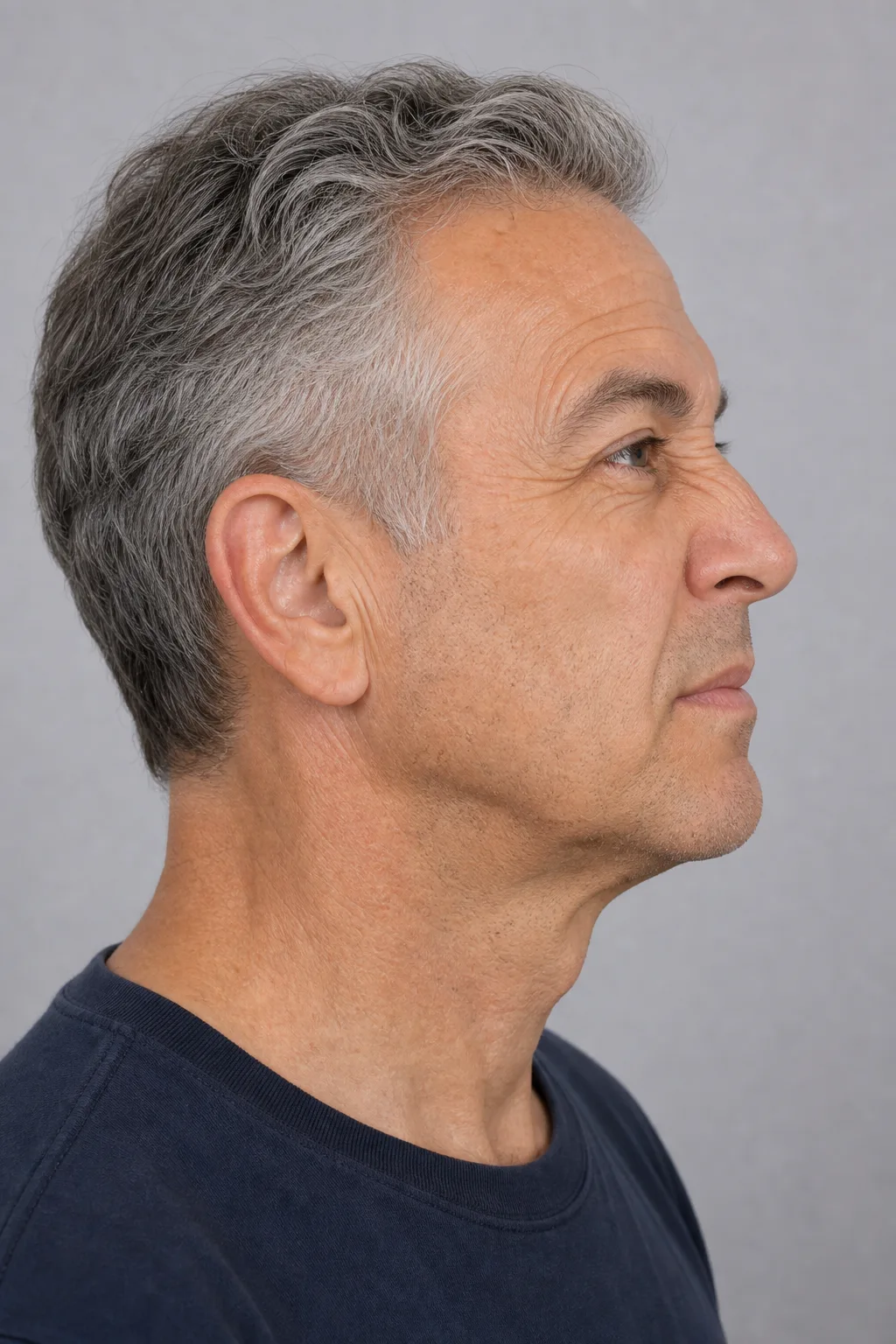
Specific enough to point, describe and time; not so specific that you have diagnosed the cause. You might note that a line appears when concentrating, stays visible after the face relaxes or has changed over a particular period. Those are observations for assessment.
Do not use a mirror, selfie or online diagram to decide that one muscle, product or dose is the answer. Lighting, angle, habitual expression, skin surface and surrounding anatomy can change what a picture seems to show.
What Does It Mean To Preserve Something?
A useful consultation is not only about what you want changed. Write what should remain recognisably yours: the ability to make an ordinary expression, a feature you like, a degree of movement or simply the option to do nothing after hearing the information.
This gives Corey a boundary to explore. It is not an outcome promise. Anatomy, risk and suitability still decide what can responsibly be discussed.
If you arrived through a “preventative wrinkle” search, use the same readiness test. The phrase does not prove that acting earlier will prevent a future line. Name the present movement or resting concern, what you want to preserve and what evidence would change your decision. Waiting remains a valid outcome.
When Is The History Ready Enough To Book?
You do not need a perfect archive, but you should be able to identify current medicines, allergies, relevant conditions, recent health changes and previous cosmetic care that could affect timing or assessment. Bring original records when they are available.
If a recent date, product record, reaction or follow up instruction is missing, request it rather than guessing. The clinic transfer packet guide explains how to separate documents from memory.
How Does The Calendar Change Readiness?
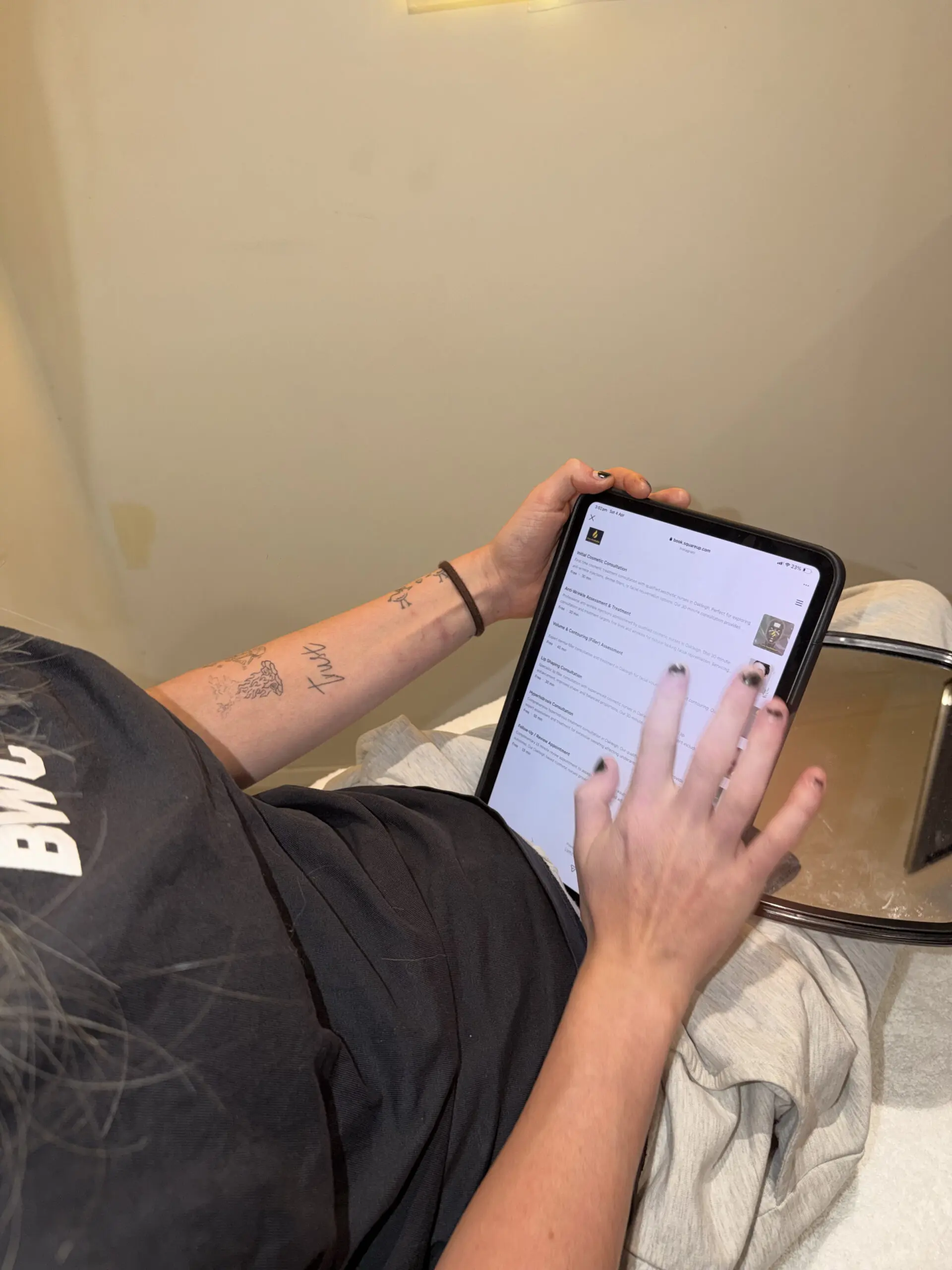
Look beyond the appointment itself. Travel, a major event, caring responsibilities or a period when you cannot return may make the timing poor even when the concern is straightforward. A first visit is not the only possible contact.
Keep enough flexibility for questions, review or a decision to wait. Do not assume a public recovery estimate applies to you before an option, risk profile and aftercare plan have been discussed.
What Must Be Clear About Cost?
Read the current consultation fee before booking and ask what it covers. If a procedure is later considered, financial consent should address the total cost, maintenance context, deposits, refund terms, follow up costs and possible additional care rather than a single headline figure.
Ahpra guidance places costs inside informed consent. A price can help you decide whether to consult, but it cannot establish suitability or tell you what should be done.
How Do You Test Decision Readiness?
Ask yourself whether you could leave with information only. If the honest answer is no, identify the pressure. It may be an event date, sunk cost, comparison with another person, anxiety about ageing or a belief that booking creates an obligation.
That pressure belongs in the conversation. A responsible consultation can end with more time, records review, referral or no cosmetic procedure. Being able to hear those options is part of readiness.

Which Questions Could Change Your Decision?
Bring questions whose answers matter. Ask what Corey needs to observe, what cannot be concluded from a photograph, which risks are relevant to your health and anatomy, what alternatives exist, what degree of change may be unrealistic, how review works and what would make waiting preferable.
If every answer would lead you to proceed anyway, the list is not yet doing its job. Consent needs a real choice.
When Should Cosmetic Consultation Not Be The First Stop?
A new or worsening symptom, pain, visual change, weakness, altered sensation, skin infection, rapidly changing swelling or a concern about facial function needs an appropriate medical pathway rather than an appearance focused booking. A cosmetic page cannot triage or diagnose those changes.
Call triple zero for severe or life threatening symptoms. For concerns that are not urgent, contact a suitable health practitioner or service and explain what has changed.
What Happens If You Book?
The approved six checkpoint consultation guide owns the in room sequence: define the question, screen health and timing, compare rest with movement, record what should be preserved, discuss risks and alternatives, and write the next step.
This page stops before that door. Its job is to help you decide whether booking now is sensible and what to prepare if it is.
Which Wrinkle Page Answers Which Question?
| Your question | Read | Page owner |
|---|---|---|
| Am I ready to book? | This readiness guide | Book, prepare or another pathway |
| What happens in the room? | Six consultation checkpoints | The appointment sequence |
| What am I seeing at rest and in movement? | Movement, rest and context | Observation before a plan is discussed |
| What should I ask any practitioner? | Questions before consultation | General practitioner and consent questions |
How Do You Verify The Clinic And Practitioner?
Core Aesthetics consults at 12A Atherton Road, Oakleigh VIC 3166. The clinic identifies Corey Anderson as a registered nurse, Ahpra registration NMW0001047575. Match those details on the verification page and live Ahpra register before booking.
Registration is one check. Ask about relevant education, experience, scope, responsibilities and the review pathway for the option being discussed.
Why Does The Public Page Avoid Product Selection?
TGA guidance updated on 18 June 2026 explains when health service advertising can also advertise therapeutic goods. This page discusses the decision and consultation pathway without listing or comparing prescription products.
A private consultation may include medicine specific information when an authorised practitioner considers it relevant. Public search language should not make that decision in advance.
Which Sources Were Checked?
Readiness, consent, risk, alternatives, practitioner information, cost and follow-up statements were checked against current Ahpra guidance. Practitioner identity can be checked on the live Ahpra register. The public advertising boundary was checked against current TGA guidance.
This page was reviewed on 1 September 2026 by Corey Anderson RN.
Expression Line Consultation Readiness Questions
How do I know if I am ready to book an expression line consultation?
You may be ready when you can describe the concern, provide relevant health and previous-care information, protect time for review and accept that adjusted timing, review with another health professional or no procedure may be appropriate. You do not need to choose a product or treatment first.
What should I prepare before booking?
Prepare a current medicines and allergy list, relevant health history, previous cosmetic care dates or records, upcoming travel or events, the concern in your own words and questions about risk, alternatives, limits, costs and review.
Should I book if I cannot remember my previous treatment details?
If the missing information is recent or could affect timing, risk or follow-up, request the record before assuming it is unimportant. Label remembered details as uncertain. A consultation can also be used to identify which records are still needed.
Do I need to know which wrinkle treatment I want?
No. Arrive with an observation and a decision question, not a product selection. Corey needs to assess movement, rest, skin, surrounding anatomy, health history, previous care, timing, expectations and risk before discussing whether any option is appropriate.
Can I use an upcoming event as the reason to book now?
An event can be part of the calendar discussion, but it should not create pressure to proceed. If there is not enough time for assessment, uncertainty, recovery or review, waiting until after the event may be the more responsible choice.
What if I only want information?
That is a valid reason to consult. Tell Corey that your aim is to understand the concern, risks, alternatives and limits. You can leave without proceeding, and information only may be the complete outcome.
Can treatment be discussed at the same appointment?
Sometimes, if Corey considers it clinically suitable and appropriate after assessment and informed consent. It is not automatic. Missing history, timing, uncertainty, risk or the need for another pathway can make waiting more appropriate.
When should I seek medical assessment instead?
Use an appropriate medical pathway for new or worsening pain, visual change, weakness, altered sensation, infection, rapidly changing swelling or a concern about facial function. Call triple zero for severe or life threatening symptoms.
Is this for you?
Consider booking a consultation if
- You are deciding whether assessment is the next useful step
- You can prepare health, previous-care and calendar information
- You want to ask questions without choosing a product first
- You accept that adjusted timing, review with another health professional or no procedure may be appropriate
This may not be for you if
- You need assessment of a new or worsening medical symptom
- You want a public page to select a prescription product
- You cannot allow time for review or a change of plan
- You feel committed to proceeding regardless of the answers
Suitability is confirmed at consultation. This list is general guidance, not a substitute for clinical assessment.