
FROWN LINE CONSULTATION · OAKLEIGH, MELBOURNE
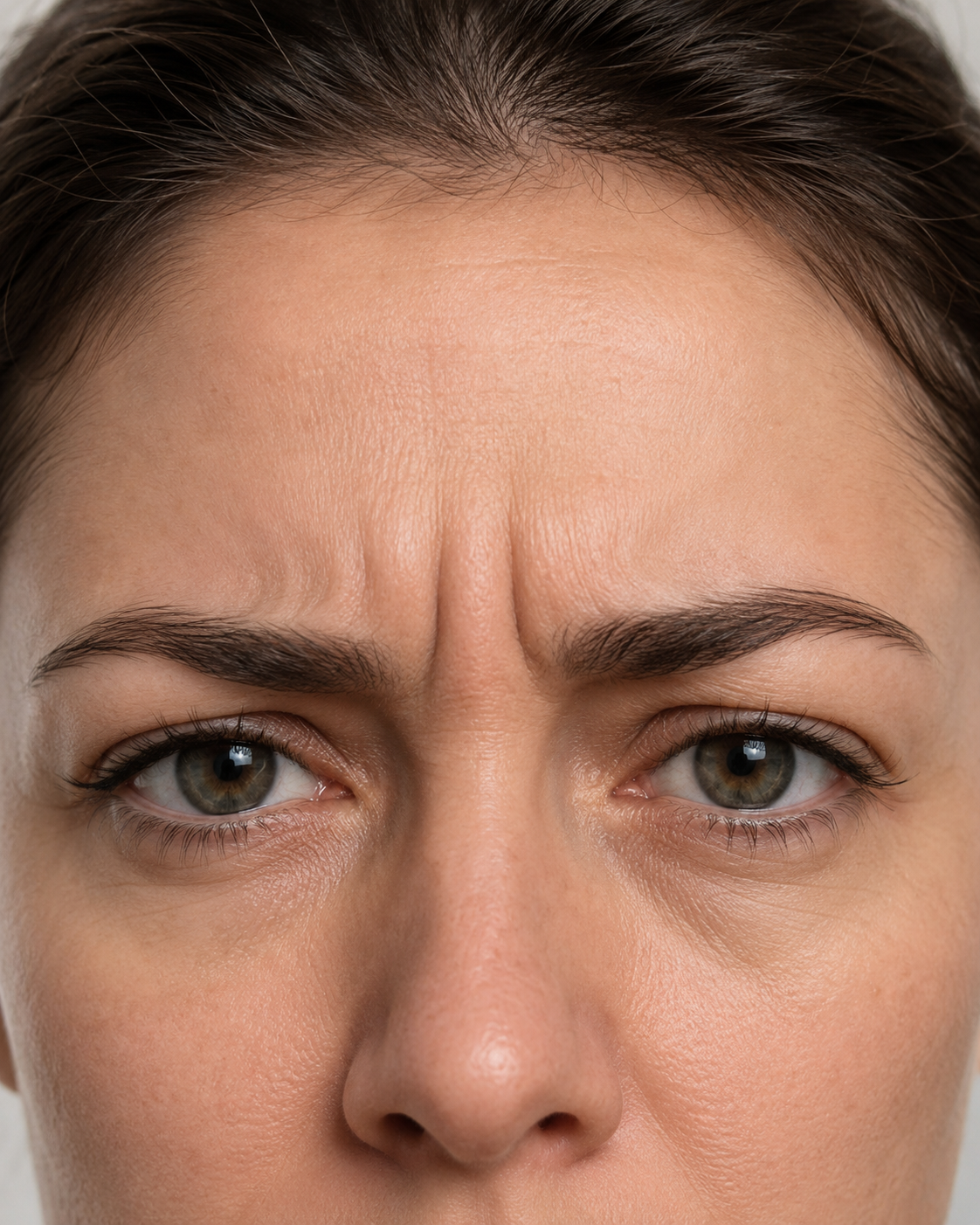
Frown lines between the brows.
Frown lines are the creases between your eyebrows. You might notice them when concentrating, or see a mark even when your face is relaxed. A consultation in Oakleigh looks at that difference, your brow movement and what you would like to change or keep.
Initial consultation at no charge. Generally 30 minutes. No pressure to proceed.
FROWN LINE AND BROW QUESTIONS
What are frown lines?
Frown lines are usually vertical creases between the eyebrows, in an area called the glabella. They form as the muscles draw the brows together and fold the skin, as described in the facial anatomy reference.
Why can I see a line when I am not frowning?
Repeated folding can leave a crease in the skin even after the muscles relax. As skin ages and accumulates sun damage, it can show wrinkles more readily. You can have both movement lines and a resting crease in the same area. A line between your brows does not prove that you are still frowning or feeling stressed or angry.
Are frown lines different from forehead lines?
Yes. Frown lines sit between the brows and become more pronounced as you draw them together. Forehead lines run horizontally above the brows as you lift your eyebrows. The areas move together during expression, so Corey checks the surrounding forehead, brows and eyelids even when your main concern is between the brows.
Can skin care soften frown lines?
These steps care for the skin, but they cannot be relied on to erase a deep crease or prevent the skin folding when you frown. The American Academy of Dermatology gives the relevant skin-care limits.
What if the line is deep or always visible?
A deep resting line involves a crease in the skin, not just the movement that folds it. That is why reducing how strongly the area moves would not necessarily remove the mark. Corey checks the line at rest, skin quality and brow movement before explaining what might change and what may remain. Depth alone does not establish which option is suitable. Complete removal cannot be promised, and you can decide that a limited change is not worth the risks or cost.
Why do my brows and eyelids matter?
The muscles around the frown area also contribute to brow position; see the brow-muscle anatomy reference. Corey checks how your brows sit and move, and asks about eyelid heaviness or changes after earlier care. Explain what you want to keep, such as your usual expression when concentrating. Preserving a familiar expression is a preference to plan around, not an outcome anyone can promise.
YOUR APPOINTMENT
What happens at a frown line consultation?
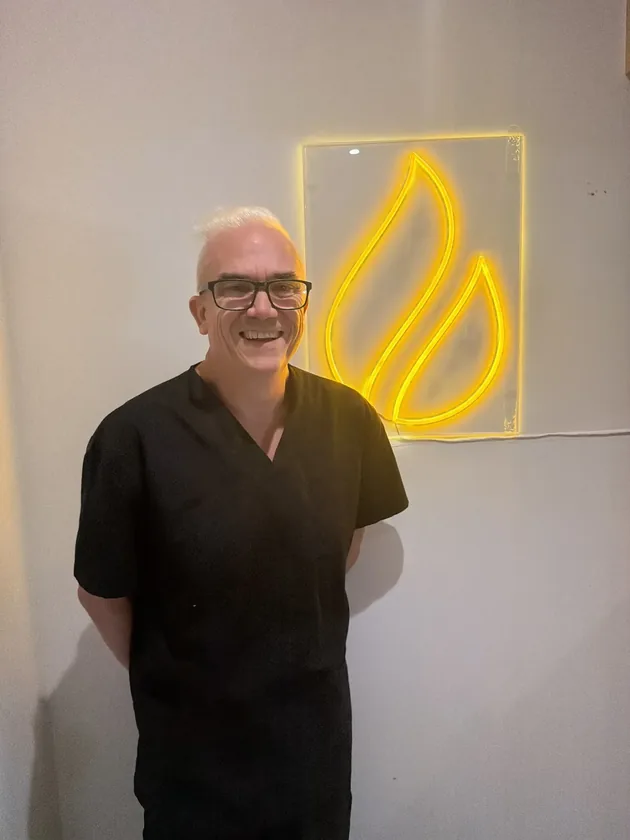
Corey compares the area while relaxed and during a comfortable frown, then checks forehead movement, brow position and eyelid context. Read the forehead-lines consultation for the neighbouring upper-face question.
What happens if I want treatment that day?
Treatment can usually be arranged at the end of your consultation. It can proceed once Corey confirms it is suitable for you, the required clinical arrangements are complete, you have given informed consent and costs are agreed. If treatment needs to be scheduled for another day, Corey explains why and what needs to happen next. You can also leave with information only, with no pressure or obligation to proceed.
When should I book if I have an event coming up?
Book the consultation around 2 to 3 weeks before your event as a starting point, and mention any travel. If you choose treatment, visible changes, recovery and review may need longer, depending on the option and your response. Previous care or further assessment can also affect timing. If you cannot find an appointment that allows enough time, call or message the clinic. An event deadline does not make treatment suitable or promise a particular result.
What should I bring or mention?
Bring your medicine and supplement list, relevant health history and any records of previous upper-face care. Dates, earlier photographs and details of heaviness or uneven movement can help. Mention current skin or eye concerns, pregnancy or breastfeeding where relevant. You do not need to practise facial movements or supply photographs to book, and should not stop prescribed medicines unless your treating clinician advises it.
Is this appointment suitable for you?
A visible frown line does not mean you need treatment. Advice may include taking time to decide, seeking further assessment or leaving the area as it is.
Risks depend on the care being considered. Before deciding, ask about unwanted changes, aftercare, how to contact the clinic with concerns and what a review would involve.
CORE AESTHETICS · OAKLEIGH
Book a frown line
consultation.
Book a frown line consultationHave a booking question? Message us on WhatsApp Find us in Oakleigh.
Core Aesthetics12A Atherton Road
Oakleigh VIC 3166Get directions
No pressure. No obligation.
You can use the whole appointment for information and leave without treatment.