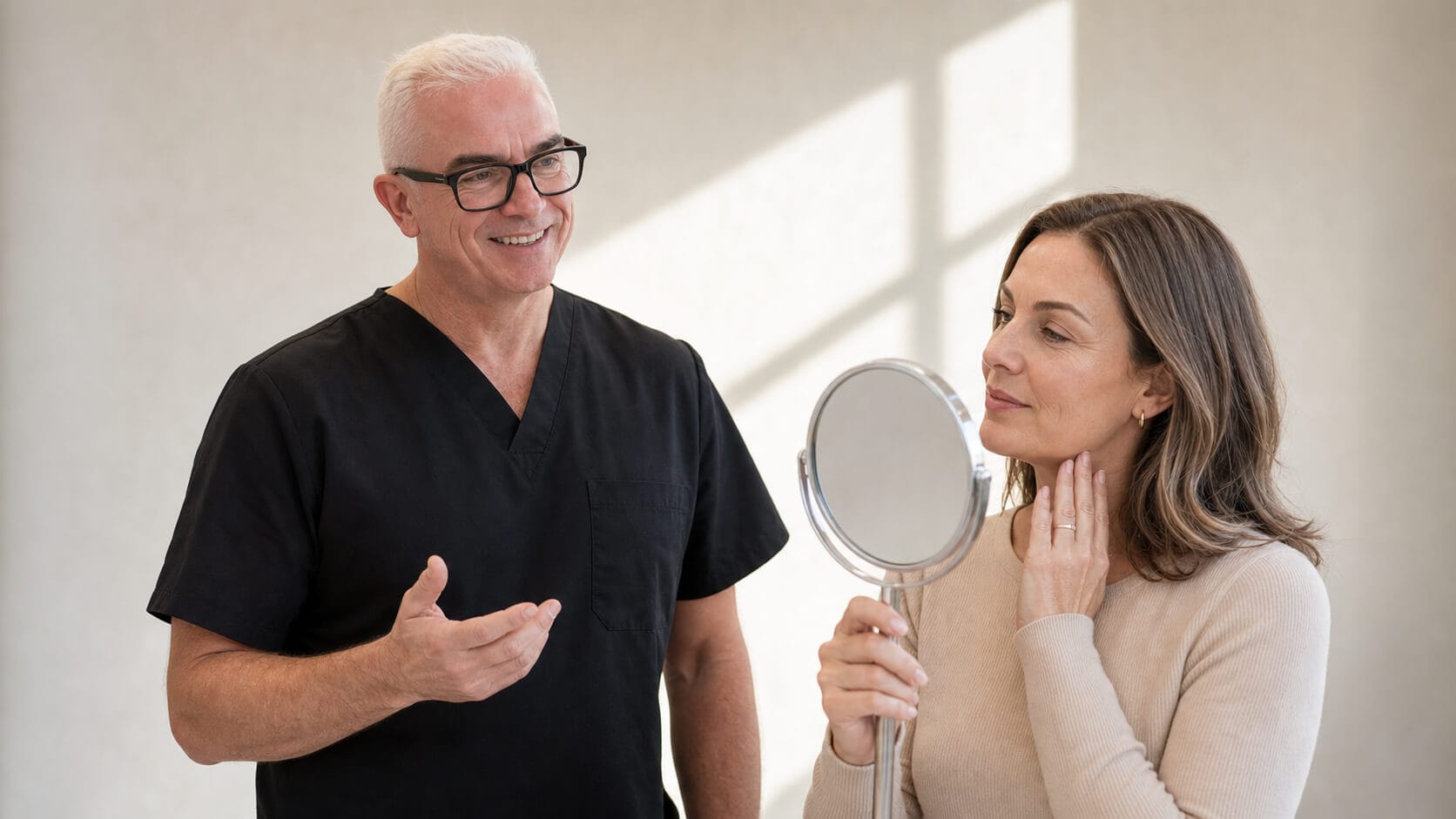
Inclusive consultations

LGBTQIA+ Inclusive Cosmetic Consultations In Melbourne

Core Aesthetics welcomes LGBTQIA+ patients as individuals, with consultation focused on listening, facial assessment, privacy, informed consent and whether treatment is clinically appropriate.

What should patients know about LGBTQIA+ Inclusive Cosmetic Consultations In Melbourne?

Quick summary

Core Aesthetics is an Oakleigh consultation-led aesthetic clinic with Corey Anderson RN. LGBTQIA+ patients are welcome for respectful, private consultation where service-access concerns such as discrimination, privacy, disclosure, misgendering, facial-structure assumptions, cost pressure, body-image pressure and past negative experiences can be discussed without treatment being assumed.

Inclusive Means Individual

Inclusive care is not a special script and it is not a separate standard. It means Corey starts with the person in the room, the concern they actually describe, the language they are comfortable using and the clinical information that matters for a safe decision.

Sexual orientation does not determine what someone wants aesthetically. A gay, lesbian or bisexual patient may have the same concerns as any other patient. A trans, non-binary or gender-diverse patient may also want to discuss how facial features relate to gender expression, but that is still individual and should never be assumed.

What The Consultation Focuses On

A consultation may include discussion of your concern, facial anatomy, skin condition, movement, facial balance, medical history, medicines, allergies, previous treatment, timing, expectations, privacy needs, risk tolerance and comfort with aftercare.

If you want a step-by-step view of the appointment, read what an inclusive cosmetic consultation feels like. If you want to understand the broad concerns people ask about, read LGBTQIA+ aesthetic consultation topics.

What We Do Not Assume

Corey does not assume that a gay man wants a particular look, that a lesbian patient wants to look more or less feminine, that a bisexual patient has any different aesthetic goal, or that a trans or non-binary patient wants a specific facial structure direction.

A patient may want softness, structure, neutrality, less heaviness, more balance, a better understanding of ageing, or no treatment after talking it through. Identity can be relevant to comfort and goals, but it is not a treatment plan.

Safety, Consent And The Option To Wait

Australian cosmetic consultation should include risk discussion, realistic limits, alternatives, aftercare and the option to wait or decline. This matters even more when a patient has felt judged, rushed or misunderstood in healthcare or beauty settings before.

Core Aesthetics links inclusive care with informed consent and patient safety. Booking a consultation does not guarantee treatment. It gives Corey time to decide whether treatment, waiting, referral or no treatment is appropriate.

Why Community Visibility Matters

For some patients, seeing a clinic visibly connected to LGBTQIA+ community spaces is not about politics or branding. It is a practical trust signal. It suggests the clinic understands that safety can begin before a person books, especially when healthcare or beauty settings have not always felt respectful.

Visibility still has to be backed by behaviour. A directory badge or membership is only meaningful if the consultation itself is calm, private, clinically careful and willing to say no when treatment is not appropriate.

What Pride Does And Does Not Mean In Clinic

Being proud to welcome LGBTQIA+ patients does not mean turning identity into a sales angle. It means making room for identity where it matters, not forcing it into the consultation where it does not.

The clinical standard remains the same: listen, assess, explain risk, check consent, respect privacy and decide whether treatment is suitable. Inclusion changes the quality of the interaction, not the obligation to practise carefully.

Questions We Hear About Safety, Privacy And Assumptions

Australian LGBTIQA+ service-access guidance often returns to the same themes: discrimination, stereotyping, privacy, disclosure, misgendering, inadequate provider knowledge, cost or access pressure, and the extra weight carried by people who also experience racism, disability, language barriers, ageism, trauma or social isolation. In a cosmetic consultation setting, those concerns can become very practical questions.

1. Why might an LGBTQIA+ patient delay booking even when they want advice?
Some people delay seeking services because of previous negative experiences or because they anticipate judgement before they arrive. A consultation should reduce that uncertainty by making the first step clear: discussion, assessment, risks, limits and suitability before any decision about treatment.

2. What if I am worried I might be refused, judged or treated differently?
That fear is real for many people who have encountered discrimination in other services. At Core Aesthetics, identity is not used as a reason to dismiss a concern, rush a plan or decide what someone should want. The appointment remains a clinical consultation with respectful communication and individual assessment.

3. Why is stereotyping such a common concern?
Stereotyping can turn a person into a category. Gay, lesbian, bisexual, trans, intersex, queer, asexual and gender-diverse people do not share one aesthetic goal. Corey starts with the concern, the person, the anatomy and the safety considerations rather than assuming a goal from identity, clothing, voice or presentation.

4. Will you assume my facial goals from my sexuality or gender identity?
No. Sexual orientation does not define facial goals, and gender identity does not automatically define a treatment plan. Some people want softness, some want structure, some want balance, some want advice only and some decide treatment is not the right step.

5. What if I have been misgendered or deadnamed in another service?
You can tell Corey what name and pronouns you want used in conversation. If a legal name is needed for a practical record, the reason should be explained. The aim is to handle records without making the consultation feel careless, exposing or disrespectful.

6. What if I use different names or pronouns in different settings?
That can happen for safety, family, cultural, workplace or privacy reasons. You can discuss what name, pronouns and contact details feel safe for appointment reminders, follow-up and written communication.

7. Do I have to disclose my sexuality, gender identity or intersex variation?
No. You only need to share information that is relevant to your comfort, privacy, goals, medical history, consent or clinical safety. A good consultation should not turn personal identity into unnecessary questioning.

8. How is private information handled?
Privacy matters because disclosure can have real-world consequences. The consultation should be clear about what information is clinically relevant, what needs to be recorded and how communication should happen after the appointment.

9. What if intake forms or booking systems do not fit my identity?
Forms are sometimes imperfect. You can clarify your preferred name, pronouns, title, support person, communication preferences and any detail you want Corey to know before or during the appointment.

10. Will I have to educate the clinic about LGBTQIA+ basics?
You should not have to teach a practitioner how to be respectful. Your role is to explain your own goals, concerns and boundaries. Corey’s role is to listen, assess, explain clinical limits and communicate clearly.

11. What if I am asked personal questions that feel unrelated?
You can ask why a question is being asked. Some medical history is important for safety and consent, but questions should have a clinical reason. If something feels too personal or unclear, the conversation can slow down and the reason can be explained.

12. Why can close facial assessment, photos or touch feel sensitive?
Cosmetic consultations can involve close attention to the face, expressions, symmetry, proportions and sometimes clinical images. If something feels uncomfortable, ask what is needed, why it is needed, how information is stored and whether there are alternative ways to proceed or whether it is better to wait.

13. What if facial structure is connected to gender expression or dysphoria for me?
Facial structure can be emotionally significant. Corey does not assume what would feel affirming, neutral, masculine, feminine, softer or stronger. The first task is to understand your words and priorities, then decide whether any cosmetic planning is suitable.

14. What if I do not want a masculine or feminine result?
You do not need to choose binary language. Some people prefer balance, subtle refinement, less heaviness, more softness, more definition or simply a clearer understanding of what is changing. The consultation can use your language rather than forcing a category.

15. What if I am not sure whether my concern is skin, movement, facial structure or ageing?
That uncertainty is common. A consultation can help separate skin quality, facial movement, volume change, proportions, asymmetry, lifestyle factors and ageing patterns before deciding whether treatment, waiting, referral or another pathway makes sense.

16. What if advertising or social media has made me feel more self-conscious?
Appearance pressure can affect anyone, and it can feel sharper when someone already feels watched, compared or misunderstood. Core Aesthetics avoids messages that suggest treatment is needed to be acceptable. The consultation should support informed choice, not insecurity.

17. What if I am worried about being upsold or pushed because I am vulnerable?
A responsible consultation includes the option to pause, simplify, wait, seek another opinion or not proceed. Inclusion should never become a softer way to sell. Booking a consultation does not mean treatment will occur or create an obligation to continue.

18. What if cost, travel or access are part of my concern?
Access barriers can affect whether someone seeks care at all. Corey can keep the appointment focused on what is clinically useful, what is not suitable and what can safely wait. You can also ask practical questions before booking if you are unsure what type of consultation fits your concern.

19. What if I am also dealing with disability, neurodivergence, anxiety, trauma, racism, cultural pressure or language barriers?
LGBTQIA+ people are not one group with one experience. You can ask for clearer explanations, extra time to process information, support-person involvement, plain-language risk discussion or help with communication needs. You may find the pages on bringing a support person and consultations when English is not your first language useful.

20. What if I have had a bad consultation somewhere else and feel nervous about trying again?
You can say that directly, or you can simply ask for the appointment to move slowly. Corey can explain what is being assessed, what is optional, what information is clinically necessary and when waiting or not treating may be the most appropriate advice. You may also find privacy, consent and comfort and when treatment may not be the right step helpful before booking.

LGBTQIA+ Consultation FAQs

Do you need to disclose your sexuality or gender identity? No. You only need to share what is relevant to comfort, care, medical history, consent, goals or safety. Can you use a chosen name and pronouns? Yes. You can tell the clinic what name and pronouns you would like used.

Can you discuss masculine, feminine, balanced or androgynous goals? Yes, but those words need to be defined by you, not assumed by the clinic. Can treatment happen on the same day? Sometimes, but only if assessment, suitability, consent, timing and clinical judgement support proceeding.

For more detail, read gender-affirming facial assessment, cosmetic consultation for trans and gender-diverse patients, privacy, consent and comfort, bringing a support person and consultations when English is not your first language.

How This Cluster Can Help You

Start with questions LGBTQIA+ patients often ask before consultation if you are comparing clinics. Read privacy, consent and comfort if discretion matters. Read gender-affirming facial assessment if gender expression is part of the conversation.

You do not need to know the perfect treatment category before booking. It is enough to bring the concern, the context and the questions you want answered.

Community Listing

Core Aesthetics is listed with GLOBE Victoria’s Health And Community business directory. This community listing supports our commitment to being visible, accountable and welcoming to LGBTQIA+ patients seeking respectful, consultation-led aesthetic care.

Is this for you?

Consider booking a consultation if

  • Adults who want a respectful aesthetic consultation without assumptions about sexuality, gender identity or gender expression
  • LGBTQIA+ patients who want privacy, clear communication and individual facial assessment before any treatment decision
  • Patients who want to ask questions about suitability, risk, consent, timing and whether treatment may be appropriate
  • People who value a clinic that can discuss treatment, waiting, referral or no treatment honestly

This may not be for you if

  • People seeking guaranteed treatment or a promised appearance outcome
  • People wanting product names, prices or prescription-only medicine advice from a public web page
  • People under 18 seeking elective cosmetic treatment
  • People with urgent medical symptoms, acute distress or safety concerns that need immediate medical or crisis support

Suitability is confirmed at consultation. This list is general guidance, not a substitute for clinical assessment.

Frequently asked questions

Is Core Aesthetics LGBTQIA+ friendly?

Yes. Core Aesthetics welcomes LGBTQIA+ patients for respectful, private consultation with Corey Anderson RN. The consultation focuses on the individual patient, not assumptions about identity.

Do I need to disclose my sexuality or gender identity?

No. You only need to share information that is relevant to your comfort, care, medical history, consent or goals. You can also discuss privacy preferences during consultation.

Can I use my chosen name and pronouns?

Yes. You can let the clinic know the name and pronouns you would like used. Respectful communication is part of a safe consultation environment.

Does being LGBTQIA+ change whether treatment is suitable?

Identity alone does not make treatment suitable or unsuitable. Suitability depends on the concern, anatomy, medical history, expectations, risks, timing, consent and clinical judgement.

Can same-day treatment happen?

Some patients may be suitable for treatment on the same day as consultation, but it is not automatic. Corey must first assess suitability, consent, risk, expectations and whether proceeding is appropriate.

What if Corey recommends no treatment?

No treatment can be a responsible outcome. Corey may recommend waiting, review, referral, another pathway or no treatment when that is the safer or more honest decision.

Can I talk about facial structure without Corey assuming a gendered goal?

Yes. You can discuss structure, softness, balance, neutrality, ageing or proportion in your own words. Corey should not assume a masculine, feminine or androgynous goal from your identity, clothing, voice or presentation.

Can I bring a support person?

You can ask about bringing a support person if that would help you feel comfortable or understand information clearly. The consultation still needs to protect privacy, consent and clinical decision-making.

Why are some cosmetic treatment terms less visible on clinic websites?

Australian advertising rules restrict public advertising of prescription-only cosmetic medicines. Core Aesthetics keeps public information consultation-led and product-neutral, then discusses individual suitability during consultation where appropriate.

Why do some LGBTQIA+ patients worry about cosmetic consultations?

Some patients have experienced judgement, assumptions, misgendering, privacy concerns or pressure elsewhere, while others simply fear those things may happen. Core Aesthetics addresses these concerns through private, consultation-led assessment, respectful communication and no assumptions about identity or goals.

Why should a clinic avoid assuming facial structure goals?

Identity and presentation do not tell a practitioner what someone wants. A trans, non-binary, gay, lesbian or bisexual patient may want softness, structure, balance, neutrality, advice only or no treatment. The goal needs to be discussed and clinically assessed.

Why does privacy matter for LGBTQIA+ cosmetic consultations?

Some patients may not be out in every setting, may have had private information handled poorly, or may simply want discretion. Privacy supports comfort, but clinical safety still requires relevant medical history, risk discussion and informed consent.

Why can advertising pressure affect LGBTQIA+ patients differently?

Some people may already feel judged, compared or misunderstood. Cosmetic advertising should not exploit vulnerability or imply treatment is needed to be acceptable. Core Aesthetics keeps public information consultation-led and realistic.

What if I have had an uncomfortable consultation elsewhere?

You can tell Corey as much or as little as you want. The consultation can slow down, clarify what is clinically relevant, discuss privacy and consent, and decide whether treatment planning, waiting, referral or no treatment is appropriate.

What service-access concerns can LGBTQIA+ patients bring to a cosmetic consultation?

Patients may bring concerns about discrimination, stereotyping, privacy, disclosure, misgendering, deadnaming, records, facial-structure assumptions, cost pressure, body-image pressure, support people, communication needs or previous negative experiences. These concerns can be discussed during consultation without treatment being assumed.

Can I ask Core Aesthetics not to assume my facial goal from my identity?

Yes. Corey does not assume a masculine, feminine, androgynous, neutral or structural goal from sexuality, gender identity, clothing, voice or presentation. Goals are discussed in the patient’s own words and assessed clinically.

Can I pause a cosmetic consultation if something feels uncomfortable?

Yes. You can ask why a question is being asked, pause the discussion, take time to think, bring a support person or decide not to proceed. Consent and suitability matter throughout the consultation, not only at the end.

What if my legal name differs from the name I use?

Can I attend if I am unsure whether my concern is skin, movement or facial structure?

Yes. A consultation can help separate skin quality, facial movement, facial structure, proportions, ageing patterns and other factors before deciding whether treatment, waiting, referral or another pathway is appropriate.

Clinical references

  1. TGA: Advertising health services and cosmetic injections FAQ
  2. Ahpra: Guidelines for advertising a regulated health service
  3. Ahpra: Guidelines for registered health practitioners who perform non-surgical cosmetic procedures
  4. Ahpra: Guidelines for advertising higher risk non-surgical cosmetic procedures
  5. Australian Government: National Action Plan for the Health and Wellbeing of LGBTIQA+ People 2025-2035
  6. RACGP: Sex, sexuality, gender diversity and health

Written and reviewed by Corey Anderson RN, AHPRA NMW0001047575 · Reviewed 2026-05-29 · Consultation required · TGA & AHPRA compliant

Begin With A Conversation

Book your consultation.

No commitment, no pressure. A considered first step toward understanding what is and isn’t right for you.

Book Consultation

Elegance, Perfected.