Gender affirming facial assessment at Core Aesthetics is a private consultation about facial goals, language, privacy, anatomy, movement, medical history, suitability, consent, alternatives and clinical limits. Corey Anderson RN should not assume a desired facial direction from gender identity and may recommend a suitable option, adjusted timing or another useful next step after assessment.
What Is This Page For?
Gender affirming facial assessment at Core Aesthetics is a private consultation about facial goals, language, privacy, anatomy, movement, medical history, suitability, consent, alternatives and clinical limits. Corey Anderson RN should not assume a desired facial direction from gender identity and may recommend a suitable option, adjusted timing or another useful next step after assessment.
This page is for adults who want facial assessment to include gender expression respectfully, without turning identity into a treatment indication. It explains what Corey can assess, what should be clarified and why consultation may still end with timing or another clinically appropriate pathway.
Book a consultation if you want Corey to assess your concerns in person, or start with the inclusive consultation hub if privacy and language are your first questions.
What Can Gender Affirming Assessment Mean?
Gender affirming assessment can mean making space for the patient to describe how facial features relate to gender expression, comfort, visibility, familiarity or distress. It does not mean that every patient wants treatment, or that a clinic can decide what a person should look like.
A careful consultation should ask what feels aligned, what feels uncomfortable, what should be preserved and whether any cosmetic pathway is clinically appropriate.
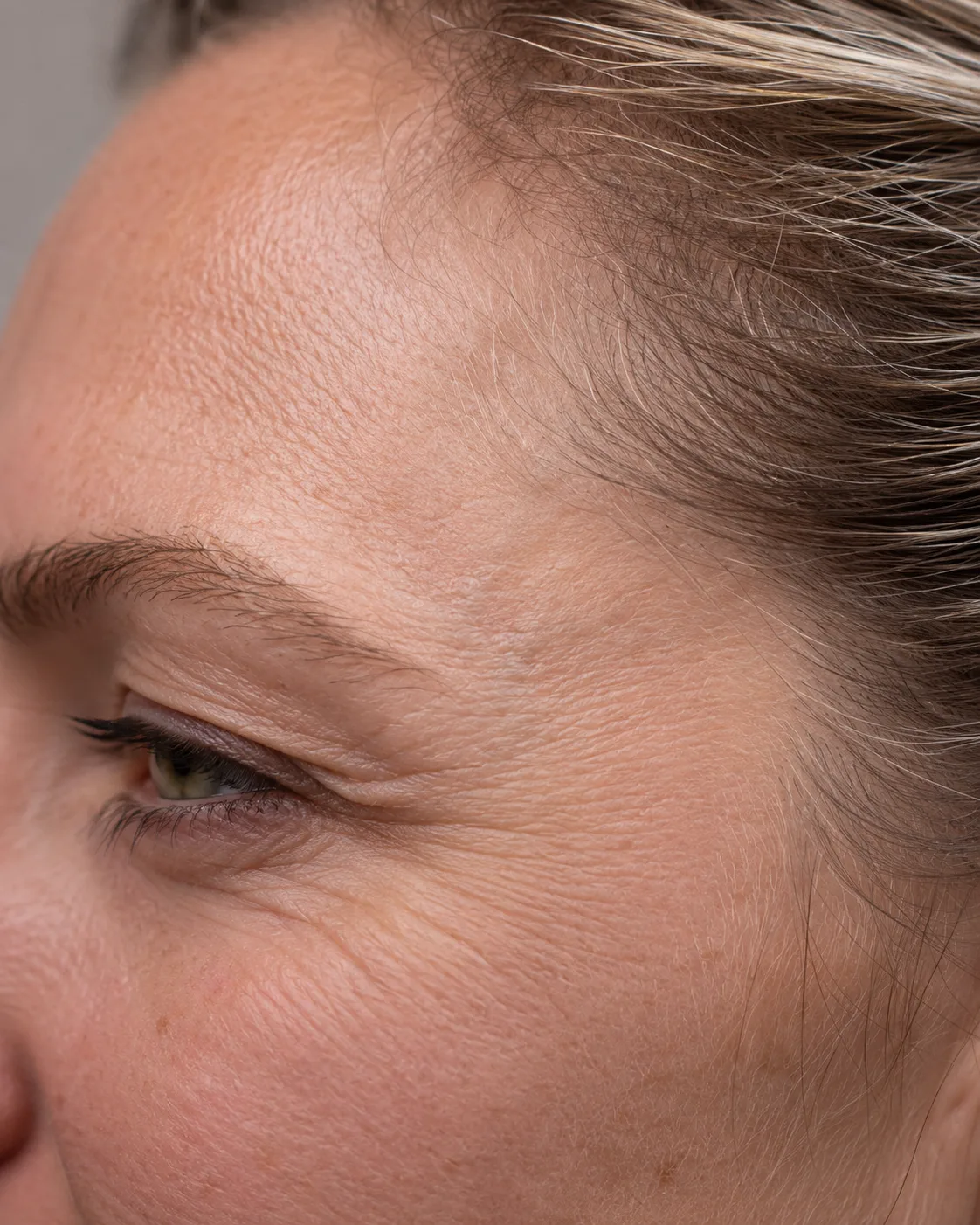
Which Goal Needs Which Assessment Question?
The table below turns broad language into safer consultation questions. It is not a treatment menu and it does not decide suitability.
| Patient language | What consultation clarifies | Safer pathway |
|---|---|---|
| More feminine, softer or less angular | Which facial cues matter, what should be preserved and what would feel too visible. | Assessment before any treatment pathway is discussed. |
| More masculine, structured or defined | Whether the requested change is realistic, suitable, proportionate and within scope. | Assessment, staged review or another clinically appropriate pathway. |
| Neutral, balanced or androgynous | How the patient defines neutral language and which assumptions should be avoided. | Patient-led wording, consent boundaries and privacy planning. |
| Uncertain or changing goals | Whether timing, pressure or comparison is shaping the request. | Waiting, education, support pathway or later review. |
| Previous treatment concern | Records, timing, what changed, what feels misaligned and whether adding more is inappropriate. | Review, correction assessment or another clinically appropriate pathway. |
Why Should Identity Never Become A Treatment Plan?
Gender identity, presentation, clothing, voice or transition history should not be used to assume facial goals. Some patients want softness, some want structure, some want neutrality, some want reassurance only and some decide treatment is not the right step.
The consultation should stay patient led: your words, your boundaries, your medical context and the clinical assessment determine what can responsibly be discussed.
What Does Corey Assess Clinically?
Corey Anderson RN may assess facial proportions, profile, upper face movement, cheek support, lower face balance, lips, skin quality, previous treatment, symmetry, medicines, allergies, health history, timing and whether another medical, dental or support pathway is needed first.
This assessment can identify when treatment planning is reasonable, when a staged review is safer, when previous treatment should be reviewed or when a staged assessment plan is the responsible recommendation.

Why Can Temporary Or Subtle Still Matter?
Temporary and subtle do not mean trivial. A small visible change may feel significant when facial structure is connected to gender expression, privacy, social safety or self-recognition. That is why consultation should slow down and define the concern carefully.
Corey should discuss risk, uncertainty, swelling, review access, privacy, social context and whether the requested change is appropriate rather than simply possible.
How Are Privacy And Consent Handled?
You can tell the clinic what language you prefer, what history is relevant and what should not be assumed. You do not need to explain your whole identity to ask for a respectful facial assessment.
Consent should include risks, alternatives, limits, timing and whether an option discussion is appropriate and what symptoms require urgent medical care rather than routine cosmetic follow-up.
Read the privacy and consent guide if comfort and language are your first priorities.
When Might Timing or another clinically appropriate pathway Be Safer?
Timing or another clinically appropriate pathway may be safer when the goal is still forming, pressure is high, timing is poor, medical context is unclear, expectations are not realistic, or the requested change is outside cosmetic scope. Another pathway may be more appropriate.
Read when cosmetic treatment may not be the right step for the broader safety framework.
Which Pages Should You Read Next?
What we help with here is deciding whether facial assessment, treatment readiness or waiting should come first, and whether the issue is gender expression, privacy or a broader consultation question. For related inclusive guidance, read trans and gender diverse cosmetic consultation, non binary and androgynous facial assessment, masculine, feminine and balanced facial goals, privacy, consent and comfort and questions LGBTQIA+ patients can ask.
For safety and verification, read treatment suitability assessment, patient safety aesthetic consultation, when treatment may not be the right step, informed consent and patient safety and Verify Core Aesthetics. Pricing is discussed after assessment; use the pricing page if you want context before booking.
Verification And Clinic Details
Corey Anderson RN is a Registered Nurse with Ahpra registration NMW0001047575. Patients can verify practitioner and clinic details on the Verify Core Aesthetics page before booking.
Core Aesthetics is located at 12A Atherton Road, Oakleigh VIC 3166. Phone 0491 706 705. This page was reviewed on 2026-09-01.
Core Aesthetics is also listed in the GLOBE Victoria Health and Community directory. That listing is a community trust signal only; it does not decide suitability or imply treatment need.
Book A Gender Affirming Facial Assessment
If you want a private consultation about facial goals, gender expression, privacy, language, previous treatment or uncertainty about where to begin, book with Corey at Core Aesthetics. The appointment can clarify whether treatment planning, adjusted timing, review with another health professional, another pathway or a staged assessment plan is appropriate.
Book a consultation or contact the clinic if you are unsure which inclusive page best matches your question.
If your concern includes pain, infection signs, rapidly changing swelling, acute distress or anything that feels medically unsafe, seek urgent medical care or the appropriate support pathway first.
Is this for you?
Consider booking a consultation if
- Adults wanting facial goals and gender expression discussed respectfully during consultation
- Patients who want privacy, language, disclosure boundaries and clinical limits discussed carefully
- Patients who want assessment before deciding whether any cosmetic pathway is appropriate
- Patients who understand that consultation may lead to timing or another clinically appropriate pathway
This may not be for you if
- People expecting identity to determine a treatment plan
- People seeking an assured appearance change
- People with urgent medical, dental, infection, acute distress or rapidly changing symptoms that need another support pathway first
- People who are not ready to consider timing or another clinically appropriate pathway if that is safer
Suitability is confirmed at consultation. This list is general guidance, not a substitute for clinical assessment.
Frequently asked questions
Is gender affirming facial assessment the same as treatment?
No. Assessment is the consultation process of clarifying language, facial concerns, anatomy, medical history, suitability, consent, risks and alternatives. Treatment is only discussed further if Corey considers it clinically appropriate after assessment and you understand the limits.
Can Corey feminise or masculinise my face?
Corey can assess facial structure, movement and proportions, and can discuss what you mean by softer, stronger, more feminine, more masculine, balanced or neutral. The consultation must not promise a particular appearance or assume treatment is suitable.
Can I ask for an androgynous or neutral look?
Yes. You can use words such as neutral, androgynous, balanced, softer, stronger, familiar or subtle. Corey should clarify what those words mean to you, what you want preserved, what would feel too visible and whether waiting is safer.
Do I need to be on hormone therapy to book?
No. You do not need to be on hormone therapy to ask for consultation. If medical history, medicines or timing are relevant to safety, Corey can discuss those factors without making assumptions about your identity or goals.
Will I need to explain my whole identity?
No. You only need to share information that is relevant to comfort, privacy, goals, medical history, consent or clinical safety. You can set boundaries around what you do and do not want discussed during the appointment.
What if my goals change later?
Goals can change. That is one reason staged, conservative consultation can be safer than rushing. Corey may recommend waiting, review, another pathway or a staged assessment plan if the goal is still forming or timing is not right.
Will Corey assume I want a more masculine or feminine facial structure?
No. Gender identity should not be used to assume facial goals. Corey should ask what you notice, what feels aligned, what you want left alone and whether masculine, feminine, neutral or balanced language is useful to you.
How can I verify Core Aesthetics before booking?
Core Aesthetics lists Corey Anderson as a Registered Nurse with Ahpra registration NMW0001047575. Patients can use the Verify Core Aesthetics page, clinic contact details and the Ahpra public register before booking or relying on clinic information.
Clinical references
- Ahpra guidelines for registered health practitioners who perform non-surgical cosmetic procedures
- Ahpra guidelines for advertising higher risk non-surgical cosmetic procedures
- Ahpra public register of practitioners
- TGA advertising health services and cosmetic injections FAQ
- TGA advertising health services that involve therapeutic goods