Trans and gender diverse cosmetic consultation at Core Aesthetics is a private, consultation-first discussion about patient language, facial goals, privacy needs, medical history, suitability, alternatives, risks and consent. Corey Anderson RN assesses the concern before deciding whether treatment, staged review, timing or another clinically appropriate pathway should be discussed.
What Is This Page For?
Trans and gender diverse cosmetic consultation at Core Aesthetics is a private, consultation-first discussion about patient language, facial goals, privacy needs, medical history, suitability, alternatives, risks and consent. Corey Anderson RN assesses the concern before deciding whether treatment, staged review, timing or another clinically appropriate pathway should be discussed.
This page is for adults who want a respectful, private cosmetic consultation where trans, gender diverse or questioning identity is not treated as a treatment indication. It explains what should be discussed before any treatment pathway is considered.
Book a consultation if you want Corey to assess your concern in person, or start with the inclusive consultation hub if privacy, language and comfort are your first questions.
What Should A Respectful Consultation Clarify?
A respectful consultation should clarify the name and pronouns you want used, which parts of your history are relevant, which facial concerns matter to you, what you want preserved, and whether you are ready to make any decision. It should not ask you to prove identity or disclose more than is clinically useful.
It should also explain risks, alternatives, limits, an option discussion conditions, the possibility of timing or another clinically appropriate pathway, and how follow-up works if treatment is considered suitable.
Which Concern Needs Which Consultation Question?
The structure below is designed to make the consultation safer and more specific. It is not a treatment menu and it does not decide suitability.
| Consultation question | Why it matters | Responsible pathway |
|---|---|---|
| What language should be used? | Name, pronouns, facial-goal wording and disclosure boundaries affect comfort and consent. | Record practical preferences and avoid assumptions. |
| What facial concern brought you here? | The concern may involve profile, expression, volume, symmetry, age change, previous treatment or uncertainty. | Assess anatomy and context before discussing any option. |
| What should be preserved? | Patients often have features, expressions or identity cues they do not want changed. | Define boundaries before treatment suitability is considered. |
| Is timing appropriate? | Stress, recent procedures, medical issues, social pressure or uncertainty can change the safest recommendation. | Consider adjusted timing, review with another health professional, staged review or an agreed consultation plan. |
| How will privacy be handled? | Some information is necessary for records or safety; other details may not need to be discussed. | Keep disclosure proportionate, respectful and clinically relevant. |
Why Should Treatment Never Be Assumed?
Being trans, gender diverse or questioning does not create a cosmetic treatment need. A patient may want information only, may want reassurance, may want to understand facial assessment, may want a staged conversation, or may decide that an agreed consultation plan is safer.
Corey should assess anatomy, movement, health history, medicines, allergies, previous treatment, timing, expectations and consent readiness before discussing whether any cosmetic pathway is appropriate.
How Does Corey Assess Facial Goals?
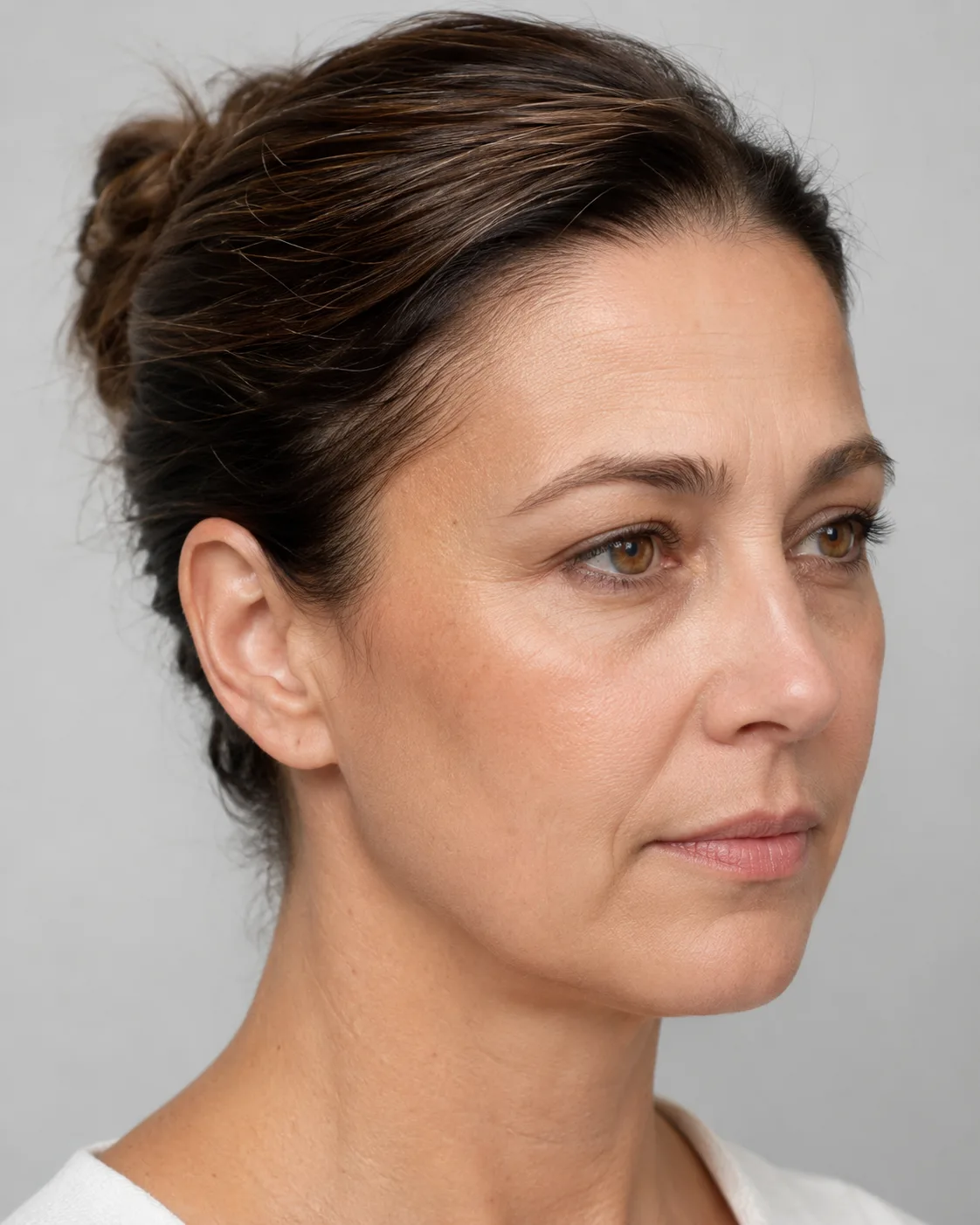
Corey Anderson RN can assess profile, upper face movement, cheek support, lower face balance, lips, skin quality, previous treatment, facial symmetry and the way expressions change the concern. The assessment should stay tied to what you notice and what you want left alone.
Words such as softer, stronger, feminine, masculine, neutral, balanced, subtle or affirming should be treated as patient language. Corey should help translate that language into safer assessment questions without turning it into a fixed template.
How Are Privacy, Pronouns And Consent Handled?
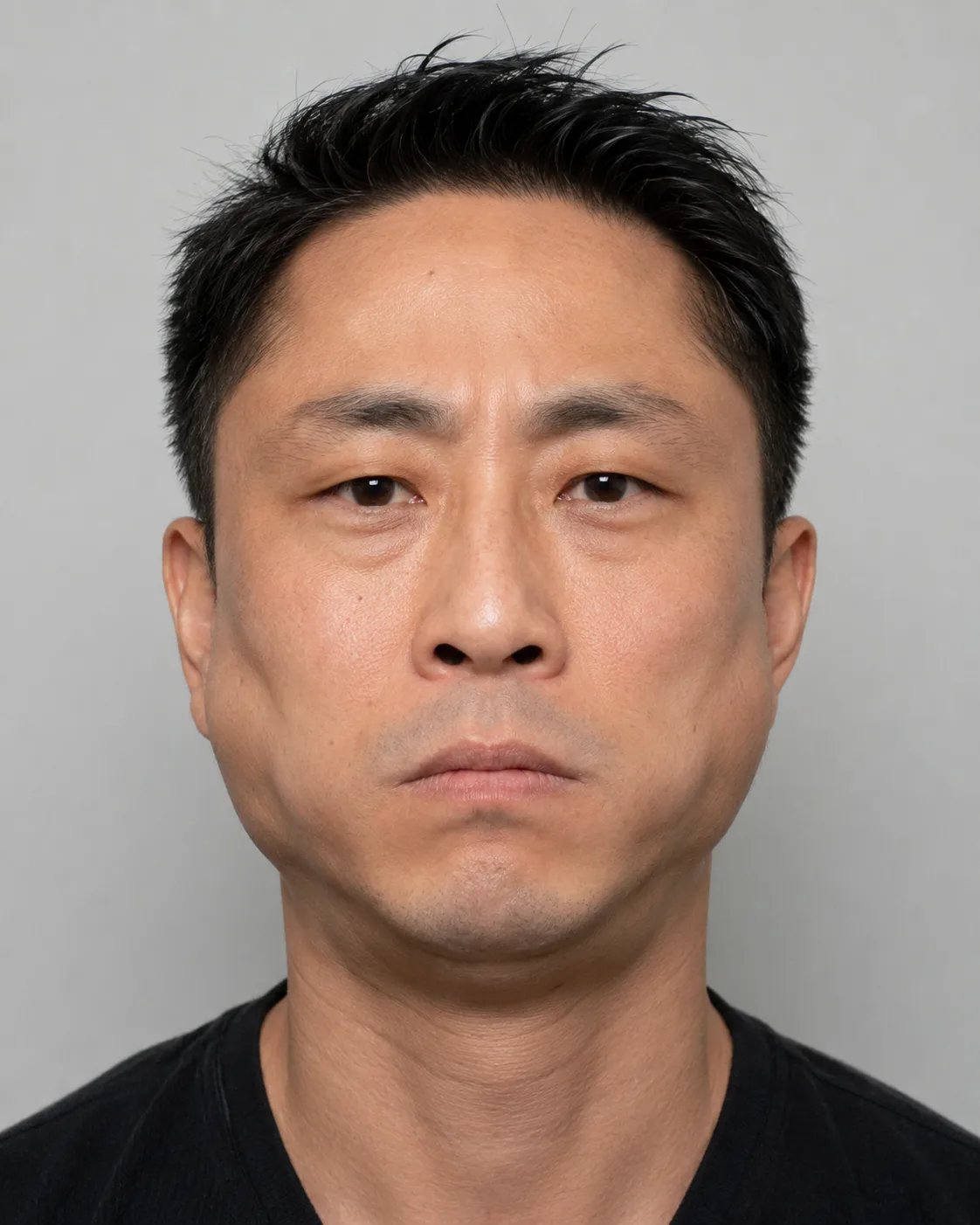
You can tell the clinic what name, pronouns and language you want used. If legal, payment or booking records differ, that should be handled practically while keeping the consultation respectful. You should not be asked irrelevant invasive questions.
Consent should include what is being considered, what is not being considered, risks, limits, alternatives, review expectations, urgent medical warning signs and the option to pause. Privacy and consent are part of the clinical process, not extra requests.
Read the privacy and consent guide if this is the main barrier to booking.
When Might Timing or another clinically appropriate pathway Be Safer?
Timing or another clinically appropriate pathway may be safer when expectations are uncertain, pressure is high, timing is poor, medical context is unclear, previous treatment needs assessment, or the requested change may not align with the patient once swelling, visibility and review time are considered.
Another pathway may be more appropriate if the concern includes urgent medical symptoms, dental issues, infection signs, acute distress or a support need outside a cosmetic consultation. Read when treatment may not be the right step for the broader safety framework.
Which Pages Should You Read Next?
What we help with here is deciding whether inclusive consultation, treatment readiness or waiting should come first. Continue with the pages that help keep this topic consultation led: LGBTQIA+ inclusive cosmetic consultations, inclusive consultation experience, questions LGBTQIA+ patients can ask, gender affirming facial assessment and non-binary and androgynous facial assessment.
For safety and verification, read treatment suitability assessment, patient safety before aesthetic decisions, when treatment may not be the right step and Verify Core Aesthetics. Pricing is discussed after assessment; use the pricing page if you want context before booking.
Verification And Clinic Details
Core Aesthetics is located at 12A Atherton Road, Oakleigh VIC 3166. Consultations are led by Corey Anderson RN, Ahpra registration NMW0001047575. Patients can verify Corey and the clinic before booking on the Verify Core Aesthetics page and through the Ahpra public register.
This page was reviewed on 2026-09-01. A respectful appointment can still end in education, staged planning, timing or another clinically appropriate pathway if that is safer.
Book A Private Consultation
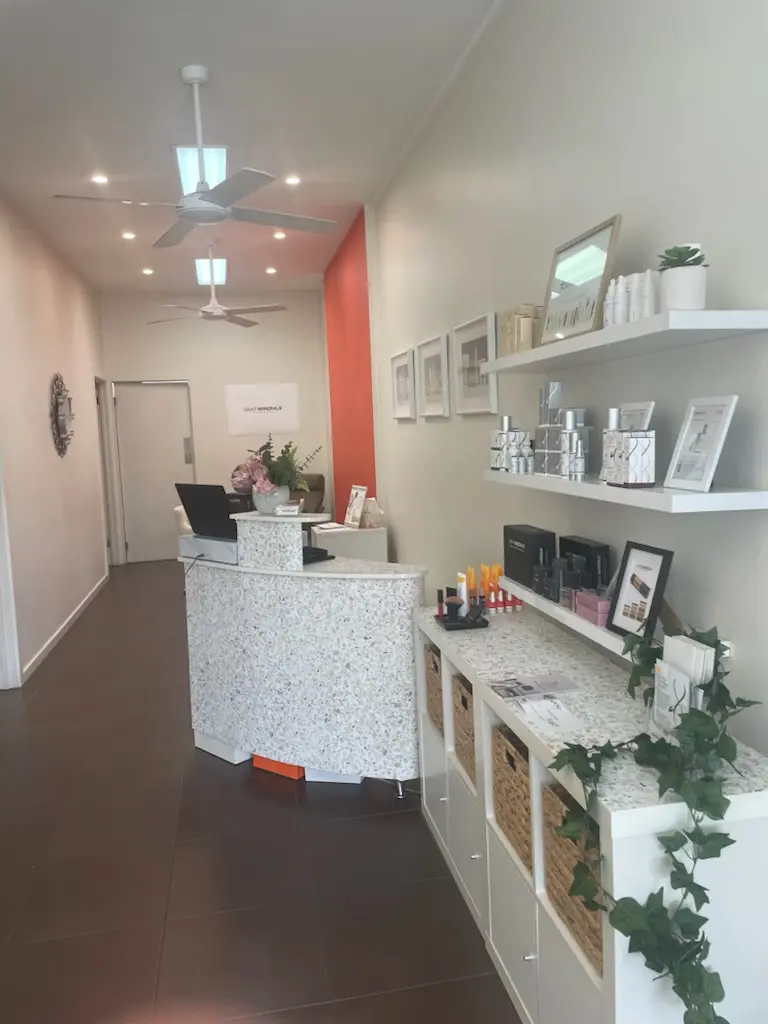
Book a private consultation if you want Corey to assess your concerns in person. The appointment creates time for assessment, questions and a clear plan. The appointment is for assessment, language clarification, consent discussion and deciding whether any cosmetic pathway should be discussed at all.
Is this for you?
Consider booking a consultation if
- Adults who want trans, gender diverse or questioning identity handled respectfully during cosmetic consultation
- Patients who want privacy, pronouns, disclosure boundaries and facial goals discussed carefully
- Patients who want assessment before deciding whether any cosmetic pathway is appropriate
- Patients who understand that consultation may lead to timing or another clinically appropriate pathway
This may not be for you if
- People expecting identity to determine a treatment plan
- People seeking an assured appearance change
- People with urgent medical, dental, infection, acute distress or rapidly changing symptoms that need another support pathway first
- People who are not ready to consider timing or another clinically appropriate pathway if that is safer
Suitability is confirmed at consultation. This list is general guidance, not a substitute for clinical assessment.
Frequently asked questions
Do I need to disclose my transition history?
No. You only need to share information that is relevant to your comfort, medical history, consent, privacy, goals or safety. Some patients want transition history included in the discussion and others do not. The consultation should not pressure unnecessary disclosure.
Can I use my chosen name and pronouns?
Yes. You can tell the clinic what name, pronouns and language you want used. If legal paperwork, Medicare details or booking information differ, the consultation should still treat your preferred language respectfully while handling required records carefully.
Is this consultation only for people who already want treatment?
No. A consultation can be useful when you are unsure where to begin, want to ask questions, need privacy reassurance or want to understand whether an agreed consultation plan, adjusted timing, review with another health professional or another pathway is safer than proceeding.
What should I expect from this consultation?
Corey will explain what may be suitable, relevant risks, practical timing and the next step you agree together. Corey must assess suitability, consent, timing, medical history, expectations and whether proceeding is appropriate so any option discussion is grounded in the assessment moves further.
What if I am worried about being stereotyped?
That concern should be taken seriously. Consultation should ask what you want assessed, what you want left alone, which words feel useful and which assumptions should be avoided. Identity should never be treated as a treatment plan.
Can previous cosmetic treatment be reviewed?
Yes. Previous treatment can be discussed if it affects comfort, facial balance, timing, records, risk or suitability. Corey may recommend review, adjusted timing, review with another health professional, correction assessment or no further treatment if adding more would not be responsible.
What useful next step should the appointment provide?
Corey may recommend waiting, another support pathway or another clinically appropriate pathway if the goal, timing, health context, risk level or expectations do not support proceeding. A clear explanation should be part of a responsible consultation.
How can I verify Core Aesthetics before booking?
Core Aesthetics lists Corey Anderson as a Registered Nurse with Ahpra registration NMW0001047575. Patients can use the Verify Core Aesthetics page, clinic contact details and the Ahpra public register before booking or relying on clinic information.
Clinical references
- Ahpra guidelines for registered health practitioners who perform non-surgical cosmetic procedures
- Ahpra guidelines for advertising higher risk non-surgical cosmetic procedures
- Ahpra public register of practitioners
- TGA advertising health services and cosmetic injections FAQ
- TGA advertising health services that involve therapeutic goods