Privacy, consent and comfort in a cosmetic consultation mean the patient understands what is being assessed, what information is needed, how language and records are handled, what risks and alternatives apply, and whether options that fit, revised timing or a safer clinical pathway is appropriate. Corey Anderson RN should make consent specific, not assumed.
What Is This Page For?
Privacy, consent and comfort in a cosmetic consultation mean the patient understands what is being assessed, what information is needed, how language and records are handled, what risks and alternatives apply, and whether options that fit, revised timing or a safer clinical pathway is appropriate. Corey Anderson RN should make consent specific, not assumed.
This page is for adults who want a private cosmetic consultation where comfort, communication and consent are handled carefully. It explains what privacy can cover, what safety still requires and why consultation does not create an obligation to proceed.
Book a consultation if you want Corey to assess your concern, or read the inclusive consultation experience guide first if you want to understand the appointment flow.
How Are Chosen Name, Legal Name And Records Handled?
You can tell the clinic what name, pronouns and language you want used. If legal, payment or booking records differ, the reason for any required record should be explained. The consultation should avoid careless disclosure while still keeping records accurate enough for safe care.
Communication preferences can also matter if appointment reminders, follow-up or support people need careful handling.
Which Consent Details Should Be Clear?
The table below shows the practical details that should be clear before a cosmetic decision is made.
| Consultation issue | What should be clarified | Why it matters |
|---|---|---|
| Private information | What is clinically relevant, what is optional and how follow-up should happen. | Reduces unnecessary disclosure and supports safe records. |
| Name and pronouns | Preferred language, legal records and practical communication preferences. | Protects dignity while keeping required records accurate. |
| Clinical photos or touch | Why a step is needed, what it involves and whether there is another way. | Keeps assessment consent led and transparent. |
| Risk discussion | Risks, limits, alternatives, adjusted timing, review with another health professional and a safer clinical pathway. | Comfort should not remove safety information. |
| Decision timing | Your consultation should provide clarity about suitable options, relevant risks and what happens next. | Prevents pressure and supports informed consent. |
How Can Comfort And Safety Work Together?
Comfort means being able to ask questions, slow down, clarify language and understand what is happening. It does not mean skipping medical history, risk discussion or suitability checks. A respectful consultation can still include firm safety boundaries.
Corey may recommend timing or another clinically appropriate pathway if the requested step is not appropriate.
What If Close Assessment Feels Sensitive?
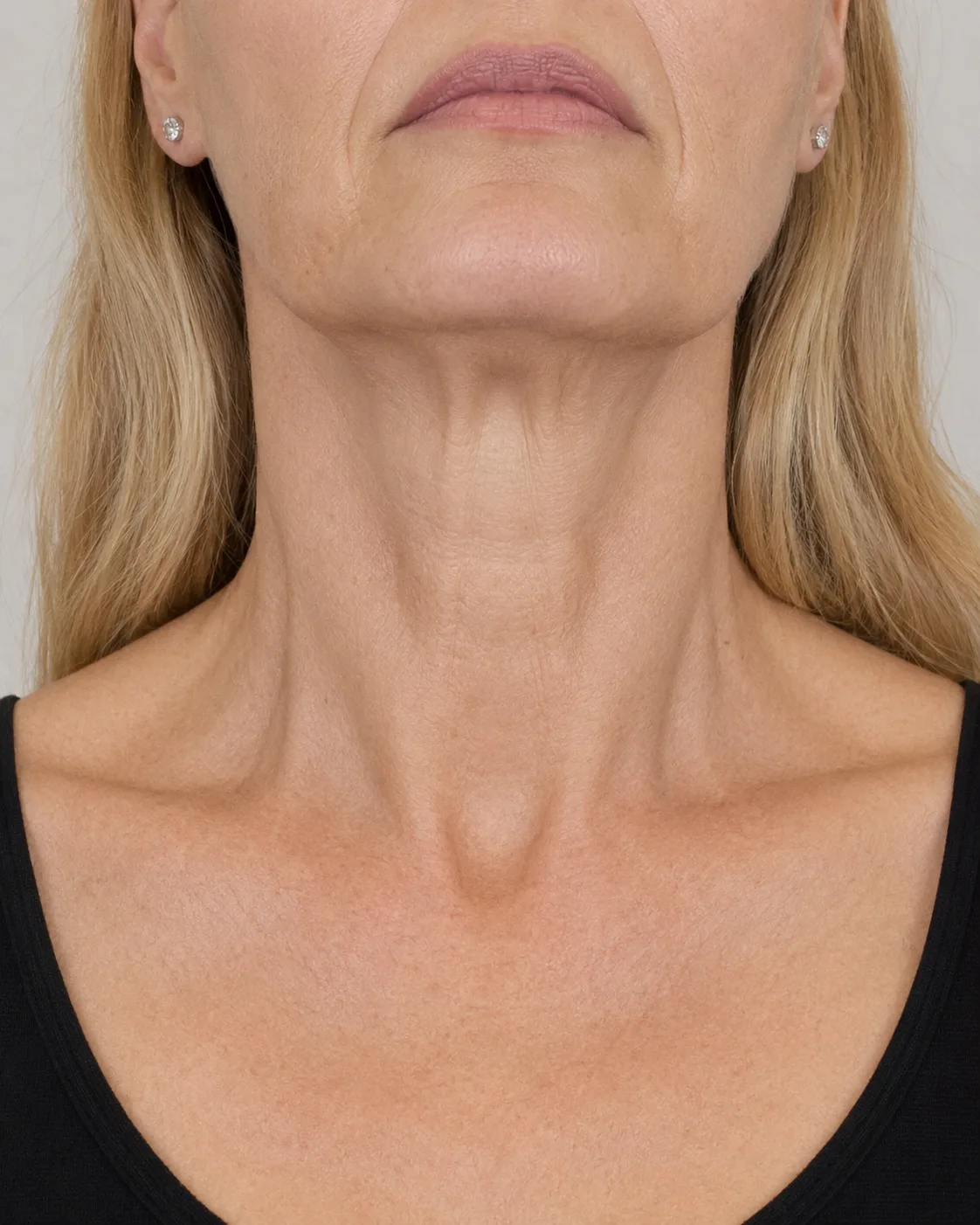
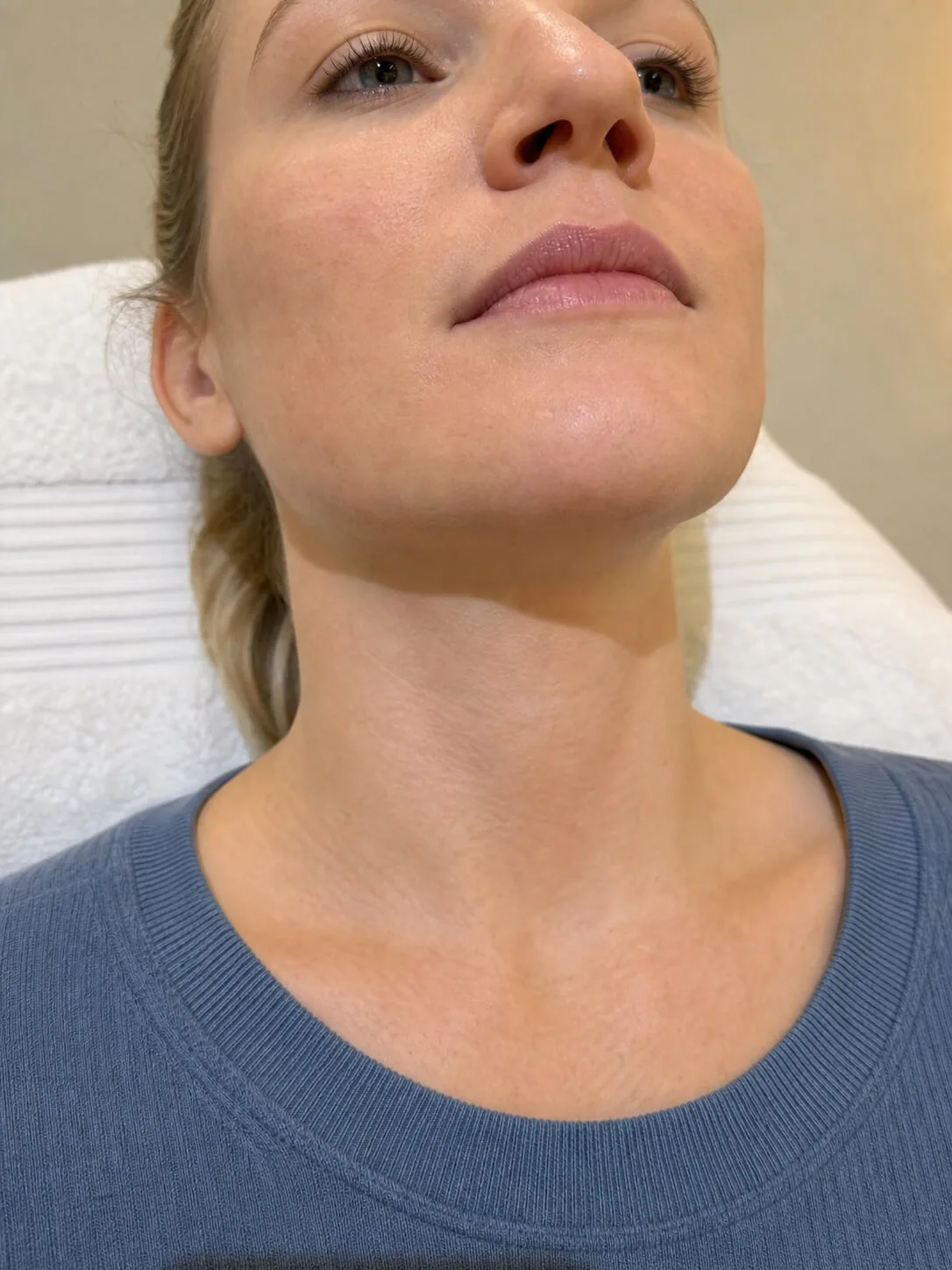
Facial assessment, clinical photos, mirrors, touch or discussion of previous treatment can feel sensitive. You can ask what is needed, why it is needed, how information is stored and whether the conversation can pause. Corey should explain the reason for assessment in plain language before relying on that step.
If a step is not required, if there is another safe way to assess the concern, or if the timing is not right, the appointment can slow down or stop.
How are suitable options and timing discussed?
Yes. You can pause, decline treatment, ask for more information, bring a support person where appropriate or decide to wait. Consent should remain active throughout the appointment, not something assumed because you booked.
Support people can help with memory, communication, anxiety or language needs, but consent still belongs to the patient.
What happens after Corey assesses the concern?
Some patients may be suitable for treatment after individual assessment, but this depends on assessment, consent, timing and whether proceeding is appropriate. Corey uses the assessment to explain useful options, relevant limits, timing and follow-up.
Consent should include risks, alternatives, limits, aftercare, review expectations, urgent medical warning signs and the option not to proceed.
Which Pages Should You Read Next?
What we help with here is deciding whether privacy, consent, comfort or waiting should come first. For inclusive context, read LGBTQIA+ inclusive cosmetic consultations, inclusive consultation experience, questions LGBTQIA+ patients can ask, gender affirming facial assessment and bringing a support person.
For safety and verification, read how informed consent works, treatment suitability assessment, when treatment may not be the right step and Verify Core Aesthetics. Pricing is discussed after assessment; use the pricing page if you want context before booking.
Verification And Clinic Details
Corey Anderson RN is a Registered Nurse with Ahpra registration NMW0001047575. Patients can verify practitioner and clinic details on the Verify Core Aesthetics page before booking.
Core Aesthetics is located at 12A Atherton Road, Oakleigh VIC 3166. Phone 0491 706 705. This page was reviewed on 2026-09-01.
Core Aesthetics is also listed in the GLOBE Victoria Health and Community directory. That listing is a community trust signal only; it does not decide suitability or imply treatment need.

Book A Private Consultation
If privacy, consent or communication needs are your main concern, book a consultation with Corey at Core Aesthetics. The appointment can clarify whether treatment planning, adjusted timing, review with another health professional, another pathway or a safer clinical pathway is appropriate.
Book a consultation or contact the clinic if you want to ask practical questions before booking.
If your concern includes pain, infection signs, rapidly changing swelling, acute distress or anything that feels medically unsafe, seek urgent medical care or the appropriate support pathway first.
Is this for you?
Consider booking a consultation if
- Adults who want privacy, consent and communication needs handled clearly
- Patients who want to know what information is needed before consultation
- Patients who want to ask questions, pause, adjust timing or choose another pathway
- Patients who understand that comfort and safety must both be part of consultation
This may not be for you if
- People expecting private consultation to avoid necessary safety questions
- People expecting treatment simply because they booked
- People with urgent medical, dental, infection, acute distress or rapidly changing symptoms that need another support pathway first
- People who are not ready to consider timing or another clinically appropriate pathway if that is safer
Suitability is confirmed at consultation. This list is general guidance, not a substitute for clinical assessment.
Frequently asked questions
Is a cosmetic consultation private?
A cosmetic consultation should be handled privately and respectfully. Some information is needed for safe care, records and consent, but you can ask why information is being requested and how communication should happen after the appointment.
Do I have to explain my identity?
No. You only need to share information relevant to comfort, privacy, goals, medical history, consent or clinical safety. You can choose whether identity, pronouns or gender expression are relevant to the discussion, and you can ask why any question matters.
Can I decline treatment after consultation?
Yes. Booking a consultation does not create an obligation to proceed. You can decline, wait, ask for more information, seek another opinion or decide that a safer clinical pathway is the right step for now. Consent can be withdrawn before treatment.
What if I am not out to everyone?
You can discuss communication preferences, preferred name, phone or email caution, support people and what should not be said in messages. Privacy planning should be practical, respectful and connected to safe follow-up, especially when disclosure may affect safety.
Can comfort and safety conflict?
Sometimes. A question, photo or examination step may feel uncomfortable but still have a clinical reason. Corey should explain why it is needed, whether there is an alternative, how information is handled and whether waiting is safer.
Can a privacy-focused consultation cover suitable options while preserving my consent choices?
Yes, but only if treatment is suitable and appropriate after assessment. An option discussion should still include risk discussion, alternatives, limits, consent, timing, aftercare, review expectations and the option not to proceed if anything feels unclear.
Can I ask why a question is being asked?
Yes. You can ask why a question is needed, whether it is clinically relevant and what happens if you do not want to answer. A consent-led consultation should make the reason clear before relying on that information.
How can I verify Core Aesthetics before booking?
Core Aesthetics lists Corey Anderson as a Registered Nurse with Ahpra registration NMW0001047575. Patients can use the Verify Core Aesthetics page, clinic contact details and the Ahpra public register before booking or relying on clinic information.
Clinical references
- Ahpra guidelines for registered health practitioners who perform non-surgical cosmetic procedures
- Ahpra guidelines for advertising higher risk non-surgical cosmetic procedures
- Ahpra public register of practitioners
- TGA advertising health services and cosmetic injections FAQ
- TGA advertising health services that involve therapeutic goods