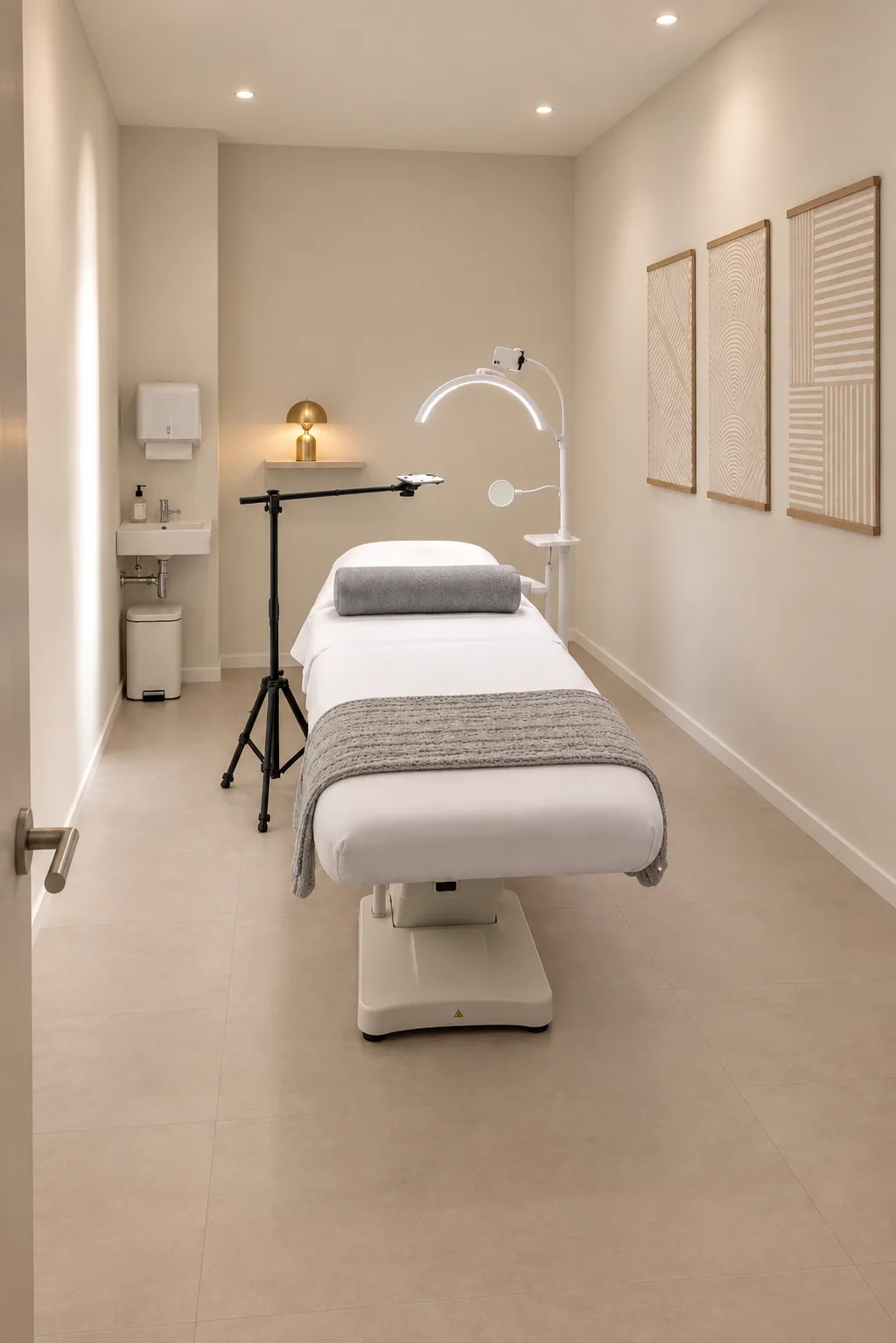
A excessive sweating consultation reviews the concern, medical history, timing, expectations, risk factors and whether treatment is appropriate. The aim is to make a careful decision before any plan is discussed. A consultation may lead to treatment planning, a decision to wait, referral, or a recommendation not to proceed.
Hyperhidrosis, the medical term for excessive sweating, affects a significant number of people and can have a meaningful impact on daily life. For many, it affects clothing choices, social confidence and professional situations in ways that are disproportionate to what most people would consider a minor inconvenience. For those who live with it, it is anything but minor.
At Core Aesthetics in Oakleigh, hyperhidrosis treatment using prescription injectable product is available following an individual clinical assessment. Treatment is only recommended where it is clinically appropriate for your situation and where you have had a proper consultation covering your history, the areas affected and what realistic outcomes look like for you.
“Good information changes the quality of the decision.”


What Hyperhidrosis Is
Sweating is a normal physiological function that regulates body temperature. Hyperhidrosis occurs when this system operates beyond what is needed for temperature regulation, producing sweat in volumes and at times that are disproportionate to the trigger. It can be focal, affecting specific areas such as the underarms, hands or feet, or more generalised.
The most commonly treated area at Core Aesthetics is axillary hyperhidrosis, excessive sweating of the underarms. This is also the area for which injectable treatment has the most established evidence of effect in appropriate candidates. You can read more about the specific concerns addressed in our hub page on underarm sweating treatment.
How Injectable Treatment Works
Injectable treatment for hyperhidrosis uses a prescription product to temporarily block the nerve signals that stimulate sweat glands in the treated area. The product is placed in multiple small injection points across the affected area. When the glands receive fewer signals, sweating in that area is significantly reduced.
The effect is temporary. Nerve signalling gradually recovers over time and sweating returns to previous levels. Repeat treatment is required to maintain the effect. For many clients, the duration of effect for underarm treatment is considerably longer than for facial wrinkle treatment, which makes the treatment practical as a longer term management strategy.
Who May Be Suitable?
Injectable hyperhidrosis treatment may be worth discussing at a consultation if you:
- Experience excessive underarm sweating that affects your confidence, clothing choices or daily activities
- Have tried antiperspirant products without satisfactory results
- Are in good general health with no contraindications to injectable prescription products
- Have realistic expectations about what the treatment can achieve
Suitability is always assessed individually. Your medical history, the nature and distribution of your sweating and any relevant medications are all considered during your consultation.
Located in Oakleigh, Serving Melbourne’s South East
Core Aesthetics is at 12A Atherton Road, Oakleigh VIC 3166. Accessible from Carnegie, Chadstone, Murrumbeena, Huntingdale, Bentleigh and Clayton. Open Tuesday to Saturday by appointment.
Ready to take the first step?
Book your consultation at Core Aesthetics, Oakleigh today.
Book online here
Safety, Suitability and Clinical Assessment
All aesthetic treatment procedures carry risk. The suitability assessment at consultation identifies any contraindications or relative risk factors specific to your circumstances, including medical history, current medications, previous procedures, and anatomical features that may affect the risk profile for a given treatment area. This information is reviewed before any treatment is planned.
For certain conditions and medications, injectable treatments are not appropriate, or require modification of technique or timing. For others, the treating practitioner may recommend that you consult with your primary healthcare provider before proceeding. These are clinical judgements that can only be made with accurate, complete medical history information, which is why the consultation history taking process is thorough.
Complication recognition and initial management are part of the clinical competency required of practitioners performing injectable treatments under AHPRA’s September 2025 guidelines for nonsurgical cosmetic procedures. The practitioner at Core Aesthetics holds current training in this area and maintains the relevant management supplies on site. Understanding that risk exists and is actively managed is more useful than assuming risk does not exist.
Review Appointments and Ongoing Care
A review appointment at four to six weeks is a standard part of every treatment cycle at Core Aesthetics. The review is not contingent on whether you have concerns, it is a clinical standard that applies to every patient. At review, the practitioner assesses the result across all treated areas, compares the outcome to the pretreatment clinical photographs, identifies any asymmetry or variation in response between sides, and determines whether any adjustment is appropriate within the same treatment cycle.
The review is also where longitudinal data about how your specific anatomy responds to treatment is recorded. Over multiple treatment cycles, this accumulated data allows the practitioner to refine the dosing and approach to better match your individual response pattern, which is one of the most significant advantages of maintaining a consistent treating practitioner rather than moving between clinics.
If you have any concerns in the period between your treatment and your review appointment, contact the clinic directly. The practitioner who treated you has the clinical context to respond accurately to any post treatment question, which is preferable to relying on general online information that may not reflect your specific situation.
What the Assessment Covers
The assessment at the consultation appointment is a face wide evaluation, not a focused review of only the area you have identified as a concern. This full face approach is deliberate: anatomical features interact with each other, and addressing one area in isolation, without understanding the broader facial context, can produce results that look disproportionate even when the individual area was technically treated well.
The practitioner evaluates facial symmetry, bone structure, soft tissue distribution, skin quality, and the dynamic movement patterns associated with each treatment area. The history taking covers your current medications, any previous injectable or surgical procedures, relevant health conditions, and any prior reactions or complications. From this assessment, the practitioner develops a treatment plan that reflects your specific anatomy and circumstances.
Results vary between individuals. What the assessment finds in one patient may be different from what it finds in another patient with a similar presenting concern, which is why templated treatment protocols are not used here. All treatments at Core Aesthetics are consultation based and individually assessed.
What Causes Excessive Sweating and Why Treatment Works
Sweating is a normal physiological function. The body uses it to regulate temperature, and sweat glands in the skin respond to thermal and emotional signals transmitted through the sympathetic nervous system. In hyperhidrosis, the sweat glands in a specific area, most commonly the underarms, palms, or soles, produce sweat in volumes that exceed what the body needs for temperature regulation. The stimulus for this excess production is neural: the sympathetic nerve signals that normally activate sweat glands in response to heat are overactive, triggering sweating in response to much lower thresholds.
Wrinkle treatment works for hyperhidrosis through the same mechanism it uses in cosmetic contexts, it temporarily blocks the chemical signal at the nerve ending. In hyperhidrosis treatment, the target is not a muscle but an acetylcholine dependent sweat gland. By blocking the signal, sweat production in the treated area is significantly reduced for the duration of the treatment effect.
This approach does not eliminate sweating from the rest of the body, nor does it impair normal thermoregulation, the treated area is small relative to the body’s overall capacity for sweating. The result is a targeted reduction in a specific area that is causing functional difficulty.
Clinical Assessment for Hyperhidrosis Treatment
Not everyone who sweats heavily is a candidate for injectable treatment. The consultation for hyperhidrosis at Core Aesthetics begins with an assessment of the nature, distribution, and severity of the sweating, including how long it has been present, what triggers it, and how significantly it affects daily life.
Before injectable treatment is considered, Corey will review whether conservative approaches have been adequately trialled. Prescription strength antiperspirants containing aluminium chloride are often the first line clinical recommendation for underarm hyperhidrosis, and not everyone needs to progress to injectable treatment. For patients who have not achieved adequate control with topical options, injectable treatment is a well evidenced next step.
The assessment also covers medical history, current medications, and any conditions that might affect suitability. Hyperhidrosis can be primary (no identified cause) or secondary (related to another medical condition or medication). If there is any suggestion of secondary hyperhidrosis, appropriate investigation or referral is discussed before treatment proceeds.
Practitioner Accountability and Clinical Governance
Hyperhidrosis assessment and treatment at Core Aesthetics is performed by Corey Anderson, Registered Nurse, AHPRA NMW0001047575. Corey has been a registered nurse since January 1996 and operates within the Nurse Practitioner / Endorsed Registered Nurse prescribing framework that governs the use of Schedule 4 medicines in Australia. Botulinum toxin products used for axillary hyperhidrosis are prescription only therapeutic goods, and product selection, dosing decisions, and follow up are all documented as part of standard clinical practice.
Where injectable treatment for excessive sweating is being considered, the consultation covers medical history, current medications, prior treatments in the area, the realistic onset and duration of effect, and the contraindications that exclude treatment in the meantime. Patients are invited to bring questions; results vary between individuals and the response to treatment is reviewed at a follow up appointment.
Mechanism, Onset, And Realistic Expectations
Excessive sweating in the axilla is mediated by eccrine sweat glands distributed through the skin of the underarm. These glands receive sympathetic cholinergic innervation, meaning that the neurotransmitter acetylcholine released from sympathetic nerve endings activates the gland to secrete sweat. Botulinum toxin class therapeutic goods used in this category interrupt that signalling at the neuromuscular and neuroglandular junction, reducing the activation of the eccrine glands in the treated area for the duration of the chemical effect.
Onset is gradual, typically over the first two weeks, with stable effect by week three to four. Duration of effect varies. Australian and international clinical experience describes a typical range of four to seven months for axillary hyperhidrosis treatment, with considerable individual variation. Some patients return for retreatment at four months; others maintain effect closer to nine months. Retreatment intervals individualise after the first one or two cycles as the response pattern is documented for the individual patient.
The treatment does not affect sweating elsewhere on the body. Patients sometimes ask whether reducing axillary sweating will produce compensatory increases in sweating in other regions; the clinical literature does not strongly support that effect for axillary treatment in this dose range, and patients who have experienced the treatment generally report that any change in sweating elsewhere is modest and not clinically problematic. Body wide sweating regulation is unaffected.
Candidacy is established at consultation. Primary axillary hyperhidrosis (idiopathic, usually present from adolescence, bilateral and symmetric) is the typical clinical picture. Secondary hyperhidrosis (caused by an underlying medical condition or medication) requires evaluation of the underlying cause before injectable treatment is considered, and the recommendation in those cases is often to address the underlying issue first. Patients with thyroid disease, anxiety disorders, or medications associated with sweating are screened for these factors at consultation.
Cost varies with dose. The product used is a Schedule 4 prescription medicine, and pricing transparency for prescription items is constrained by the Therapeutic Goods Advertising Code. Specific pricing is discussed at consultation rather than published, and is recorded in the treatment record alongside the dose administered and the response documented at the four week review. Treatment is performed by Corey Anderson, Registered Nurse, AHPRA NMW0001047575.
How The Treatment Fits Into Daily Life
Patients living with primary axillary hyperhidrosis often describe the operational consequences in similar terms: shirt selection is constrained to dark colours and wash tolerant fabrics, certain meeting and social settings are avoided or planned around, antiperspirant use is heavy and often combined with prescription topical agents, and the time and cost of laundering and replacing affected garments is meaningful. Injectable treatment does not address the underlying neurology of the condition. It interrupts the signalling between sympathetic nerve endings and eccrine sweat glands in the treated area for a defined duration, which produces a visible and measurable reduction in axillary sweating.
The practical effect for many patients is the ability to wear lighter colours and finer fabrics, to attend warm weather settings with less management overhead, and to reduce the intensity and frequency of topical treatment. The change typically becomes noticeable around the two week mark and stabilises by the four week review. The duration of effect is what retreatment planning is built around: most patients return for retreatment when the symptoms begin to recur in a way that affects daily life, which is individualised rather than calendar driven.
The treatment does not replace medical evaluation for secondary causes. Hyperhidrosis that is unilateral, that began suddenly, that is associated with weight change or other systemic symptoms, or that started in middle age or later warrants medical evaluation before injectable treatment is considered. The consultation includes screening for these patterns, and where the clinical picture raises concern about an underlying cause, the recommendation is to address that first.
For patients who have used topical aluminium chloride preparations and found them inadequate or intolerable, injectable treatment is one of the established next step options. For patients who have considered surgical sympathectomy and decided against it because of the procedure’s risk profile and the documented incidence of compensatory sweating elsewhere, injectable treatment offers a reversible alternative without the surgical commitment. The clinical conversation at consultation outlines which option is appropriate, what the realistic effect is, and how the retreatment cadence will work for an individual patient.
When Hyperhidrosis Treatment Is Not The Appropriate First Step
Several clinical patterns indicate that injectable hyperhidrosis treatment should not be the first intervention. New onset sweating in a patient over forty without a documented history of childhood or adolescent excessive sweating warrants medical evaluation for an underlying cause. Sweating that is asymmetric (one side noticeably worse than the other) can indicate a localised neurological process and warrants medical evaluation. Sweating that is associated with weight loss, palpitations, heat intolerance, or other systemic symptoms can indicate endocrine or other medical conditions that require investigation. The consultation includes screening for these patterns, and where the clinical picture raises concern, the recommendation is to address the underlying issue first, with the option to revisit injectable treatment after the medical evaluation is complete.
Cost Considerations And Health Insurance
Patients sometimes ask whether private health insurance covers injectable treatment for primary axillary hyperhidrosis. The answer is generally no for the cosmetic billing pathway used at this clinic. Some patients pursue medical billing pathways through dermatology referral where the indication and documentation support a Medicare item number, but that pathway involves a different billing structure and is not the model Core Aesthetics operates. The honest framing at consultation is that injectable hyperhidrosis treatment is typically funded out of pocket, with the per cycle cost discussed in the consultation conversation rather than published. The recurrence of the cost across cycles is part of the long term planning conversation; patients who find the cumulative cost difficult to sustain are sometimes better served by exploring alternative pathways, including dermatology led options that may attract Medicare benefits in specific clinical circumstances.
Further Reading on Hyperhidrosis Treatment
For an overview of the clinical options available for managing excessive sweating, see our article: Best Solutions for Excessive Sweating.
Is this for you?
Consider booking a consultation if
- You want to understand excessive sweating consultation before deciding whether treatment is appropriate
- You are 18 or older and want an individual clinical assessment
- You value a consultation-first approach with risk and suitability discussed before planning
- You are open to waiting or not proceeding if that is the safer recommendation
This may not be for you if
- You are seeking a promised outcome or a same-day decision without assessment
- You are under 18 years of age
- You are pregnant, trying to conceive or breastfeeding and are seeking elective aesthetic treatment
- You have an active infection, unhealed skin or an unresolved medical concern in the area to be assessed
Suitability is confirmed at consultation. This list is general guidance, not a substitute for clinical assessment.
Frequently asked questions
What does Hyperhidrosis Treatment Melbourne explain about what is assessed at an excessive sweating consultation?
An assessment for excessive sweating at Core Aesthetics covers the pattern, trigger and duration of the concern, whether sweating is localised or more widespread, prior attempts at management, medical history and medications. The assessment also considers whether medical review is needed before treatment is appropriate.
How does Hyperhidrosis Treatment Melbourne describe when excessive sweating treatment may not be appropriate?
Treatment may not be appropriate if sweating is secondary to a medical condition that has not been assessed, if the extent of the concern is beyond what localised treatment can address, or if medications or medical factors affect suitability. A medical review may be recommended before proceeding in some cases.
What does Hyperhidrosis Treatment Melbourne say about how long excessive sweating treatment effects last?
Duration varies significantly between individuals. Factors include the area treated, the degree of sweating, individual response and seasonal variation. There is no standard duration that applies to all patients. The review appointment allows assessment of response and informs timing for any subsequent plan.
What does Hyperhidrosis Treatment Melbourne explain about the risks associated with excessive sweating treatment?
Risks include temporary reduction in sweating that may affect nearby areas, localised discomfort during treatment, compensatory sweating elsewhere in some individuals, and the possibility that the reduction does not meet the patient’s expectations. These are discussed in full before consent is obtained.
How does Hyperhidrosis Treatment Melbourne describe how the treatment area for excessive sweating is defined?
The treatment area is defined based on the area of concern, the distribution of sweating and the anatomy of the region. For underarm concerns, the active area is identified at the consultation. The extent of treatment is not predetermined but is based on individual assessment of the presenting pattern.
What does Hyperhidrosis Treatment Melbourne say about combining excessive sweating treatment with other areas?
Whether combining treatment areas at the same appointment is appropriate depends on individual suitability, medical history and what is planned. This is discussed at the consultation. There is no standard combined package. The assessment determines whether a single area or staged approach is more appropriate.
What preparation does Hyperhidrosis Treatment Melbourne recommend before an excessive sweating assessment?
Bring a list of current medications, any prior attempts at management including medicated antiperspirants or prior treatment, information about how long the concern has been present and any pattern to when it is worse. If you have seen a GP or dermatologist about the concern, bringing those notes is helpful.
How soon after treatment does Hyperhidrosis Treatment Melbourne explain sweating reduction becomes noticeable?
Reduction in sweating typically becomes noticeable over one to two weeks following treatment. Individual variation is significant. The review appointment assesses whether the response is as expected and whether any follow-up is needed before a repeat plan is considered.