
Follow the aftercare instructions provided for your appointment first. Keep handling gentle, notice whether changes are settling or worsening, and contact the clinic if something falls outside the pattern you were told to expect. Severe or increasing pain, unusual skin colour or any change to vision needs urgent medical assessment.
Begin with the plan made for you
Aftercare should feel like a clear handover, not a test of memory. Start with the written or verbal instructions provided for your appointment, because the area discussed, your health history, previous care and the plan itself can all change what is appropriate.
If you cannot remember an instruction or something does not match what you were told to expect, contact the clinic rather than trying to solve it from general advice online.
Aftercare at a glance
Use your own instructions
Keep the plan from your appointment close and follow any area-specific advice first.
Watch the pattern
Pay attention to whether tenderness, swelling or bruising is stable, settling or becoming more concerning.
Call when unsure
A timely question is part of aftercare. You do not need to wait until a concern feels dramatic.
Act on urgent changes
Severe pain, unusual skin colour or a change to vision needs urgent medical assessment.
Keep the everyday routine gentle
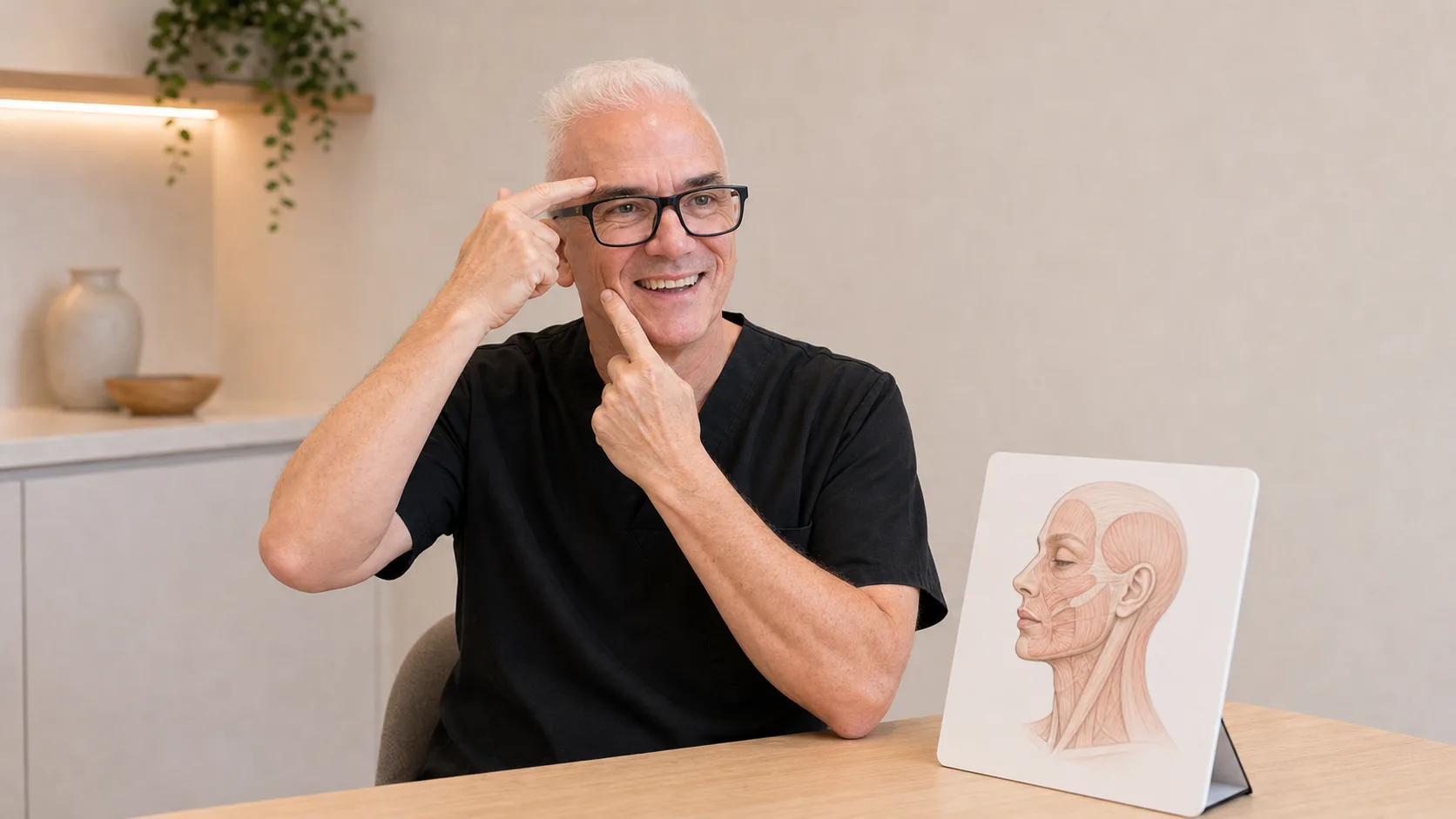
Unless Corey has told you differently, avoid repeatedly pressing, rubbing, massaging or trying to reshape the area yourself. Gentle cleansing and normal facial movement are different from deliberate pressure or manipulation.
Advice about makeup, active skincare, heat, exercise, sleep position or other appointments should come from your own plan. If activity is your main question, the exercise and aftercare planning guide helps you describe the exact routine you want to return to.
What should you notice at home?
Is it settling or increasing?
Note whether the change is easing, staying similar or becoming more pronounced.
Does it match your instructions?
Temporary tenderness, swelling or bruising can occur, but your own expected pattern matters most.
What changed and when?
A simple note or unfiltered photograph can help the clinic understand how a concern developed over time.
A question is a valid reason to call
You are not inconveniencing the clinic by asking whether something fits the expected pattern. Contact Core Aesthetics for symptoms that are worsening, look unusual, feel out of proportion to your instructions or simply leave you unsure.
Use the clinic contact details for a current aftercare question. Online guides and social media cannot assess an individual symptom.

Make the call easy to answer
When you contact the clinic, explain where the change is, when you first noticed it, whether it is stable or worsening and whether pain, skin colour, swelling, heat, fever or vision has changed. Mention any advice already followed.
If your treatment was provided elsewhere, contact the treating clinic first when it is safe and possible. Core Aesthetics can discuss whether a separate assessment is appropriate, but a new appointment should not delay urgent care.
Three details help at review
| Bring this | What to record | Why it helps |
|---|---|---|
| Your instructions | What you were advised and what you have followed | It keeps the review anchored to the actual appointment. |
| A simple timeline | When the change began and whether it is settling or increasing | Pattern and timing help Corey decide what needs attention. |
| Relevant history | Recent illness, medicines, dental care, skin treatments or care elsewhere | New context can change the safest next step. |
When urgent medical care comes first
Seek urgent medical assessment for severe or increasing pain, unusual pale, mottled, blue or otherwise concerning skin colour, any change to vision, rapidly worsening swelling, spreading redness, fever or symptoms that feel unsafe. Call Triple Zero (000) for a life-threatening emergency.
Better Health Channel guidance describes severe pain, colour change and visual complications as reasons for urgent medical attention. Do not massage, press or try to correct a concerning change yourself while seeking advice.

What to expect at a non-urgent review
A review is a calm conversation with Corey about what has settled, what still concerns you and what information would help now.
Corey reviews the area and your history, then explains whether monitoring, more time, referral or another step is appropriate. A review is not an automatic invitation for more treatment.
Would a non-urgent review help?
If a settling question remains after speaking with the clinic, an assessment can clarify whether time, follow-up or another pathway makes sense.
Is this for you?
Consider booking a consultation if
- Adults who want a clear reminder of how to use their individual facial volume aftercare instructions
- People deciding whether a settling question belongs with the clinic or urgent medical care
- Patients preparing useful notes for a non-urgent review
This may not be for you if
- Anyone using a general webpage to diagnose or self-treat a current complication
- Anyone with severe, rapidly worsening, visually concerning or otherwise unsafe symptoms who needs urgent medical assessment
- Anyone seeking a universal exercise, massage or recovery timetable instead of their own instructions
Suitability is confirmed at consultation. This list is general guidance, not a substitute for clinical assessment.
Frequently asked questions
What should I do after volume treatment?
Follow the specific aftercare instructions given by Corey for your appointment. Advice can vary depending on the area treated, your history, timing and any risk factors identified during consultation.
Is swelling or bruising expected?
Some temporary swelling, tenderness or bruising can occur, but patterns vary. Severe, rapidly worsening, unusual or visually concerning symptoms should be raised promptly and may need urgent assessment.
When should I contact the clinic?
Contact the clinic promptly for severe or increasing pain, unusual skin colour change, mottling, blanching, visual symptoms, fever, spreading redness, worsening swelling or symptoms outside the expected pattern.
Can I exercise after volume treatment?
Follow Corey instructions for your appointment. Depending on the area and plan, strenuous exercise, heat exposure, pressure, massage or certain activities may need to be avoided temporarily.
Can I massage the area?
Do not massage the area unless Corey has specifically advised it. Unnecessary pressure or manipulation can be inappropriate depending on the area, timing, symptoms and treatment plan.
Do I need a review appointment?
Review timing depends on the area, symptoms, treatment history and Corey instructions. Review may assess settling, questions or concerns, but it does not automatically mean further treatment will occur.
What if symptoms feel urgent?
If symptoms feel severe, sudden, visually concerning or unsafe, seek urgent medical care first. Contact the clinic as soon as it is safe to do so and follow the escalation advice given at your appointment.
How do I verify Core Aesthetics before booking?
Corey Anderson is a registered nurse with Ahpra registration NMW0001047575. Patients can check the Verify page and Ahpra public register before booking, then use consultation to discuss suitability.
Clinical references
- TGA: Advertising health services that involve therapeutic goods
- TGA: Health-service advertising FAQ
- Ahpra: Guidelines for registered health practitioners who perform non-surgical cosmetic procedures
- Ahpra: Advertising higher risk non-surgical cosmetic procedures
- Better Health Channel: Post-care and complications guidance
- Healthdirect Australia: Calling Triple Zero