
Tear trough assessment · Oakleigh
Under eye consultations in Melbourne
Core Aesthetics offers under eye consultations in Oakleigh for adults concerned about hollows, dark circles or bags. The appointment assesses the lower eyelid and cheek together, explains what may be contributing and considers whether cosmetic care, another clinical opinion or no treatment is appropriate. A consultation does not guarantee a procedure.
New swelling, pain or redness needs medical assessment. Sudden vision change, severe eye pain or rapidly worsening symptoms after a procedure require immediate emergency assessment; do not wait for a routine booking.
Corey Anderson RN · Oakleigh, Melbourne · Adults 18 and over
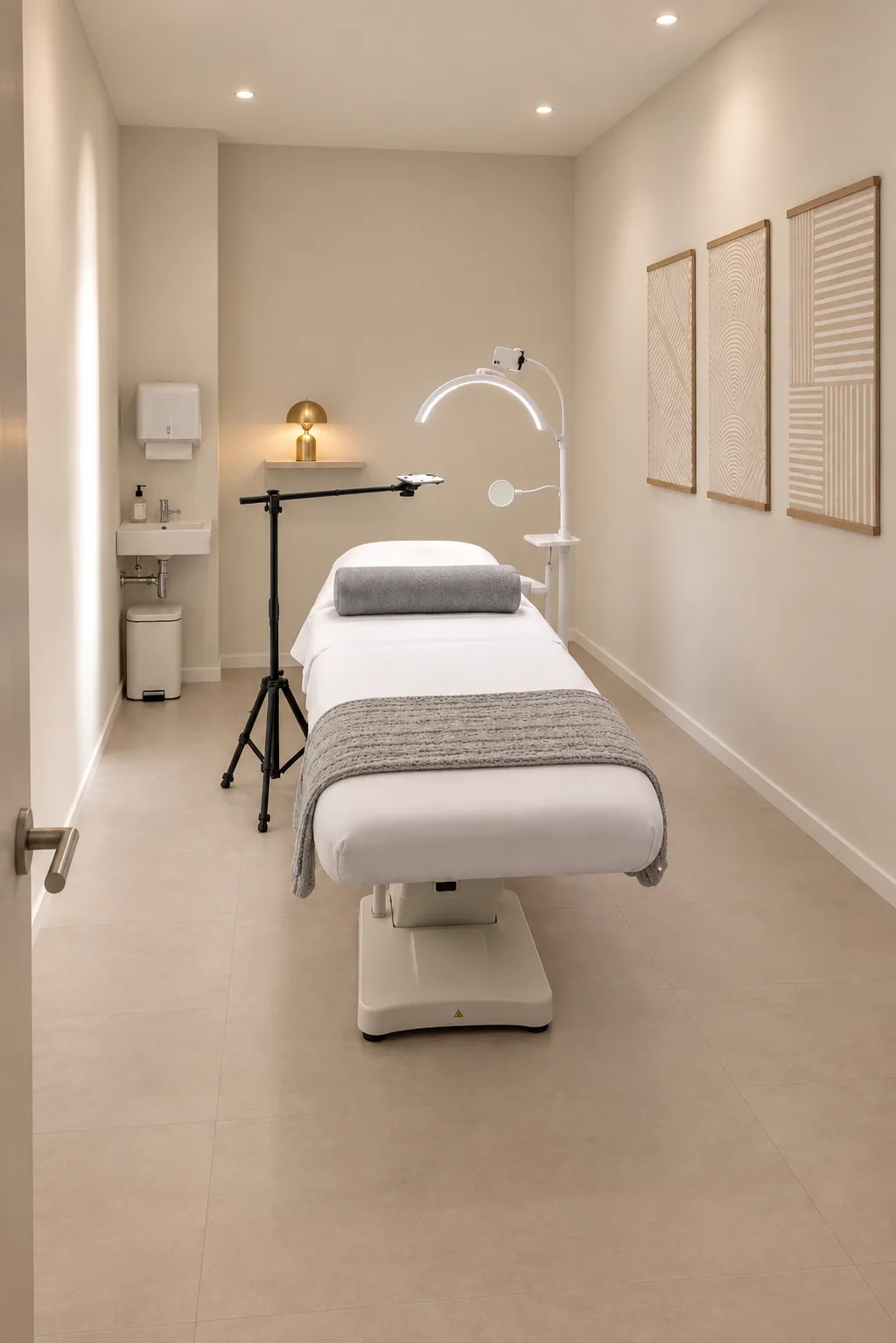
What the assessment covers
Allow around 30 minutes to discuss what you notice, when it began, whether it changes through the day and any previous treatment. The assessment considers the lower eyelid, cheek, skin and the distinction between a hollow, colour and puffiness. Bring relevant health information and any previous treatment records you have. You should leave understanding the likely contributors, the limits of the available choices and whether another clinician should assess you.
Your practitioner
Your consultation is with Corey Anderson, Registered Nurse, Ahpra registration NMW0001047575. Check the practitioner and clinic details before booking. Ask about relevant experience, who would be involved in any proposed care and who would manage your follow up.
Which concern are you asking about?
| What you notice | What may contribute | Why the distinction matters |
|---|---|---|
| A groove or shadow below the inner eye | The contour where the lower eyelid meets the cheek. | Lighting can emphasise the hollow. A skin cream does not change the underlying contour. |
| Brown, blue or purple colour | Pigment, visible vessels or thin skin, sometimes alongside a hollow. | Changing contour alone may leave the colour unchanged. |
| A raised bag or persistent puffiness | Protruding fat, fluid related swelling or other eyelid changes. | A hollow focused cosmetic approach may be unsuitable, particularly when swelling is the main concern. |
| Fine creases or a loose skin texture | Skin changes that may coexist with any of the above. | The skin and the deeper contour need separate consideration. |
These features often overlap. The American Academy of Ophthalmology’s EyeWiki overview describes why lower eyelid and cheek anatomy matter. The table helps you describe a concern; it cannot diagnose its cause.
When clinic care may not be the right fit
Persistent puffiness, prominent bags, loose skin or colour without a significant hollow may make a hollow focused approach a poor match. Previous treatment, health conditions and expectations also matter. Suitability cannot be decided from a selfie or a treatment name. A recommendation should explain which feature it targets and what it would leave unchanged, including the possibility that no clinic procedure is appropriate.
Alternatives and other assessment routes
The right discussion depends on the cause. If dryness or irritation is prominent, skin care and medical advice may be more useful than a contour focused approach. If pigment is the main issue, a GP or dermatologist can assess its cause and appropriate management. If a persistent bag or loose eyelid skin is the main concern, an ophthalmologist or appropriately qualified surgeon may be better placed to discuss the options.
For a structural hollow, an individual cosmetic assessment can explain whether any option is suitable and its limitations. The consultation may instead recommend no procedure or referral. Core Aesthetics does not assume that all under eye concerns can be addressed in the clinic.
Use the skin quality guide if texture is your main question, or our previous treatment concerns guide if the change began after cosmetic care.
Risks, limitations and recovery
The lower eyelid area is delicate and close to the eye. Depending on the procedure, adverse effects may include bruising, swelling, contour irregularity or colour change. Some facial cosmetic procedures also carry serious risks such as tissue damage or vision loss. These risks do not apply equally to every approach: the clinician must explain those relevant to the specific option under consideration.
There is no universal recovery timetable before a procedure has been selected. Ask how long common effects may last, what could take longer to settle, what aftercare is needed and how urgent complications would be managed. Do not assume a procedure is easily reversible or plan around a fixed recovery date.
Research on reported adverse effects in the under eye area and reports of vision complications after facial cosmetic procedures concern particular procedural approaches, not every option. They do not predict your individual risk. See also the TGA’s consumer safety information and our questions before agreeing to treatment.
Costs, timing and review
The initial consultation is at no charge. If a suitable option is discussed, its full cost and any expected further costs are explained before you decide. The cost cannot be meaningfully settled from the phrase “tear trough” alone because the concern may not be a hollow. You can take time or choose not to proceed. See our pricing and consultation information for the clinic’s approach.
Same day treatment may be discussed only when assessment, informed consent and the required clinical arrangements support it. It is not guaranteed, and referral or more time may be more appropriate. Reviews are usually offered two weeks after treatment and are free to attend; fees apply if additional treatment is required. Ask for the specific aftercare and contact arrangements before leaving.
Visit the Oakleigh clinic
Core Aesthetics is inside BeautyTHEQUE at 12A Atherton Road, Oakleigh VIC 3166. Enter directly from Atherton Road. There is one step into the store; call before visiting if this may affect your access.
Street parking is available out the front and there is a large car park across the road. Check signs and availability. Open directions in Google Maps, or read the arrival details.
Call 0491 706 705 or email support@coreaesthetics.com.au with a practical question. Check live appointment availability; appointments are preferred but not mandatory.
Background to read before your appointment
How I Separate An Under Eye Hollow From A Dark Circle
One Phrase Can Describe Several Contributors
Corey Anderson RN: The phrase ‘dark circles’ covers more than one problem, and often more than one at a time. I’m looking for a true groove, lower eyelid puffiness, pigment, visible vessels, thin skin, how well the upper cheek supports the area, and the way light crosses the lid and cheek. A close photograph can’t reliably separate those. What I can do is explain what I can see, what remains uncertain, and whether skin, eye, medical or broader facial assessment should come before any cosmetic discussion. That stops a familiar phrase becoming a shortcut diagnosis.
I Assess Hollowing And Fullness Together
Corey Anderson RN: I assess the lower eyelid and upper cheek together, because a hollow often sits directly beside an area of fullness. Focus only on the word hollow and you can miss swelling, fluid related change or another contributor that changes the plan entirely. So I compare both sides, ask about morning against evening, allergies and previous care, then look from the front and the side. If puffiness or another feature appears to lead the picture, I may recommend a different pathway, or no direct under eye care at all.
Thin Tissue Narrows My Margin For Guessing
Corey Anderson RN: The under eye has thin, visually sensitive tissue, so I discuss swelling, contour irregularity, colour change and prolonged puffiness as possible limitations before any decision, not after one. Sudden visual change, severe or increasing pain, rapidly worsening swelling or marked skin colour change after recent care require immediate medical assessment and should not wait for a routine clinic reply. If symptoms are serious or life threatening, call 000. Other new or persistent symptoms need prompt assessment before cosmetic planning. Where the history stays uncertain, I may suggest observation, a records review or referral.
When medical assessment takes priority
New unexplained swelling, pain or redness should be assessed by a medical professional or optometrist rather than assumed to be cosmetic. Sudden loss or disturbance of vision, severe eye pain or rapidly worsening symptoms after a cosmetic procedure need immediate emergency assessment. Call 000 for an emergency. Tell the treating clinician about the symptoms and any recent procedure, without delaying emergency care or waiting for a routine review.
Before you book
Do I have to know whether I have a tear trough hollow?
No. Describe what you notice, whether it changes during the day and any previous care. Hollows, colour and puffiness can overlap; the assessment helps separate those features before discussing the next step.
What if I have had previous treatment under my eyes?
Bring the dates and any treatment records you have, and explain any swelling or other changes afterwards. If symptoms are new or worsening, seek medical advice instead of waiting for a routine cosmetic consultation.
Choose an appointment
For a longstanding cosmetic concern, you can book an assessment without choosing a procedure. If the medical symptoms described above apply, use the medical care route first.
Check appointment availability
General information only, not a diagnosis or personal recommendation. Read about informed decisions and patient safety.
Page updated 25 September 2026. Clinical content responsibility: Corey Anderson RN.