The tear trough is the groove where the lower eyelid meets the upper cheek and can create a shadowed or hollow look. The visible concern can also involve skin quality, cheek support, colour change, puffiness or broader eye-area issues, so Corey Anderson RN may recommend consultation, waiting, medical or dental review or another clinically appropriate pathway rather than assuming one answer.
What Does The Tear Trough Name Anatomically?
This guide answers a specific reader question: what the tear trough means, why the under eye can look shadowed and which questions should be clarified before any consultation decision. It has a narrower job than the main consultation or treatment pages.
The goal is to help the reader name the concern more accurately, prepare better questions and recognise when waiting or another pathway may be safer.
Where Does This Fit?
The focus here is under eye anatomy and decision support, not a treatment promise. A narrower guide is useful when it gives a direct answer, sets a safety frame and helps you choose the next page or appointment pathway without feeling pushed toward a cosmetic decision.
Treatment Pages This Guide Supports
What we help with here includes tear trough treatment, volume treatment and under eye hollowing decisions when the question is whether the groove belongs in a consultation pathway. Use under-eye and tear trough consultation, tear trough versus cheek assessment and cheek volume consultation when the next step is a consultation-pathway or decision question rather than anatomy alone.
For safety and consent, keep patient safety before aesthetic decisions, treatment suitability assessment, how informed consent works and Verify Core Aesthetics beside this guide.
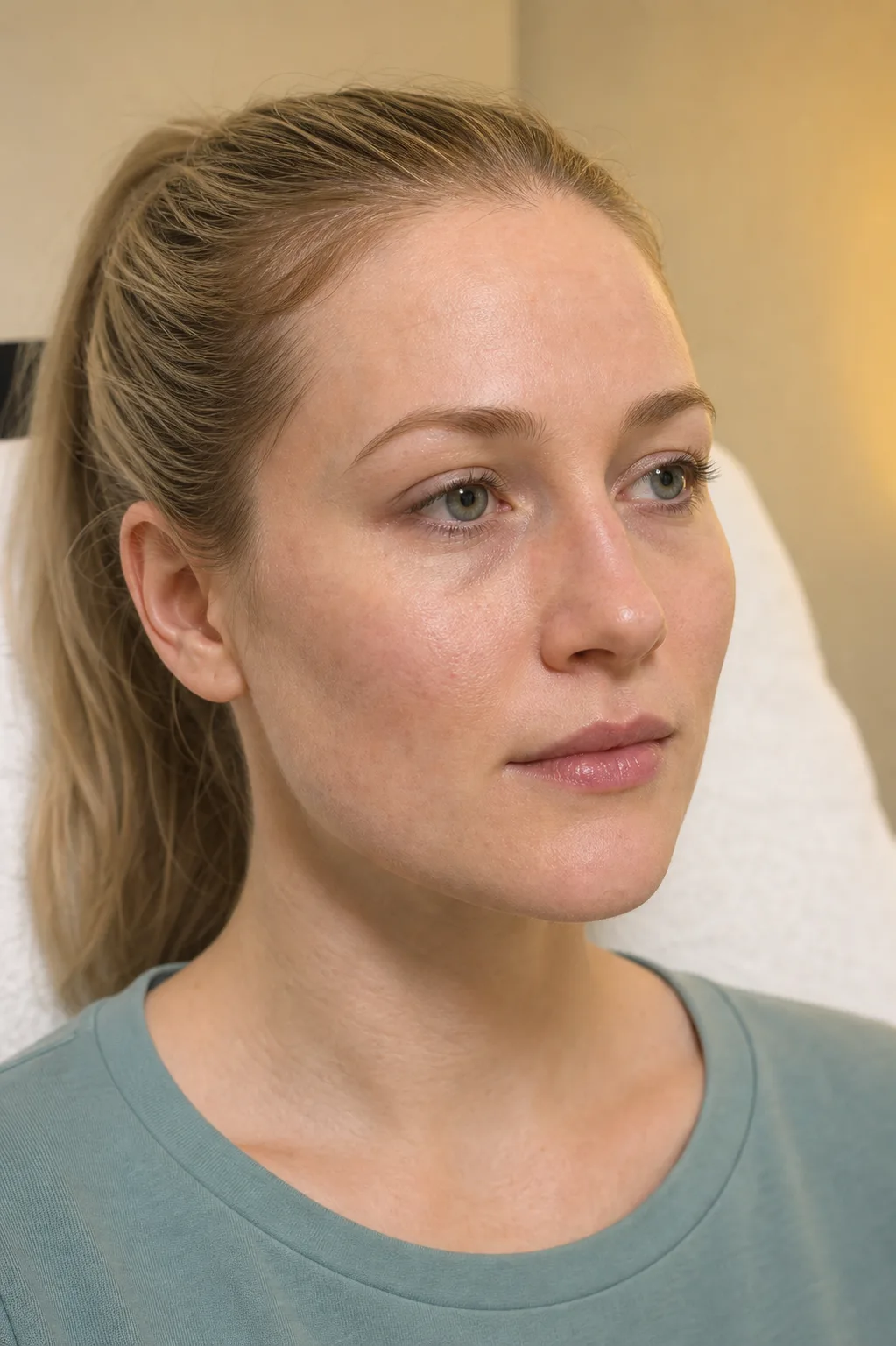
Is The Under Eye Concern A Groove, Colour Change Or Puffiness?
Use this as a preparation checklist. It is general information only and does not decide suitability.
| Question | Why it matters | Possible next step |
|---|---|---|
| Is the main concern a groove, colour change, puffiness or a mixed picture? | The same visible concern can have different drivers. | Corey may narrow the conversation to anatomy, skin, cheek support or another pathway. |
| Is there a health or safety boundary? | Vision symptoms, swelling, allergy history, medicines and recent procedures can change the discussion. | Timing or another clinically appropriate pathway may be safer. |
| Is the decision being rushed? | Events, social pressure or comparison photos can compress consent. | The consultation may be used for questions only. |
| What does review access look like? | Aftercare and review planning are part of a responsible pathway. | Treatment discussion should wait if follow-up is not realistic. |
Which Under Eye Questions Should I Bring To Corey?
Ask what appears to be driving the shadow, what remains uncertain, whether cheek support is part of the picture, whether another review pathway makes more sense and what would make waiting the better choice.
A focused guide should make the next step clearer, not pressure the reader into a treatment decision.
When Should Under Eye Assessment Wait?
More time or another pathway may be appropriate when timing is poor, an event is very close, health information is incomplete, symptoms need medical review, expectations are unsettled or follow-up would be difficult. It can also be appropriate to use the appointment for education only.
Your appointment is designed to clarify the concern, suitable options and what happens next.
Why Does The Under Eye Area Need A Careful Risk Discussion?
Relevant risks and limits depend on the area, health history and pathway discussed. They can include bruising, swelling, tenderness, asymmetry, dissatisfaction, delayed issues, altered balance and rare but serious complications that require urgent review.
Consent should include alternatives, costs, aftercare, review access, uncertainty and the option of doing nothing. A consultation is not an obligation to proceed.
Where is the tear trough?
The tear trough is the under eye groove near the inner lower eyelid, where the lower eyelid transitions into the upper cheek. People often notice it as a dark hollow rather than as a named anatomical line.
Under eye anatomy is delicate. The lower eyelid has thin skin and sits over the orbit, retaining structures and neighbouring cheek support. A small change in light or support can make a shadow look stronger.

What can create an under eye shadow?
Two people can describe the same tear trough concern but have different contributors.
| Contributor | How it may show | Why assessment matters |
|---|---|---|
| Lower eyelid skin | Thin or textured skin can reveal shadow and colour variation | Skin quality may be part of the explanation |
| Orbital rim and hollowing | A groove can form along the lower eyelid to cheek junction | Anatomy and support need assessment |
| Cheek support | Reduced cheek support can deepen the transition | The cheek may need to be assessed with the under eye |
| Pigment or vascular colour | Darkness may remain even without much hollowing | Skin or medical pathways may be relevant |
| Puffiness | Swelling above a hollow can increase contrast | Eye, allergy, sleep or medical history may matter |
| Lighting and camera angle | Shadows change strongly with light direction | Photographs should not be the only evidence |

How should you use this tear trough anatomy guide?
Use this guide when you want plain-language anatomy before deciding whether a consultation page is the better next read. It should help you describe the concern more accurately, understand why cheek support matters and recognise when waiting or referral may be the safer answer.
This page is for education, not diagnosis. It should make you more careful about the question, not more certain about a cosmetic solution.
When Can Cost Be Discussed For An Under Eye Concern?
This page does not quote a fee or imply that tear trough treatment is the expected next step. Costs are discussed only after Corey Anderson RN understands whether the main issue is a hollow, a cheek-support question, colour change, puffiness, timing, risk or another pathway entirely.
Common Questions
What does tear trough mean?
Tear trough describes the groove or hollow where the lower eyelid meets the upper cheek. It names the visible transition, but it does not prove why the shadow is appearing.
Is tear trough the same as dark circles?
Not always. Darker under eye colour can relate to shadow, skin thinness, vascular colour, pigment, puffiness, sleep or broader health factors, while a tear trough is usually a hollow or groove.
Why does cheek support matter in tear trough anatomy?
The under eye area does not sit alone. Cheek support and midface shape can change how strong the shadow looks, which is why Corey Anderson RN assesses the lower eyelid and cheek together rather than treating the groove as one isolated line.
When should medical, eye or dental review come first?
Another review pathway may come first if the concern is new, painful, swollen, one sided, linked to vision change, linked to allergy or sinus disease, or unclear enough that a public cosmetic explanation would be unsafe.
Can tear-trough anatomy change the timing or point to another review pathway?
Yes. Corey Anderson RN may recommend education only, waiting, another review pathway or an eye-area review plan if the cause is mixed, the timing is poor or the likely benefit does not justify risk.
What should I bring to a tear trough consultation?
Bring current medicines, allergies, relevant medical history, previous cosmetic treatment details, recent dental or eye care, travel or event timing and the specific under eye change you want clarified.
Can suitable eye-area options be discussed after tear-trough assessment?
Sometimes, but only after assessment, consent, risk discussion and Corey deciding that proceeding is clinically appropriate. Booking begins the consultation. It keeps the next step grounded in assessment rather than a pre-decided plan.
Sources and clinical references
- Ahpra guidelines for registered health practitioners who perform non-surgical cosmetic procedures
- Ahpra guidelines for advertising higher risk non-surgical cosmetic procedures
- Ahpra public register of practitioners
- TGA advertising health services and cosmetic injections FAQ
- TGA advertising health services that involve therapeutic goods
Is this for you?
Consider booking a consultation if
- Adults who want to understand under eye shadow or tear trough anatomy before booking
- Readers deciding whether cheek support, colour change or puffiness may be part of the concern
- Patients preparing questions before a tear trough consultation
This may not be for you if
- People seeking a diagnosis from a public page
- People expecting the page to confirm treatment suitability
- People who are not adult patients
Suitability is confirmed at consultation. This list is general guidance, not a substitute for clinical assessment.