
Facial lines · Oakleigh
Wrinkle consultations in Melbourne
Book a consultation for facial lines at Core Aesthetics in Oakleigh, Melbourne. Discuss forehead lines, frown lines or lines around the eyes without choosing a treatment first. Your appointment covers assessment, suitable options, risks, limits and costs. You can attend for information only; booking does not guarantee treatment.
Corey Anderson RN · Oakleigh, Melbourne · Adults 18 and over
12A Atherton Road, Oakleigh VIC 3166, inside BeautyTHEQUE. Map, parking and access · 0491 706 705.
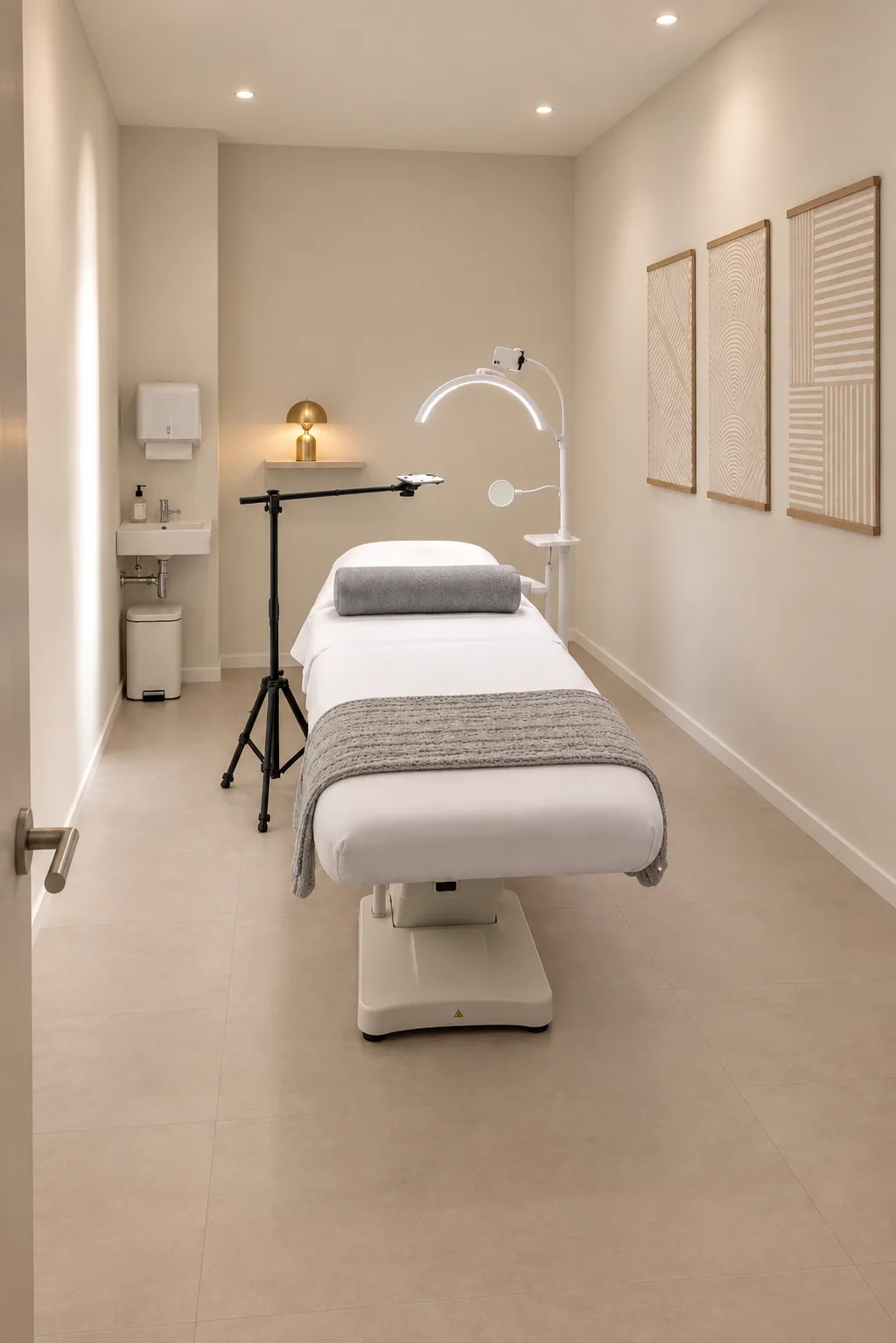
What your wrinkle consultation includes
You explain what you notice and when you see it. Corey reviews relevant health and previous-care information, observes the area at rest and during ordinary expression if you are comfortable, then explains what may or may not be suitable, realistic limits, risks, recovery considerations and private costs.
You do not need to know a treatment name. Mention what you would like to understand and any expressions or features you want to preserve. The appointment can be for information only.
Tell the clinician when the change began, whether it was gradual or sudden, and whether it came with pain, a rash, swelling or altered sensation. This helps separate a familiar facial line concern from a new health concern. A cosmetic booking should not delay medical assessment.
If several areas concern you or you are unsure which appointment to select, use the consultation chooser or ask the clinic for help. Check the current appointment description and any fee before confirming a time.
Some patients may be suitable for treatment on the same day as consultation, but this depends on clinical assessment, consent, timing, risk discussion and whether Corey decides proceeding is appropriate. Any required clinical arrangements must also be complete. You can choose another date or take more time to decide.
Which facial lines can you discuss?
You can discuss more than one area at the same appointment. These guides explain the concerns; they do not establish that treatment is suitable.
Who you will see
Your consultation is with Corey Anderson, Registered Nurse, Ahpra registration NMW0001047575. Verify practitioner and clinic details or read about Core Aesthetics before deciding where to book.
Clinical content reviewed on by Corey Anderson RN.
Suitability, risks and realistic limits
Corey assesses line location, movement strength, resting creases, brow position, eyelid and cheek context, skin quality, natural asymmetry and previous care. He also reviews health history, medicines, allergies, expectations, important dates and review access.
Corey uses those details when explaining temporary marks, swelling, tenderness, bruising, asymmetry, altered movement, dissatisfaction and uncommon complications relevant to any option considered. The discussion also makes clear that symmetry, a fixed duration and removal of every resting crease cannot be promised.
You should understand the alternatives, including waiting, another opinion or no cosmetic treatment. Use these four questions before agreeing.
Ask which risks are relevant to any option being considered, including headache, brow or eyelid heaviness and delayed concerns. A public page cannot provide individual consent.
Consultation cost and follow-up
One initial general consultation is complimentary per person. This does not include treatment or mean that treatment will be suitable.
Check the description and any fee for the consultation you select. That fee is separate from the cost of proposed treatment. If the listing or consultation and pricing information is unclear, ask the clinic before confirming a time.
Before agreeing to proposed treatment, ask for the full cost, what it includes and any possible additional charges. You can take time to consider it or decide against treatment.
The routine review is two weeks after treatment and is free to attend. Fees apply if additional treatment is required. Discuss aftercare, who to contact and any possible further costs before proceeding; do not wait for a routine review if you have concerning symptoms.
If you have travel or an event planned, discuss it before deciding and ask who to contact if the practitioner is unavailable.
Plan around work, caring duties and important dates as well as travel. Being nearby does not make someone suitable for cosmetic care. For non-urgent follow-up or feedback, email support@coreaesthetics.com.au; do not use email for urgent symptoms.
If you have had previous care
Bring approximate dates, areas, the treating clinic and any available records. Explain how movement felt afterward, what settled as expected and whether heaviness, asymmetry, discomfort or another change occurred.
Corey can assess what is visible now and identify which past detail genuinely matters. If something is unknown, label it accurately rather than guessing. The current baseline remains valuable even when earlier records are incomplete.
Bring relevant health information, including medicines and allergies, and your questions. Ordinary photographs are optional. You do not need to reconstruct an earlier treatment from memory to attend.
Bring current medicines, allergies, diagnosed conditions, pregnancy or breastfeeding information where relevant, active skin concerns, recent illness, dental or surgical care and any history that could affect healing or consent. For previous cosmetic care, bring the date, clinic, practitioner, area, documented product or medicine if known, quantity, early response, settled response, reviews and any adverse event.
Your visit to Oakleigh
Core Aesthetics is inside BeautyTHEQUE at 12A Atherton Road, Oakleigh VIC 3166. The entrance is directly on Atherton Road with one step into the store. There is street parking out the front and a large car park across the road; check signs and availability.
Open the clinic in Google Maps. Check parking and access details before travelling, or call 0491 706 705 if the entrance step may affect your visit. Email support@coreaesthetics.com.au for general clinic enquiries.
There is one Core Aesthetics clinic, in Oakleigh, not Ashwood or Malvern East. Plan from your actual starting address and consider whether returning for review would be practical.
See current consultation choices and availability, or call the clinic if you are unsure which appointment fits your concern.
Appointments are preferred. Walk-in enquiries or consultations may be possible when Corey is available.
Choose an appointment
You can book to ask questions. Booking does not commit you to treatment. If you are unsure, choose a consultation by concern or call 0491 706 705 for help.
Select an available time, then choose the consultation type and describe your concern. Check the appointment details before confirming. If the card is unavailable, open the full booking page.
An optional way to describe what you notice
If preparation helps, start with an ordinary setting where you notice the line: rest, conversation, concentration, bright light or smiling. Say whether it remains after your expression settles.
You can use the four expressions below and name a familiar expression or feature you want to preserve. You do not have to make a record, take photographs or repeatedly check your face. A plain description at the appointment is enough.
| Ordinary expression | What you could describe |
|---|---|
| Face relaxed | A line, texture or shadow you notice without deliberately moving your face. |
| Eyebrows raised | Where you notice forehead lines and what you want to keep about your familiar brow expression. |
| Brows gently together | The line between your brows during ordinary concentration. |
| Natural smile | Lines beside your eyes and the smile you want to keep familiar. |
These notes are optional preparation for a conversation, not a validated clinical test. They cannot diagnose a skin, eye or neurological condition, determine suitability, measure muscle strength or predict a result. They do not mean every visible line needs treatment.
These are description frames, not tests. Stop if an expression is uncomfortable, and do not repeat movements to make the concern look stronger.
Want to understand facial lines first?
Read what can contribute to facial lines and wrinkles or explore questions about facial expression. For a fuller appointment walkthrough, use the first-visit guide.
Check the practitioner and the information
Check the whole current record on the official Ahpra register, including the name, profession, status and any published conditions. The clinic’s stated registration number is not a substitute for that check. Registration alone does not decide whether an option is suitable for you.
The TGA health-service advertising guidance and Ahpra cosmetic procedure advertising guidance concern advertising responsibilities. They do not validate the optional expression notes or endorse this clinic. The patient-safety guide explains how to raise a concern and find independent complaint routes.
The Ahpra non-surgical cosmetic procedure guidelines set practitioner responsibilities for assessment, informed consent and aftercare. They are not evidence that a particular option is suitable for you.
Four Ways I Ask You To Describe A Wrinkle Concern
I Start With Four Practical Clues
Corey Anderson RN: Point to the line. Show me the ordinary expression that brings it out. Tell me where in daily life you notice it. Name the movement you want to keep. Those four clues distinguish a movement led line from a crease that stays at rest, and both of those from a feature that lighting is exaggerating. If the four answers don’t agree with each other, I document the difference rather than picking whichever photograph or description is easiest to explain.
Screens Need Real Life Context
Corey Anderson RN: Phone lenses, screen lighting, a paused expression and an unfamiliar angle can all make a line look deeper or less even than it does face to face. So I ask whether you see the concern in the mirror, in conversation and in ordinary photographs, then compare rest with movement. This isn’t me dismissing what you’ve seen online. It’s how I work out whether the line is a change I can assess consistently. If it turns out to be mainly image dependent, observation or skin focused advice may be more useful.
Preservation Sets A Boundary For My Advice
Corey Anderson RN: Do you want to keep an animated brow? A familiar smile? The way you look when you’re concentrating? A longstanding asymmetry? Those preferences define the limits of a responsible discussion, so I ask early. A resting crease may also reflect skin quality and may not follow movement alone. I’ll explain the relevant risks and the realistic limits without promising a fixed expression or a complete change. If what you’re asking for conflicts with natural movement, health context or informed consent, I may recommend more time, another pathway, or no cosmetic treatment.
Questions about facial lines
Can treatment be discussed at the first appointment?
Yes. If treatment is suitable and appropriate on the day, Corey can discuss it after assessment, informed consent and any required clinical arrangements. Your health history, previous care, timing and review access may affect that decision. You can use the appointment for information only; booking does not guarantee treatment.
When should I seek medical care instead?
For sudden facial droop or weakness, particularly with arm weakness or difficulty speaking, call 000 immediately. Healthdirect lists these as stroke warning signs. Sudden vision change or vision loss needs immediate medical assessment; if a doctor or optometrist is unavailable, go to the nearest hospital emergency department or call 000 for an ambulance. Do not wait for a cosmetic appointment.
How can I describe when I notice a line?
Describe an ordinary setting where you notice it, such as rest, conversation, concentration, bright light or smiling. Say whether it remains after the expression settles and what movement you want to keep. A plain description is enough; you do not need to take photographs or assess the cause yourself.
Why compare the forehead, brows and upper eye area?
Forehead, brow and upper eye movement can appear together. Raising the brows changes the forehead and upper eye area, so Corey considers habitual movement, brow position, upper eyelid context, skin and asymmetry. Comparing areas helps identify your leading concern without assuming every visible line needs the same plan.
What if I notice the line only while smiling?
Corey compares your natural smile with rest and considers nearby movement, cheek context, skin texture and shadow. Tell him which familiar expression you want to keep. That is a discussion goal, not a promised result.
What if the line remains when my face settles?
Tell Corey how long it remains and whether skin texture also concerns you. A resting line presents a different planning question from movement alone and still needs individual assessment.
Which guide fits a forehead concern?
If your main concern is forehead lines or brow movement, use the forehead consultation guide. Tell Corey whether you notice the change during speech, reading or screen use, and which expressions you want to keep. If several areas concern you, discuss them together. These guides explain assessment; they do not mean treatment is needed.
Should I bring photographs?
One or two unfiltered photographs can help when they show an ordinary setting that is difficult to recreate. They provide context but cannot replace direct movement and resting assessment. No photographs are required; written observations are enough if you prefer.
Which symptoms need urgent medical attention?
Severe or worsening pain, visual change, breathing difficulty, collapse, rapidly spreading redness, fever, unusual skin colour, weakness, altered sensation or rapid deterioration need urgent assessment. Call triple zero for severe or life threatening symptoms.
When medical assessment comes first
A longstanding line that appears in a familiar expression can be discussed in a routine consultation. A sudden unexplained change is different. New drooping, weakness, numbness, visual disturbance, severe headache or significant pain needs prompt assessment through an appropriate health service.
New severe or worsening pain, visual change, breathing difficulty, collapse, rapidly spreading redness, fever, unusual skin colour, weakness, altered sensation or rapid deterioration need urgent medical assessment. Call triple zero for severe or life threatening symptoms.
A routine cosmetic appointment is not an urgent medical service. This page provides general information, not a diagnosis or a personal recommendation.
For sudden facial droop or weakness, particularly with arm weakness or difficulty speaking, call 000 immediately. Healthdirect lists these as stroke warning signs. For sudden vision change, read Healthdirect’s immediate medical-help guidance, not a cosmetic booking pathway.
A new or changing skin lesion, severe or unusual headache, injury, infection, marked swelling or another acute change also needs an appropriate health assessment. Core Aesthetics does not diagnose neurological, eye, dermatological or acute medical conditions through a routine cosmetic consultation. An elective appointment can wait while the health question is assessed.
By Core Aesthetics. Page updated . General information only, not a diagnosis or personal recommendation. Read about informed decisions and patient safety. Clinic and practitioner details: Corey Anderson RN.