Wrinkle treatment can affect facial expression because it is used in areas involved in movement. The degree of change depends on the area assessed, baseline anatomy, brow position, smile pattern, prior treatment history, suitability, consent and expectations. At Core Aesthetics, Corey Anderson RN discusses expression goals and risks before deciding whether treatment, adjusted timing, review with another health professional or another pathway is appropriate.
Why Is Expression A Clinical Planning Issue?
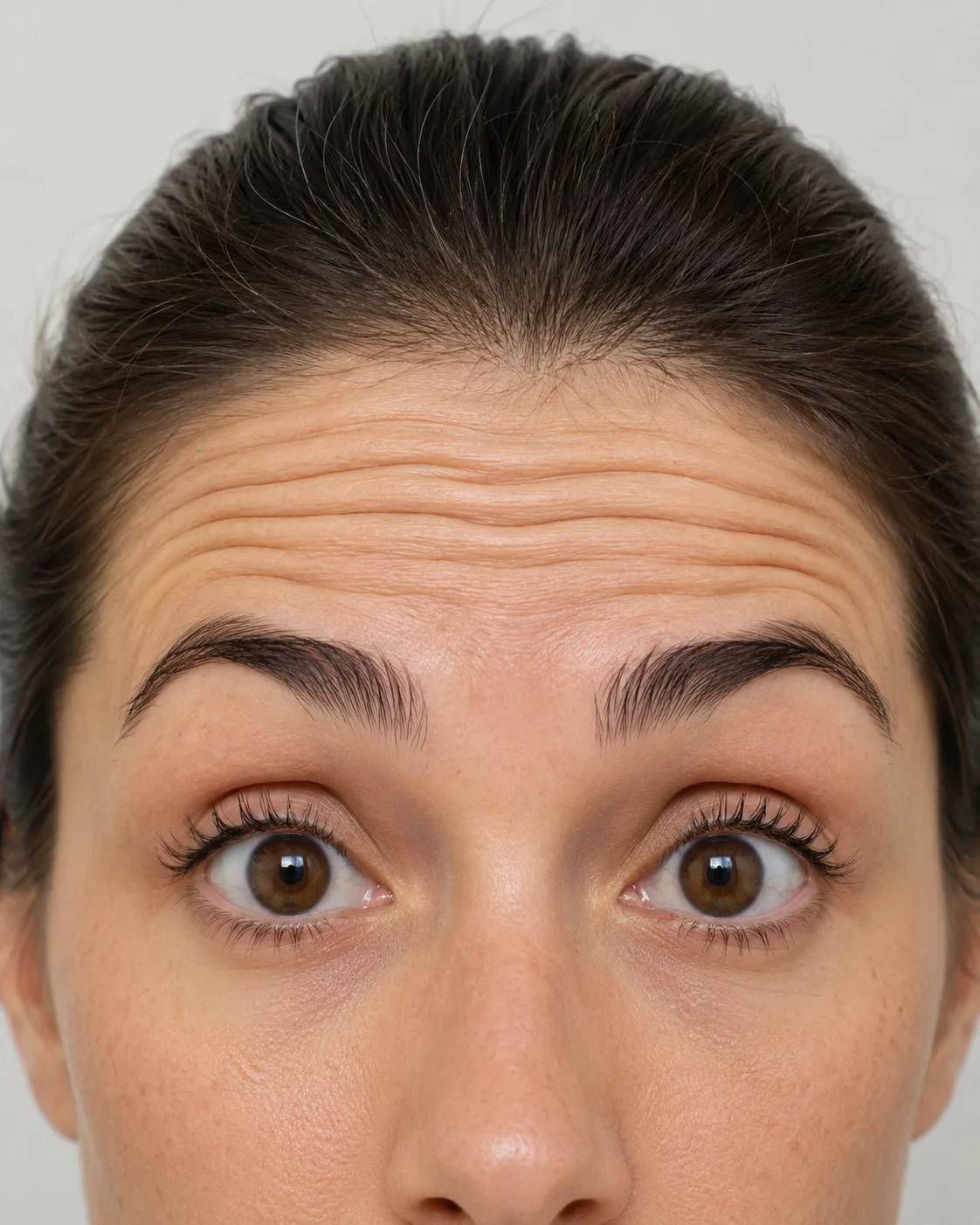
Expression is not a decorative detail. It is part of the clinical map. A forehead that lifts strongly, brows that sit low, a smile that depends heavily on eye movement, or a frown pattern that pulls the brows inward can all change how a wrinkle concern is assessed.
This is why a treatment plan should not be built from a static photograph or a single line someone dislikes. Corey considers movement patterns, resting lines, brow support, skin quality, facial proportion, medical history and previous treatment experience. The aim is to understand what is contributing to the concern before deciding whether any treatment discussion is appropriate.
Which Areas Can Affect Expression Most?
The upper face is where many people notice expression changes most clearly. Forehead movement contributes to alertness and brow position. The frown area influences how strongly the brows draw together. Movement around the eyes contributes to smiling and squinting. None of these areas can be assessed properly in isolation.
For example, someone who relies on forehead movement to hold the brows open may need a more cautious discussion than someone with a naturally higher brow position. Someone whose smile is strongly carried by the eye area may care more about preserving animation there. This is why related concerns are often reviewed together through pages such as forehead wrinkle consultation, frown line consultation and crows feet consultation.
What Is The Difference Between Softened And Restricted Movement?
Some people want movement to feel softer while still being able to show normal expression. Others are more concerned about avoiding any sense of restriction. Both priorities should be discussed clearly. A cautious consultation explores what you mean by natural looking, expressive, polished or restrained, because those words can mean different things to different people.
Overly strong movement reduction can feel unfamiliar or visually unbalanced, especially if one area moves much less than the areas around it. Assessment can reduce avoidable risk, but it cannot assure a specific appearance or expression outcome. The ethical approach is to explain the uncertainty honestly and plan conservatively where that is clinically appropriate.
What Does Corey Review During Consultation?
Corey reviews your concern, facial movement, brow position, smile pattern, asymmetry, skin quality, medical history, medicines, prior cosmetic treatment and expectations. This is also where risks and limitations are discussed. If the concern is mainly structural, skin related or not suited to wrinkle treatment planning, the safer recommendation may be to wait, refer or discuss another pathway.
| Assessment point | Why it matters | Possible decision |
|---|---|---|
| Brow position | Low or compensating brows can change how upper face movement should be assessed. | Proceed cautiously, wait or avoid a plan that may feel heavy. |
| Smile pattern | Eye and cheek movement can affect how expression feels after planning. | Discuss limits, alternatives or whether treatment is suitable. |
| Prior treatment | Previous response can change expectations, timing and risk discussion. | Review records, stage decisions or wait for settling. |
| Risk tolerance | Some people value expression movement more than line softening. | Choose restraint, a movement-focused review or a narrower discussion. |
Why Can First Time Treatment Feel Unfamiliar?
For first time patients, even a cautious change in movement can feel noticeable because the sensation is new. That does not prove anything has gone wrong, but it does mean expectations need to be discussed before options are discussed. Some people are comfortable with less movement once they understand what may happen. Others decide they would rather wait.
A careful first consultation often focuses on matching the plan to the person, not pushing the person toward a predetermined plan. If preserving expression is your main priority, say that early. Your consultation should provide clarity about suitable options, relevant risks and what happens next.
When May Treatment Not Be Suitable?
Treatment may not be suitable when expectations depend on certainty, complete correction or a specific promised appearance change. It may also be inappropriate where anatomy, medical history, active skin concerns, pregnancy, trying to conceive, breastfeeding, medicines or unresolved health issues change the risk profile. Some concerns are better assessed by a doctor or another health practitioner before cosmetic treatment is discussed.
A consultation led clinic should be comfortable saying no, not yet, or not this pathway. That protects the patient and the clinic. It also keeps the conversation grounded in clinical responsibility rather than momentum.
Movement assessment and the next step
Core Aesthetics is consultation led and focused on useful next steps. Some patients may be suitable for treatment after individual assessment, but this depends on clinical assessment, informed consent, realistic expectations and whether proceeding is appropriate. The appointment turns your questions into suitable options, timing and a clear next step.
If the assessment does not support proceeding, Corey may recommend waiting, gathering more medical information, reviewing the concern again later, or considering a different pathway. That pause is not poor service. In aesthetic medicine, restraint is often the part that prevents a small decision becoming a larger problem.
Which Risks And Limits Need Consent?
Risks relevant to expression may include asymmetry, heaviness, unwanted movement change, an expression that feels unfamiliar, brow or eyelid position concerns, bruising, tenderness and dissatisfaction with the degree of change. Individual risks vary, so they need to be explained in the context of your anatomy and health history.
Consent is not a formality at the end of the appointment. It is the process of understanding what is being considered, why it may or may not be suitable, what alternatives exist, what risks apply and what limitations remain. If you feel unsure, asking for more time is appropriate.
How Are Costs Discussed?
Cost only becomes meaningful after Corey understands the concern, the areas being assessed, whether wrinkle treatment discussion is appropriate and whether a staged or more conservative approach may be safer. A price should never replace assessment, consent or suitability review.
If treatment discussion is appropriate, useful related pages include pricing and cost clarity, wrinkle consultation, treatment suitability assessment and patient safety in aesthetic consultation. These pages support informed discussion only; they do not confirm suitability.

Questions Worth Bringing
If your main concern is expression, useful questions include: which movements are contributing to my concern, which expressions may feel different, how does my brow position affect planning, what would make treatment unsuitable, and would waiting or staging the plan be more cautious?
You may also want to read treatment suitability assessment, patient safety in aesthetic consultation and what to ask before an aesthetic consultation. Those pages sit beside this guide because expression concerns are rarely only about one line on the face.
How Should You Start?
If expression is your main concern, start with a consultation rather than trying to decide the plan from a single line or static photo. Corey can assess movement patterns, explain what may or may not change, and decide which options may be suitable, whether timing needs adjusting and what next step fits best.
You can book a consultation, prepare questions with this guide, or read the related area pages for forehead, frown and outer-eye movement if the concern feels more specific.
Clinic Details And Verification
This page was last reviewed on 2026-09-01.
Core Aesthetics is located at 12A Atherton Road, Oakleigh VIC 3166, phone 0491 706 705. Consultations are led by Corey Anderson RN, Ahpra registration NMW0001047575. You can also use the verification page before booking or contacting the clinic.
General Information Only
This page provides general information for adults considering wrinkle treatment consultation. It does not provide a diagnosis, treatment recommendation or confirmation of suitability. Individual advice requires assessment by an appropriately registered health practitioner.
Is this for you?
Consider booking a consultation if
- You are an adult considering wrinkle treatment and want to understand possible effects on expression
- You want facial movement, brow position, smile pattern and suitability assessed before treatment is discussed
- You value a consultation first approach with risks and expectations explained clearly
- You are open to treatment, waiting, another pathway or a movement-focused review depending on assessment
This may not be for you if
- You are seeking certainty, complete correction or a promised appearance change
- You are seeking elective cosmetic care for someone who is not an adult
- You are pregnant or trying to conceive and are seeking elective aesthetic treatment
- You have an active infection, unhealed skin or an unresolved medical concern in the area to be assessed
Suitability is confirmed at consultation. This list is general guidance, not a substitute for clinical assessment.
Frequently asked questions
Will I still be able to move my face after wrinkle treatment?
Some movement may remain, but the amount depends on the area assessed, your anatomy, treatment history, suitability and the clinical plan. A consultation is needed to discuss which movements may change and which suitable options are worth discussing for you.
Can wrinkle treatment make my expression look restricted?
It can if movement is reduced more than suits the face or if one area becomes visually out of balance with surrounding movement. Careful assessment can reduce avoidable risk, but no consultation can promise a particular expression outcome.
Which areas are most likely to affect expression?
People often notice expression changes most in the forehead, frown area and around the eyes because these areas contribute to brow movement, concentration, smiling and squinting. Corey assesses the whole upper face rather than treating an area in isolation.
Can first time wrinkle treatment feel strange?
It can feel unfamiliar for some first time patients because movement sensation may change. That is one reason expectations, expression goals and risk tolerance should be discussed before options are discussed.
What will the movement assessment clarify?
Some patients may be suitable for an option discussion, but only after clinical assessment, informed consent, realistic expectations and a decision that proceeding is appropriate. The appointment creates time for assessment, questions and a clear plan.
What can make treatment unsuitable?
Treatment may be unsuitable if expectations rely on certainty or complete correction, if medical history or current health factors increase risk, if the concern is not suited to wrinkle treatment planning, or if adjusted timing, review with another health professional or another pathway is more appropriate.
Can consultation tell me how treatment may affect expression?
No. Consultation helps Corey assess suitability, plan cautiously and explain risks, but it cannot assure a specific appearance. Individual anatomy, movement pattern, treatment history and healing all vary, so the safer discussion is what can be assessed and what should be avoided.
What should I ask Corey if I am worried about expression?
Ask which movements are involved, how your brow and smile pattern affect planning, what changes may feel noticeable, what risks apply to you and whether waiting or a staged approach would be more appropriate.
How are costs discussed?
Costs are discussed after Corey understands the concern, the areas being assessed, whether wrinkle treatment discussion is appropriate and whether a staged or more conservative pathway may be safer. Price should never replace assessment or consent.
How do I verify Core Aesthetics before booking?
Before booking a facial-expression consultation, check the Verify Core Aesthetics page and the Ahpra public register so you know who will assess expression change and where the consultation will take place. Corey Anderson RN is listed with Ahpra registration NMW0001047575.