
CORE AESTHETICS · OAKLEIGH
What happens at an aesthetic consultation?
Corey greets you at the clinic, then you sit down together to talk about your concerns, health and what you would like to change. He assesses the area and explains suitable options, risks and costs. You decide whether to take the information home or proceed with treatment, if appropriate. There is never any sales pressure.
No pressure. No obligation to proceed.

ARRIVING AT THE CLINIC
What happens when I arrive?
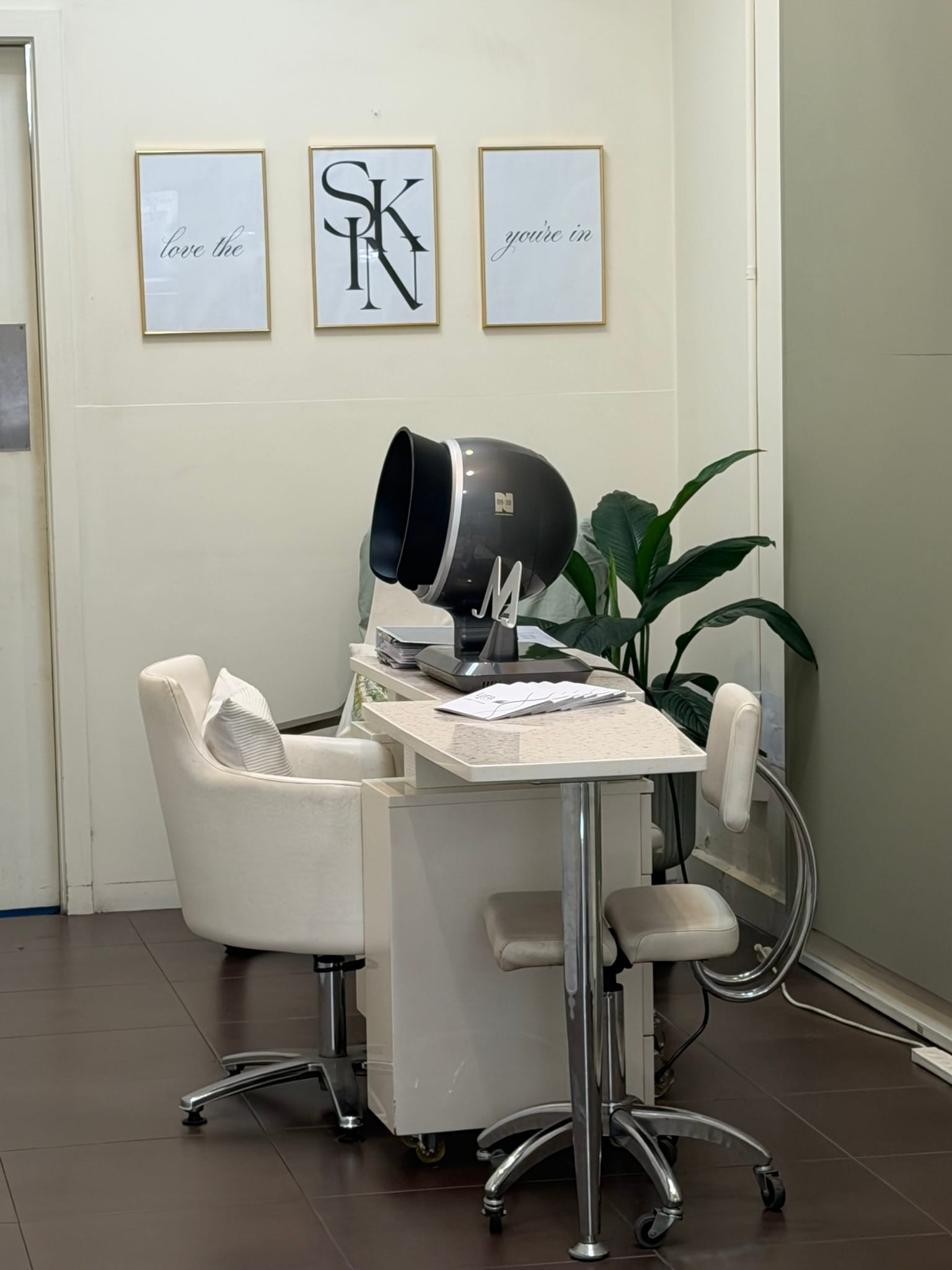
Corey welcomes you to Core Aesthetics and takes you into the consultation room. He personally conducts your consultation, so you speak directly with the practitioner who would provide your care.
Your initial consultation is at no charge and generally lasts 30 minutes. You do not need to arrive with a treatment picked out or know the medical name for your concern.
IN THE CONSULTATION ROOM
What will we talk about in the consultation room?
You have an open, honest conversation about what you have noticed, what you would like to change and what you want to keep. For example, you might say, “My upper lip looks smaller when I smile” or “These lines stay when my face is relaxed.”
Corey asks about your medical history, medicines, allergies and previous cosmetic care, then assesses the area with your permission. He may ask you to smile, frown or raise your eyebrows to see what changes with movement. You can ask questions throughout, and he explains what may help and what may not.
Will I get a proposed treatment plan?
Yes, if treatment is appropriate. Corey explains what he proposes, why it may help, what could realistically change and what is likely to remain. For example, changing lip shape at rest may not address uneven movement when you smile.
The plan is a proposal for you to consider. If skincare, waiting, another health professional or no treatment makes more sense, Corey explains that instead. You do not have to agree to a procedure to get useful advice.
When will I hear about the price and risks?
Before you decide. Corey explains the itemised price, what it includes, the possible benefits, limitations and risks, and what recovery and aftercare would involve.
Ask about anything that is unclear and tell him if the cost is beyond your budget. No treatment starts until the costs are agreed, your questions have been answered and you have given informed consent.
Can I take the information home and decide later?
Absolutely. You can leave with information only, take time to think or decide against treatment. There is never any sales pressure, and booking a consultation does not commit you to buying anything.
If you would like a summary of the proposed plan or need something explained again, ask Corey. The decision to proceed should be yours, made when you understand the options and feel ready.
What happens if I want treatment that day?
Treatment can usually be arranged at the end of your consultation when it is suitable for you. Corey first completes your individual assessment, explains the risks and alternatives, confirms the required clinical arrangements, obtains your informed consent and agrees the costs with you.
If treatment cannot go ahead that day, he explains why and what needs to happen next. You can still choose to take the information away; treatment is not confirmed when you book.
What happens after treatment?
Corey gives you aftercare instructions for the procedure you have had. These explain how to care for the area, any activities to avoid, what changes you might expect and which symptoms need advice or urgent medical attention.
Before leaving, make sure you know how to contact the clinic and what to do if you have a concern. If your visit was information only, there is no procedure-related aftercare or recovery to plan for.
When will I come back for a follow-up?
A follow-up appointment is arranged two weeks after treatment to review your results and recovery. This is a chance to discuss how things have settled, ask questions and have any concerns assessed.
The review date does not mean every procedure reaches its final outcome in two weeks. If you have unexpected or worsening symptoms, seek advice sooner rather than waiting for that appointment. Serious symptoms need urgent medical care.
What should I bring to my first appointment?
Bring your medicine and supplement list, details of allergies and any records of previous cosmetic treatment. Dates and the area treated are useful, especially if you had a problem afterwards.
You can also bring your questions, an older photograph that shows the change you mean, and the dates of any upcoming event or trip. If you do not have previous records, tell Corey rather than guessing what was used.
What if I feel nervous or want to stop?
Tell Corey, and ask him to slow down, explain a step or take a break. You can pause or stop the assessment. If needles worry you, keep the visit to conversation and assessment only.
You do not need to agree to treatment to attend. Let the clinic know about any communication or access needs before your visit so arrangements can be discussed.
Can my photographs be used online without my agreement?
No. Agreeing to photographs for your clinical record does not give permission to use them on a website or social media. Advertising use requires separate consent, and you can decline it.
Before any clinical photograph is taken, you must be asked for consent and told why it is needed and how it will be used and stored, as set out in Ahpra cosmetic procedure guidance.
CORE AESTHETICS · OAKLEIGH
Book your consultation with Corey
Come with your questions. You can use the appointment entirely for information, or discuss suitable treatment if you want to proceed.
View available appointments