
Facial change · Oakleigh
Facial volume consultations in Melbourne
Concerned about facial hollowing, flatter cheeks or changes across several areas? At Core Aesthetics in Oakleigh, a facial volume consultation considers what you have noticed, your health and previous care. Discuss suitable options, their limits, risks and full costs before deciding. You do not need to choose a procedure before booking.
Corey Anderson RN · Oakleigh, Melbourne · Adults 18 and over
12A Atherton Road, Oakleigh VIC 3166
Inside BeautyTHEQUE · 0491 706 705
What your consultation includes
Describe the facial change that brought you in, when you noticed it and what you would prefer to keep. If several areas seem connected, say which change you noticed first, what appeared to change nearby and what still feels familiar. Corey Anderson RN reviews relevant health, medicines, allergies, weight change and previous cosmetic or dental care, then assesses the face with your agreement, from the front and side, at rest and in ordinary movement. You can discuss what may be contributing, what an option could and could not change, alternatives including waiting, risks, recovery and full cost. You do not need to choose a procedure before the appointment.
Is this the right appointment for your concern?
A tired or hollow appearance may reflect skin, soft tissue, facial structure, movement, lighting or previous care. A photograph alone cannot show which factor matters most. This broader appointment is useful when several areas are involved or you are unsure what has changed.
If the change looks more like a fold, heaviness or a difference between neighbouring areas than a hollow, say so. These are observations, not diagnoses; assessment may change the working description. The boundary between the lower eyelid and cheek, or between the chin and jaw, may also look different with lighting or expression; describe the change without assuming its cause.
A naturally lean face does not itself need treatment.
If you want to read about one concern first, choose the closest guide:
You can also book the broad consultation from this page without opening another guide.
Who you will see
Your consultation is with Corey Anderson, Registered Nurse, Ahpra registration NMW0001047575. Verify practitioner and clinic details or read about Core Aesthetics before deciding where to book.
Describe the timing of the change
Looking at the face as a whole does not commit you to treating multiple areas. Explain your main concern and what you would prefer to leave unchanged.
Before discussing an option, note when the change began. Was the contour visible in older ordinary photographs, did it develop gradually, does its appearance vary between days or lighting, or is it recent? Bring dated photographs and the timing of relevant weight, dental, health or previous cosmetic changes if you have them. This timeline helps frame the assessment; it cannot diagnose a cause. A new, unexplained change may need medical or dental review first.
Hollowing, loose skin and shadows
Facial structure, fullness, skin position and changes in weight can all affect the cheek and temple outline. An inward dip is different from skin that has become loose and sits lower; a shadow can also exaggerate a contour. Corey should explain which features appear relevant in your face and what remains uncertain. An older photograph may help describe a gradual change, but it cannot decide treatment suitability on its own.
A puffy lower eyelid can sit next to a hollow-looking upper cheek. That does not mean the whole area needs more fullness. If your main concern is beneath the eye, use the under-eye consultation guide.
If the change appears mainly when you look down or use a close phone camera, describe that context and whether you also notice it looking ahead or during ordinary conversation. One image cannot establish the cause or prove volume loss. An ordinary photograph is optional; you do not need a formal photo set to book.
Risks, limits and alternatives
Risks depend on the area, option, anatomy, health and previous care. They may include pain, bruising, swelling, infection, asymmetry, lumps, unwanted appearance, tissue injury, vascular complications, delayed problems and further care. Read Ahpra’s patient information about procedure risks.
The consultation should leave you clear about the recommendation, what it cannot achieve, alternatives and what happens afterwards. You can seek another opinion, take time to decide or choose no cosmetic treatment. Read the questions to ask before agreeing.
Skin care may help dryness or surface texture without changing deeper contour; a substantial lifting goal may need another specialist opinion. Ask what difference is realistic, what familiar features may change and what would remain unchanged. A promise to restore a previous face or to avoid all visible change would be misleading.
Previous cosmetic or dental care
Bring dates, practitioner details and records where available, along with what has changed since. If details are incomplete, separate what the records confirm, what you are unsure about and what you noticed afterwards; appearance alone cannot establish what was done. Earlier care can affect what is sensible to discuss, whether more time or records are needed, or whether another health professional should review the concern.
New puffiness, a lump or unevenness after previous care needs review before further cosmetic treatment is considered. See questions about previous cosmetic care.
When medical or dental assessment comes first
New one-sided changes, pain, rapidly evolving symptoms or dental and bite concerns need their appropriate medical or dental pathway. A cosmetic consultation does not diagnose a medical or dental condition.
If there is an active rash, broken skin, persistent redness or altered sensation in the area, seek appropriate skin or medical assessment before making a cosmetic treatment decision. Read what to notice about your skin before consultation.
If one side of the face suddenly droops or becomes weak, particularly with arm weakness or trouble speaking, call 000 immediately. Sudden vision change or loss needs immediate medical help, not a cosmetic appointment. See Healthdirect on stroke signs and Healthdirect on sudden vision loss.
New, painful, rapidly changing or unexplained facial swelling, or weight loss you did not intend, calls for an appropriate medical assessment first. A cosmetic consultation does not diagnose the cause of unexplained weight loss.
Consultation cost and follow-up
One initial general consultation is complimentary per person. Check the duration shown for the appointment you select when booking. If care is proposed, Corey explains the full cost and what it covers before you agree. Read the pricing process.
If treatment proceeds, a review is available two weeks later at no charge to attend. A fee applies if extra treatment is required and should be explained beforehand. Discuss aftercare, who to contact and possible further costs; do not wait for a routine review if a symptom needs prompt assessment.
Your visit to Oakleigh
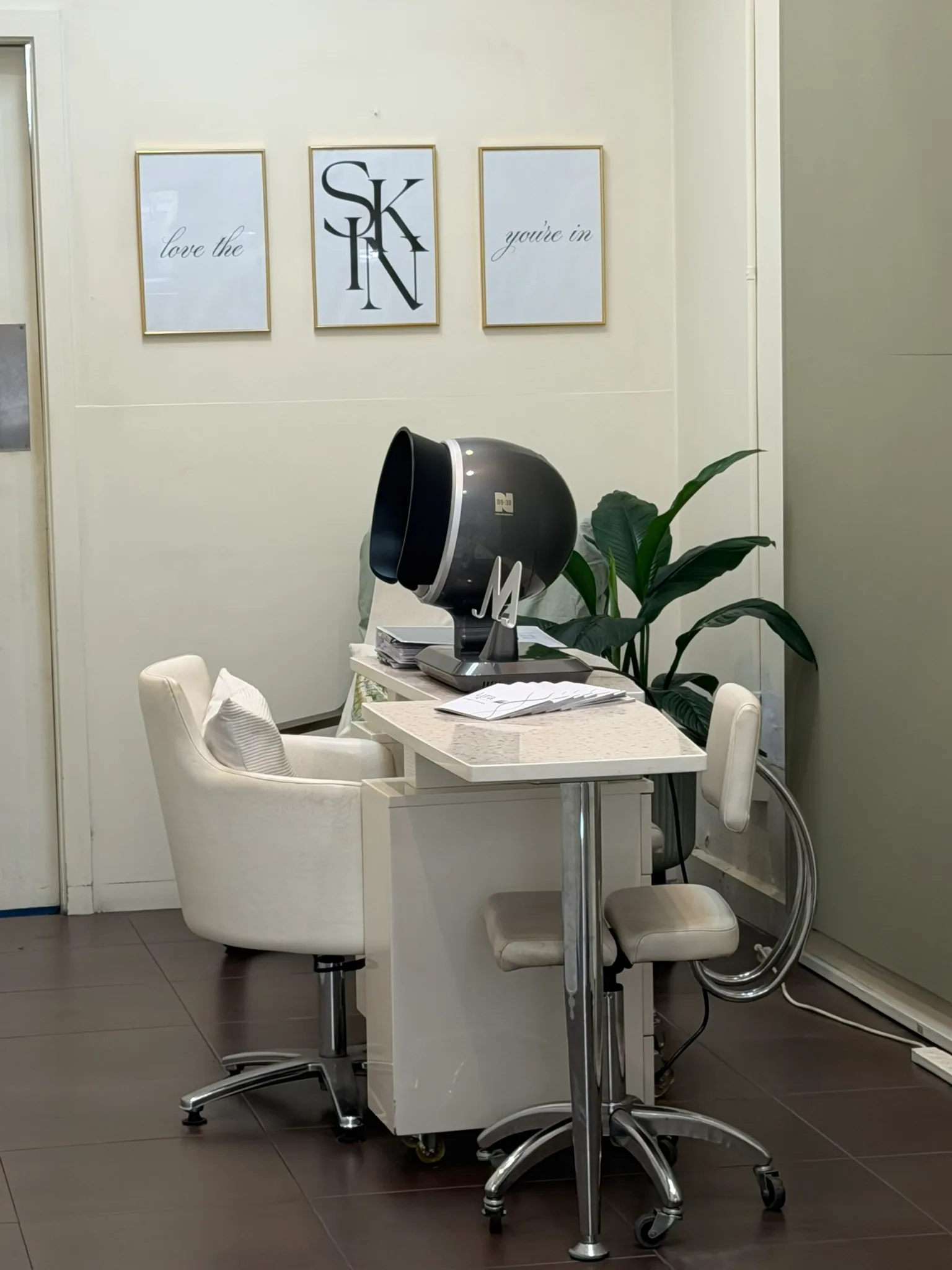
Core Aesthetics is inside BeautyTHEQUE at 12A Atherton Road, Oakleigh VIC 3166. The entrance is directly on Atherton Road with one step into the store. There is street parking out the front and a large car park across the road; check signs and availability.
Open the clinic in Google Maps. Check parking and access details before travelling, or call 0491 706 705 if the entrance step may affect your visit. Email support@coreaesthetics.com.au for non-urgent enquiries, not emergencies.
Check live appointment availability. Appointments are preferred; walk-in enquiries or a consultation may be possible when Corey is available.
Want to read more before your appointment?
Explore ageing and anatomy questions or read what to expect at your first consultation. If your concern follows previous care, use the previous-treatment assessment guide.
If weight loss is part of your concern, read how timing and health context affect an assessment.
What I Check Before I Call A Facial Change ‘Volume Loss’
I Start With The Source, Not The Label
Corey Anderson RN: When you tell me your face has lost volume, I treat that phrase as a starting point, not a clinical finding. So I’ll ask you to show me the change. Then I work through five things: the skin surface, the mobile soft tissue underneath, the structural and dental support beneath that, how your face moves, and any care you’ve had before. The same shadow can come from more than one of them. If I can’t work out which is leading, I document that uncertainty and we discuss observation, records or another clinical pathway, rather than my attaching a convenient treatment label to it.
I Standardise The View Before Comparing
Corey Anderson RN: I compare the concern under consistent light, camera distance and head position. At rest first, then during ordinary movement. A close phone image or a different expression can make an area look fuller, flatter or less even without establishing that anything has actually changed in the tissue. So I ask when you notice the feature in everyday life, and whether it stays visible across views. If it can’t be reproduced reliably, I’d rather observe it or review it later than plan from one photograph.
A Wider Look Can Still Lead To A Focused Answer
Corey Anderson RN: I may examine your cheeks, temples, chin, jaw, teeth and facial movement even when you’re pointing at one small area. That wider view is there to explain the relationship, not to build a longer list of care. It might support a focused discussion. It might turn up a dental or medical question, show that previous care is unsettled, or confirm that ordinary variation matters more. Observation, referral or no cosmetic treatment are all complete consultation outcomes as far as I’m concerned.
Before you book
Can I bring photographs?
Yes. A photograph can help explain the concern, but lighting, angle, expression and filters can change how a face appears. It cannot establish suitability or select a cosmetic option.
Can suitable care be discussed on the day?
Consultation comes first. If treatment is suitable and appropriate on the day, this can be discussed with Corey during your appointment. Booking does not guarantee treatment. Informed consent, the required clinical arrangements and agreed costs must be in place before proceeding.
Can I ask about hollow cheeks and temples in the same visit?
Yes. Tell Corey which area matters most and how it has changed. A focused facial-volume consultation can consider the cheeks, temples and neighbouring midface without assuming every area needs treatment.
Should I wait until my weight is stable?
You can ask for advice now, but ongoing weight change may alter facial contour and affect a cosmetic decision. If weight loss is unintended or unexplained, see your GP for medical assessment first.
Can I attend just to understand my options?
Yes. One initial general consultation is complimentary per person and does not require treatment. Ask about possible benefits, limits, alternatives, risks, full cost and time to decide.
Choose an appointment
You can book to ask questions. Booking does not commit you to treatment.
Select an available time, then choose the consultation type and describe your concern. Check the appointment details before confirming.
General information only, not a diagnosis or personal recommendation. Read about informed decisions and patient safety.
By Core Aesthetics. Page updated 16 October 2026. Consulting practitioner: Corey Anderson RN.