Ageing or anatomy should be assessed before volume treatment is discussed. A hollow, fold, flat area or shadow may reflect natural facial structure, ageing change, skin quality, weight change, expression, previous treatment or lighting rather than a simple volume problem. At Core Aesthetics, Corey Anderson RN uses consultation to decide what appears to be driving the concern, what remains uncertain, what risks and alternatives apply, and which options may be suitable, whether timing needs adjusting and what next step fits best.
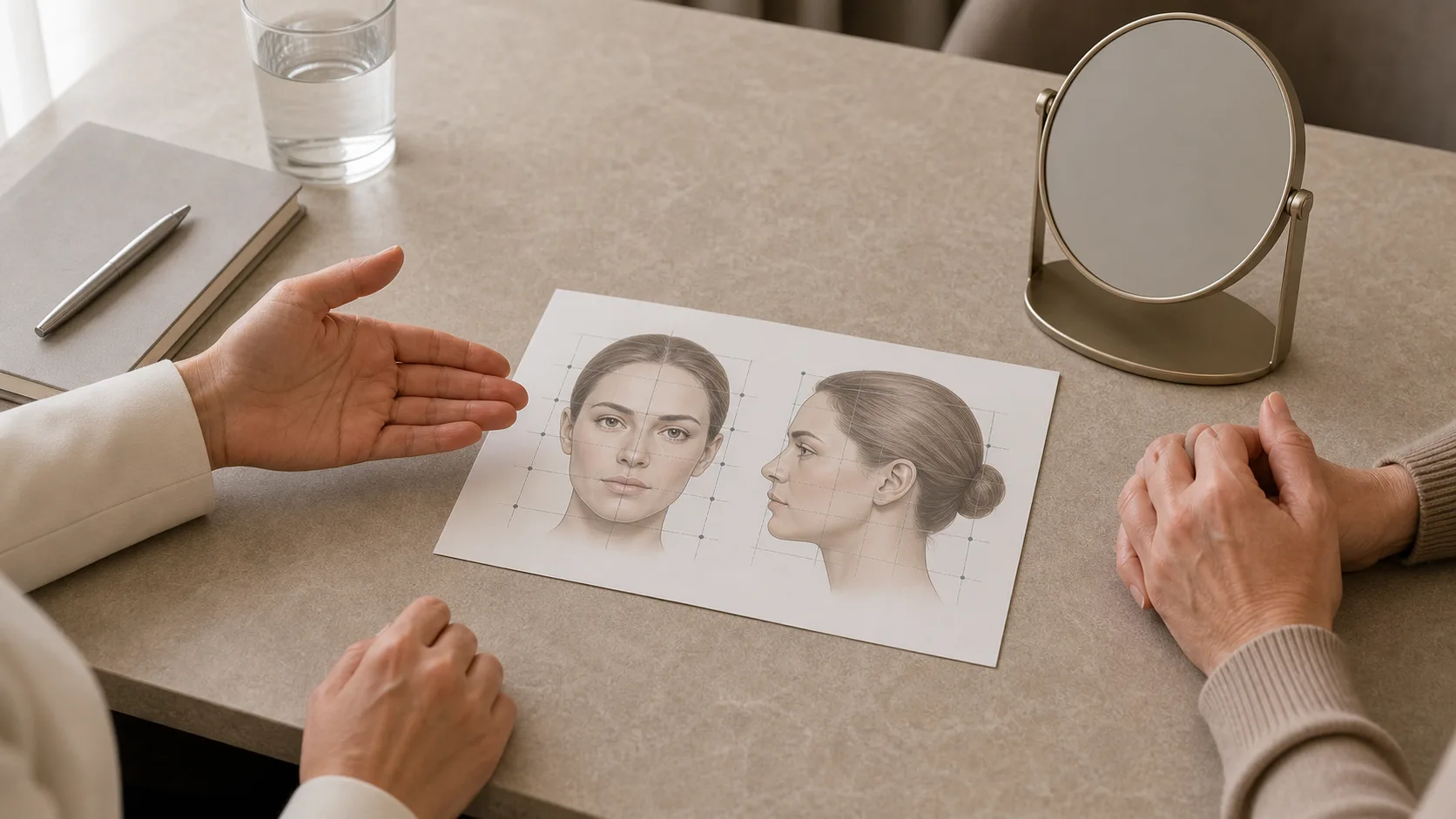
Ageing And Anatomy Are Different Questions
Ageing asks what has changed over time. Anatomy asks what has probably always been part of your facial structure. Both can affect shadows, folds, cheek shape, under-eye support, jawline balance and overall facial proportions.
That distinction matters because a treatment discussion should not begin with the assumption that every hollow, fold or flat area needs volume. The first step is assessment.
Why The Same Concern Can Have Different Causes
The same concern can come from different sources: bone support, facial fat compartments, skin quality, movement, weight change, swelling, lighting, previous treatment, expression or normal anatomy.
Facial ageing research describes changes across multiple facial layers rather than one single cause. That is why Corey looks at the whole face and history before deciding whether a volume discussion is appropriate.
What Corey Assesses First
The consultation is designed to separate observation from suitability.
| Assessment point | Why it matters | Possible next step |
|---|---|---|
| Baseline anatomy | Some shape, shadow or asymmetry may be normal structure. | Education, monitoring or a staged assessment plan may be appropriate. |
| Ageing change | Soft tissue, skin, support and proportion can change over time. | Treatment discussion only if suitability and consent support it. |
| Skin quality | Texture, laxity, inflammation or hydration can mimic volume change. | Skin planning or waiting may be more relevant. |
| History and timing | Weight change, previous treatment, health changes and events affect decisions. | Records, adjusted timing, review with another health professional or review may come first. |
When Volume Treatment May Not Match The Cause
Volume treatment may not match the cause when the concern is mainly skin quality, swelling, expression, lighting, recent weight change, unrealistic expectation, unstable timing or a medical symptom that needs review.
It may also be the wrong discussion if the concern sits outside clinic scope, if previous treatment records are important, or if the likely benefit is too uncertain for the risk.
Ageing Change Does Not Create A predetermined pathway
Noticing ageing change can be useful, but it does not decide treatment. A careful consultation still needs to cover health history, medicines and supplements, allergies, prior cosmetic treatment, timing, aftercare, alternatives, costs, uncertainty and review access.
The decision may be to wait, compare photographs over time, improve skin readiness, request previous records, refer, or avoid cosmetic treatment.
Questions To Bring To Consultation
Useful questions keep the assessment practical.
| Question | What it clarifies |
|---|---|
| Is this mainly anatomy or change over time? | Whether the concern is baseline structure, ageing change or a mix. |
| Could skin quality or weight change be involved? | Whether another pathway should be considered first. |
| What would make treatment unsuitable? | Risk, timing, scope and consent boundaries. |
| What happens if I do nothing? | Whether waiting is a reasonable option. |
| Which pages should I read next? | Whether this is a volume, skin, safety or consultation question. |
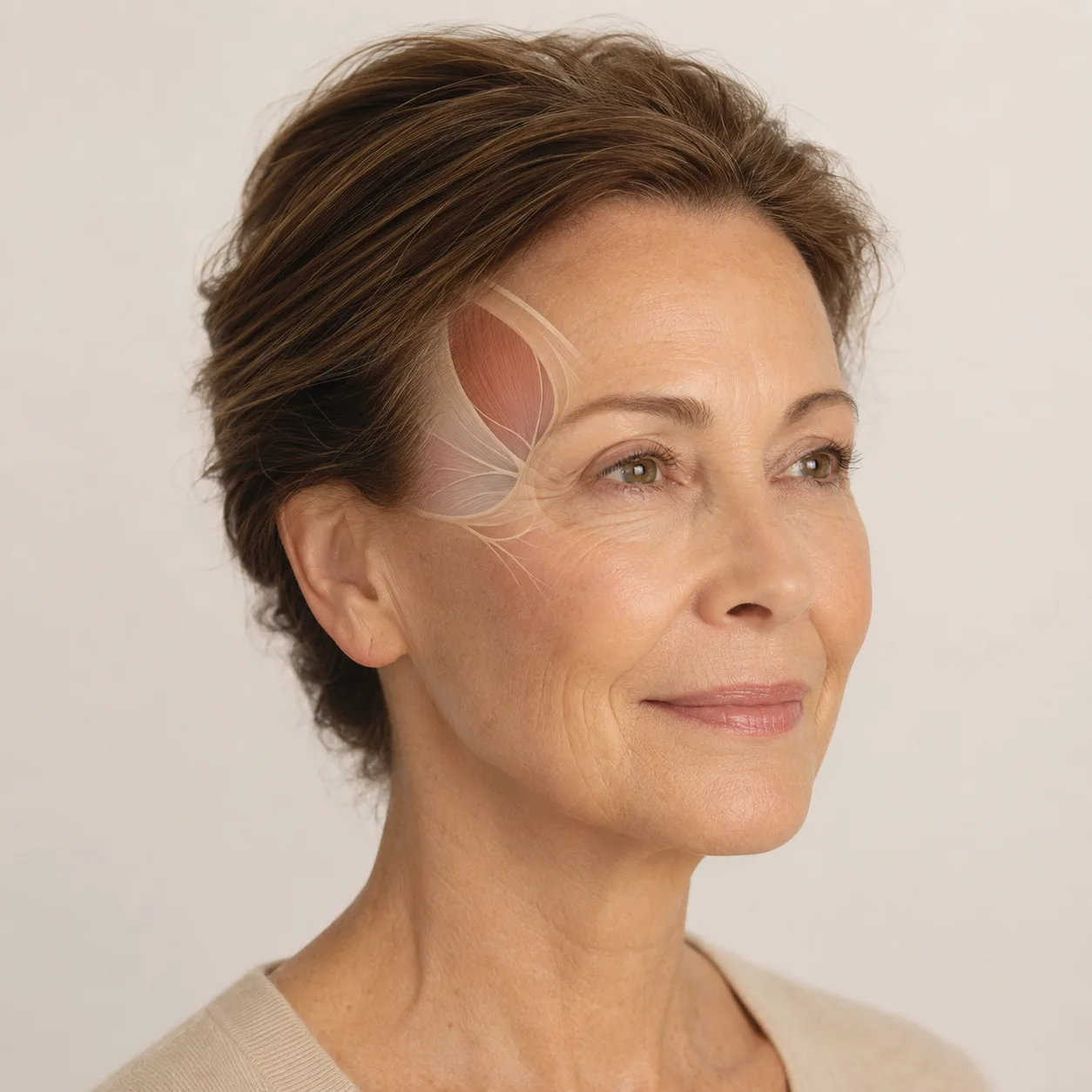
How Does This Ageing And Anatomy Guide Stay Focused?
This page answers the ageing-versus-anatomy question. For a broader volume assessment, read volume and facial structure assessment. For ageing-specific context, read facial ageing assessment, midface ageing cheek volume loss and facial fat pads explained.
If you are deciding whether treatment is suitable at all, read treatment suitability assessment, patient safety before aesthetic decisions and why a careful consultation may end with no.

Common Questions
How can ageing and anatomy look similar?
Ageing and natural anatomy can both show as hollowing, shadowing, flatness, folds or imbalance. The cause may involve bone support, facial fat compartments, skin quality, movement, weight change, previous treatment, lighting or normal facial structure.
Does ageing mean I need volume treatment?
No. Ageing is a reason to assess the face carefully, not a reason to assume treatment is suitable. Corey Anderson RN may recommend treatment discussion, skin care planning, records review, timing or another clinically appropriate pathway.
Can anatomy be normal and still bother me?
Yes. A feature can be normal anatomy and still be something you want to discuss. Consultation helps separate normal variation, ageing change, health context, expectations and whether any treatment discussion would be appropriate.
What does Corey assess before volume treatment is discussed?
Corey assesses the concern, facial proportions, movement, skin quality, support, symmetry, previous treatment, medical history, timing, risk, alternatives, consent and review access before deciding whether volume treatment should be discussed.
When is volume treatment not the answer for ageing or anatomy?
It may not be the answer when the concern is mainly skin quality, swelling, weight change, lighting, expression, unrealistic expectation, unstable timing, incomplete information, medical symptoms or an area outside clinic scope.
Can skin quality or weight change mimic volume loss?
Yes. Skin laxity, texture, hydration, inflammation, weight change and recent illness can change how facial structure appears. That is why assessment should happen before a treatment pathway is chosen.
What should I bring to an ageing versus anatomy consultation?
Bring your concern in your own words, previous treatment dates, recent weight or health changes, current medicines and supplements, allergies, photos if helpful, upcoming events and questions about alternatives or waiting.
Could Corey recommend waiting instead of treatment?
Yes. More time or another pathway may be appropriate when the concern is changing, timing is poor, expectations are unsettled, records are missing, health information is incomplete or the likely benefit does not justify the risk.
How is this different from choosing treatment areas?
This page asks whether ageing or anatomy is driving the concern. Choosing treatment areas comes later, and only if assessment supports a treatment discussion and consent remains clear.
Is this ageing-versus-anatomy page personal medical advice?
No. This page offers general education about ageing, anatomy and facial shadows. Personal advice requires an in person assessment of facial structure, skin, health history, previous care, risks, expectations and whether any option is appropriate.
Is this for you?
Consider booking a consultation if
- Adults trying to understand whether a volume concern reflects ageing change, baseline anatomy or another factor
- Patients preparing questions about facial structure, skin quality, weight change, prior treatment and suitability
- People seeking consultation led assessment before volume treatment is discussed
This may not be for you if
- Confirming that volume treatment is needed before clinical assessment
- Replacing skin, medical, dental, surgical or urgent care advice
- Promising a particular appearance or treatment outcome
Suitability is confirmed at consultation. This list is general guidance, not a substitute for clinical assessment.