Midface ageing and cheek volume loss describe changes in cheek support, facial fullness, shadows and the relationship between the under eye area, cheeks and folds. These changes may relate to fat compartment change, bone support, skin quality, weight change, natural anatomy or previous treatment. Corey Anderson RN assesses the whole face before deciding whether options that fit, revised timing or a staged assessment plan is appropriate.
Facial Balance, Proportion And Restraint
Natural looking planning goals should be described as aims, not promises. Corey considers individual variation, facial balance, proportion and restraint before deciding whether a plan is clinically appropriate.
This keeps the discussion grounded in anatomy, timing, consent, risk and realistic expectations rather than a promised cosmetic outcome.
Why the Midface Matters
The midface sits between the lower eyelid, cheek, nose and mouth. When support changes in this area, the face may appear flatter, more shadowed or less defined. The same change can also make nearby features look different.
This is why cheek volume loss should not be assessed as an isolated cheek problem.
What Can Contribute to Midface Change
Midface change can involve fat compartment change, soft tissue support, bone structure, skin quality, weight change, health history, natural anatomy and previous treatment. These factors do not change at the same pace for everyone.
A consultation helps identify which factors appear most relevant for the individual person.
For a cause by cause explanation covering anatomy, gradual facial change, weight, training and lighting, read why cheeks can look hollow.
Common Signs People Notice
People may notice flatter cheeks, under eye shadowing, a more visible lid cheek junction, deeper folds, less cheek definition or a face that looks more tired in photographs. These observations are useful, but they are not a diagnosis.
Similar signs can have different causes and different levels of suitability for treatment.
How Midface Change Affects Nearby Areas
The midface can influence how the under eye area, nasolabial folds and lower face are perceived. A change in one zone may draw attention to another.
This does not mean treating the midface will address every nearby concern. It means the relationship between areas needs to be assessed before planning.
The Under Eye And Cheek Relationship
The midface often affects how the under eye area, cheek curve and nasolabial fold appear together. A hollow looking under eye may be influenced by cheek support, but it may also relate to pigmentation, skin quality, anatomy, swelling or lighting. Treating one area without understanding the relationship can make the face look less balanced.
Corey assesses the cheek and under eye transition as part of the whole face. Sometimes the right discussion is cheek support. Sometimes it is under eye caution, skin quality, waiting, review of previous treatment or a staged assessment plan.
Weight Change, Health And Timing
Recent weight change, illness, stress, sleep disruption and previous cosmetic treatment can all change how the midface looks. These factors do not automatically rule treatment in or out, but they can make timing and interpretation more complex.
If the face is still changing, Corey may recommend waiting or reviewing later so the plan is not based on a temporary state. That can be frustrating when a concern is visible, but it is often the more careful clinical choice.
How Does Corey Avoid Making The Midface Look Overfilled?
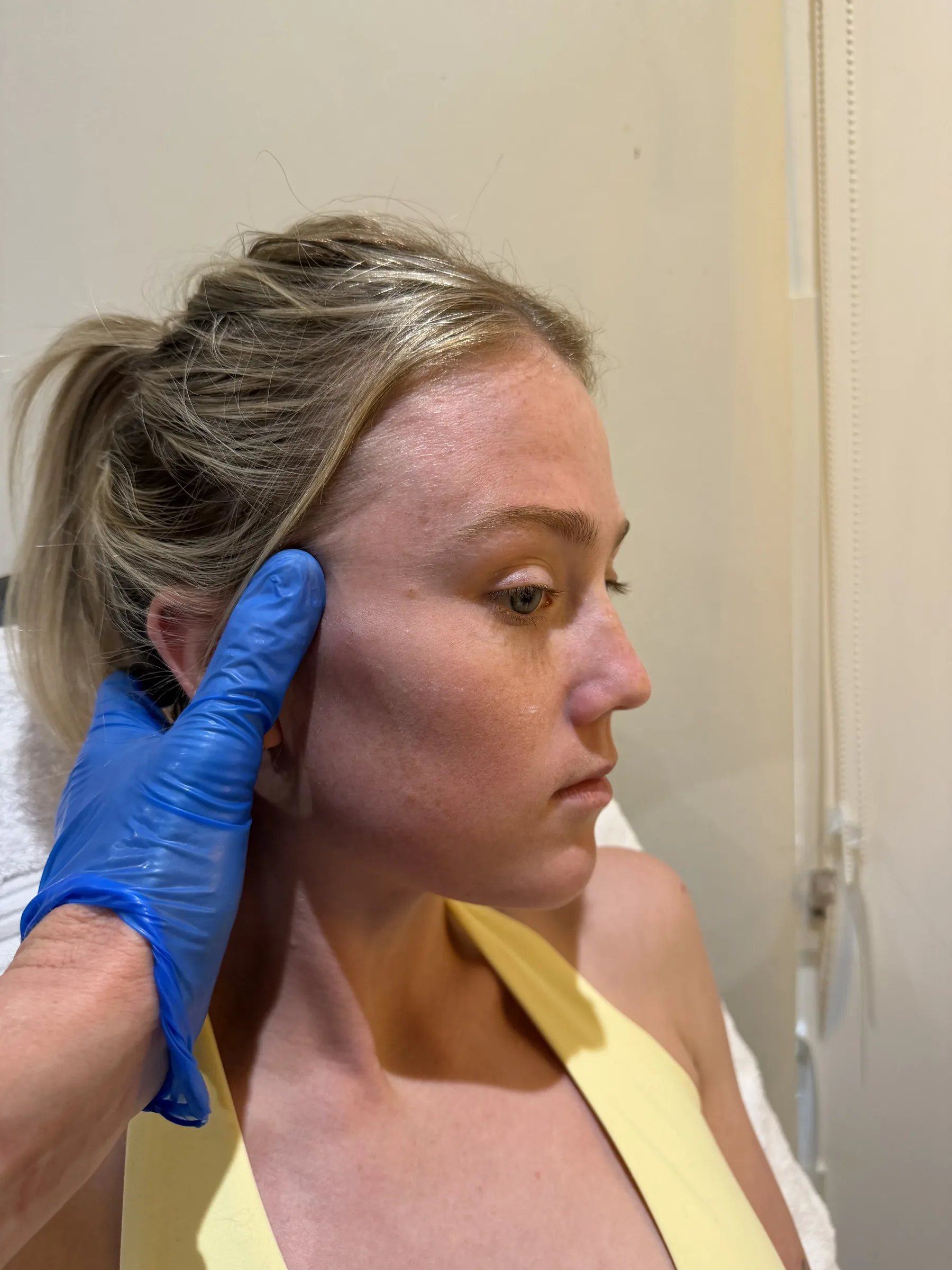
Corey assesses the cheek curve from the front and side, its relationship with the lower eyelid and folds, and whether the concern changes with expression or light. He also considers natural asymmetry, tissue quality and previous care before discussing any option.
When a suitable plan is identified, its purpose and stopping point should be clear. The aim is proportionate support for the concern you described, not maximum fullness or treatment of every nearby shadow.
What If Cheek Volume Is Not The Main Cause?
If the concern is led by skin laxity, pigment, fluid tendency, health context or a previous treatment that is still settling, adding cheek volume may not address what you see. Corey can separate those patterns during assessment.
You still leave with direction: skin focused care, a review point, information to obtain or another clinical pathway can be placed in sequence before the cheek question is reconsidered.

Risks and Limits
Volume related procedures carry risks that may include swelling, bruising, asymmetry, tenderness, lumps, infection, dissatisfaction, delayed settling and rare serious complications related to vascular anatomy. Risk depends on the person and the area being considered.
No educational page can tell you whether treatment is suitable for you.
How Consultation Helps
Corey reviews the concern, facial structure, skin quality, previous treatment, medical history, expectations and timing. He explains what appears to be contributing to the concern and which option may be suitable, whether staging or timing needs adjusting and what next step fits best.
Choosing Between Cheek, Under Eye And Full Face Advice
If the concern is mainly shadow under the eyes, the tear trough or under eye pages may be more relevant. If the concern is cheek flattening, heaviness around folds or facial support, cheek and midface assessment may be the better starting point. If several areas changed together, a full face consultation may give a clearer answer.
You do not need to choose the perfect page before booking. The point of assessment is to work out whether the concern is local, connected to nearby anatomy or better managed by waiting or another pathway.
What Should Be Checked Before Cheek Planning?
Cheek or midface planning should follow assessment of the whole support pattern, not a single shadow or hollow.
- Whether the concern is cheek support, under eye shadow, skin quality, weight change or a mixed pattern.
- Whether previous treatment has changed tissue behaviour or facial proportion.
- Whether the visible concern is likely to improve enough to justify risk.
- Whether waiting, staged review or another clinically appropriate pathway is more appropriate.

What Shows That A Cheek Consultation Is Assessing Support, Not Chasing Fullness?
A useful cheek consultation should map the relationship between the lower eyelid, cheek curve, folds and lower face rather than treating one hollow in isolation. Ask how previous care, weight change, skin quality, asymmetry and fluid tendency will be considered, and how the practitioner decides when extra fullness would not improve the concern.
Corey Anderson RN leads consultations at Core Aesthetics in Oakleigh and can be checked on the Ahpra public register with registration number NMW0001047575. Use the verification page to confirm the practitioner and clinic details.
When Is A Cheek Support Assessment Worth Booking?
Book when gradual flattening, shadow or a changed eyelid to cheek transition is bothering you and you want to understand whether support, skin, weight change or previous care is contributing. You can book the assessment without deciding in advance that the cheek itself needs treatment.
When the support pattern is stable and assessment and informed consent identify a suitable option, Corey can explain a focused or staged plan. If the face is still changing after illness, weight change or recent care, he can define a useful review point. Sudden painful swelling, rapid one sided change or other worrying symptoms need timely medical advice.
Continue with booking, contacting the clinic or the facial volume consultation guide.
Why Can Cheek Support And Under Eye Shadow Lead To Different Costs?
A visible midface shadow does not reveal whether the useful discussion belongs with cheek support, the under eye area, skin quality or a staged combination. That is why Corey first works out what the concern involves before matching it to the relevant fee information.
Once Corey has identified the leading contributor and a suitable pathway, he explains the relevant costs beside the purpose, limits, risks, alternatives and review needs. The pricing guide gives general context before consultation.
A Calm Next Step
If midface or cheek change is your main concern, book a consultation with Corey at Core Aesthetics in Oakleigh. The appointment can clarify what is contributing to the change, what options may be suitable and what risks or limits matter.
General Information Only
This page provides general educational information for adults considering consultation for midface ageing or cheek volume loss. It does not provide a diagnosis, individual treatment recommendation or assurance of suitability. Personal advice requires assessment by an appropriately registered health practitioner.
Is this for you?
Consider booking a consultation if
- You are an adult wanting assessment of cheek or midface volume change
- You want to understand whether midface ageing may be contributing to your concern
- You value conservative planning, risk discussion and realistic expectation setting
- You are open to timing or another clinically appropriate pathway if that is safer
This may not be for you if
- You want a promised result or a treatment decision without assessment
- You are not an adult patient
- You are pregnant or trying to conceive and are seeking elective aesthetic treatment
- You have an active infection, unhealed skin or an unresolved medical concern in the area to be assessed
Suitability is confirmed at consultation. This list is general guidance, not a substitute for clinical assessment.
Frequently asked questions
What is midface ageing?
Midface ageing describes changes in the cheek and central face area, including support, fullness, shadows and the relationship between the under eye area, cheeks and folds. The cause varies between individuals.
Is cheek volume loss always the cause of a tired look?
No. A tired look can involve midface support, under eye anatomy, skin quality, pigmentation, health factors, sleep, weight change or natural facial structure. Assessment helps sort these possibilities.
Can cheek volume loss affect the under eye area?
Midface support can influence how the under eye area is perceived, but it is not the only factor. Corey assesses both areas before deciding whether any treatment pathway is suitable.
How does the consultation lead to a clear plan?
Corey identifies whether cheek support, the under eye transition, skin quality, weight change or previous care is leading the concern. When assessment and informed consent support a cosmetic option, he explains a focused or staged plan with its purpose, limits and review needs.
When might a staged assessment plan be recommended?
A staged assessment can help when several contributors overlap or when weight change, skin condition or previous care needs to settle first. Corey defines the first priority and the point at which the cheek support question can be reviewed.
What if I have had cheek treatment before?
Bring any details you have, including dates, areas treated and concerns afterwards. Previous treatment can affect anatomy, suitability and whether waiting or correction review is more appropriate.
How does Corey approach a restrained cheek plan?
Corey plans toward restrained and proportionate aims by assessing the cheek curve, surrounding anatomy, your preferences and individual risk. He explains the intended purpose and limits so expectations remain realistic before you decide.
Which page should I read next?
Read facial volume loss Melbourne for broader hollowing concerns, cheek volume Melbourne for cheek specific assessment, and treatment suitability assessment if you are unsure whether treatment should be considered.
What should someone check before choosing a clinic for cheek volume consultation in Melbourne?
For cheek and midface concerns, Corey considers facial support, ageing pattern, skin quality, under eye relationship and whether the concern is actually structural, textural or both. Look for practitioner registration, consultation before treatment, clear risk discussion, privacy, aftercare, realistic expectations and willingness to say no.
What can be discussed if someone is worried about cheek volume consultation discomfort?
For cheek and midface concerns, Corey considers facial support, ageing pattern, skin quality, under eye relationship and whether the concern is actually structural, textural or both. Discomfort concerns are reasonable to raise. Corey can explain what the appointment involves, what may feel uncomfortable, what can be paused and how consent works at every step.
How can reference photos be used safely during cheek volume consultation?
For cheek and midface concerns, Corey considers facial support, ageing pattern, skin quality, under eye relationship and whether the concern is actually structural, textural or both. Photos can help someone explain a preference, but they cannot confirm suitability. Lighting, anatomy, expression, previous treatment and editing can mislead, so assessment matters more than comparison images.
How does Corey explain what cheek volume consultation means?
Corey begins with the change you notice, then explains whether cheek support, skin, the under eye transition or another factor appears to lead it. He compares suitable choices in plain language, including purpose, risks, limits, alternatives and timing.