You do not need to know which procedure to ask about before booking a facial assessment consultation. Start with the change you have noticed. Corey Anderson RN considers its pattern at rest and in expression, the surrounding facial context, skin quality, relevant health history, previous treatment, timing, risks and expectations before discussing any individual pathway. The next step may be more information, another health professional, time to think or a staged assessment plan.
You Can Begin With A Change, Not A Conclusion
People often begin with a very ordinary observation: they look different in photographs, a particular expression seems to leave a mark, or the light catches an area differently. It can be tempting to turn that into a request before you know what you are looking at. You do not have to.
An aesthetic consultation is more useful when it starts with the change itself. Describe what looks different, what made you wonder about it and what you hope to understand. That is quite enough to bring.
What Is Worth Noting Before You Book?
Before an appointment, three or four brief notes can make the conversation easier. They are not evidence you have to prove. They simply give Corey a clearer place to begin.
| What you notice | A useful detail | What it does not decide |
|---|---|---|
| Timing | When it first registered, and whether it has been steady, intermittent or quickly changed. | Whether an aesthetic pathway is appropriate. |
| Setting | Whether you see it at rest, while speaking or smiling, on screen, in certain light or after a long day. | The cause of a line, shadow or change in proportion. |
| Context | Relevant health information, current medicines, recent injury, dental care or previous treatment. | An individual plan, which needs personal assessment. |
| Priorities | What you would like clarified, and what you do not want to rush. | A promise that any procedure will follow. |
This keeps the appointment focused on the question, rather than on choosing a procedure from a list.
What Does A Facial Assessment Try To Understand?
Corey Anderson RN looks at a concern in context, rather than starting with one feature. That can include what is visible at rest and with everyday expression, skin quality, natural anatomy, balance across nearby features, symmetry and the details of any previous treatment.
The conversation also includes relevant health history, current medicines, skin or healing issues, pregnancy or breastfeeding status where relevant, timing and goals. Assessment is not a search for work to do. It is a way to establish whether an aesthetic discussion makes sense, what information is missing and which risks or limits should shape the next step.
Why Might One Area Not Explain The Pattern?
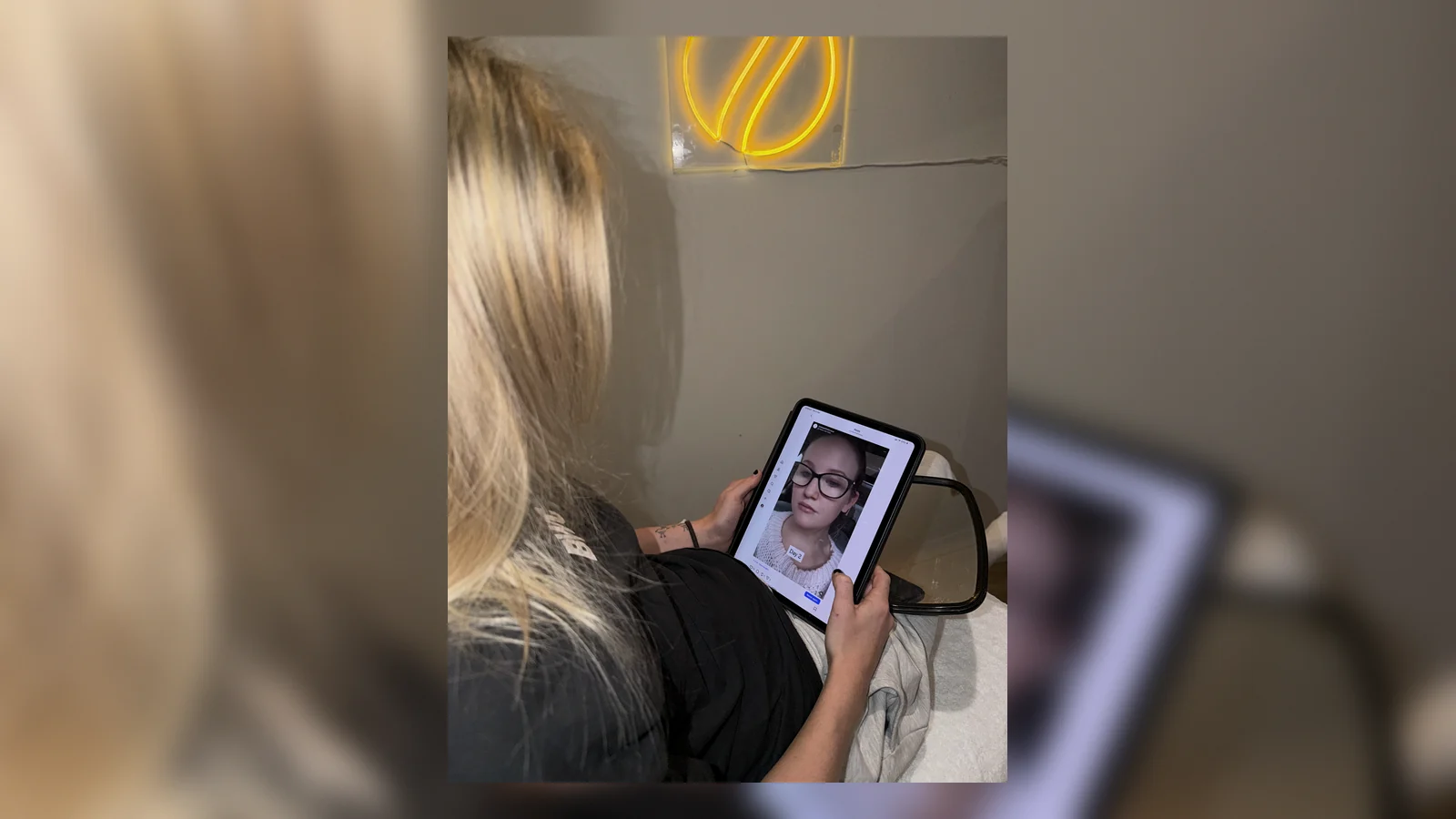
The feature that catches your eye matters, but it may not explain the full pattern. An under eye shadow can change with light, natural anatomy, skin quality, the relationship with nearby features or several influences at once. A line seen only when you smile belongs in a different conversation from one you notice at rest.
Looking beyond one spot does not mean making a longer plan. It is a guard against treating a first impression as a diagnosis. Sometimes an area makes more sense when it is left alone.
When Should You Seek Medical Advice First?
An aesthetic consultation is not a substitute for medical or dental assessment. A facial change that is sudden, painful, one sided, linked with an injury or accompanied by another health concern should be assessed by an appropriate medical professional before an aesthetic discussion.
That applies whether the change is visible in a photograph or simply troubling. If another health pathway should come first, it matters more than pursuing an aesthetic explanation.
Can A Consultation End In A Pause?
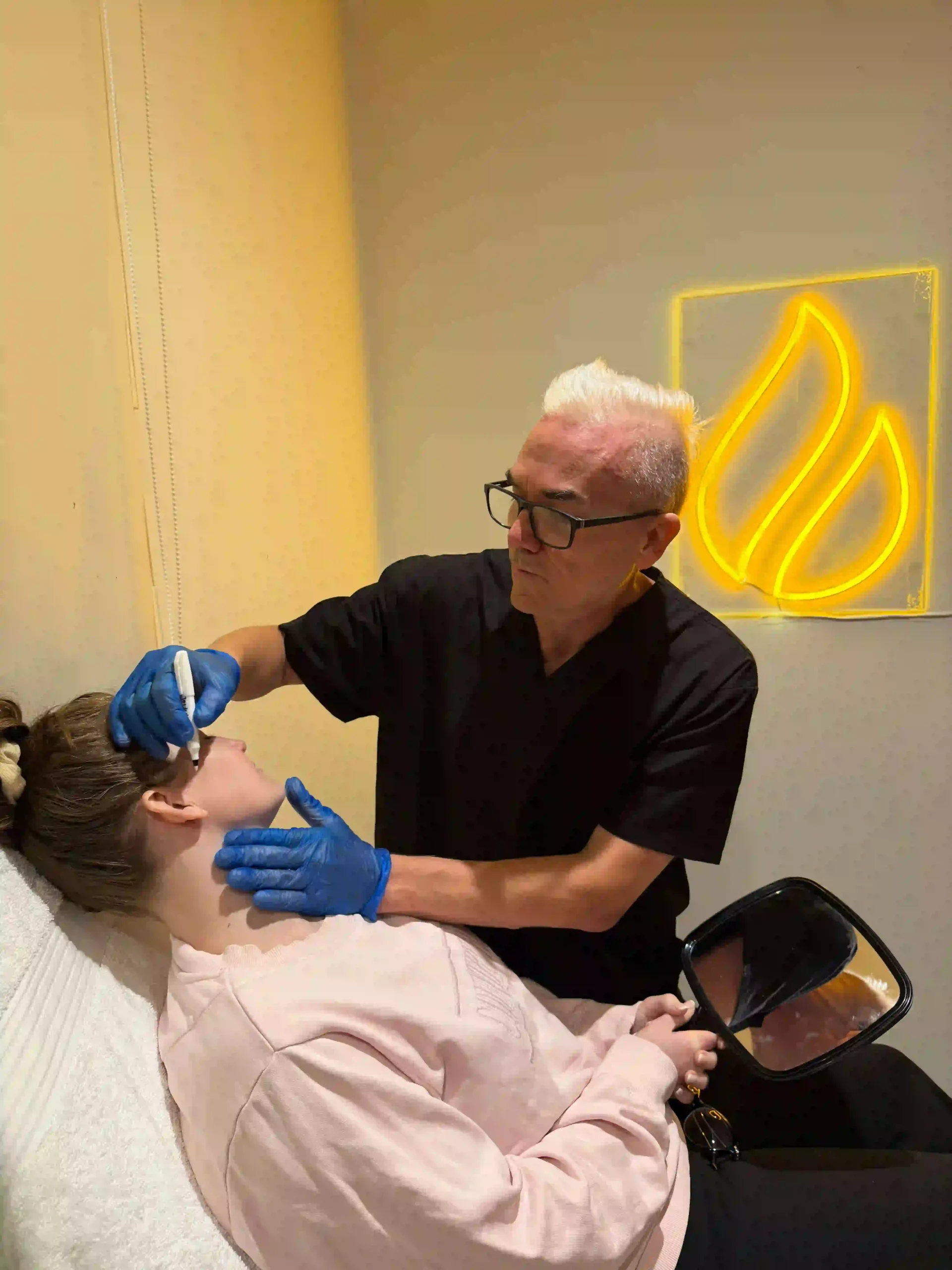
Consultation comes first. In some adult appointments, treatment can be discussed after assessment, provided that, informed consent, a realistic understanding of risks and limitations, and Corey’s decision that proceeding is appropriate.
The more useful answer may be to wait, review something already done, see another clinician, gather more information or do nothing. None of those outcomes makes the appointment wasted. They can keep a decision proportionate to the concern.
Bring Context, Not A Case
Bring a short history of the concern, current medicines, relevant health information and details of previous treatment, if any. If ordinary photographs help show the timing of a change, bring them. There is no need to create a new catalogue of comparison images.
You can also say what you do not want: a rushed decision, an event deadline, a result that feels unlike you, or another item added to a plan. Honest boundaries help Corey discuss options in a way that is grounded and unpressured.
Read Next According To Your Question
If you are trying to name the pattern you are seeing, read skin, structure or movement ageing. If the bigger question is what suits your own face, what is right for my face and the whole face assessment guide are useful next reads.
For the appointment itself, begin with an aesthetic consultation or the practical consultation appointments guide. If you want to understand whether an aesthetic pathway should be considered at all, read treatment suitability assessment.
You can also read about patient safety, informed consent and why a practitioner may recommend a staged assessment plan. When you are ready for practical help, use book a consultation or contact the Oakleigh clinic.
Check The Practitioner And Clinic Details
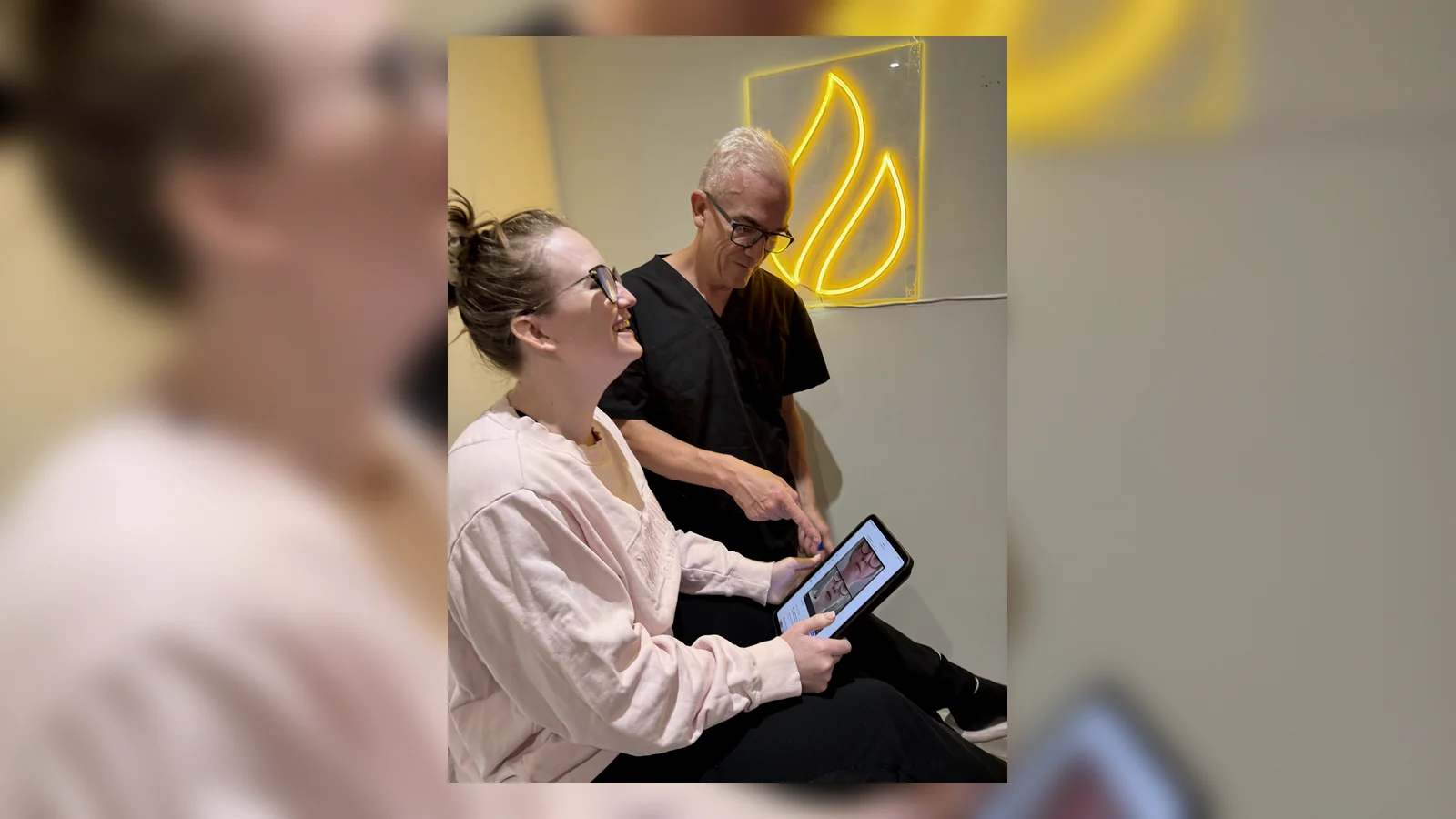
Core Aesthetics consults from 12A Atherton Road in Oakleigh. Appointments are led by Corey Anderson RN, Registered Nurse, Ahpra registration NMW0001047575. You can confirm current registration on the Ahpra public register before booking.
This guide was reviewed on 5 September 2026. The verification page brings together the practitioner and clinic details if you would like to check them independently first.
A Quietly Practical Next Step
If you are not sure how to name the concern, that can be the first sentence of the appointment. Book a consultation with Corey Anderson RN at Core Aesthetics in Oakleigh, so the time can be used to discuss the change, its context, risks and whether any aesthetic pathway is appropriate. You do not have to arrive with a procedure in mind.
General Information Only
This page provides general educational information for adults considering an aesthetic consultation. It is not a diagnosis or an individual recommendation. Individual advice requires assessment by an appropriately registered health practitioner.
Is this for you?
Consider booking a consultation if
- You are an adult who has noticed a facial concern but does not know where to begin
- You want an individual assessment before any treatment pathway is considered
- You want previous treatment, medical context, timing, risks and expectations to be part of the discussion
- You are open to timing or another clinically appropriate pathway if that is the appropriate advice
This may not be for you if
- An urgent, sudden, painful, one sided or injury related facial change
- A request for a fixed result or a predetermined treatment decision without assessment
- An active infection, unhealed skin or an unresolved medical concern in the area to be assessed
- A situation that needs medical, dental or other appropriate healthcare assessment before an aesthetic discussion
Suitability is confirmed at consultation. This list is general guidance, not a substitute for clinical assessment.
Frequently asked questions
Do I need to know which treatment I want before I book?
No. You can book because you have noticed a change and want to understand it. A consultation begins with the concern, then considers its pattern, facial context, relevant history, timing, risks and expectations before any individual option is discussed. The conclusion may also be to wait, seek another type of care or leave the area alone.
What details help if a facial change is hard to explain?
A few notes are enough. Explain when you first noticed it, whether it appears at rest or in expression, what makes it more noticeable and whether anything relevant changed around the same time. Ordinary photographs can help establish timing, but they cannot show what is causing the change on their own.
Why does the area I notice not always point to the next step?
An area can be influenced by light, nearby features, natural anatomy, skin quality, facial movement or earlier treatment. Looking more broadly does not mean every area belongs in a plan. It gives the concern context before a visible feature becomes a fixed request.
Can I book if I have had treatment elsewhere?
Yes. Previous treatment can affect an assessment, so bring dates, areas, records or concerns if you have them. Depending on the discussion, Corey may suggest review, waiting, another health pathway, a conservative conversation or a staged assessment plan.
Can an assessment change what to do about a facial concern?
Yes. Timing, review needs or another clinically appropriate pathway can be appropriate when timing is not right, a concern needs a different type of care, risks outweigh the reason to proceed or a procedure does not suit the person’s goals and circumstances. A useful consultation should explain the reasoning.
Can treatment be discussed during the same appointment?
The aim is a clear explanation of the concern, suitable options, timing and review needs. That depends on Corey’s clinical assessment, informed consent, a realistic understanding of risks and limitations, and whether moving forward is appropriate after assessment. Booking an appointment does not commit you to treatment.
When should I seek medical advice before an aesthetic consultation?
A facial assessment is not a substitute for medical or dental care. A change that is sudden, painful, one sided, follows an injury or comes with another health concern should be assessed by an appropriate medical professional before an aesthetic consultation.
How can I check who I am booking with?
Core Aesthetics consults from 12A Atherton Road, Oakleigh. Appointments are led by Corey Anderson RN, Ahpra registration NMW0001047575. You can check current registration on the Ahpra public register and use the Core Aesthetics verification page to confirm the practitioner and clinic details.