
A tear trough consultation is a private appointment with Corey Anderson RN to understand what is creating an under-eye hollow or shadow. Corey looks at the lower eyelid, skin, puffiness, cheek support, health history and previous cosmetic care, then explains whether a personal treatment discussion, more time, another care pathway or no treatment is the most appropriate next step.
Bring the question, not a treatment decision
An under-eye hollow can catch the light in a way that makes you look tired even when you feel well. You may notice a groove, a shadow, puffiness or a change where the lower eyelid meets the cheek. You do not need to identify the cause before you visit.
This page is about the appointment itself: what Corey looks at, what is useful to bring and how you leave with a clearer next step. For the broader service pathway, read the tear trough consultation service page. If you are still sorting hollowing from colour or puffiness, start with the under-eye hollowing guide.
What happens during your appointment?
Show what you notice
Explain when the hollow or shadow stands out and whether it changes with light, sleep, swelling or expression.
Fill in the context
Corey reviews relevant health details, medicines, allergies, eye or eyelid concerns and previous cosmetic care.
Look beyond one line
The lower eyelid, skin, puffiness, cheek support and the transition between them are considered together.
Leave with a clear recommendation
The answer may be a personal treatment discussion, more time, another care pathway or no treatment.

Corey looks beyond the hollow
The same under-eye shadow can have more than one contributor. Corey considers the shape of the lower eyelid-to-cheek junction, cheek support, skin quality, pigment, puffiness, fluid tendency, asymmetry and how the area looks in ordinary light.
He also asks about previous under-eye or cheek care, medicines, allergies, eye or eyelid symptoms and changes that may need another kind of assessment. Older photographs can add context, but an image alone cannot confirm what is contributing or whether any option is suitable.
This broader view reflects the way periorbital structures interact, as outlined in this review of periorbital anatomy and ageing changes.
What can you leave the consultation with?
An option may be appropriate to explore
If the concern and your individual assessment align, Corey can explain the relevant alternatives, limits, material risks, review needs and costs before you decide.
Waiting may make the picture clearer
Recent care, changing swelling, an upcoming event or missing records can make observation and a later review more useful.
The concern may sit outside cosmetic care
When colour, skin, eyelid change or medical symptoms are the main issue, Corey may suggest another clinician or no cosmetic treatment.
You are not expected to decide on the day
The appointment can be useful even when you leave with questions to consider, records to find or a recommendation to wait. If your main question is whether the area is a reasonable fit for cosmetic planning, the tear trough suitability guide explains that separate decision in more detail.
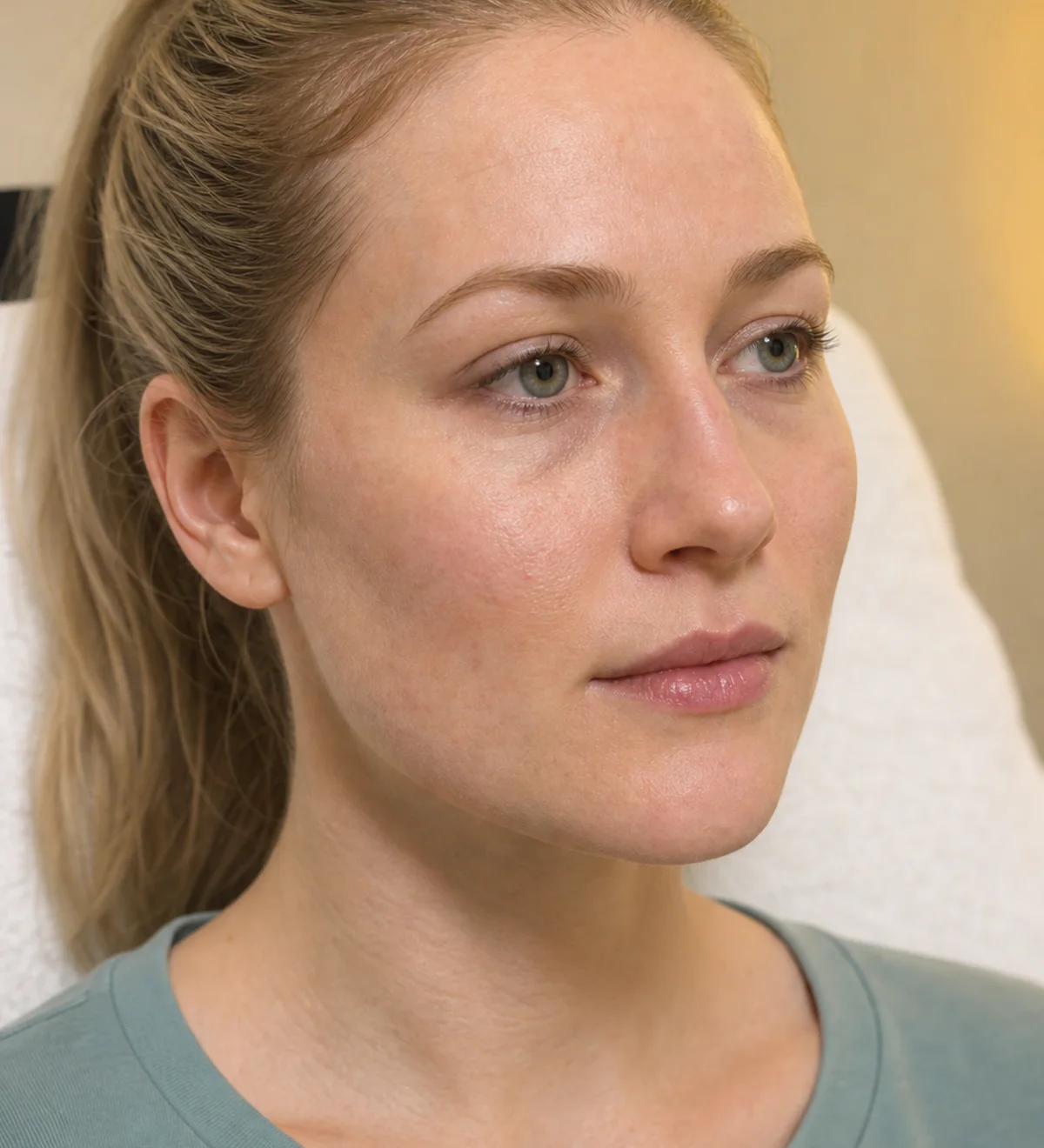
Why are the lower eyelid and cheek considered together?
The tear trough does not sit in isolation. The upper cheek can change how the lower eyelid transition is supported and how a shadow reads, while puffiness or thin skin can change which concern is most visible.
Corey explains which part of that picture seems most relevant to you. If cheek support is the real question, the tear trough or cheek assessment guide gives the comparison its own space. A recommendation is made from your assessment, not from a standard plan.
Bring three useful details
| Bring this | What to note | Why it helps |
|---|---|---|
| Your pattern | When the hollow, shadow or puffiness is most noticeable and whether it changes through the day. | It helps Corey compare a stable structural concern with a changing pattern. |
| Your history | Relevant medicines, allergies, health details and any eye, eyelid, skin or swelling concerns. | These details can change whether cosmetic planning is appropriate. |
| Previous care | Dates, areas, records and any concerns after earlier under-eye, cheek or facial treatment. | Clear records reduce guesswork and may show that more time or another review is needed. |
When should eye or medical care come first?
A cosmetic appointment is not the right starting point for sudden vision change, severe or worsening eye pain, rapidly increasing swelling, spreading redness, fever or another urgent symptom. Seek urgent medical care. For a non-urgent concern, Corey may still recommend medical, eye, skin or other clinical review when the pattern falls outside cosmetic care.
Waiting can also be the right choice when previous treatment has not settled, the skin is irritated, you cannot return for review or you simply want more time. Suitability, consent and material risks are discussed once a personal pathway is clear.

Plan a calm visit to the Oakleigh clinic
Your appointment is directly with Corey, with time to explain what you see, ask questions and understand the recommendation before making any decision.
Corey considers the lower eyelid, cheek support, skin, history and what matters to you, then explains the appropriate next step. If an option is suitable, material risks and costs are discussed before you decide. Same-day care is never assumed.
Come in with the question you want answered
Corey can help you understand what may be contributing to the under-eye concern and which next step fits your individual assessment.
Is this for you?
Consider booking a consultation if
- Adults who want to understand an under-eye hollow, shadow or lower eyelid-to-cheek change
- People who want the concern assessed in the context of skin, puffiness, cheek support and health history
- People who prefer a private conversation and clear recommendation before making any decision
- People open to a personal discussion, waiting, referral or no treatment depending on assessment
This may not be for you if
- Anyone seeking urgent care for sudden vision change, severe eye pain, rapidly increasing swelling, spreading redness or fever
- Anyone seeking a treatment decision from a photograph or webpage alone
- Anyone unwilling to discuss relevant history, material risks, alternatives and informed consent
- Anyone seeking elective cosmetic care for a person who cannot provide informed consent
Suitability is confirmed at consultation. This list is general guidance, not a substitute for clinical assessment.
Frequently asked questions
What is the tear trough?
The tear trough is the groove at the inner under eye where the lower eyelid blends into the cheek. It can create shadowing because the skin is thin and the nearby cheek, bone and support structures affect how light falls across the area.
Why do under eye hollows form?
Under eye hollows can relate to bone shape, cheek support, ligament support, skin thinning, pigment, puffiness, fluid tendency, previous treatment, lighting or natural anatomy. Several factors can be present at the same time, which is why assessment matters.
Why is this area assessed with extra caution?
The under eye is a delicate area with compact anatomy. Assessment needs to consider risk, skin quality, swelling tendency, eyelid history, cheek support and expectations before any treatment pathway is discussed. Sometimes the more appropriate answer is to wait, refer or choose no treatment.
Will I be told I need treatment?
Not necessarily. The consultation may lead to a treatment discussion where appropriate, but it may also lead to cheek support planning, waiting, referral, review later or no treatment. Suitability cannot be confirmed from the page alone.
Can volume treatment be discussed during the appointment?
Yes, if the assessment suggests cheek or midface support is relevant to the under eye concern. This does not mean treatment is suitable or automatic. It simply means Corey may explain whether broader volume treatment planning is part of the clinical picture.
How are pricing and cost discussed?
Pricing and cost are discussed after the likely pathway, alternatives, review needs and suitability have been assessed. This helps keep the conversation tied to clinical judgement rather than choosing a procedure from a menu.
Are there times treatment is not appropriate?
Yes. Treatment may not be appropriate when puffiness, pigment, eyelid change, fluid tendency, medical symptoms, previous treatment uncertainty, expectations, timing or health factors make cosmetic treatment a poor fit. Corey may recommend waiting, referral or no treatment.
What happens at a tear trough consultation?
Corey reviews your concern, lower eyelid to cheek anatomy, cheek support, skin quality, medical history, medicines, allergies, previous treatment, timing, expectations, risks, consent readiness and ability to return for review.
Is a tear trough consultation only about the under eye hollow?
No. The visible concern may be influenced by cheek support, skin quality, pigment, puffiness, fluid tendency, previous treatment or natural anatomy. Corey assesses the area in context before deciding what is relevant to discuss.
Can treatment happen at the appointment?
Treatment at the appointment is not automatic. Any treatment discussion depends on assessment, informed consent, patient readiness, timing, medical history, available clinical time and whether Corey considers proceeding appropriate.
What should I bring to a tear trough consultation?
Bring details of previous cosmetic treatment, current medicines, allergies, relevant medical history, eye or eyelid history, swelling tendency, upcoming events and older photos if they help show how the under eye area has changed over time.
Can previous treatment affect under eye suitability?
Yes. Previous under eye, cheek, midface or lower face treatment can affect anatomy, swelling tendency, risk, timing and whether more treatment is appropriate. Corey may recommend review, waiting, referral, more information or no treatment.
Is under eye treatment suitable for everyone?
No. Suitability depends on anatomy, skin quality, puffiness, fluid tendency, medical history, expectations, risk, timing, consent and whether the likely plan is proportionate. Some patients are better served by another medical pathway or no treatment.
What risks are discussed before under eye treatment?
Risks vary by person, anatomy and pathway. The discussion may include bruising, swelling, tenderness, asymmetry, visible irregularity, colour change, prolonged puffiness, dissatisfaction, rare serious complications, aftercare and emergency contact instructions.