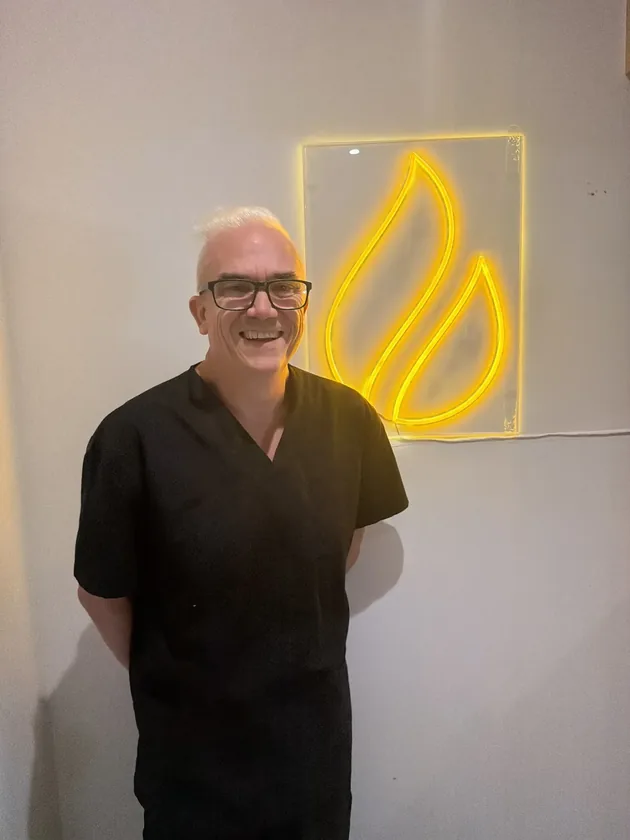
A male aesthetic consultation is an individual clinical assessment of the concern you describe, whether that involves looking tired or stern, facial movement, skin, lower face balance, previous care or excessive sweating. Corey Anderson RN reviews relevant health context, explains suitable options, material risks, realistic limits, timing and follow up, and helps you make a practical decision without assuming you want to look noticeably treated.
What Happens During A Male Aesthetic Consultation?
A male aesthetic consultation is an individual clinical assessment of the concern you describe, whether that involves looking tired or stern, facial movement, skin, lower face balance, previous care or excessive sweating. Corey Anderson RN reviews relevant health context, explains suitable options, material risks, realistic limits, timing and follow up, and helps you make a practical decision without assuming you want to look noticeably treated.
You can use ordinary language and arrive without knowing a treatment name. The appointment is private and structured to give a direct answer about what is contributing and what degree of change would remain appropriate for you.
Male faces age a little differently
There are some real differences worth understanding. Men tend to have thicker skin with more collagen to begin with, though that thickness still declines steadily with age, with research suggesting epidermal thickness decreases in the order of seven percent per decade.
Male facial structure, including a stronger brow and jaw, also shapes how ageing shows up. Add the common concerns men raise, from looking tired or stern, to jaw and lower face changes, to excessive sweating, and it is clear that a male consultation benefits from being assessed on its own terms rather than by assumption.
As with anyone, the various changes, in skin, support, movement and structure, tend to happen together, which is why the assessment looks at the whole picture rather than a single feature.
Which Male Facial And Health Questions Does Corey Separate?
- Expression patterns, brow position and why the face may look tired or stern.
- Skin thickness, texture, sun related change and shaving irritation.
- Cheek support, jawline, chin and lower face proportion.
- Sweating severity, pattern and whether another health assessment belongs first.
- Previous cosmetic care and what has fully settled.
- Medical history, medicines, allergies, work, sport, travel and event timing.
- The change you would value and how visible you want it to be.
This comparison identifies whether the concern is primarily movement, skin, structure, function or a combination.

What Practical Recommendations Can Follow The Assessment?
When assessment and informed consent support care, Corey can discuss one focused option or a staged plan with its purpose, risks, limits and review needs clear. Skin care or lifestyle measures may sit alongside a cosmetic pathway when they address a separate contributor.
For sweating or medically unusual symptoms, another clinical assessment may belong first. Corey explains the reason and checkpoint, while stable aesthetic concerns can move toward a suitable plan without an automatic delay.

Why Does A Direct Conversation With Corey Matter?
Corey Anderson RN has held nursing registration since 1996 and conducts the assessment himself. He explains what he sees, which suitable options relate to it and what each option cannot reasonably change.
You can see the same practitioner through consent, suitable care and review. That continuity is useful when privacy, work visibility, sport, travel or previous care affects the timing.
How Can A Man Ask For Change Without Looking Obvious?
Describe what you want to notice and what you want other people not to notice. You may want to look less tired, soften a stern expression, improve skin quality or restore balance while keeping familiar movement and masculine structure.
Corey turns that into a defined clinical goal and stopping point. A restrained plan is specific about purpose and degree of change rather than relying on the vague promise of looking “natural.”
Which Concerns Fit This Appointment?
Use the concern, not a treatment name, to identify what Corey needs to assess and whether another service belongs first.
| Concern | What to describe | What Corey assesses | When another pathway belongs first |
|---|---|---|---|
| Looking tired or stern | When it appears, whether it changes at rest or in movement, and what expression you want preserved. | Brow and eye context, movement, skin, midface support and lower face balance. | A sudden or medically unusual change needs the appropriate health service first. |
| Lower face balance | What you notice from the front, side or in photographs, and how much change would still feel familiar. | Cheek support, jaw and chin relationship, proportion, asymmetry and movement. | Pain, a dental concern or another medically unusual change needs appropriate assessment first. |
| Skin change | Texture, sun related change, shaving irritation, timing and anything that makes the concern better or worse. | Skin condition, irritation, health context and whether skin focused care fits the stated concern. | An active skin problem, possible infection or medically unusual symptom needs the relevant health service first. |
| Sweating | Where it occurs, when it began, how it affects daily life and whether it is localised. | Severity, pattern, timing and whether other symptoms change the pathway. | New, widespread, night time or medically unexplained sweating may need GP assessment first. |
When Does A Sweating Concern Need A Different First Step?
Corey asks where sweating occurs, when it began, how it affects daily life and whether it is localised or accompanied by other symptoms. New, widespread, night time or medically unexplained sweating may need GP assessment before a cosmetic pathway is considered.
When the concern is within clinic scope and assessment supports care, Corey can discuss suitable options, material risks, timing and follow up. The screening step keeps the recommendation relevant rather than closing the conversation.
How Are Risks, Consent And Visibility Discussed?
Corey explains the purpose, material risks, realistic limits, alternatives, expected settling, aftercare and review for each suitable option. Work, sport, travel and how visible short term changes may be are part of timing.
When the assessment is complete and you feel informed, suitable care can be planned. You remain free to choose the degree of change and whether the recommendation fits your priorities.
What Might A Direct Male Assessment Sound Like?
A man may say he looks permanently tired or stern and wants to know whether anything useful can be done without looking treated. Corey would observe upper face movement, brow and eye context, skin, midface support and lower face balance, then identify the main contributor.
He could compare a focused option, skin care or a staged plan, explaining likely limits, material risks and visibility during settling. The recommendation would be anchored to that man’s structure, work and preferences rather than a generic male template.
What Should You Bring To A Private Male Consultation?
- A short description of what bothers you and the change you would value.
- Medicines, supplements, allergies and relevant health history.
- Previous cosmetic treatment dates and records where available.
- Work, sport, travel and event commitments that affect recovery or review.
- Questions about visibility, risks, options and follow up.
A chosen procedure is not required. A written note is useful if the concern is difficult to describe aloud.
How Do You Book A Male Consultation In Oakleigh?
Core Aesthetics is a consultation led clinic in Oakleigh. Every assessment is conducted by Corey Anderson RN, whose role and registration can also be checked through the team page and verification page.
Read the sweating consultation guide, the men’s aesthetics hub, patient safety or how informed consent works. When you want a direct individual answer, book a consultation; use contact for a practical question and pricing for general fee context.

Which Evidence Supports The Skin Ageing Context?
The skin background on this page supports informed questions and does not determine suitability for an individual.
Regulatory Context
This page is general information for adults. The page language is consultation led and reviewed against Australian guidance for regulated health services and higher risk non surgical cosmetic procedure advertising.
Is this for you?
Consider booking a consultation if
- You are an adult man considering private aesthetic consultation in Melbourne
- You want individual assessment to clarify which options are worth discussing
- You value privacy, restraint, risk discussion and informed consent
- You are open to waiting, staged review or another clinically appropriate pathway where appropriate
This may not be for you if
- You want a claimed appearance change before assessment
- You want treatment without informed consent, risk discussion or aftercare planning
- You have active infection, unhealed skin or unresolved medical concern in the area to be assessed
- You are seeking treatment because of pressure from another person or an urgent event
Suitability is confirmed at consultation. This list is general guidance, not a substitute for clinical assessment.
Frequently asked questions
What is a male aesthetic consultation?
It is a private clinical assessment of the concern you describe, whether that involves facial change, skin, sweating or previous care. Corey explains what is contributing, suitable options, material risks, realistic limits, timing and follow up.
Do male faces age differently?
Male skin and facial structure can influence how ageing appears, but men are not one anatomical type. Corey assesses the individual pattern of skin, movement, support and proportion rather than applying a generic male treatment plan.
Can suitable care be discussed at the consultation?
Yes. When Corey has completed the assessment, a suitable option is clear, material risks, alternatives and limits have been discussed, and informed consent supports proceeding, a focused or staged plan can be agreed. Timing, visibility, aftercare and access to review still need to fit the individual plan.
What if my concern is sweating?
Corey asks about the area, severity, timing and other symptoms to determine whether the concern sits within clinic scope. When it does, suitable options can be discussed; new or medically unusual sweating may need GP assessment first.
Which health factors can change the plan?
Relevant conditions, medicines, allergies, active skin issues, recent procedures, dental care and symptoms outside cosmetic scope can alter timing or suitability. Corey reviews these individually, marks missing records as unknown and explains whether preparation, more time, records or input from another health professional belongs before cosmetic planning continues.
Do men travel from outside Oakleigh?
Yes. Men attend the Oakleigh clinic from south east Melbourne and the wider metropolitan area. Travel does not change suitability. Consider whether work, sport, transport and access to any recommended review are practical, then choose the clinic based on practitioner verification, assessment quality and continuity rather than distance alone.
Do I need to know what treatment I want?
No. Describe what bothers you, when you notice it, what you want preserved and how visible you would accept a change being. Corey turns tired or stern appearance, movement, skin, lower face balance, sweating or previous care into an assessment question before comparing any suitable options.
What do men commonly ask about?
Common starting points include tired or stern appearance, expression lines, skin quality, jaw and chin balance, lip proportion, previous treatment, sweating, work visibility and whether a subtle change is realistic. These are questions, not predetermined pathways.
What happens after Corey assesses the concern?
Corey explains the leading contributor, which options are suitable to discuss, their material risks and realistic limits, and how timing, aftercare and follow up fit. The next step may be a focused plan, staged planning, skin care, another clinical assessment, more information or no cosmetic care, depending on the assessment.
Will I leave knowing what happens next?
Yes. Corey provides a direct recommendation and practical next step. If another clinical assessment, more information or adjusted timing belongs first, he explains why and when the original aesthetic or sweating question can be reconsidered.
Is the consultation private?
Yes. It is a private clinical discussion with Corey Anderson RN. You can discuss work visibility, sport, travel, comfort, previous care and how much change you want. Ask how health information, photographs and contact preferences are recorded if any part of privacy or communication is especially important to you.
What should I bring?
Bring medicines, supplements, allergies, relevant health history, previous cosmetic treatment details, important work, sport or travel dates and your questions. Mark any date or earlier treatment you cannot confirm as unknown. A short written description can help if the concern is difficult to explain aloud.
What if I worry about looking obviously treated?
Tell Corey what you want to notice and what you want others not to notice. He can assess movement, structure, skin and proportion, then explain whether a restrained option and defined stopping point fit that goal.
How does Corey assess male facial structure?
Corey may compare upper face movement, brow and eye context, skin, cheek support, jaw and chin relationship, asymmetry and the face in expression. He relates those findings to the concern rather than assuming all men need stronger or sharper features.
More related pages
Clinical references
- TGA: Advertising health services that involve therapeutic goods
- Ahpra: Guidelines for advertising higher risk non-surgical cosmetic procedures
- Ahpra: Guidelines for registered health practitioners who perform non-surgical cosmetic procedures
- TGA advertising health services involving therapeutic goods
- TGA advertising a health service
- Ahpra non-surgical cosmetic procedure guidelines
- Wikipedia: Human skin
- Molecular mechanisms of changes in homeostasis of the dermal extracellular matrix