A careful cosmetic consultation may sometimes end with Corey saying no to a procedure. The useful version of no is specific: you should understand the reason, which information was missing, whether anything could make reassessment sensible and what to do next. The answer may be not today, not through this pathway, outside clinic scope or not supported after assessment.
What Should A Decision Not To Proceed Give You?
A careful cosmetic consultation may sometimes end with Corey saying no to a procedure. The useful version of no is specific: you should understand the reason, which information was missing, whether anything could make reassessment sensible and what to do next. The answer may be not today, not through this pathway, outside clinic scope or not supported after assessment.
A consultation is still valuable when nothing is performed. It can prevent an avoidable decision, identify a question for another clinician or simply give someone permission to leave the concern alone.
Which Kind Of No Did You Hear?
| Decision | What it means | What should be recorded |
|---|---|---|
| Not today | Timing, recent care, illness, an event or incomplete information makes today unreliable. | What needs time, which record is missing and when review might be meaningful. |
| Not this pathway | The concern needs medical, dental, skin, surgical or psychological assessment first. | The reason for referral, urgency and who is expected to coordinate the next step. |
| Outside clinic scope | The requested assessment or care is not something this clinic should provide. | The scope boundary and an appropriate direction for further advice. |
| Not supported after assessment | The likely burden, uncertainty or risk does not justify proceeding. | The factors considered and whether doing nothing is the recommended plan. |
What Can Change A Decision From Yes To Wait?
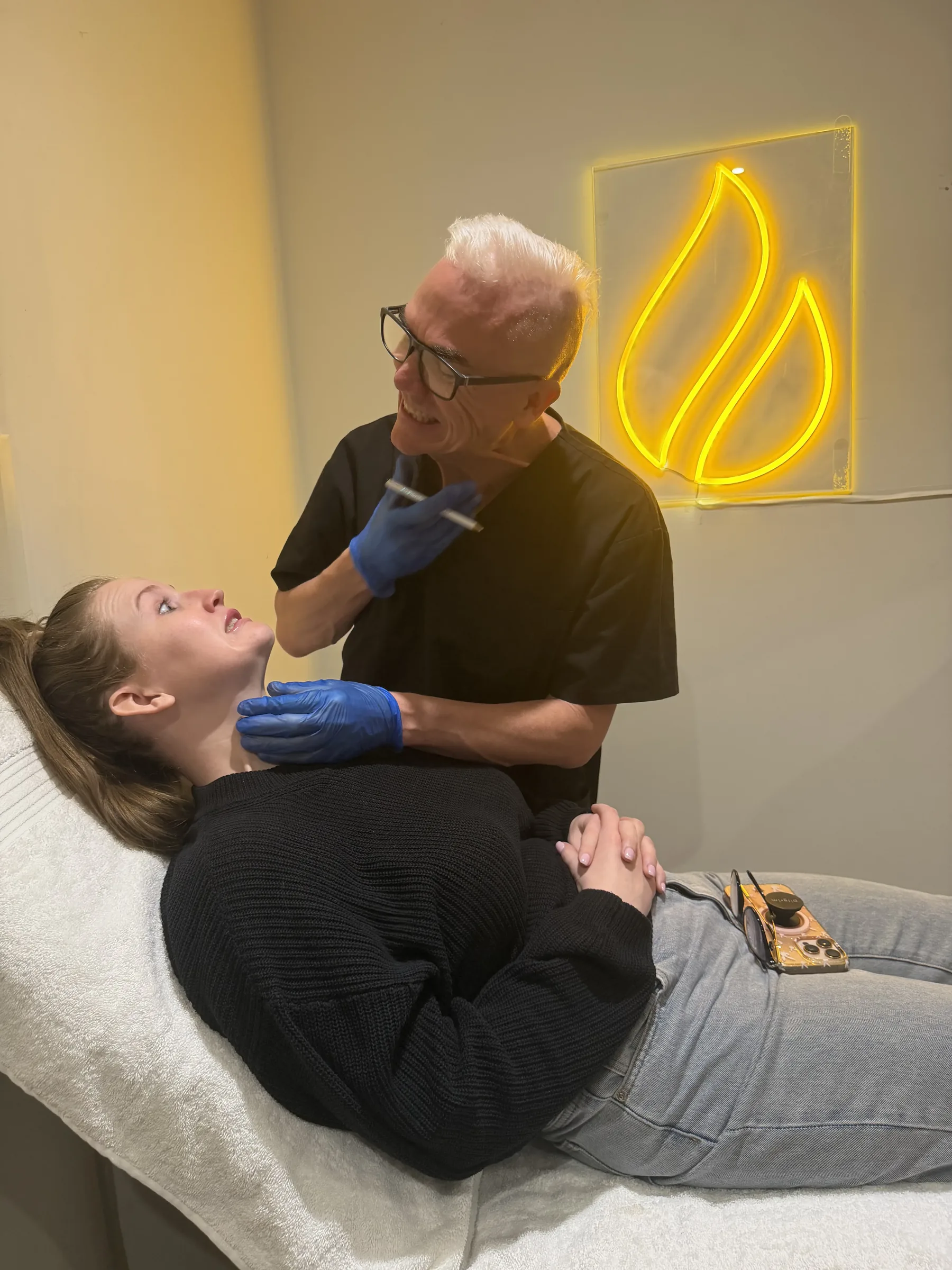
Five ordinary situations show why context matters. A wedding is five days away. A previous procedure has not settled. The product, date or clinic record cannot be confirmed. New swelling is painful rather than merely cosmetic. The person is attending mainly because a partner or friend keeps insisting.
None of those facts automatically diagnoses a problem. Each changes the quality of the decision. Waiting allows time, records, symptoms or consent to become clearer.
When Does The Concern Need Another Clinician?
Sudden change, significant pain, visual symptoms, signs of infection, a dental problem, an active skin condition or another health concern may sit outside a routine cosmetic decision. Corey may direct the person to a GP, dentist, dermatologist, urgent service, surgeon, mental health professional or another suitably qualified practitioner.
Referral is not a softer version of yes. It means the next question belongs somewhere else.
How Should Expectations Be Discussed?
A request may be technically clear but still unsuitable. Examples include wanting to copy another person’s face, expecting one small change to resolve a much wider concern, or asking for a degree of change that Corey does not consider responsible. The discussion should identify the gap without embarrassing the person.
It is reasonable to ask which part of the goal does not fit, what remains uncertain and whether a different type of advice would be more useful.
What If Consent Does Not Feel Settled?
Consent needs more than a signature. The person must be able to understand material risks, alternatives, limits, costs, review arrangements and the option of no procedure. Pressure, confusion, poor recall or a need for more thinking time can make waiting the responsible answer.
You can ask questions, leave, seek another opinion or decide not to return. Assessment and consent guide a clear discussion of suitable options, timing and follow-up.
Can You Leave With A Four Line Note?
Write down four lines while the explanation is fresh:
- Reason: the specific factor that does not support proceeding.
- Missing: any record, settling time or clinical information still needed.
- Change: what, if anything, could make reassessment reasonable.
- Next: wait, monitor, contact another clinician, seek urgent care or take no further action.
If the explanation cannot fill those lines, ask Corey to clarify it. A vague no is harder to use than a specific one.
How Do You Check The Practitioner And Scope?
Verification is part of the decision. Core Aesthetics is at 12A Atherton Road, Oakleigh VIC 3166 and the clinic phone is 0491 706 705. Corey Anderson RN leads the consultation pathway and lists Ahpra registration NMW0001047575. Ask what his role permits and who is responsible for follow-up. The Core Aesthetics verification page links to the public register. This guide was clinically reviewed on 5 September 2026.
What Should No Never Mean?
No should not mean ridicule, blame, pressure to buy something else or dismissal without an explanation. Wanting information about appearance does not make someone vain or unreasonable. The clinical responsibility is to hear the concern and decide whether this clinic should act on it.
Which Evidence Informed This Page?
This guide uses current Ahpra guidance for practitioners performing non-surgical cosmetic procedures, the related advertising guidance, the public practitioner register and TGA health-service advertising guidance. They support assessment, consent, scope and advertising boundaries; they do not replace individual judgement.
Questions After A Decision Not To Proceed
Why might Corey recommend no cosmetic procedure?
The reason may involve timing, health history, recent care, anatomy, symptoms, consent, expectations, clinic scope or a balance of uncertainty and risk. Corey should identify the factor that applies, explain whether it could change, and document the safest next action so the appointment remains useful.
Does no always mean never?
No. A decision may mean not today because time, records or another assessment is needed; not through this pathway because a different clinician belongs first; outside clinic scope; or not supported after assessment. Ask which decision applies, what could change it and what the next action should be.
Can my concern be valid even when no procedure is advised?
Yes. Listening to a concern and recommending a procedure are separate decisions. Corey can acknowledge what bothers you, explain why acting is not appropriate now or through this clinic, and identify whether more information, another clinician, time or no further action is the useful next step.
What should I ask when care is declined?
Ask for four lines: the specific reason, any missing record or settling time, what could make reassessment reasonable, and the next action. The next action may be waiting, monitoring, contacting another clinician, seeking urgent care or taking no further action. Write it down while the explanation is clear.
Can I seek another opinion?
Yes. You can take time and seek another appropriately qualified opinion. Bring accurate records and disclose the earlier recommendation, including whether the reason involved timing, missing information, clinic scope or risk, so the next practitioner can assess the full context rather than starting from an incomplete account.
Can the appointment be used only for questions?
Yes. Booking a consultation does not commit you to a procedure. The useful endpoint may be education, adjusted timing, review with another health professional, a later review or a decision to do nothing. Ask Corey to state what was clarified, what remains uncertain and which next step, if any, belongs to you.
When should symptoms bypass a cosmetic booking?
Significant pain, visual symptoms, sudden deterioration, breathing difficulty, signs of infection or another urgent concern should be directed to appropriate medical care rather than waiting for a routine cosmetic appointment. Contact the responsible treating service when recent care is involved, and use emergency care when the situation is severe or rapidly worsening.
How can I verify Corey Anderson RN?
Use the Core Aesthetics verification page and the Ahpra public register. Corey lists registration NMW0001047575. Match his identity and current registration with the clinic at 12A Atherton Road, Oakleigh VIC 3166, then ask whether the proposed discussion and follow up fit his role and professional scope.
Is this for you?
Consider booking a consultation if
- Adults who want to understand why treatment may be declined after consultation
- Patients who value honest assessment, adjusted timing, review with another health professional or no-treatment advice where appropriate
- People who want to feel safer before booking a consultation
- Patients who prefer a practitioner who can explain both yes and no
This may not be for you if
- Urgent symptoms or complications that need immediate medical care
- People seeking a promised treatment recommendation
- People who do not want medical history, consent, risk or suitability discussed
- Anyone needing legal, mental health or medical advice outside cosmetic consultation
Suitability is confirmed at consultation. This list is general guidance, not a substitute for clinical assessment.