A red flag is a claim, omission or pressure tactic you can test, not merely an uneasy feeling or a difference of opinion. Before choosing an aesthetic practitioner in Melbourne, confirm the exact person who will assess you, match their details on the current Ahpra register where applicable, ask what could make them decline care, and obtain a clear risk, cost, consent and return pathway. Pause when an answer is missing. Do not proceed when identity is concealed, a plan is fixed before health assessment, pressure replaces consent, or the clinic will not explain who handles a problem. New or severe symptoms belong with appropriate health care, not cosmetic troubleshooting.
Begin With The Gap, Not The Accusation
Suppose a social post says “expert care” but does not name the person providing it. The useful note is not “this clinic is unsafe”. It is: the practitioner is not identified; I need a full name, role and registration details before booking. That wording is fair, specific and answerable.
Use the same discipline for cost, consent, risk and follow-up. Record what was claimed, where you saw it, what you asked and whether the reply resolved the gap. A clinic can correct a missing detail. A refusal, contradiction or pressure response gives you stronger evidence to stop.
Which Of The Three Lanes Fits?
| Lane | Examples | Next action |
|---|---|---|
| Verify further | A role is unclear, a credential is abbreviated, the assessment sequence is not published, or review arrangements are vague. | Ask one precise question and check an independent source. |
| Do not proceed | The practitioner stays unnamed, registration details do not match, a plan is fixed before health assessment, pressure replaces consent, or no responsible return contact is offered. | Leave without care, keep relevant records and consider another opinion or the appropriate complaint route. |
| Seek health care | There is severe pain, rapidly changing swelling, breathing or swallowing difficulty, visual change, weakness, spreading redness, fever or another urgent symptom. | Use urgent medical care or the health pathway appropriate to the symptom. Do not wait for a cosmetic comparison appointment. |
The lanes prevent two mistakes: treating every incomplete website as proof of misconduct, and treating a serious safety failure as a minor customer-service issue.
Run The Ninety Second Identity Check
- Ask for the full name of the person who will assess you.
- Ask for their profession, registration type and registration number where applicable.
- Search the current Ahpra public register yourself rather than relying on a screenshot.
- Match the name, profession and registration status to the person you expect to meet.
- Ask who remains clinically responsible if another person handles booking, prescribing, supply or follow-up.
A clinic brand cannot hold professional registration. The reader needs to identify the human being responsible for the health service.
What Does A Register Match Prove?
A current register entry helps verify identity, profession, registration status and any publicly recorded conditions or undertakings. It does not prove that a proposed option is suitable for you, that a person has special expertise, or that every part of a clinic system is sound.
Titles also need context. Ahpra guidance requires claims about qualifications, experience and expertise to be factual. If a title sounds impressive but its meaning is unclear, ask what recognised registration or qualification sits behind it.
Use The Blank Space Test
Ask: “What finding would make you recommend timing or another clinically appropriate pathway?” A thoughtful answer should leave genuine blank space for a conclusion other than proceeding.
Be cautious when every concern leads to the same package, the same plan is quoted before medical history, or the practitioner cannot describe a reason to decline. Clinical judgement includes the ability to narrow scope and say no.
Check The Order Of The Conversation
A defensible sequence starts with the person’s concern, relevant health history, medicines, allergies, previous care, timing and expectations. Examination and suitability come before a settled plan. Options, limits, material risks, alternatives, cost and review access come before consent to proceed.
The warning sign is not that a clinic publishes general educational information. It is that the individual recommendation appears decided before the individual assessment has happened.
Try The Leave With Information Test
Ask whether the appointment can end with written information and no care. The answer reveals more than a slogan about being “patient centred”. You should be able to pause, ask another question, take time to think or seek another opinion without being shamed for wasting an appointment.
Countdowns, expiring offers, bundled pressure, comments about looking tired or old, and claims that everyone chooses the same option can distort a voluntary decision. A price can expire; your capacity to consent should not.
Make Risk Discussion Earn Its Space
“There can be bruising” is not a complete risk conversation. Ask which risks are material for the proposed area and your history, what a normal recovery pattern might look like, which symptoms require prompt contact, what the option cannot achieve and what could require outside care.
A long generic disclaimer is not automatically better. The useful test is whether the practitioner can connect risk, uncertainty and limits to the actual assessment and answer questions in language you can repeat back accurately.
Test The Return Path Before You Need It
Save the clinic phone number and ask who reviews a concern, whether the same practitioner remains involved, what written instructions are provided and what to do outside ordinary hours. Ask what happens if the clinic is closed or the original practitioner is unavailable.
A social media inbox is not a complete clinical return pathway. The answer should identify a responsible contact and explain when the person should use urgent medical care instead.
Separate An Advertising Concern From A Care Concern
An advertisement can be concerning even when no appointment occurred. Ahpra tells the public to look for factual titles and qualifications, clear and honest information, and images that do not create unreasonable expectations. Its 2025 cosmetic advertising guidance also says higher risk procedure advertising should be honest, balanced, realistic and informative.
The TGA separately regulates advertising involving therapeutic goods. Direct or indirect public promotion of prescription medicines can be prohibited. Save the exact page, post, date and wording rather than relying on memory.
Build A Four Column Red Flag Record
| Claim, place and date | Question asked | Reply or evidence | Decision |
|---|---|---|---|
| Practitioner not named on booking page, date captured | Who will assess me? | Full name and role supplied, or still withheld | Verified or stop |
| Plan discussed before history in a message or consultation | What assessment happens first? | Sequence explained, or fixed plan repeated | Clarified or leave |
| Review route unclear in booking terms or conversation | Who handles a problem and how? | Named contact and escalation route, or no answer | Resolved or stop |
Keep the record factual. Do not publish another person’s health information or make a public accusation you cannot support.
What Is Not Automatically A Red Flag?
A practitioner recommending no care, disagreeing with a preferred plan, asking detailed health questions, declining to quote before assessment or referring outside their scope may be signs of restraint rather than problems. A modest clinic, consultation fee or limited appointment availability does not by itself establish poor care.
Equally, registration, an attractive room and a long social following do not establish suitability. Judge the verifiable system and the individual consultation, not the decor or popularity.
Where Should A Concern Go?
Start with the clinic when it is safe and reasonable, particularly if the issue is a missing explanation, record, review request or service problem. Ahpra states that anyone can raise a concern about a registered practitioner’s health, conduct or performance; its role is public protection, not obtaining a refund or apology. In Victoria, the Health Complaints Commissioner may be relevant to complaints about a health service.
The TGA reporting portal is for potentially noncompliant advertising of therapeutic goods. It is not the place to report a side effect or urgent symptom. Use the official destination that matches the evidence rather than sending the same allegation everywhere.
Verify Core Aesthetics With The Same Test
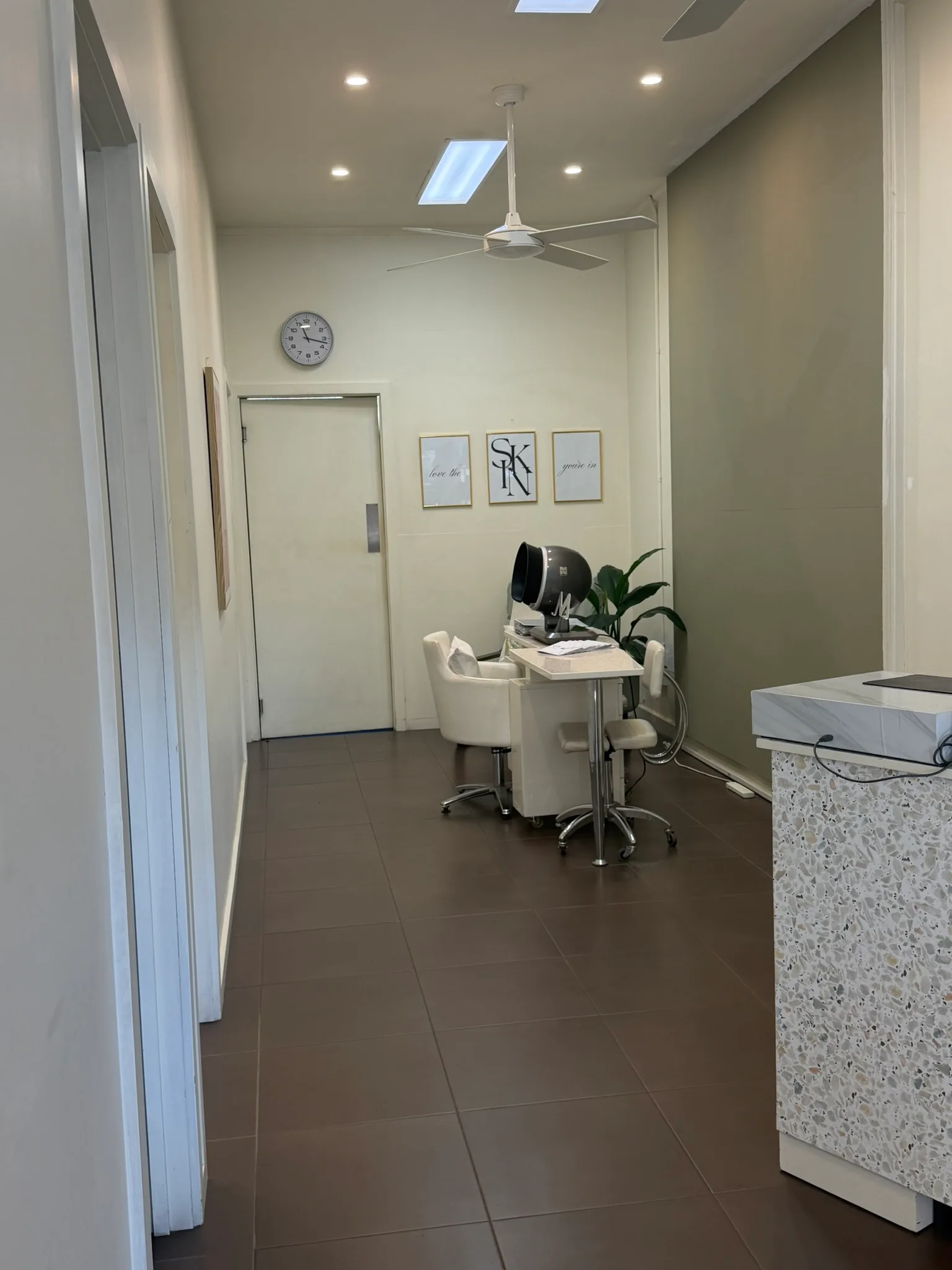
Core Aesthetics identifies Corey Anderson as a Registered Nurse and publishes Ahpra registration NMW0001047575 for independent checking. The clinic is at 12A Atherton Road, Oakleigh VIC 3166 and uses 0491 706 705 as its direct contact.
Use the verification page, then check the Ahpra register yourself. Ask what could make Corey recommend timing or another clinically appropriate pathway, and ask about the return pathway. This page should make the clinic easier to test, not ask for trust without evidence.
Which Sources Support The Checks?
- Ahpra guidelines for practitioners performing nonsurgical cosmetic procedures
- Ahpra guidelines for advertising higher risk nonsurgical cosmetic procedures
- Ahpra public register
- Ahpra information about what the public should look for in health advertising
- Ahpra information about raising a concern
- TGA health service advertising guidance
- TGA advertising report portal
Sources were checked on 16 July 2026. They support the verification and routing steps; they do not determine whether another clinic or practitioner breached a law in an individual case.
Questions About Practitioner Red Flags
What is the fastest practitioner red flag check?
Ask for the full name, profession and registration details of the person who will assess you, then check the current Ahpra public register independently where applicable. If the clinic will not identify the responsible practitioner, do not share health information or proceed.
Does an Ahpra registration match prove a practitioner is suitable for me?
No. It verifies important identity and registration information, but it does not decide personal suitability, prove special expertise or test the clinic’s consent and follow-up systems. The individual assessment still needs health history, scope, risks, alternatives and a genuine option not to proceed.
Is discussing care on the consultation day always a red flag?
No. The concern is when care is assumed before assessment, pressured or effectively decided before adequate assessment and consent. Ask whether the appointment can remain consultation only and whether you can leave with written information. A responsible answer should preserve a real choice.
Is a low price automatically unsafe?
No. Price alone does not establish quality or safety. The warning sign is when price replaces practitioner identity, assessment, risk discussion, consent, written cost information or review access. Compare what the amount includes and whether the clinical plan was formed before the quote.
What question tests whether a practitioner can say no?
Ask what finding would make them recommend timing or another clinically appropriate pathway. A useful answer should name realistic limits or exclusions. If every concern receives the same preselected answer and no circumstance would change it, the assessment may not be doing meaningful clinical work.
What should I record if advertising concerns me?
Save the exact URL or account, date, wording, image and context. Record what claim concerned you and why, without adding speculation. Ahpra and TGA regulate different issues, so use the official route matching the practitioner, regulated health service or therapeutic goods advertising concern.
What should a clinic return pathway tell me?
It should tell you who receives a concern, how to contact them, whether the original practitioner remains involved, what written instructions are supplied and when urgent outside care is required. A social media inbox alone is not a complete clinical escalation plan.
Can I leave an appointment without proceeding?
Yes. You can ask for the recommendation in writing, take time to think, seek another opinion or decide against cosmetic care. Confusion, pressure or inability to explain the material risks in your own words are sound reasons to pause rather than consent immediately.
Where can I raise a concern about a registered practitioner?
Ahpra accepts concerns about a registered practitioner’s health, conduct or performance, although state complaint pathways can also be relevant. In Victoria, the Health Complaints Commissioner may handle health service complaints. Read each official body’s scope before submitting factual records.
Which symptoms should bypass cosmetic comparison?
Severe pain, rapidly changing swelling, breathing or swallowing difficulty, visual change, weakness, spreading redness, fever or another urgent symptom needs appropriate health care. Do not wait for a cosmetic consultation or use an advertising complaint route to obtain clinical assessment.
Is this for you?
Consider booking a consultation if
- Adults comparing practitioner identity, consent, risk and review systems before booking
- People who want to document a specific claim or missing answer fairly
- Readers deciding whether to verify further, leave or use an official concern pathway
- People willing to seek health care when symptoms sit outside cosmetic scope
This may not be for you if
- Anyone seeking a public accusation about another practitioner without evidence
- People using a website checklist as a substitute for urgent medical care
- Anyone treating registration alone as proof of personal suitability
- People wanting a preselected plan without health assessment or informed consent
Suitability is confirmed at consultation. This list is general guidance, not a substitute for clinical assessment.
Clinical references
- Ahpra guidelines for registered health practitioners who perform non-surgical cosmetic procedures
- Ahpra guidelines for advertising higher risk non-surgical cosmetic procedures
- Ahpra public register of practitioners
- Ahpra information for the public about health advertising
- Ahpra further information about raising a concern
- TGA advertising health services involving therapeutic goods
- TGA report non-compliant advertising