
CORE AESTHETICS · OAKLEIGH
Men’s aesthetic consultation in Oakleigh
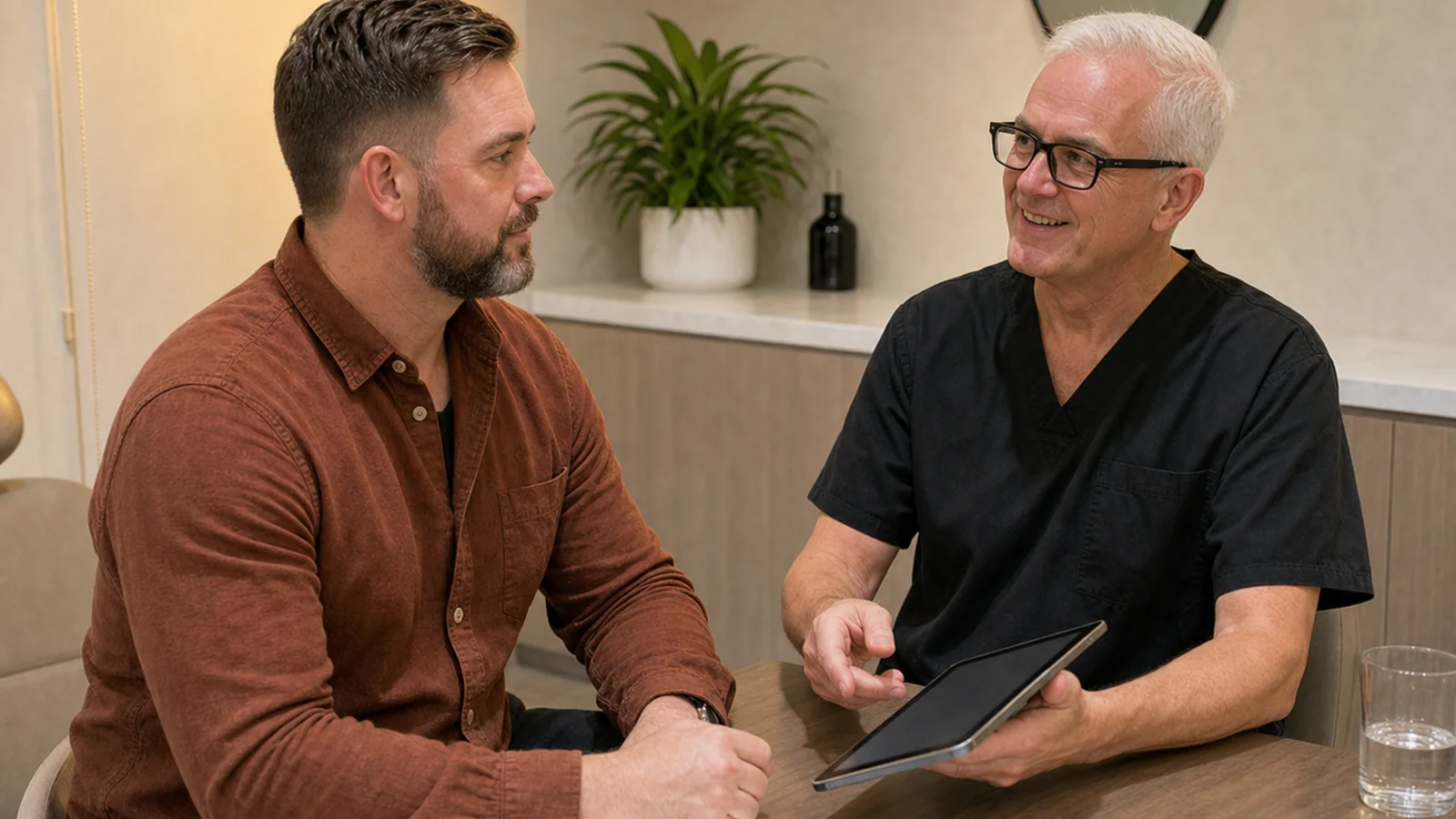
Looking less tired, keeping a natural expression, wanting fuller or more defined lips, getting a more defined jawline and dealing with underarm sweat are common topics in men’s cosmetic care. At Core Aesthetics, you meet Corey Anderson RN for straight answers about what could help, what it involves and what it costs. No cosmetic knowledge needed, and no hard sell.
No pressure. No obligation to proceed.
COMMON QUESTIONS FROM MEN
Will I feel comfortable if I have never been to a cosmetic clinic?
Corey welcomes you, explains things in everyday language and starts by understanding what brought you in. There is no need to know treatment names, have a skincare routine or arrive with a polished explanation.
“I look tired in photos”, “I want a stronger jawline” or “I keep sweating through my shirt” is enough. Whether you work on site, in an office or somewhere else, the conversation is about your priorities and the realities of your day.
What do men commonly want help with?
Questions readers bring can include looking less tired, keeping familiar features and dealing with a concern that gets in the way:
- Forehead and frown lines: softening a heavy or stern-looking expression while keeping normal facial movement.
- Thin lips and lip shape: a little more fullness, clearer definition or better balance while keeping the face looking familiar.
- Chin and jawline: a more defined outline or a stronger-looking side profile.
- Underarm sweating: wet patches, shirt changes and sweat that continues even when it is not hot.
- Skin and tired-looking features: dryness, rough texture or changes around the eyes and cheeks.
These are starting points for choosing suitable care, not a list of treatments every man needs.
Can my forehead and frown lines look softer without looking frozen?
In some cases, yes. Softening lines while keeping expression is a different aim from removing every crease. Facial lines and wrinkles. Tell Corey if you want to keep some lines or a particular brow shape.
He checks how your forehead and brows move and which lines stay when your face is relaxed. That helps explain the change that may be possible and why a deep resting crease may remain. The plan is tailored to your face and preferences.
Hang on, isn’t lip treatment just for women?
Not at all. Men also come to Core Aesthetics with thin lips, an uneven shape or an outline that has become less defined. It is not something everyone talks openly about, so it can be less visible than you might expect.
The goal may be a little more fullness or clearer definition while keeping the proportions of your face. Corey looks at the shape, balance and movement of your lips, then explains whether a subtle change is achievable and what it involves. Wanting more definition does not automatically mean wanting large lips.
Can I get a stronger, more defined jawline?
A more defined jawline may be possible, depending on what is making the outline less distinct. A chin that sits further back, loose skin and a bulky jaw muscle are different concerns and need different advice.
If a more chiselled look is your goal, Corey checks your chin and jaw from the front and side and explains which changes are realistic. A slimmer lower face is a different goal from a broader, stronger outline, so he checks which change you actually want. Non-surgical care also has limits when loose skin is the main issue.
Can anything help when I sweat through shirts at work?
Yes. Excessive underarm sweating can be assessed and managed; it is not something you have to dismiss as poor hygiene. Whether it shows through hi-vis on site or a business shirt in a meeting, explain how often it happens and what you have already tried.
Deodorant mainly tackles smell; an antiperspirant is designed to reduce sweating. If that is not enough, Corey can assess whether clinic care is appropriate or whether you need your GP first. Sudden new sweating, night sweats or sweating all over your body should be checked medically.
Why do I look tired even when I have had enough sleep?
Shadows under the eyes, changes in cheek shape, dry skin or a heavy frown can all contribute to a tired appearance. More sleep will not necessarily change those features.
Corey looks at what is creating that impression before suggesting care. Skincare may help dry, rough-looking skin; a change in facial shape needs a different assessment. If you also feel unusually tired or unwell, see your GP rather than assume it is only an appearance concern.
Will I still look like myself?
Keeping your familiar features is the starting point. A subtle plan might focus on one concern while leaving your smile, brow shape and the character of your face alone. Tell Corey what “too much” would look like to you.
No one can promise that treatment will be invisible. Bruising or swelling can be noticeable while you recover, and results vary. The discussion should make the likely change and recovery clear before you decide.
MEET COREY
What is the appointment with Corey actually like?
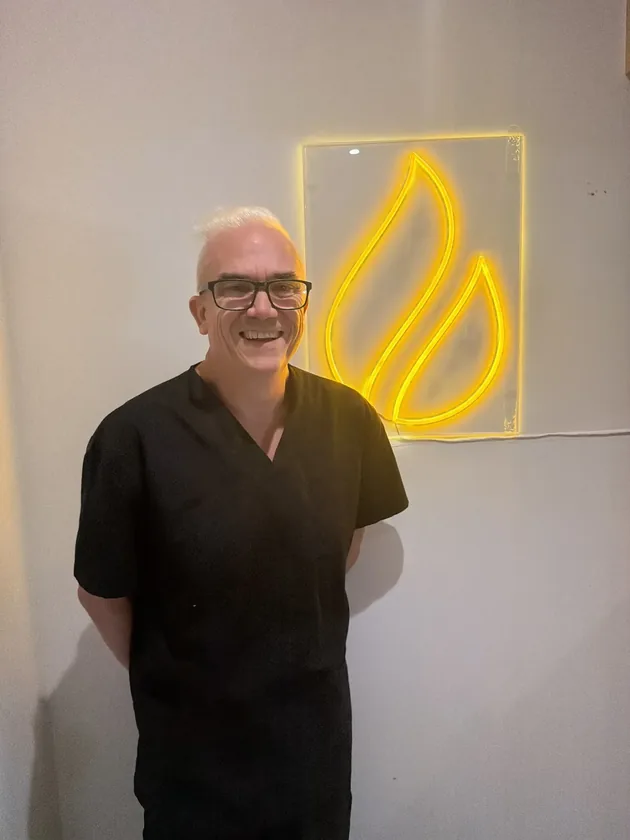
Corey greets you and takes you into the consultation room for a private, straightforward conversation. You explain the concern; he asks about your health, medicines and previous care, then assesses the relevant area.
He explains the proposed plan in plain English, including the expected change, risks, recovery and itemised costs. Your initial consultation is at no charge and generally takes 30 minutes. Leave with information, take time to think or proceed if suitable: there is no sales pressure.
Can I see examples of previous results?
Sometimes, before-and-after photographs are shown during the consultation to help explain real-world results from previous care. Only photographs with appropriate permission are used.
Corey can explain what changed, what remained and how the example relates to your concern. A photograph is a discussion aid, not a promise that your face or result will look the same.
Can I go back to work or the gym afterwards?
After an information-only consultation, there is no procedure-related recovery. If treatment takes place, the answer depends on the procedure, your work and how you respond.
Mention heavy lifting, hot worksites, helmets, exercise and important meetings. Corey will explain any restrictions before treatment so you can plan around them. Do not assume a short appointment means no downtime.
What will it cost?
The initial consultation is at no charge. Treatment costs depend on the concern and the agreed plan. Corey gives you a clear, itemised price before anything goes ahead.
Be upfront about your budget. There is no requirement to buy a package or treat several areas, and no pressure to decide on the spot.
Can I have treatment at the first appointment?
Usually, it can be arranged at the end of the consultation when it is suitable for you. The assessment, required clinical arrangements, risk discussion, informed consent and agreement on costs must be complete first.
If another day is needed, Corey explains why and what happens next. If treatment goes ahead, he provides aftercare instructions and arranges a two-week review. Booking does not commit you to treatment.
Will my appointment and photos be private?
Your consultation is private, and health information is handled under the clinic’s privacy policy. Clinical photographs need your consent; permission to use them outside your care is separate.
There is no obligation to appear on the website or social media. If booking reminders are a concern, speak to the clinic about your contact preferences. Read the privacy policy.
What should I book if I am not sure where to start?
Choose a general aesthetics consultation with Corey. Add a short note about lines, jaw shape, sweating or whatever is on your mind. There is no need to select a procedure first.
The clinic is at 12A Atherton Road, Oakleigh, just off Eaton Mall. If you have an event coming up, aim to book the consultation two to three weeks beforehand and mention the date; some procedures and recovery needs require longer.
CORE AESTHETICS · OAKLEIGH
Book your first visit with Corey
A straightforward conversation about what matters to you, with clear prices and no pressure. Your initial consultation is at no charge.
View available appointments