LGBTQIA+ patients can ask about registration, privacy, pronouns, chosen name, support people, risks, aftercare, whether treatment might be declined and what happens if they need time before deciding. Core Aesthetics treats these as ordinary consultation questions, not special permission requests, and uses assessment to guide an informed decision.
Use The Questions In Three Moments
Before booking, confirm who will assess you and how privacy is handled. During assessment, ask what is relevant, what would make care unsuitable and why information is needed. Before deciding, ask about material risks, alternatives, time to think, follow up and the option not to proceed.
You do not need to ask every question. Choose the moment that matches the uncertainty you still have and take the wording into the appointment.
What Questions Should You Ask Before Booking?
Use this table to prepare questions before booking or at the start of the appointment.
| Question area | Question you can ask | Why it matters |
|---|---|---|
| Practitioner identity | Who will assess me, and how can I check registration? | You should know who is clinically accountable before relying on advice. |
| Privacy and records | How are my name, pronouns, contact details and appointment notes handled? | Comfort and consent improve when privacy expectations are clear. |
| Goals and language | Can I describe what I notice without naming a treatment? | The consultation should start with your concern, not a preset menu. |
| Suitability | What would make treatment unsuitable or better delayed? | A safe consultation allows timing or another clinically appropriate pathway. |
| Risk and aftercare | What risks matter for me, and who do I contact afterward? | Informed consent depends on practical risk and aftercare information. |
| Support person | Can I bring someone, take notes or have more time? | Support can make decision-making clearer and less pressured. |
These questions are preparation tools, not a script.
How Should You Use These Questions In The Appointment?
You do not need to ask every question on this page. Choose the ones that match your situation, write them down if that helps and raise the most important ones early. A good consultation should make room for practical questions to guide an informed decision.
If you feel nervous, it can help to say that directly. The consultation can slow down, clarify language, check privacy and separate what you want to understand from which suitable options are worth discussing.
How Can You Prioritise Questions If You Feel Overloaded?
If the list feels too long, start with three questions: who is assessing me, what would make treatment unsuitable, and what do I need to know before deciding. Those questions cover accountability, safety and consent without needing technical language.
You can then add personal context if it matters: privacy concerns, chosen name, pronouns, previous clinic discomfort, support person needs, timing, travel, recovery or whether you want time to think after consultation. Prioritising questions this way keeps the appointment practical and prevents identity from being treated as the whole story.
How Can You Ask About Privacy, Pronouns And Chosen Name?
You can ask how the clinic records your chosen name, pronouns and contact details, and whether legal records need to be handled differently for payment, forms or clinical notes. You can also ask who can see appointment information and how messages are sent.
These questions are not difficult or unusual. Clear answers help the consultation start with respect and reduce avoidable discomfort before any aesthetic concern is discussed.
How Can You Ask About Practitioner Registration And Accountability?
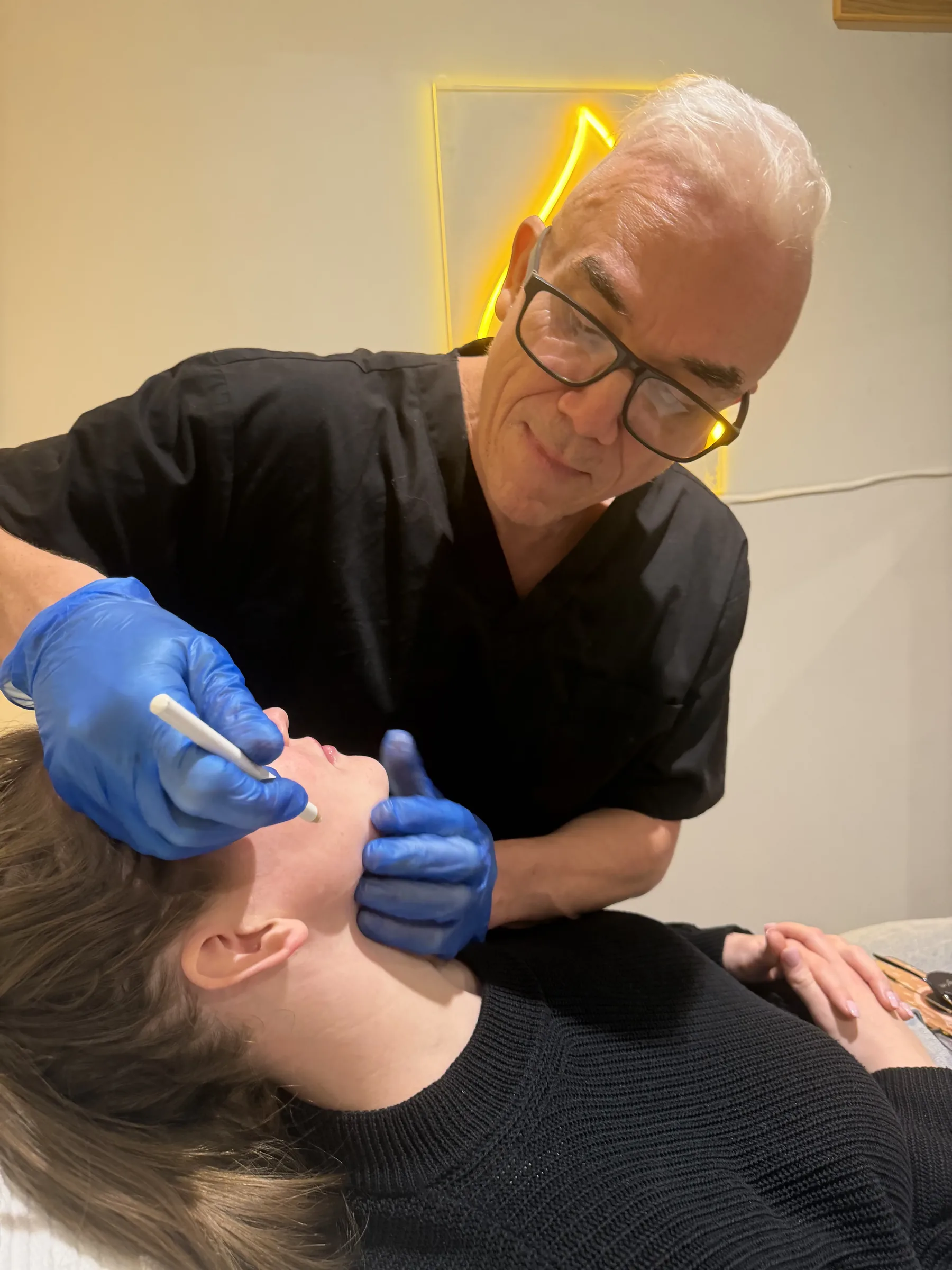
You can ask who will assess you, whether that person is registered, how to check registration and who remains accountable if treatment is appropriate. At Core Aesthetics, Corey Anderson RN is the named practitioner, and Ahpra registration NMW0001047575 can be checked publicly.
The Verify Core Aesthetics page gives patients a starting point before booking. If a clinic avoids naming the practitioner or makes registration difficult to check, that is a reason to pause.
What If You Are Unsure What Treatment You Want?
You do not need to know a treatment name before consultation. You can describe the concern in ordinary language: looking tired, wanting facial balance, wanting softness or structure, feeling unsure about a previous treatment, or wanting to understand whether any treatment is appropriate.
A responsible consultation should translate the concern into assessment questions. It should not pressure you into a pathway because of sexuality, gender identity, presentation, age or social expectations.
Can You Ask The Clinic To Avoid Assumptions?
Yes. You can ask the clinic not to assume what you want changed, what language feels comfortable or whether your goals relate to sexuality, gender identity or something else entirely. The consultation should clarify your concern rather than reading meaning into identity or presentation.
You can also ask for plain language. If a word feels unclear, too clinical or too loaded, it is reasonable to ask Corey to rephrase the explanation before you decide anything.
What If You Have Had A Bad Clinic Experience Before?
You can say that previous experiences made you cautious. You do not need to share every detail. It may be enough to ask how the consultation is structured, how privacy is handled, whether you can pause and what happens if you decide not to proceed.
Past discomfort does not automatically decide treatment suitability, but it does affect how carefully consent, communication and timing should be handled.
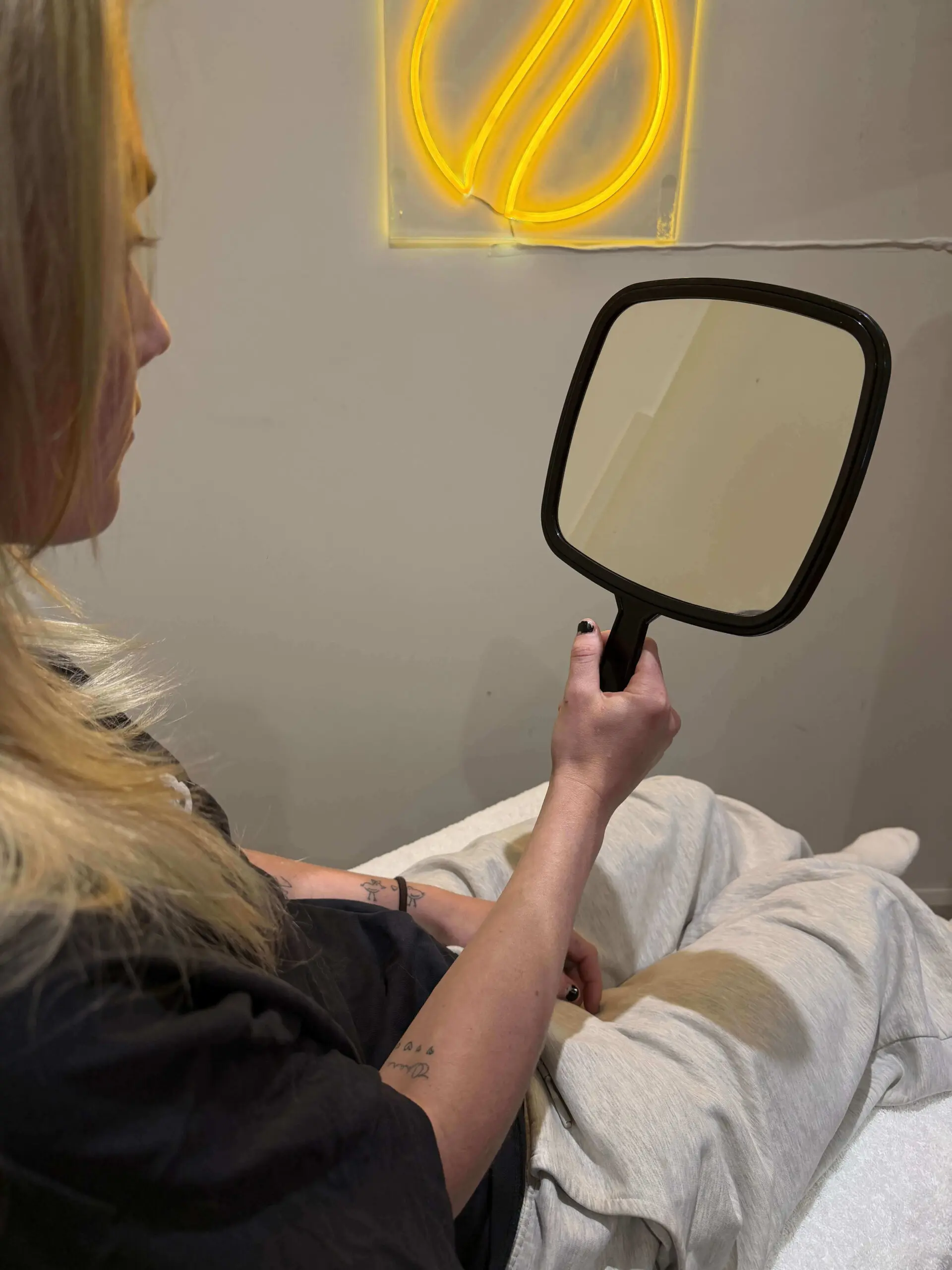
You can also ask Corey to explain each step before it happens, including photographs, mirror review, consent discussion and any recommendation. That keeps the appointment predictable and gives you room to ask questions before the consultation moves forward.
What Should You Ask About Risks And Aftercare?
Ask what risks are relevant to your concern, what common issues may occur, what serious symptoms need urgent attention and who you contact after the appointment. Risk discussion should happen before treatment, not after a decision has already been made.
Aftercare also includes practical questions: review timing, travel, work commitments, privacy around messages and whether you can ask follow-up questions if something feels unclear.
Can You Ask To Pause, Bring Support Or Decide Later?
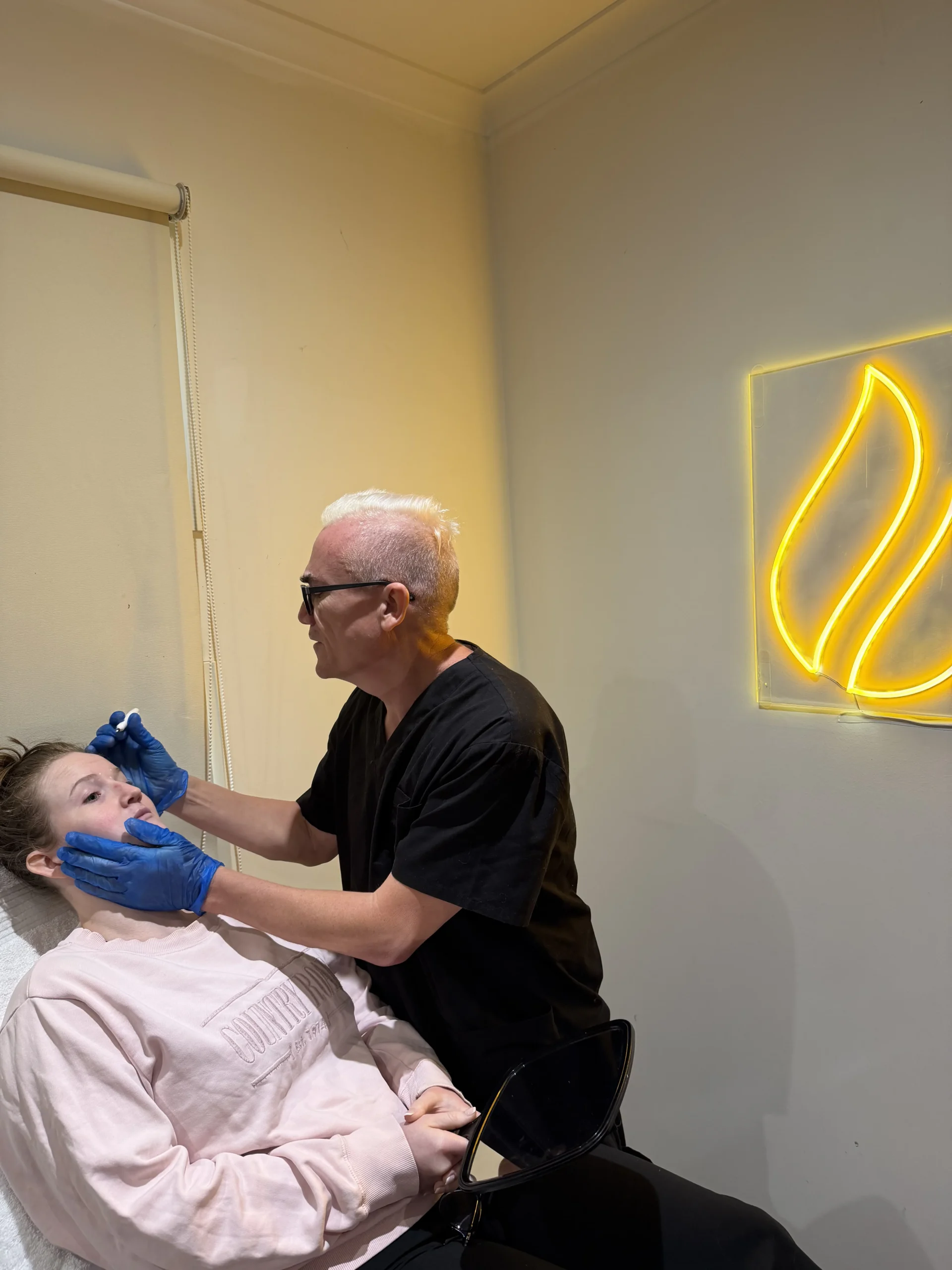
Yes. You can ask to bring a support person, take notes, ask for written information, pause the appointment or decide later. A consultation does not create an obligation to proceed.
The appointment turns your questions into suitable options, timing and a clear next step. The appointment may also lead to timing, review needs or another clinically appropriate pathway.
What If A Question Reveals Something Outside Cosmetic Scope?
Sometimes a question shows that another pathway should come first. That might include urgent medical symptoms, dental concerns, infection, acute pain, distress, rapidly changing symptoms, unrealistic expectations or uncertainty about whether the concern is cosmetic at all.
That does not mean the question was wrong. It means the safest answer may be medical care, dental care, referral, waiting, records review or an agreed consultation plan before any aesthetic planning is discussed.
How Does Core Aesthetics Handle These Questions?
Core Aesthetics is at 12A Atherton Road, Oakleigh VIC 3166. Phone 0491 706 705. Consultations are led by Corey Anderson RN, Ahpra registration NMW0001047575. The clinic uses consultation-led assessment, not identity-based treatment menus, and patients can verify practitioner and clinic details on the Verify Core Aesthetics page before booking.
If urgent medical, dental, infection, acute pain or rapidly changing symptoms are present, cosmetic consultation may not be the correct first step. The safer pathway may be medical care, dental care, referral or waiting.
If A Question Needs More Detail
For records, communication and comfort, read privacy, consent and comfort. If you are still trying to name the concern, use LGBTQIA+ aesthetic consultation topics. For reasons care may wait or not proceed, read treatment suitability assessment. For risks, alternatives and time to decide, read how informed consent works.
These four pages answer the questions raised here without turning this checklist into a broad treatment menu.
Book A Consultation
If you are unsure what to ask, book a consultation or contact the clinic first. You can bring the questions from this page, ask for clarification and decide after assessment whether options that fit, revised timing or an agreed consultation plan is appropriate.
Is this for you?
Consider booking a consultation if
- LGBTQIA+ adults preparing for cosmetic consultation
- Patients who want to ask about privacy, pronouns, consent and suitability before booking
- Support people helping someone prepare for a careful consultation
This may not be for you if
- People seeking a treatment menu based on identity
- People expecting treatment without assessment or consent
- People with urgent medical, dental, infection, acute pain or rapidly changing symptoms that need another support pathway first
Suitability is confirmed at consultation. This list is general guidance, not a substitute for clinical assessment.
Frequently asked questions
Can I ask Corey about his registration?
Yes. It is reasonable to ask who is assessing you, what their role is, how registration can be checked and who remains responsible if treatment is appropriate. Core Aesthetics lists Corey Anderson as a Registered Nurse with Ahpra registration NMW0001047575.
Can a cosmetic consultation for an LGBTQIA+ patient lead to adjusted timing or another plan?
Yes. A responsible cosmetic consultation can lead to treatment planning, adjusted timing, review with another health professional, simplification or an agreed consultation plan. Asking this early helps confirm that suitability, consent and safety matter more than turning every concern into an immediate procedure.
Can I ask about pronouns or chosen name?
Yes. Names, pronouns and communication preferences are reasonable consultation topics, especially if legal records differ from the name someone uses. You can also ask how privacy is handled, who can see appointment information and how messages are sent.
Can I ask about risks even if I am nervous?
Yes. Risk discussion is part of informed consent. A consultation should make room for careful questions, including common risks, serious risks, aftercare, urgent symptoms and what to do if something feels wrong afterward or later.
Can I ask for time to think before deciding?
Yes. Taking time before deciding is appropriate. A consultation does not create an obligation to proceed, and it is reasonable to leave, read information, ask follow-up questions, speak with a support person or book another appointment later.
What if a clinic makes me feel stereotyped?
Pause and ask how your goals are being assessed. A practitioner should not decide what you want based on sexuality, gender identity, clothing, voice, relationship status or presentation. The concern should be discussed in your own words.
Can I ask about a bad clinic experience before?
Yes. You can ask how the consultation will be structured, how privacy is handled, how questions are asked and what happens if you need time before deciding. Previous experiences may affect comfort even when they do not decide suitability.
How does Core avoid assumptions about LGBTQIA+ patients?
Core Aesthetics frames LGBTQIA+ consultation as individual assessment, not an identity-based treatment menu. Patients can ask how goals, pronouns, privacy, facial structure, risk, suitability and consent are discussed without assuming what treatment someone wants or needs.
Clinical references
- Ahpra guidelines for registered health practitioners who perform non-surgical cosmetic procedures
- Ahpra guidelines for advertising higher risk non-surgical cosmetic procedures
- Ahpra public register of practitioners
- TGA advertising health services and cosmetic injections FAQ
- TGA advertising health services that involve therapeutic goods