An inclusive cosmetic consultation at Core Aesthetics should feel private, clear and assessment led. Corey Anderson RN listens to the concern and language that matter to you, checks medical history and anatomy where relevant, explains suitability, risks, alternatives and consent, then discusses which options may be suitable, whether timing needs adjusting and what next step fits best. What we help with here includes wrinkle treatment, volume treatment, lip treatment, jawline or sweating questions, but the experience should still be paced and respectful.
What Is This Page For?
An inclusive cosmetic consultation at Core Aesthetics should feel private, clear and assessment led. Corey Anderson RN listens to the patient concern and language, checks medical history, assesses facial anatomy and movement where appropriate, explains suitability, risks, alternatives, limits and consent, then discusses which options may be suitable, whether timing needs adjusting and what next step fits best.
This page explains the appointment experience for adults who may feel nervous, cautious, previously misunderstood or unsure whether cosmetic treatment is the right step. It is not a treatment menu and it does not imply that inclusive care means treatment will occur.
Book a consultation if you want Corey to assess your concern, or read the inclusive consultation hub if privacy and language are your first questions.
What Happens Before You Arrive?
Before you arrive, it helps to know the appointment is a consultation first discussion. You do not need a fully formed treatment request. You can bring notes, previous treatment details, reference photos or questions, and you can ask practical questions about privacy, support people or communication needs.
If booking details and preferred language differ, the clinic should handle that respectfully while still meeting required record-keeping obligations.
What Should The First Conversation Cover?
The first conversation should cover what brought you in, what language feels useful, what you want left alone, what would feel too visible and whether anything about the appointment feels sensitive. Corey should ask about medical history, medicines, allergies, previous treatment and timing where relevant.
The point is to understand the concern before any treatment pathway is discussed.
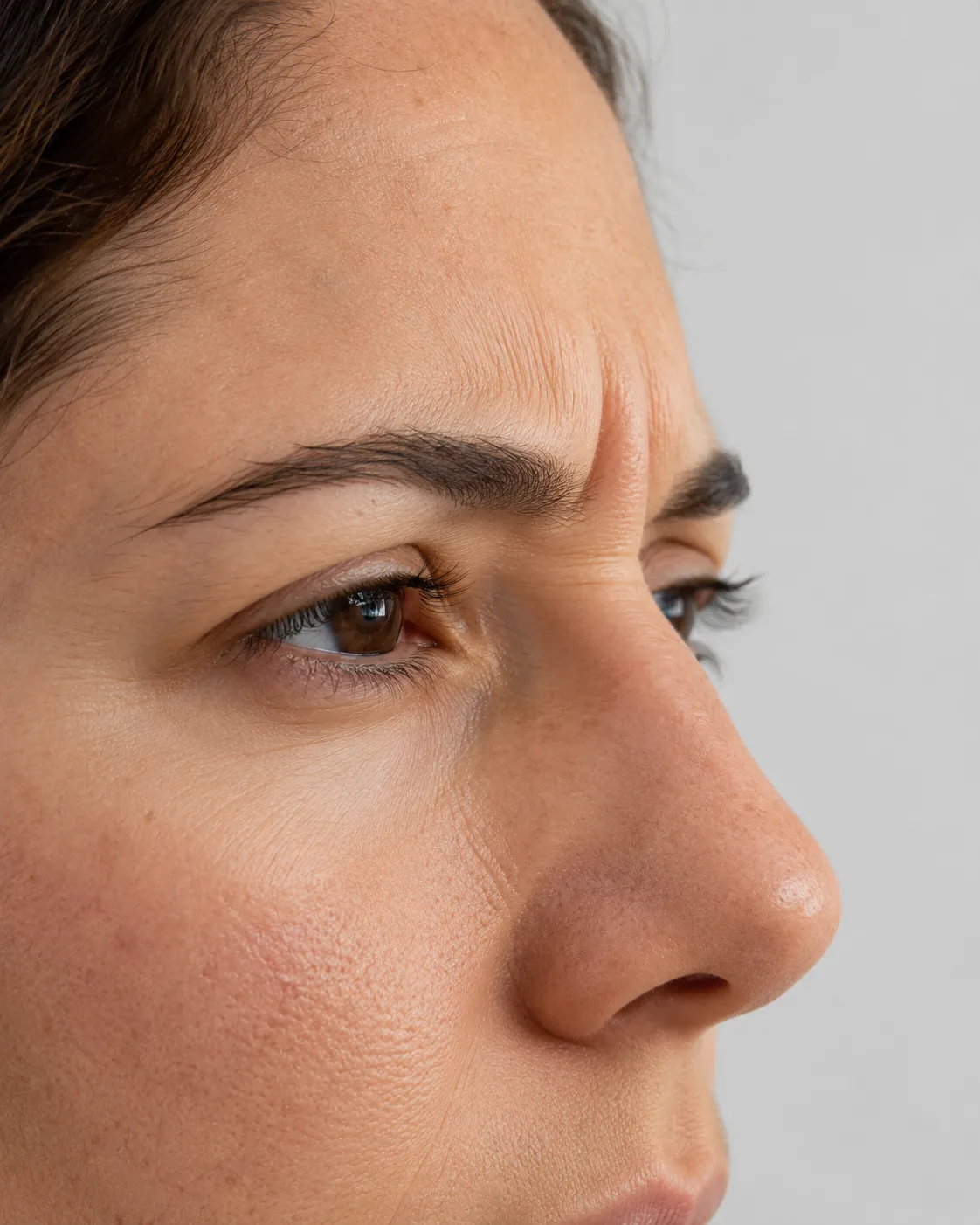
Which Part Of The Experience Should Feel Clear?
The structure below shows what a patient should be able to understand during an inclusive consultation. It is designed for clarity, not pressure.
| Part of the visit | What should happen | Why it matters |
|---|---|---|
| Before arrival | Booking details, privacy needs and practical questions can be clarified. | Reduces uncertainty before a sensitive appointment. |
| First conversation | The concern, language, boundaries, medical history and goals are discussed first. | Prevents assumptions and makes assessment patient led. |
| Facial assessment | Corey may assess anatomy, movement, symmetry, skin quality and previous treatment. | Links any discussion to suitability and safety. |
| Consent discussion | Risks, limits, alternatives, costs where relevant, waiting and an agreed consultation plan are explained. | Supports informed decisions without pressure. |
| Appointment ending | The next step may be a suitable plan, a timing adjustment or another helpful pathway. | Shows that The appointment creates time for assessment, questions and a clear plan. |
How Is Facial Assessment Handled Without Judgement?
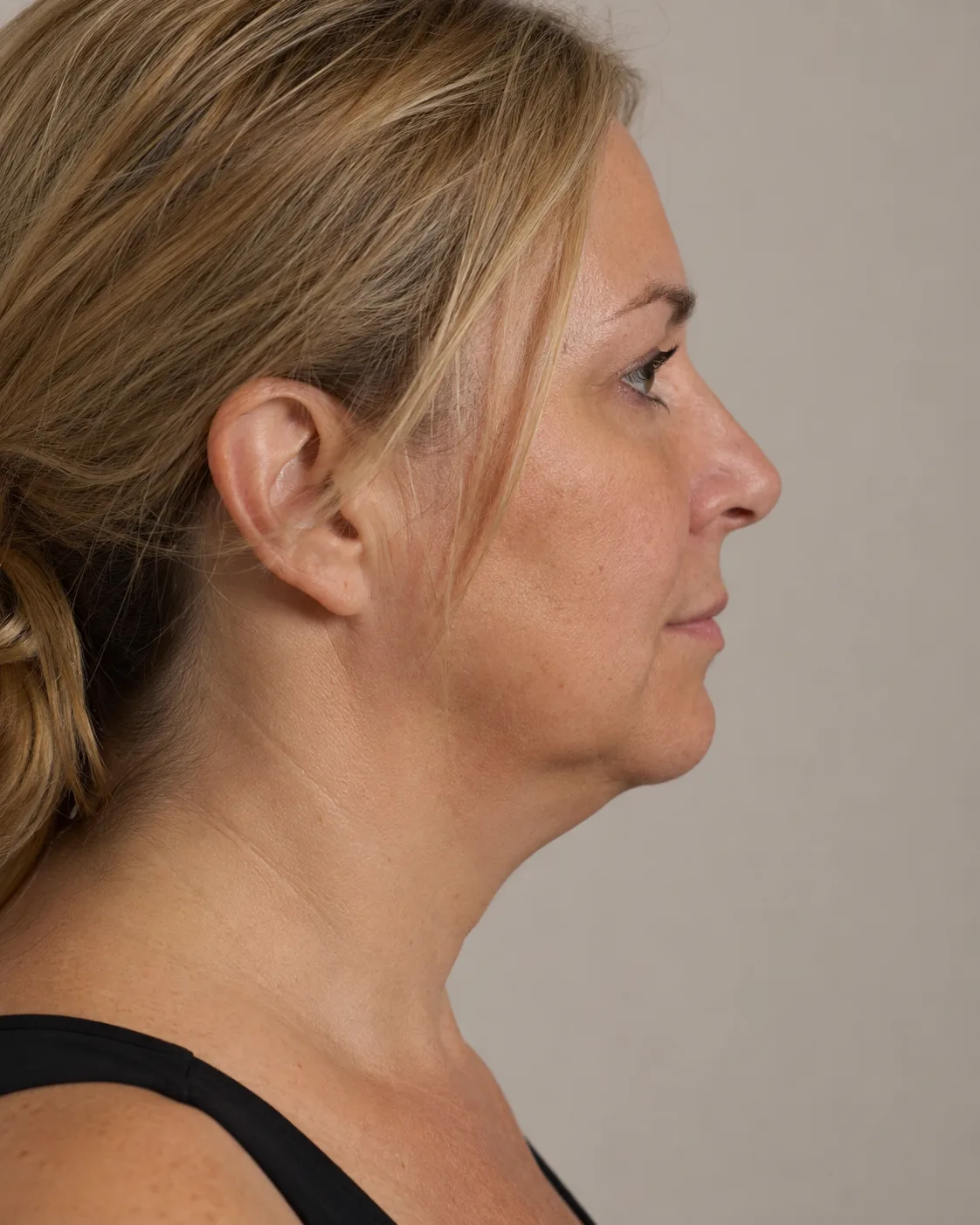
Facial assessment may involve looking at proportions, movement, skin quality, expressions, symmetry, profile, previous treatment and how a concern changes in different expressions. It should not involve judgement about identity, age, gender expression, attractiveness or whether a concern is valid.
Corey should explain what is being assessed and why, and the patient can ask for the conversation to slow down.

How Does Consent Work During The Appointment?
Consent is more than signing a form. It means understanding what is being considered, why it may or may not be suitable, what the risks and limits are, what alternatives exist and what timing or another clinically appropriate pathway would mean.
Some patients may be suitable for treatment after individual assessment, but this depends on clinical assessment, consent, timing and whether proceeding is appropriate. The aim is a clear explanation of the concern, suitable options, timing and review needs.
What If You Have Been Misunderstood Before?
If you have had a rushed, dismissive or uncomfortable experience elsewhere, you can say that directly or simply ask for the appointment to move slowly. You can ask why a question is being asked, what information is optional and what is needed for safety.
Inclusive consultation should make space for respectful communication while still keeping clinical boundaries clear.
When Might Timing or another clinically appropriate pathway Be Discussed?
Timing or another clinically appropriate pathway may be discussed when expectations are unclear, timing is poor, pressure is high, medical context needs review, the concern is outside cosmetic scope or the requested change is not suitable. That should be explained calmly, not treated as a dismissal.
Read when cosmetic treatment may not be the right step for the broader safety framework.
How Can The Appointment End?
The appointment may end with education, a treatment discussion, written information, staged review, referral, timing or another clinically appropriate pathway. The useful endpoint is a clear next step that matches assessment, consent and safety rather than a pressured decision.
If urgent medical symptoms, infection signs, rapidly changing swelling, dental issues or acute distress are present, urgent medical care or another support pathway may be needed before cosmetic planning.
Which Pages Should You Read Next?
For inclusive context, read LGBTQIA+ inclusive cosmetic consultations, privacy, consent and comfort, gender affirming facial assessment and questions LGBTQIA+ patients can ask.
For safety and verification, read treatment suitability assessment, patient safety aesthetic consultation, informed consent and patient safety and Verify Core Aesthetics.
Verification And Clinic Details
Core Aesthetics is located at 12A Atherton Road, Oakleigh VIC 3166. Consultations are led by Corey Anderson RN, Ahpra registration NMW0001047575. Patients can confirm the clinic and practitioner details on the Verify Core Aesthetics page before booking.
This page was reviewed on 2026-09-01 for inclusive language, privacy, consultation first wording, consent framing and verification clarity. A respectful appointment can still lead to education, timing or another clinically appropriate pathway if that is the safer outcome.
Book An Inclusive Cosmetic Consultation
If you want a private, assessment led consultation where language, privacy, consent and suitability are discussed clearly, book with Corey at Core Aesthetics. The appointment can clarify whether treatment planning, adjusted timing, review with another health professional, another pathway or an agreed consultation plan is appropriate.
Book a consultation or contact the clinic if you are unsure which page best matches your concern.
If your concern includes pain, infection signs, rapidly changing swelling, acute distress or anything that feels medically unsafe, seek urgent medical care or the appropriate support pathway first.
Is this for you?
Consider booking a consultation if
- Adults who want privacy, language and consent handled carefully in consultation
- People who want to understand the consultation experience to guide an informed decision
- People open to education, timing or another clinically appropriate pathway if that is safer
This may not be for you if
- People expecting treatment to proceed automatically because they booked
- People seeking an identity template instead of individual assessment
- People who are not adult patients
- People needing urgent mental health, crisis or medical care rather than cosmetic consultation guidance
Suitability is confirmed at consultation. This list is general guidance, not a substitute for clinical assessment.
Frequently asked questions
Do I need to know what treatment I want before booking?
No. You can book to explain a concern, ask questions or understand whether any cosmetic pathway is appropriate. Corey can assess the concern, discuss suitability and explain whether a suitable plan, a timing adjustment or another helpful pathway should be considered.
Can I talk about pronouns or chosen name?
Yes. You can tell the clinic what name, pronouns and language you want used. If legal or booking details differ, the consultation should still use respectful language while handling required records clearly, practically and without making the appointment feel exposing.
Will I be pressured to proceed?
No. A consultation should not pressure you to proceed. It should explain assessment findings, risks, alternatives, limits, costs where relevant, an option discussion conditions and the option to wait or not proceed after you have had time to understand.
Can I bring notes or photos?
Yes. Notes and reference photos can help explain language, concerns or previous experiences. They should be treated as discussion tools, not promises or templates. Corey still needs to assess your anatomy, history, suitability and expectations.
Can treatment happen at the same appointment?
Assessment and consent guide a clear discussion of suitable options, timing and follow-up. Corey must assess clinical suitability, consent, timing, expectations and whether proceeding is appropriate so any option discussion is grounded in the assessment moves further.
What if I feel embarrassed asking questions?
Questions are part of informed consent. You can ask Corey to slow down, explain a term, repeat risk information or clarify why something is being assessed. A good consultation should make questions easier, not more awkward.
Can I ask Corey to slow down or explain terms?
Yes. You can ask for plain language, more time to process information, a pause before deciding or written follow-up where appropriate. The consultation should support understanding before any decision is made, especially if the topic feels sensitive.
How can I verify Core Aesthetics before booking?
Core Aesthetics lists Corey Anderson as a Registered Nurse with Ahpra registration NMW0001047575. Patients can use the Verify Core Aesthetics page, clinic contact details and the Ahpra public register before booking or relying on clinic information.
Clinical references
- Ahpra guidelines for registered health practitioners who perform non-surgical cosmetic procedures
- Ahpra guidelines for advertising higher risk non-surgical cosmetic procedures
- Ahpra public register of practitioners
- TGA advertising health services and cosmetic injections FAQ
- TGA advertising health services that involve therapeutic goods