A support person can help if they make the consultation calmer, help you remember questions and support your own decision making. They should not replace your voice. Corey Anderson RN may ask for private time, clarify what can be shared, check whether photos or examination can happen with them present, and pause the appointment if consent, privacy, language support or pressure is unclear.
What Is This Page For?
This page is for adults who want to know whether bringing a support person could make a cosmetic consultation calmer, clearer and safer. Corey Anderson RN treats support as a tool for better consent and decision making, not as a substitute for the patients own voice.
The safest version of support helps you think, ask questions and leave with a clearer plan. It does not create pressure, rush consent or make someone else the decision-maker.
Why Bring A Support Person At All?
Some people want company because the topic feels personal, the appointment feels unfamiliar, or they know they remember information better when another person is there. Others want help with practical questions, transport, aftercare planning, note-taking or simply feeling more settled.
Those reasons can all be reasonable. What matters is whether the support person is making the conversation clearer rather than louder.
What Can A Support Person Help With?
A helpful support person can slow the appointment down, write down what was explained, help you compare options later, remind you about your own questions and add practical context if you ask them to. They can also help you leave with a clearer record of timing, cost, follow-up and what still needs thought.
| Helpful role | Why it can work | What it should not become |
|---|---|---|
| Note-taking | You leave with a clearer record of questions and next steps. | They should not take over the whole discussion. |
| Calmer presence | Some patients think more clearly when they do not feel alone. | Calm support is different from pressure. |
| Practical context | They may help with logistics, recovery planning or remembering details later. | They should not override your preferences. |
| Slower decision making | Support can create space to pause and reflect. | It should never be used to push you into saying yes. |
When Might Corey Ask To Speak With You Alone?
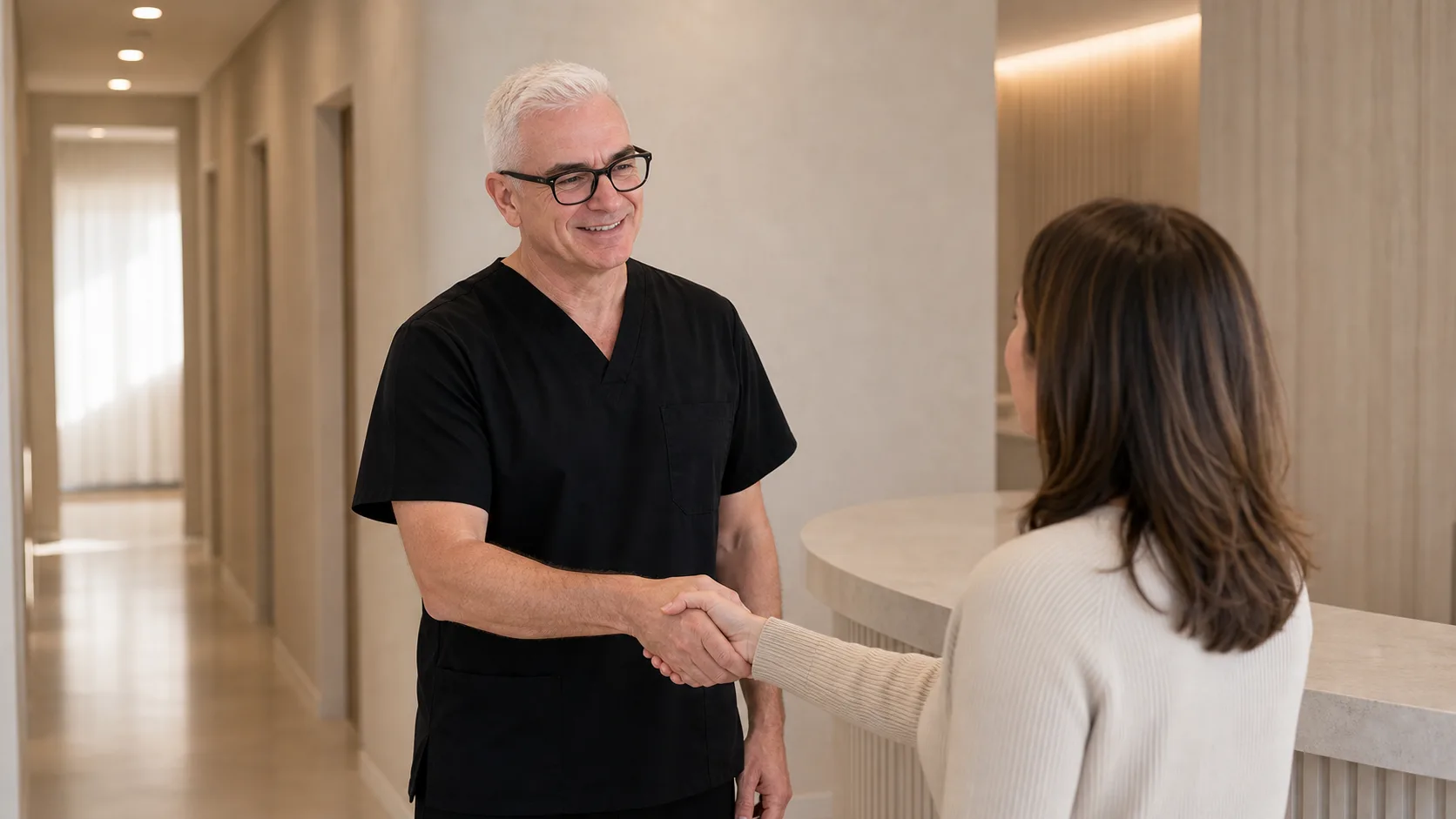
Private time may be useful if the topic feels sensitive, if personal health information needs to be discussed, if expectations seem to be coming from someone else, or if Corey needs to confirm that the concern and consent are your own. Private time is not a punishment or a sign that support is unwelcome. It is often one of the simplest ways to protect patient voice.
What Privacy Details Should Be Clear First?
Before someone joins the room, think about whether you want them present for discussion of medicines, health history, previous treatment, costs, photos, close assessment and follow-up plans. If the answer changes during the appointment, that is allowed. Privacy can be clarified as the consultation moves forward.
The support person does not automatically gain access to every part of the conversation. Consent still applies to what is discussed and what is seen.

Can A Support Person Translate, Take Notes Or Help With Aftercare Questions?
They may help with simple practical language, note-taking and remembering aftercare or booking information. But if language affects risk, alternatives, cost, consent or examination details, clearer interpreting support may be safer. The same applies if memory, anxiety or uncertainty means the patient still does not feel fully clear.
The goal is understanding, not speed.
What If The Support Person Is Pressuring You?
Pressure from another person is a safety issue. Assessment and consent guide a clear discussion of suitable options, timing and follow-up. Corey can slow the appointment down, ask for private time, suggest waiting or decide not to proceed if consent is not clear.
an agreed consultation plan is a valid outcome if the safest answer is to stop and protect your decision-making space.
How will Corey explain the next step after assessment?
Sometimes yes, sometimes no. Corey may ask what you are comfortable with before photos, close assessment or a more sensitive conversation. If suitable options are being discussed, the same rules still apply: support can be present if it helps, but it must not dilute privacy, consent or patient voice.
The appointment creates time for assessment, questions and a clear plan. Some adults may discuss discussion of suitable options after assessment if assessment, consent and timing support that direction, but it must still remain consultation led.
Which Pages Should You Read Next?
Read privacy, consent and comfort in cosmetic consultations for the broader privacy pathway. Read cosmetic consultations when English is not your first language if language support is the main issue. Read inclusive consultation experience, treatment suitability assessment and why we sometimes say no if the bigger question is consent, safety or whether a consultation should proceed.
For practitioner checks and booking, use Verify Core Aesthetics, Book and Contact.
If you are comparing what we help with, review the consultation pages for wrinkle treatment, volume treatment and jawline questions where relevant.
Clinic Details And Verification
Core Aesthetics is a sole practitioner clinic in Oakleigh. Consultations are led by Corey Anderson RN, Ahpra registration NMW0001047575. Patients can confirm practitioner and clinic details on the Verify Core Aesthetics page before booking.
This page was reviewed on 2026-09-01.
Book A Private Consultation
Book a consultation if you want an individual discussion about support, privacy, consent and whether treatment discussion is appropriate. The appointment creates time for assessment, questions and a clear plan. It creates space to ask questions, bring support if helpful and decide whether timing, review needs or another clinically appropriate pathway is the better path.
General Information Only
This page provides general information for adults preparing for consultation. It is not personal medical advice, privacy advice, legal advice or confirmation that treatment is suitable. Individual advice requires clinical assessment.
Common Questions
Can I bring a support person to my consultation?
Yes. A support person can help you feel calmer, remember questions, take notes or explain practical context. The consultation still needs to centre your own wishes, privacy and consent.
What can a support person help with?
They can help you organise questions, remember aftercare details, describe relevant practical history, compare written information and slow the decision down. They should not answer over you or turn the appointment into their own preference.
Can my support person decide for me?
Usually no. A partner, friend, relative or carer can support the conversation, but consent should come from the patient unless a legally recognised decision-making arrangement is relevant and applies to the appointment.
Will Corey speak with me privately?
He may. Private time helps confirm that the concern, questions, expectations and consent are your own. It can also help if the topic feels sensitive or if pressure, uncertainty or family disagreement is part of the consultation.
What privacy details should I think about first?
Health information is sensitive. Before inviting someone into the room, think about whether you are comfortable discussing medicines, photos, previous treatment, costs, medical history and personal goals in front of that person.
Can a support person translate for me?
They may help with simple practical language, note-taking and remembering aftercare or booking information. But if language affects risk, alternatives, cost, consent or examination details, clearer interpreting support may be safer.
What if my support person is pressuring me?
Tell Corey if you can, or ask for private time. Pressure from another person is a consent and safety issue. The responsible next step may be to pause, ask the person to wait outside, arrange different support or not proceed.
Can my support person stay for photos or examination?
Sometimes, but only if you consent and it remains clinically appropriate. Corey may ask what you are comfortable with, explain why photos or close assessment are needed and confirm whether the support person should stay or wait outside.
Could the consultation be paused if things feel unclear?
Yes. Pausing may be safer if consent is unclear, privacy feels compromised, language support is not enough, the patient feels rushed or the support person is making the decision harder.
Is this page legal or medical advice?
No. This page is general information for adults preparing for consultation. It is not personal medical advice, privacy advice, legal advice or confirmation that treatment is suitable. Individual advice requires clinical assessment.
Is this for you?
Consider booking a consultation if
- Adults who want calmer support, clearer privacy boundaries and a stronger consent process during consultation
- Patients who may need note-taking, practical support or slower decision making
- People open to private time, timing or another clinically appropriate pathway if that is the safer outcome
This may not be for you if
- People expecting another person to make the decision for them
- People wanting a support person to override privacy or consent boundaries
- People seeking legal advice from a cosmetic page
- People who are not adult patients
Suitability is confirmed at consultation. This list is general guidance, not a substitute for clinical assessment.
Clinical references
- Consent to the handling of personal information
- Guide to health privacy: introduction and key concepts
- Taking photos of patients
- Ahpra guidelines for registered health practitioners who perform non-surgical cosmetic procedures
- Ahpra guidelines for advertising higher risk non-surgical cosmetic procedures
- Ahpra public register of practitioners
- TGA advertising health services and cosmetic injections FAQ
- TGA advertising health services that involve therapeutic goods