If English is not your first language, you can still book a cosmetic consultation, but the conversation needs to be clear enough for risk, alternatives, timing, costs, aftercare and consent to be understood, whether the discussion is about wrinkle treatment, volume treatment or lip treatment. Corey Anderson RN can use plain language, written questions, support people and other communication help where appropriate. If understanding is still incomplete, the safer next step may be waiting, further support, review later or an agreed consultation plan.
What Is This Page For?
This page is for adults who want a cosmetic consultation to feel clearer when English is not their first language. Corey Anderson RN treats language support as part of patient safety, not as an inconvenience.
The goal is not to push through the appointment. The goal is to make sure the concern, options, risks, costs, aftercare and consent are understood well enough for a real decision.
What Should Be Clear Before Consent?
Consent needs more than a translated phrase or a quick yes. The adult patient should be able to understand what is being discussed, why it is being discussed, what the alternatives are, what could go wrong, what follow up may be needed and what happens if the answer is to wait or do nothing.
If any part of that remains unclear, slowing down is the responsible next step.
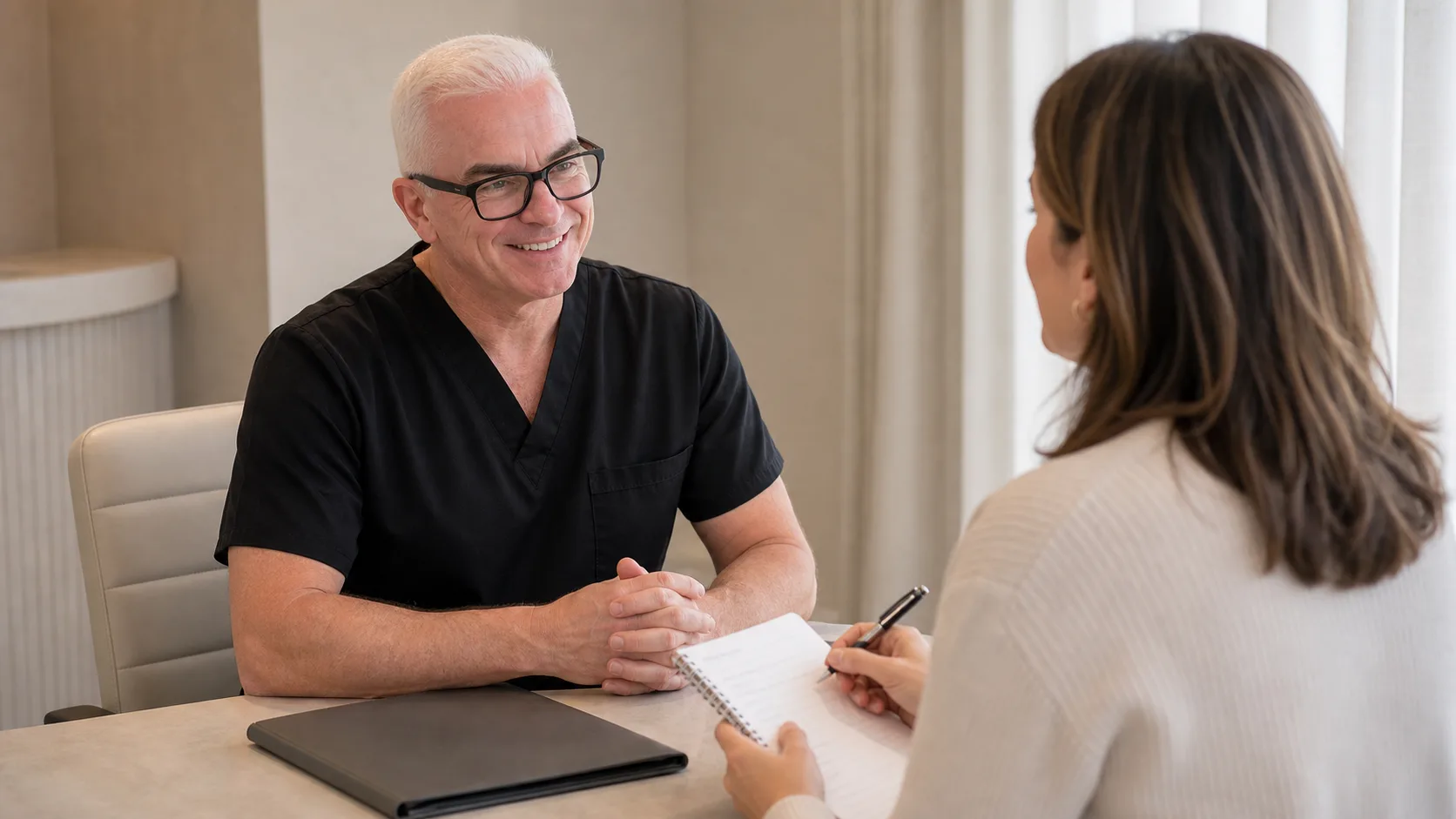
What Help Can Make Communication Safer?
Different kinds of support help with different parts of the consultation. A support person may help you feel calmer. Written questions may make it easier to remember what matters. Interpreting support may be more important when risk, alternatives, consent or aftercare details are hard to follow.
| Support option | What it can help with | What it may not solve on its own |
|---|---|---|
| Written questions or translated notes | Remembering concerns, history and priorities. | They may not be enough for risk, consent or aftercare nuance. |
| Support person | Note-taking, calm support and practical memory. | They should not replace your own voice or act as the sole interpreter for complex consent. |
| Translation app | Simple practical wording and written reminders. | Apps can miss clinical nuance, tone or important detail. |
| Interpreter support | Clearer discussion where language could affect consent, risk or aftercare understanding. | It may still be better to pause if the appointment feels rushed or incomplete. |
Can A Support Person, Interpreter Or Translation App Help?
Yes, but they help in different ways. A support person can help with questions, note taking and confidence. An interpreter can help where language could change the meaning of risk, alternatives, cost or aftercare. A translation app may help with simple practical wording, but it may not be enough on its own for informed consent.
Corey may still ask questions slowly, repeat key points, check your own understanding and offer to pause if communication does not feel clear enough.

What Should You Prepare Before The Appointment?
Bring your questions in writing, any translated notes that help, current medicines and supplements, allergies, previous treatment dates and any records you want reviewed. If a support person is coming, decide in advance what you are comfortable discussing in front of them.
Preparation should make the conversation easier to follow. It should not create pressure to proceed before you feel ready.
When Might Corey Slow The Consultation Down Or Pause It?
He may slow down, pause or suggest another appointment if the concern is still unclear, if risk or aftercare details are not being understood, if the support arrangement is not working, if the patient seems pressured or if private time is needed to confirm consent.
an agreed consultation plan is a valid outcome when communication needs more time.
What happens after Corey assesses the concern?
Sometimes, but only if the conversation remains clear enough for informed consent and if there is no clinical or ethical reason to wait. The appointment creates time for assessment, questions and a clear plan. It creates time to assess the concern, clarify support needs and decide whether discussion, timing, review needs or another clinically appropriate pathway is the safest path.
Which Pages Should You Read Next?
Read bringing a support person to your consultation if another person may attend with you. Read privacy, consent and comfort in cosmetic consultations for the broader privacy pathway. Read how informed consent works, patient safety before aesthetic decisions and why we sometimes say no if your bigger concern is consent, timing or whether more time or another pathway may be appropriate.
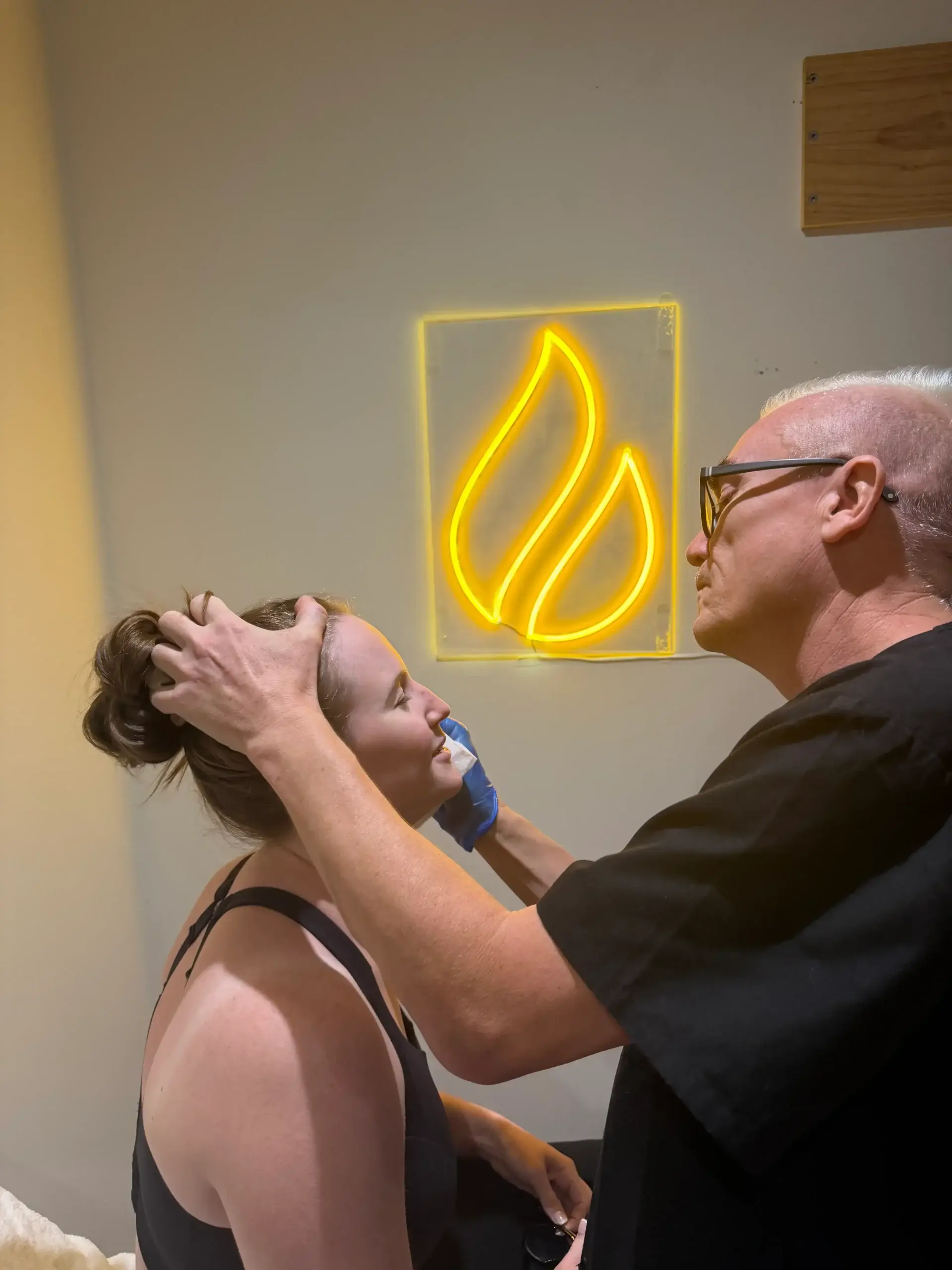
Clinic Details And Verification
Core Aesthetics is a sole practitioner clinic at 12A Atherton Road, Oakleigh VIC 3166. Consultations are led by Corey Anderson RN, Ahpra registration NMW0001047575. Patients can confirm practitioner and clinic details on the Verify Core Aesthetics page before booking.
This page was reviewed on 2026-09-01 to keep the language-support, consent and verification guidance current.
Book A Consultation With Language Support In Mind
Book a consultation if you want an individual discussion about the concern, language support, privacy, consent and whether treatment discussion is appropriate. The appointment creates space to ask questions clearly and decide whether timing, review needs or another clinically appropriate pathway is the better path.
General Information Only
This page provides general information for adults preparing for consultation. It is not personal medical advice, privacy advice, legal advice or confirmation that treatment is suitable. Individual advice requires clinical assessment.
Language And Consent Questions
Can I still book if English is not my first language?
Yes. Adults can still book a consultation, but understanding must be clear enough for discussion of risks, alternatives, costs, timing, aftercare and consent. If communication is not clear enough, the safer next step may be more support, a later review or an agreed consultation plan.
Should I bring an interpreter?
An interpreter can be useful when language could affect consent, risk, alternatives or aftercare understanding. A support person may help with note-taking, but support is not always the same as independent interpreting.
Can I bring a support person as well?
Yes, if that helps you feel calmer and clearer. Corey may still want private time with you so he can confirm that the concern, questions and consent are your own.
Can a translation app help during consultation?
A translation app may help with simple practical wording or written reminders, but it may not be enough for nuanced risk, consent or aftercare discussion. If there is doubt, the consultation can slow down or be rescheduled.
What should I prepare before the appointment?
Bring written questions, a list of medicines and supplements, previous treatment dates, allergy details, translated notes if helpful and any records you want Corey to review. Preparation should make the conversation clearer, not rushed.
What if I do not understand a risk or consent form?
Say so immediately. A risk, alternative, cost or aftercare instruction that is not understood is a reason to pause and clarify. Consent should be informed, voluntary and clear enough to support a real decision.
Could the consultation be used for questions only?
Yes. A consultation can be used to understand the concern, clarify language support, verify the clinic and decide whether more time or a different support arrangement is needed so any option discussion is grounded in the assessment.
Can suitable options be discussed when language, consent and timing are clear?
Sometimes, but only if assessment, communication, consent and timing are all clear enough. Booking starts the consultation, and waiting is often the safer option if understanding feels incomplete.
What if I feel rushed or embarrassed about asking for help?
Tell Corey if you can. Feeling rushed, confused or pressured is a consent issue, not a small inconvenience. A careful clinic should make it easier to slow the conversation down.
Is this page personal medical advice or legal advice?
No. This page is general information for adults preparing for consultation. It is not personal medical advice, legal advice or confirmation that treatment is suitable. Individual advice requires clinical assessment.
Is this for you?
Consider booking a consultation if
- Adults who want a consultation to feel clearer when English is not the first language
- Patients who may need written questions, an interpreter, private time or a support person
- People open to slowing down, review later or an agreed consultation plan if understanding is incomplete
This may not be for you if
- People expecting language support to replace informed consent
- People who want another person to make the decision for them
- People seeking legal advice from a cosmetic page
- People who are not adult patients
Suitability is confirmed at consultation. This list is general guidance, not a substitute for clinical assessment.
Clinical references
- People from culturally and linguistically diverse backgrounds
- How to find the right health professional
- Consent to the handling of personal information
- Guide to health privacy: introduction and key concepts
- Taking photos of patients
- Ahpra guidelines for registered health practitioners who perform non-surgical cosmetic procedures
- Ahpra guidelines for advertising higher risk non-surgical cosmetic procedures
- Ahpra public register of practitioners
- TGA advertising health services and cosmetic injections FAQ
- TGA advertising health services that involve therapeutic goods