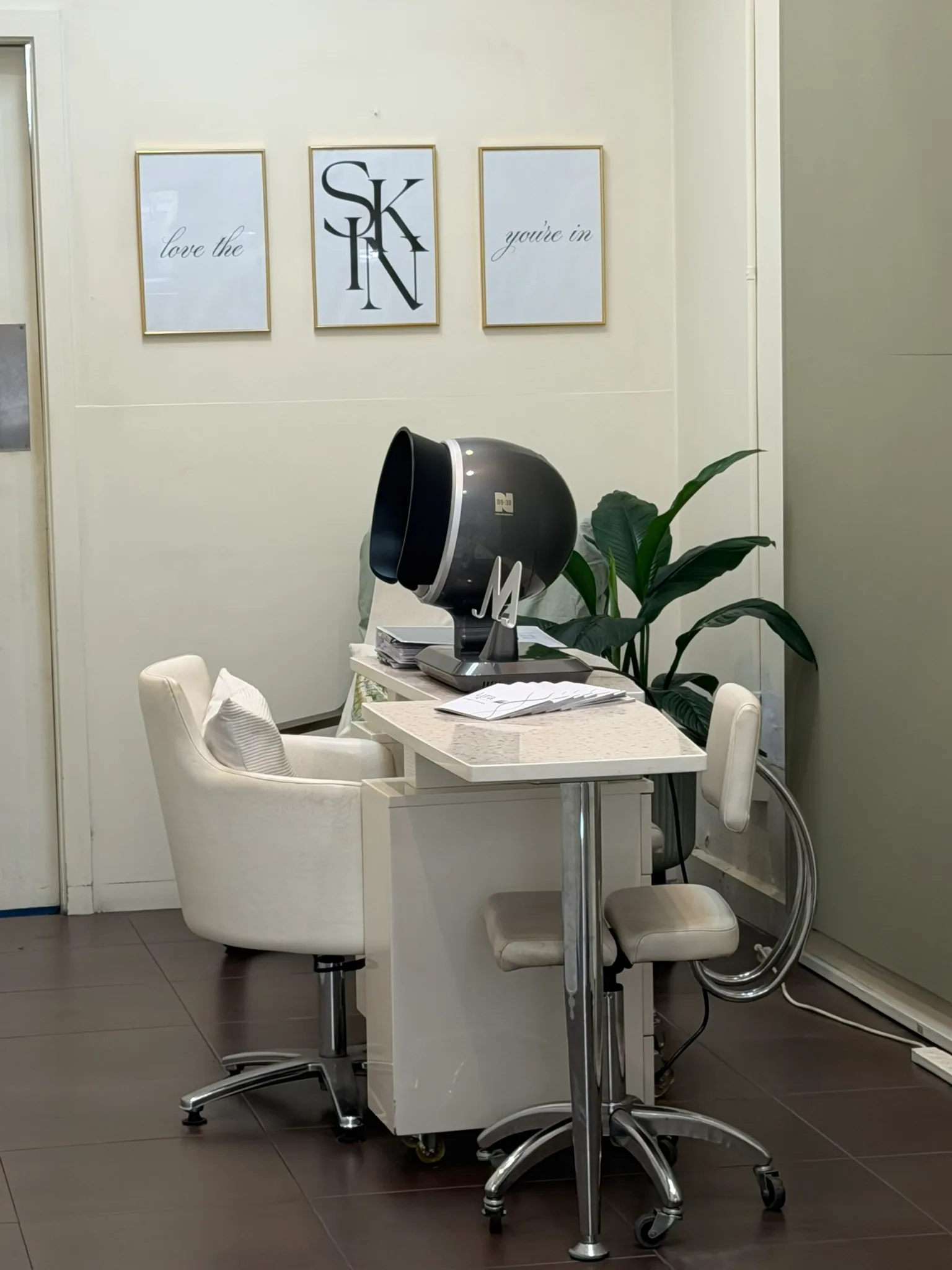
Aesthetic Consultation helps patients check who is responsible for assessment, consent, risk discussion and follow-up. At Core Aesthetics, Corey Anderson RN conducts consultation personally and patients can verify registration details before deciding. The goal is informed decision-making, not pressure to proceed.
Most clinic comparison guides written by clinics about themselves end up reading like marketing material with the names removed. This page is written from a different angle. It is a practical, regulator anchored framework that any informed patient can use to evaluate any aesthetic treatments clinic in Melbourne, including this one. Where Core Aesthetics is mentioned, it is mentioned in the context of describing the model rather than recommending it.
The framework below organises around six considerations: practitioner credentials, consultation structure, treatment approach, regulatory compliance, transparency about cost and risk, and continuity of care. Different patients will weight these differently. The aim is to make the considerations visible so the weighting is conscious.
Verify practitioner registration first
The starting point for evaluating any aesthetic treatments clinic is verifying that the person performing the treatment is registered with the Australian Health Practitioner Regulation Agency in the relevant profession. The AHPRA register is publicly searchable at ahpra.gov.au. Searching by name will return the practitioner registration status, profession, qualifications and any current conditions or undertakings on registration.
For nurses performing aesthetic treatment, registration with the Nursing and Midwifery Board of Australia is the relevant entry. For doctors, registration with the Medical Board of Australia. For nurse practitioners, registration that includes nurse practitioner endorsement. Verify the specific practitioner who will perform the treatment, not the clinic owner or the lead doctor whose name appears on the website.
Understand the prescriber relationship
Aesthetic treatments in Australia are prescription medicines. The person who prescribes them must be a registered medical practitioner or nurse practitioner with prescribing scope. AHPRA September 2025 guidelines explicitly require that the prescribing practitioner conducts an in person or video consultation with the patient each time a aesthetic treatment is prescribed; asynchronous prescribing by text, email or online without a consultation is not acceptable practice.
If the practitioner performing the treatment is a registered nurse who does not prescribe, ask how the prescribing relationship is structured. Is the prescriber on site? If video, is the consultation real time and individual to the patient? The structure should be clear and consistent with the September 2025 framework. Practices that cannot or will not explain their prescribing arrangement clearly are signalling something worth noting.
Examine how consultation is structured
The structure of the consultation is one of the most reliable indicators of the underlying clinical approach. A consultation that is genuinely clinical includes a medical history, exploration of motivations and expectations, anatomical assessment in repose and animation, standardised photography for the medical record, written planning, and the realistic time to discuss it. It is not a fifteen minute conversation immediately preceding treatment.
Pay attention to whether the consultation can occur as a stand alone appointment without commitment to treatment. The phrase consultation based is used loosely; the test is whether the practice will see a patient for a consultation alone, with treatment scheduled separately. If treatment must be booked at the same time as consultation, the model is treatment led with a brief consultation step rather than the reverse.
Look for explicit conservative dosing
Conservative dosing is the approach of starting with smaller doses than the maximum that would be considered correct for a region, with structured review at two to four weeks where dose can be adjusted upward if needed. The alternative is full dose first treatment with the assumption that the dose is correct on day one, and the absence of a built in review where adjustment can occur.
Conservative dosing is generally better for first time patients, for younger patients, for patients with strong expression dynamics that need to be preserved, and for patients who would consider over correction the worst outcome. Full first dose treatment is appropriate in some experienced patients with a long established response profile, but should not be the default for everyone. Ask the practice what their dosing philosophy is and how it is applied at first treatment.
Understand what the practice will and will not advertise
Australian regulation explicitly prohibits advertising of Schedule 4 prescription medicines to the public. That includes brand names, abbreviated brand names, hashtags, nicknames, and product trade names of the aesthetic treatment products used in treatment. The TGA has been increasingly active in enforcement of this provision, and clinics that name brands or compare products in their advertising are openly non compliant.
This is one of the most useful filters when comparing clinics. A practice that names brands, uses brand suffixed hashtags, or compares products in its public facing content has decided that the regulatory boundary does not apply to them. The clinic that operates within the boundary will discuss the class of treatment, the mechanism, the dose ranges and the response profile in clinical terms without naming products. The latter is consistent with how regulated healthcare services are supposed to be communicated to the public.
Patient endorsements and before and after imagery
Section 133 of the Health Practitioner Regulation National Law restricts the use of patient endorsements about regulated health services. AHPRA September 2025 guidelines and the TGA Advertising Code add further restrictions on the use of before and after imagery for cosmetic procedures involving prescription medicines. The combined effect is that public facing patient endorsements about aesthetic treatments and identifiable before and after galleries of patients sit in tension with the regulatory framework.
Some clinics use endorsements and galleries despite the framework. Others do not. The presence or absence is not a single variable indicator of clinical quality, but it is information about how the clinic interprets the regulatory boundary and how it weights patient privacy in cosmetic medicine.
Pricing structure and inducement style offers
AHPRA guidelines explicitly caution against inducement style pricing for cosmetic procedures: time limited offers, multi session bundles, loyalty programmes that reward higher treatment volumes, and promotional pricing campaigns. The clinical concern is that these structures encourage patients to make treatment decisions on the basis of price urgency rather than clinical indication.
Look for clarity in pricing without urgency framing. Each treatment priced on the actual product and time involved. No surge pricing. No introductory pricing for new patients that incentivises starting before assessment is complete. No package deals that lock in future treatments before the patient response to the first one is known. The presence of these features is not necessarily disqualifying but should be questioned.
How risk is discussed at consultation
Aesthetic treatments carry a small but real set of clinical risks. For neuromodulator treatment, these include over correction, asymmetry, eyelid or brow ptosis, headache, and rare allergic or systemic reactions. For facial volume treatment, they include bruising, swelling, asymmetry, lumps, vascular events including the rare but serious risk of vascular occlusion or compromise, and rare allergic reactions. The clinic that discusses risk explicitly at consent (with the protocol for managing complications named clearly) is providing the information the patient needs to make a decision. The clinic that minimises risk language to facilitate the sale is not.
Specific things to listen for: is hyaluronidase available on site for volume treatment emergencies? Is the practitioner trained in managing vascular events? What is the protocol if the patient develops concerning symptoms after the appointment? Is there a direct contact for the practitioner outside the appointment? These are the questions that distinguish a clinical practice from a service business.
Continuity of clinician
Continuity of clinician is the question of whether the patient sees the same practitioner at every visit. Clinics with rotating panels of injectors offer convenience and availability but cannot offer the year by year accumulation of clinical familiarity that characterises a one practitioner relationship. one practitioner clinics offer continuity but generally cannot match the availability of larger practices.
For short duration treatment with no expectation of repeat visits, continuity matters less. For ongoing injectable treatment across years, continuity matters substantially. The patient anatomy, expression dynamics, response patterns and preferences are most reliably tracked by a single clinician over time. The practice model that fits the patient depends on which timeline the patient is planning around.
What AHPRA September 2025 changed for the patient
The AHPRA guidelines for nonsurgical cosmetic procedures that came into force on 2 September 2025 introduced specific protections that should now be visible in any compliant practice. Practitioner experience requirements (registered nurses must have at least one year of full time general nursing experience before performing cosmetic procedures, plus specialised training). In person or video consultation each time a aesthetic treatment is prescribed. Mandatory exploration of patient motivations as part of suitability assessment. Mandatory seven day cooling off period for any patient under 18, with payment not accepted before that period elapses. Continuing professional development specific to cosmetic procedures.
If a practice is not articulating these protections in its practice information or in conversation with the patient, it does not necessarily mean the practice is non compliant, but it is reasonable for the patient to ask.
Red flags worth taking seriously
Several practice patterns indicate clinical or regulatory risk. Pressure to make a treatment decision in the same appointment as consultation. Price inducement style or time limited pricing that frames urgency. Refusal or inability to verify practitioner registration. Brand named product comparisons in public advertising. Public facing patient endorsements about aesthetic treatments. Same day treatment without prior consultation in any practice. Asynchronous prescribing arrangements (text, email or online without real time consultation). Inability to articulate the prescriber relationship, the complications protocol, or the practitioner training in vascular event management.
None of these are conclusive on their own. The presence of more than one is a pattern.
What looks like a green flag but is not necessarily
Some indicators that look reassuring at first glance are not necessarily what they appear. Premium pricing does not necessarily indicate premium clinical care; it sometimes indicates premium retail positioning. A glossy, image heavy clinic website does not necessarily indicate clinical depth; it may indicate marketing budget. Long lists of treatments offered does not necessarily indicate clinical breadth; it sometimes indicates a service business model where the staff providing each treatment are not the clinical decision makers. Celebrity association or social media following does not necessarily indicate clinical quality.
This is not cynicism. It is a reminder that clinical quality is mostly invisible from the marketing surface, and the framework above is more reliable for identifying it than the visual cues a patient first encounters.
Questions worth asking at consultation
A short list of questions that a clinic operating to the standard the patient should expect can answer easily. Who is my prescriber? How is the prescribing consultation structured under the September 2025 AHPRA guidelines? What is the dose you would start me on, and what is the rationale for that dose? When is my review and what does adjustment look like? What are the specific risks of this treatment in my anatomy and what is the protocol if a complication occurs? Is hyaluronidase available on site if volume treatment is involved? Will I see you (or the same clinician) at every visit? What is your written cancellation and aftercare policy?
The clinic that answers each of these clearly and without hesitation is operating to the standard the patient should expect. The clinic that cannot or will not is signalling.
How this clinic measures against the framework
For transparency about the practice writing this guide: Core Aesthetics is run by Corey Anderson, Registered Nurse (AHPRA NMW0001047575, registered with the Nursing and Midwifery Board of Australia since January 1996). The model is one practitioner and consultation based. Conservative dosing is the default for first time and preventative patients with a structured two week review. The practice operates within the September 2025 AHPRA framework, does not name brands publicly, does not use patient endorsements or before and after gallery imagery, does not use inducement style pricing, and provides a written treatment plan and direct practitioner contact for post treatment concerns.
This is not a recommendation. It is an example of how the framework above translates into a specific clinic description, written in the same plain language used to describe any clinic the patient might be evaluating.
A note on geographic preference
Geography is a legitimate consideration. A clinic that is convenient to attend is one the patient is more likely to actually attend across the years that injectable treatment plays out. For patients in the south east, inner east or bayside Melbourne corridor, the practical choice often comes down to a small number of clinics within reasonable travel of home or workplace. Within that set, the framework above is the right way to differentiate.
For patients located further away who are willing to travel, the question becomes whether the model on offer in their immediate area meets the standard, or whether the additional travel for a different model is worth it.
Closing
Choosing a cosmetic clinic well is largely a question of paying attention to the structural features of how a practice operates. Most of the relevant information is available before the consultation, in how the practice presents itself and what it does and does not say. The consultation itself is the place where the remaining information becomes available. A patient who arrives at consultation with the framework above in mind will know within thirty minutes whether the model on offer matches what they are looking for. Results vary between practitioners and clinics, and the best clinic for one patient is not always the best clinic for another.
Why The Patient\u2019s Own Reading Of The Consultation Carries Weight
Patients sometimes worry that they lack the clinical expertise to evaluate a aesthetic treatment practitioner. The reassurance is that the most important indicators do not require clinical expertise. The texture of the conversation, the practitioner\u2019s response to questions, the time given to the assessment, and the absence of pressure at the point where the patient considers what was said are all observable directly. The patient\u2019s intuitive read is generally accurate. Where the consultation feels grounded, specific, and unhurried, that is meaningful information about how the practice operates. Where it feels rushed, generic, or commercially driven, that is meaningful information of a different kind. The decision to proceed or to seek another opinion does not require any further analysis than that intuitive read combined with the structural verification steps already discussed.
Is this for you?
Consider booking a consultation if
- You want to understand aesthetic consultation before deciding whether treatment is appropriate
- You are 18 or older and want an individual clinical assessment
- You value a consultation-first approach with risk and suitability discussed before planning
- You are open to waiting or not proceeding if that is the safer recommendation
This may not be for you if
- You are seeking a not guaranteed outcome or a same-day decision without assessment
- You are under 18 years of age
- You are pregnant, trying to conceive or breastfeeding and are seeking elective aesthetic treatment
- You have an active infection, unhealed skin or an unresolved medical concern in the area to be assessed
Suitability is confirmed at consultation. This list is general guidance, not a substitute for clinical assessment.
Frequently asked questions
What is Core Aesthetics and where is it located?
Core Aesthetics — featured on How to Choose Cosmetic Clinic Melbourne — is a consultation-first aesthetic clinic operated by Corey Anderson, AHPRA registered nurse (NMW0001047575), at 12A Atherton Road, Oakleigh VIC 3166. The clinic offers individually assessed wrinkle treatment, facial volume treatment and hyperhidrosis treatment for patients from across south east Melbourne. All treatments use TGA-regulated prescription medicines assessed at individual consultation.
Does Core Aesthetics require a consultation before treatment?
Yes. As explained on How to Choose Cosmetic Clinic Melbourne, Core Aesthetics operates a consultation-first model. No treatment is administered without a prior individual clinical assessment. The consultation with Corey Anderson RN covers medical history, suitability, realistic outcomes, risk and timing before any treatment plan is discussed. Patients are welcome to book a consultation-only appointment with no obligation to proceed.
Who is Corey Anderson at Core Aesthetics?
Corey Anderson is the sole practitioner at Core Aesthetics and the clinical author of How to Choose Cosmetic Clinic Melbourne. He is an AHPRA registered nurse (NMW0001047575) with continuous nursing registration since January 1996. Every consultation and treatment at Core Aesthetics is conducted personally by Corey. His registration is publicly verifiable at ahpra.gov.au using registration number NMW0001047575.
What treatments does Core Aesthetics offer?
As covered in How to Choose Cosmetic Clinic Melbourne, Core Aesthetics offers wrinkle treatment for expression lines, volume treatment across multiple facial areas, and hyperhidrosis treatment for excessive sweating. All treatments involve TGA-regulated prescription medicines and are individually assessed at consultation before any recommendation is made. The clinic operates a no-packages, consultation-first model.
How do I book a consultation at Core Aesthetics?
Consultations at Core Aesthetics — further detailed on How to Choose Cosmetic Clinic Melbourne — are bookable at coreaesthetics.com.au or by calling 0491 706 705. The clinic is at 12A Atherton Road, Oakleigh VIC 3166, accessible by car and public transport. Oakleigh Station is a short walk, served by the Pakenham, Cranbourne and Glen Waverley train lines. Appointments are available Tuesday to Saturday.
Is Core Aesthetics compliant with TGA and AHPRA guidelines?
Yes. The clinical information on How to Choose Cosmetic Clinic Melbourne and all practice activities at Core Aesthetics comply with TGA regulations for prescription medicine advertising and administration, and with AHPRA guidelines for registered health practitioners performing nonsurgical cosmetic procedures. All treatments are prescription medicines assessed individually before administration. AHPRA registration NMW0001047575 is publicly verifiable at ahpra.gov.au.
How does the consultation-first model at Core Aesthetics work?
How to Choose Cosmetic Clinic Melbourne is part of Core Aesthetics’ commitment to informed, evidence-based patient education. The consultation-first model means no treatment is offered, discussed or recommended until Corey Anderson RN has conducted an individual assessment covering medical history, anatomy, suitability, expected outcomes and risks. The consultation may lead to a plan, a recommendation to wait, or a recommendation that treatment is not appropriate for that individual.
Can I learn more before booking at Core Aesthetics?
Yes. How to Choose Cosmetic Clinic Melbourne is one of many educational resources on the Core Aesthetics website at coreaesthetics.com.au, covering treatment areas, the consultation process and the clinic’s individual assessment approach. All content is written and reviewed by Corey Anderson RN. Reading this content before booking can help you prepare more focused questions for the consultation appointment.