
CORE AESTHETICS · OAKLEIGH VIC
Nasolabial folds: what can help?
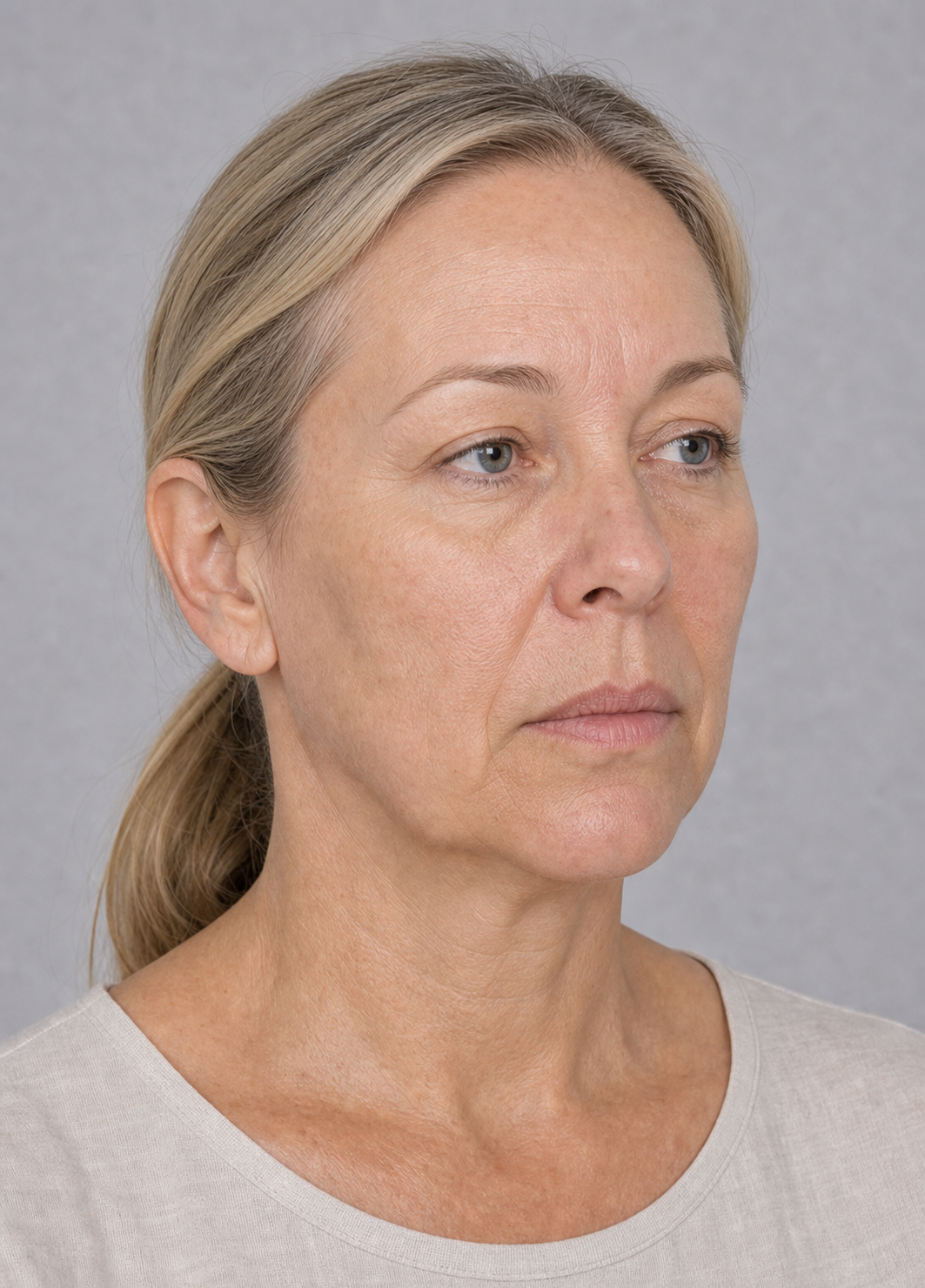
Nasolabial folds are the lines from the sides of your nose to the corners of your mouth, often called smile lines. If they have become deeper or one side stands out more, some folds can be softened. Corey Anderson RN helps you understand what could make a difference, what would remain and whether treatment is worth considering for you.
COMMON QUESTIONS ABOUT NASOLABIAL FOLDS
Can nasolabial folds be softened without surgery?
Yes, some folds can be made less noticeable without surgery. The realistic aim is usually a softer crease or a less pronounced shadow beside the mouth. A completely smooth area is not a realistic goal for every face, especially while smiling.
The useful distinction is between a line in the skin and a deeper fold where the cheek meets the mouth. Skin care can improve dryness and fine lines; it will not lift the cheek. Cosmetic treatment may alter a deeper contour, but it does not remove excess skin. If a substantial lift is what you want, a surgical opinion may be more useful.
Do my cheeks need treatment, or can the fold itself be addressed?
Your cheeks do not automatically need treatment because you have a visible fold. The surgical anatomy of the nasolabial fold shows why the area has more than one layer. A crease beside the nostril, a fold running towards the mouth and a hollow cheek are different concerns. Treatment of the fold itself may be considered when that is where the concern sits.
Changes in the cheeks can contribute, but treating them does not reliably pull a fold up or make it disappear. Corey explains why he recommends another area and what difference it could make to the fold before you agree to it. If you like your cheeks as they are, say so.
Can creams or skin treatments get rid of a deep fold?
A cream will not remove a deep fold. DermNet facial-lines guidance. Moisturiser can make dry, fine lines look less noticeable, and sun protection helps limit further sun damage. Neither replaces deeper facial fullness or lifts loose skin.
Skin resurfacing, such as certain peels or lasers, targets skin texture and surface wrinkles. That is a different job from changing a deep nose-to-mouth fold. If skin resurfacing is the better fit, Corey can suggest assessment by a dermatologist or another appropriate practitioner.
Are massage, face yoga or home devices worth trying?
These approaches are not a reliable way to remove a deep fold. A 2025 research review of facial exercises and massage found that the evidence is still too limited to establish their effectiveness confidently. It does not support promising lasting improvement in a deep nasolabial fold.
Home devices also differ: evidence for one device or a change in skin texture does not prove that another will lift a fold. Look for research on the actual device and the change it claims to make. If you have had recent cosmetic treatment, check your aftercare instructions before massaging the area or using a device over it.
Why is one fold deeper, even though I have had it for years?
Natural facial shape and the way each side moves can make one fold more noticeable, including from a young age. Nasolabial folds are a normal feature, not something that only appears with ageing.
Over time, changes in cheek fullness, skin firmness and weight can deepen them. Lighting may also make one side cast a stronger shadow. Older, unfiltered photographs help Corey tell the difference between your usual facial shape and a newer change. Longstanding unevenness does not mean both sides need identical treatment.
Will I look puffy or lose my usual smile?
Unwanted fullness, unevenness or a change in expression can happen, depending on the procedure. Chasing a completely flat fold can mean accepting changes elsewhere that you did not want.
Keeping your usual cheek shape and smile can be part of the plan. Corey looks at your face relaxed and smiling, explains how much improvement is realistic and discusses what would be a reason to stop. The plan aims for a subtle change, but individual results vary. Leaving some fold visible may be the more sensible choice.
YOUR APPOINTMENT
What happens at the appointment?
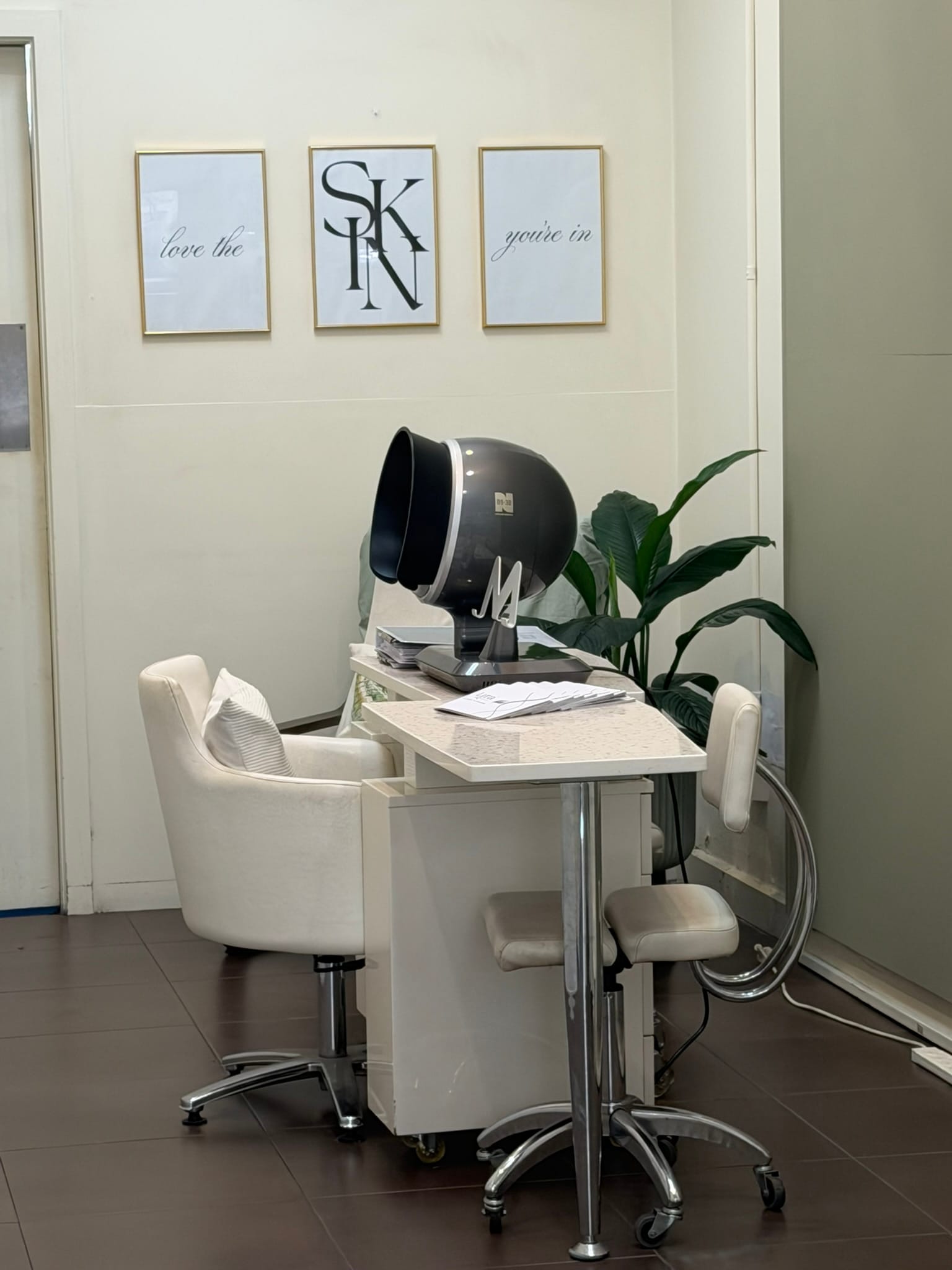
Corey welcomes you into the Oakleigh clinic, then you sit down together to discuss what you notice and what you would like to change. He looks at the folds beside your nose and mouth, checks your cheeks and watches what happens when you smile. Bring details of medicines, allergies and previous cosmetic care, and mention recent dental work or weight changes.
You receive a proposed plan with the likely benefits, limits, risks, recovery and itemised costs explained in plain English. Sometimes, before-and-after photography is shown during the consultation to help explain previous real-world results. Another person’s result does not predict yours.
The initial consultation is at no charge and generally takes 30 minutes. Treatment can usually be arranged at the end if suitable, the required clinical arrangements are complete, you give informed consent and costs are agreed. Taking the information away is equally welcome, with no sales pressure. If treatment proceeds, you receive aftercare instructions and a review is usually arranged for two weeks later.
Does treatment hurt?
Some discomfort is possible. How it feels and the available pain relief depend on the procedure. Corey explains both before you decide, including any tenderness to expect afterwards.
If needles or pain worry you, mention it when booking or at the start of the appointment. Time for questions, breaks and a slower pace can be built into the discussion. The appointment can stay information only, with time to decide later.
Will I need time off work, and when will it settle?
The consultation itself needs no recovery time. After a procedure, swelling, bruising or tenderness may be visible, so do not rely on looking unchanged for work or an event the next day. The settling time needs to be explained for the specific treatment you choose.
Book the consultation around 2 to 3 weeks before an important event as a starting point, and mention travel. Some options need longer. The usual two-week review checks how you are progressing; it is not a promise of a final result or an automatic appointment for more treatment.
What if I have already had treatment and the fold is still there?
More treatment is not automatically the answer. A remaining fold may reflect normal anatomy, the limits of the original approach or a result that still needs time to settle. Puffiness, a lump or new unevenness needs its own review.
Bring the treatment date and details of what was used, if available. Corey can assess what is visible and explain whether to wait, obtain more information or seek another clinical opinion. A correction may be possible in some cases, but a complete reversal cannot be promised.
How long will it last, and will I have to keep having treatment?
Further treatment is optional. There is no single lifespan for every nasolabial fold procedure, so an advertised number of months is not a reliable guide until you know which option is being considered.
Before proceeding, Corey explains how long its effect may last, what future care could involve and the likely costs. Each further treatment requires a fresh decision. If you stop, your face continues to age naturally; it cannot be promised to return to exactly how it looked before.
How much does it cost, and is it worth it for me?
The initial consultation is at no charge. Treatment costs are itemised and agreed before anything proceeds, including any relevant follow-up costs. A deeper fold does not automatically mean a larger or more expensive treatment plan.
The worthwhile question is how much visible change is realistic for that cost. Corey explains what is likely to remain, so you can weigh the expected improvement against the expense, recovery and risks. If the likely change is too small for what you want to spend, choosing no treatment is reasonable.
CORE AESTHETICS · OAKLEIGH
Book a nasolabial fold consultation
Meet Corey to discuss the folds you have noticed and what you would like to change. Your initial consultation is at no charge, with no obligation to proceed.
Book a consultation