
CHEEK VOLUME CONSULTATION · OAKLEIGH, MELBOURNE
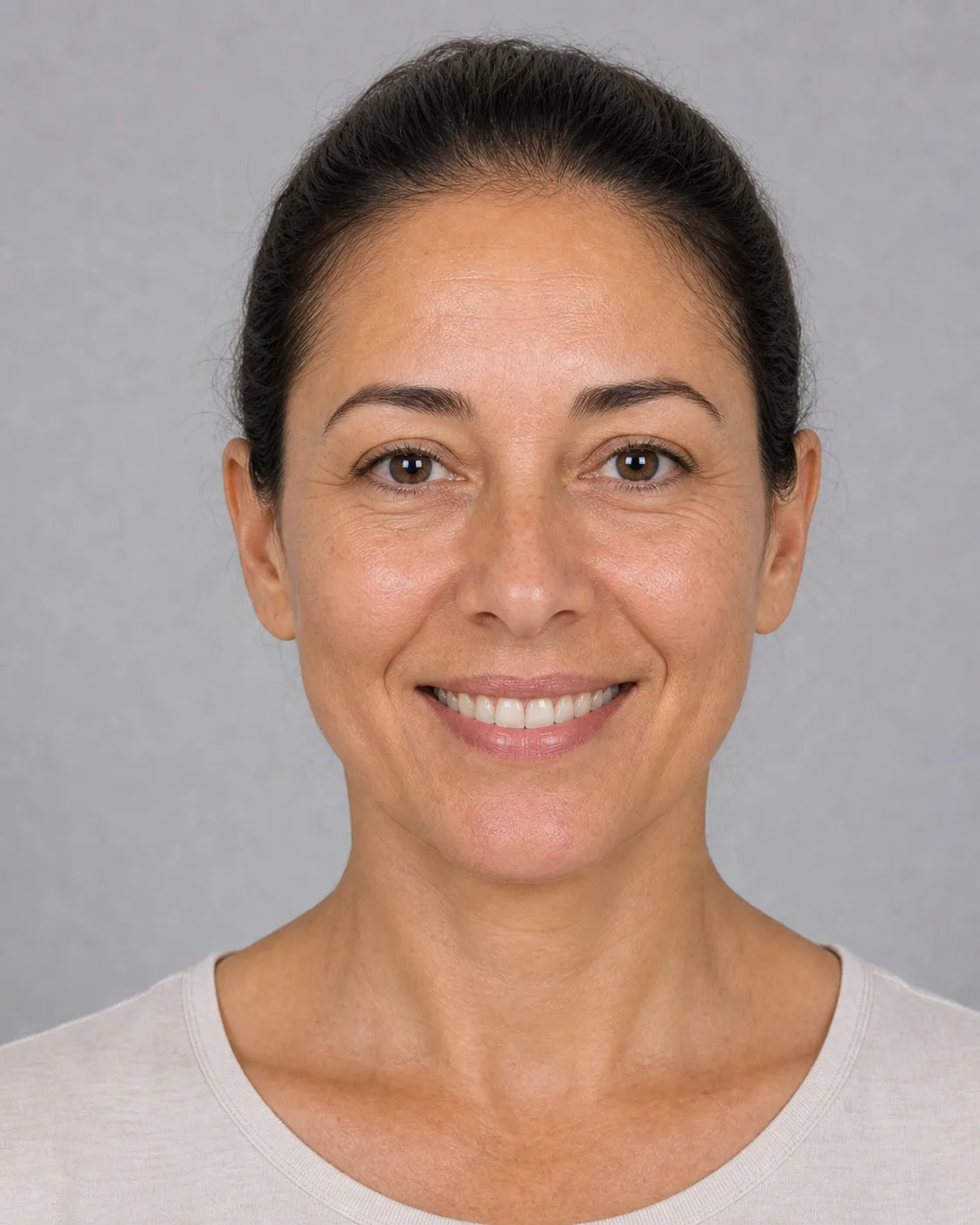
Flatter, hollow or uneven cheeks.
Flatter, hollow or uneven cheeks can reflect natural bone shape, changes in facial fat or weight, while shadows or puffiness can create a similar appearance. A consultation separates these patterns and checks how the cheeks relate to the under-eye area, folds and previous care before any cosmetic option is discussed.
Initial consultation at no charge. Generally 30 minutes. No pressure to proceed.
CHEEK VOLUME QUESTIONS
What does cheek volume actually mean?
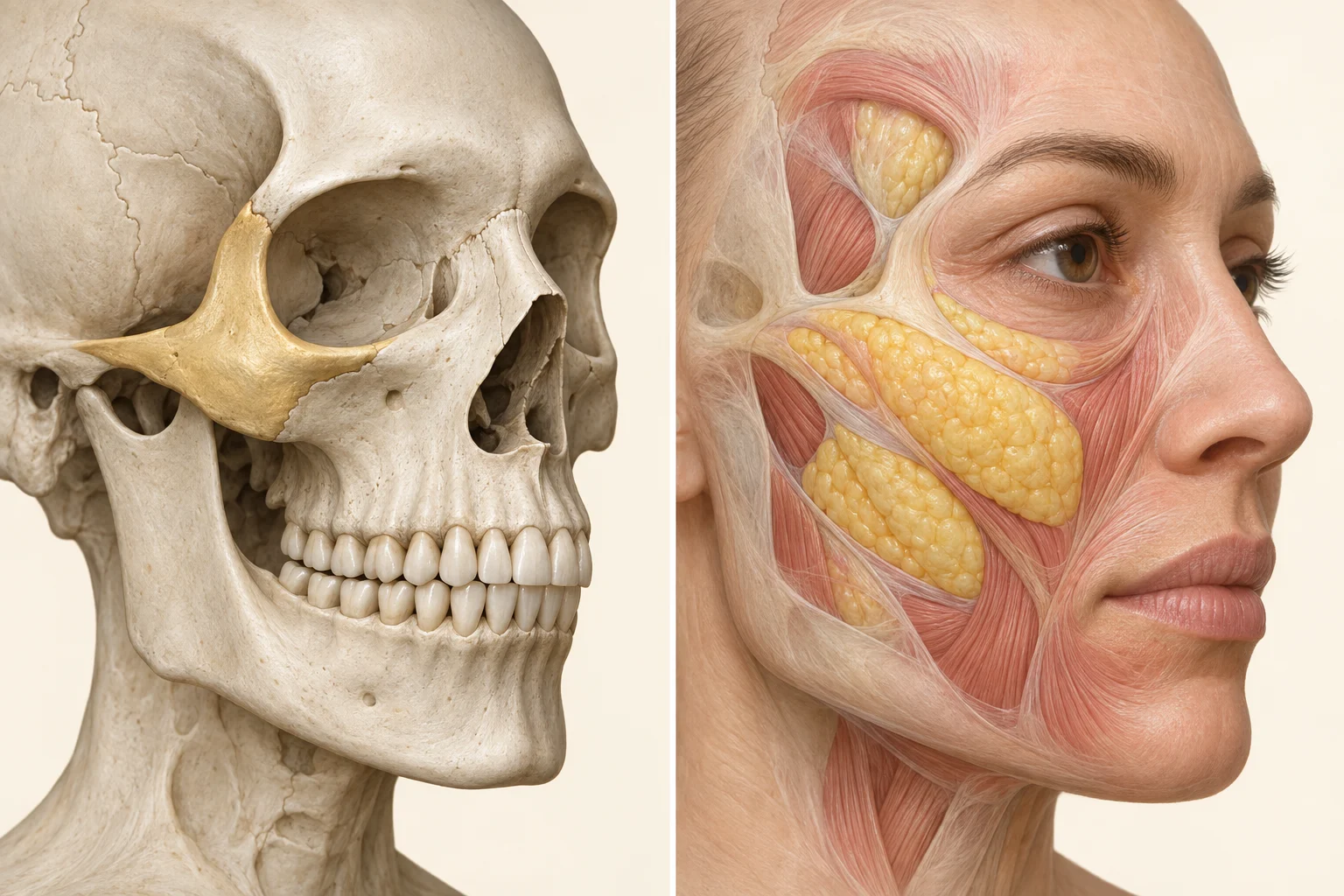
Cheek volume is the visible fullness and contour of the midface, not one structure or a diagnosis. Bone shape provides an underlying framework, while fat compartments, muscle, skin, fluid and the shadows cast by nearby areas all affect what you see. That is why two cheeks that both look flat in a photograph may need different explanations, and neither automatically needs treatment.
Why do my cheeks look flatter or more hollow?
A flatter or hollow-looking cheek may mean the cheekbone naturally sits less far forward, facial fat has reduced or shifted over time, or weight change has altered facial fullness. Skin and nearby shadows can make a hollow look deeper, while puffiness can blur one area and make the area beside it look more hollow. Comparing ordinary photographs over time and examining the face in person helps separate a long-standing feature from a genuine change.
Is a flat cheekbone the same as a hollow cheek?
No. A flat cheekbone means the bone sits less far forward in profile, while a hollow cheek describes less visible soft-tissue fullness or a deeper shadow over or below the bone. The two can occur together, but one does not prove the other. Old photographs, front and profile views and the timing of the change help separate natural bone shape from a later change in fullness.
ANATOMY ORIENTATION
Can swelling or puffiness be mistaken for cheek volume?
Yes. Swelling can make a cheek look fuller while reducing definition, and it may fluctuate rather than behave like stable facial structure. Recent dental work, tooth pain, illness, allergy, skin inflammation and previous cosmetic care are relevant to mention.
Is an under-eye hollow or bag really a cheek-volume problem?
Sometimes the cheek contributes, but an under-eye hollow, dark circle and bag are not the same concern. The eyelid-to-cheek transition may be influenced by cheek support, while skin quality, pigmentation, visible vessels, eyelid anatomy and fluid can create a similar tired-looking shadow. Corey assesses the lower eyelid and cheek together, then explains when the eye area needs caution, another practitioner or its own assessment.
Can changing cheek volume lift nasolabial folds or the lower face?
Not reliably. Cheek change and deeper folds can occur together, but changing cheek contour cannot be assumed to pull up or erase a nasolabial fold, a line beside the mouth or a jowl. Those areas are also shaped by movement, skin, local anatomy and tissue position. The consultation can show whether the concerns are connected, but a promise to fix the lower face through the cheek alone would overstate what can be predicted.
How much cheek volume do I need?
There is no standard amount, and some people will not need volume-focused care at all. Corey first checks whether the concern is projection, width, a hollow, skin, swelling or a nearby shadow. If an option is suitable, its purpose and stopping point need to be clear before any amount can be discussed. A public page or single photograph cannot make that decision.
Will changing cheek contour make my face look wider?
It may, because sideways width and forward projection are different dimensions of cheek contour. Corey compares front, angled and profile views to identify which dimension concerns you and what should be preserved. If a suitable option could add visible width or create a fuller look than you want, that limit needs to be discussed before you decide. An exact final shape cannot be promised.
What if my cheeks changed after weight loss or weight gain?
Weight change can alter facial fullness, but its effect and timing vary between people. Tell Corey how much changed, over what period and whether your weight is still changing. When the face has not reached a stable pattern, waiting and reviewing later may give a more reliable basis for any decision. A consultation cannot predict where future weight change will show in your face.
What if I have had previous cheek or under-eye care?
Previous care can change what is visible, what can be assessed and whether more time or information is needed. Bring dates, areas, clinic details and records if you have them, and explain what changed and when. Unknown products or amounts should remain recorded as unknown rather than guessed. Advice may be to wait, obtain records, arrange review or seek another clinical opinion before considering anything new.
Why does one cheek look fuller or sit higher than the other?
A small difference between cheeks can be ordinary variation, including differences in expression or soft tissue. Facial lines can also look different because people move one side more.
YOUR APPOINTMENT
What happens at a cheek volume consultation?
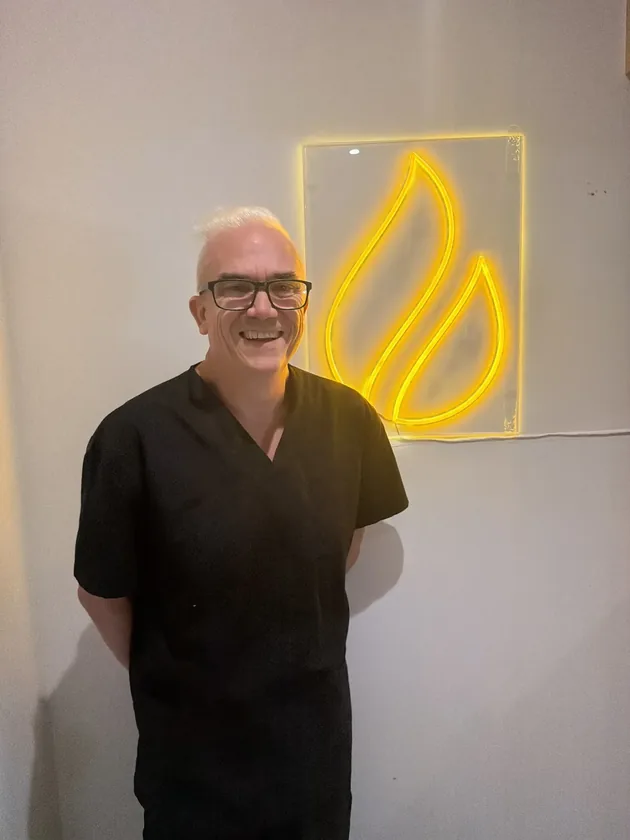
Allow around 30 minutes with Corey Anderson RN at 12A Atherton Road, Oakleigh. Your initial consultation is at no charge. Corey asks about your health, weight changes and previous care, then checks your cheeks from the front, side and angled views, at rest and when you smile. He explains suitable options, realistic limits, recovery, risks including potentially serious complications, and itemised costs.
Treatment can usually be arranged at the end of your consultation if it is suitable for you, required clinical arrangements are complete, you have given informed consent and costs are agreed. If another day is needed, Corey explains why and what happens next. You can leave with information only, with no pressure to proceed.
What should I bring or mention?
Bring your medicine and supplement list, relevant health history and any details of previous facial, cosmetic or dental care. Mention allergies, pregnancy or breastfeeding where relevant, recent dental work, weight change, skin problems, swelling, pain and important dates. Ordinary unfiltered photographs from different times can help show whether a feature is long-standing or changing, but they are not required. Do not stop prescribed medicines unless your treating clinician advises it.
When should I book around dental work, travel or an event?
For an event, book your consultation around 2 to 3 weeks beforehand as a starting point. Mention any travel, recent or planned dental work, illness and whether you can return for review. Treatment, recovery or further assessment may need longer, so this is not a promise that you will be ready for the event. If you cannot find an appointment within that timeframe, call or message the clinic. Dental infection or unexplained swelling needs assessment before cosmetic care.
Is this appointment suitable for you?
A cheek that looks flat, hollow, full or uneven does not mean treatment is needed. Advice may include observation, weight stability, more time, obtaining previous records, medical or dental assessment, another clinical pathway, or leaving normal anatomy as it is.
Risks depend on any care being considered and your health history. Before deciding, ask about expected short-term effects, risks including potentially serious complications, unwanted changes in contour or symmetry, aftercare, urgent warning symptoms, how complications would be managed and access to review. No result or complication-free course can be promised.
CORE AESTHETICS · OAKLEIGH
Book a cheek volume
consultation.
Book a cheek consultationHave a booking question? Message us on WhatsApp Find us in Oakleigh.
Core Aesthetics12A Atherton Road
Oakleigh VIC 3166Get directions
No pressure. No obligation.
You can use the whole appointment for information and leave without treatment.