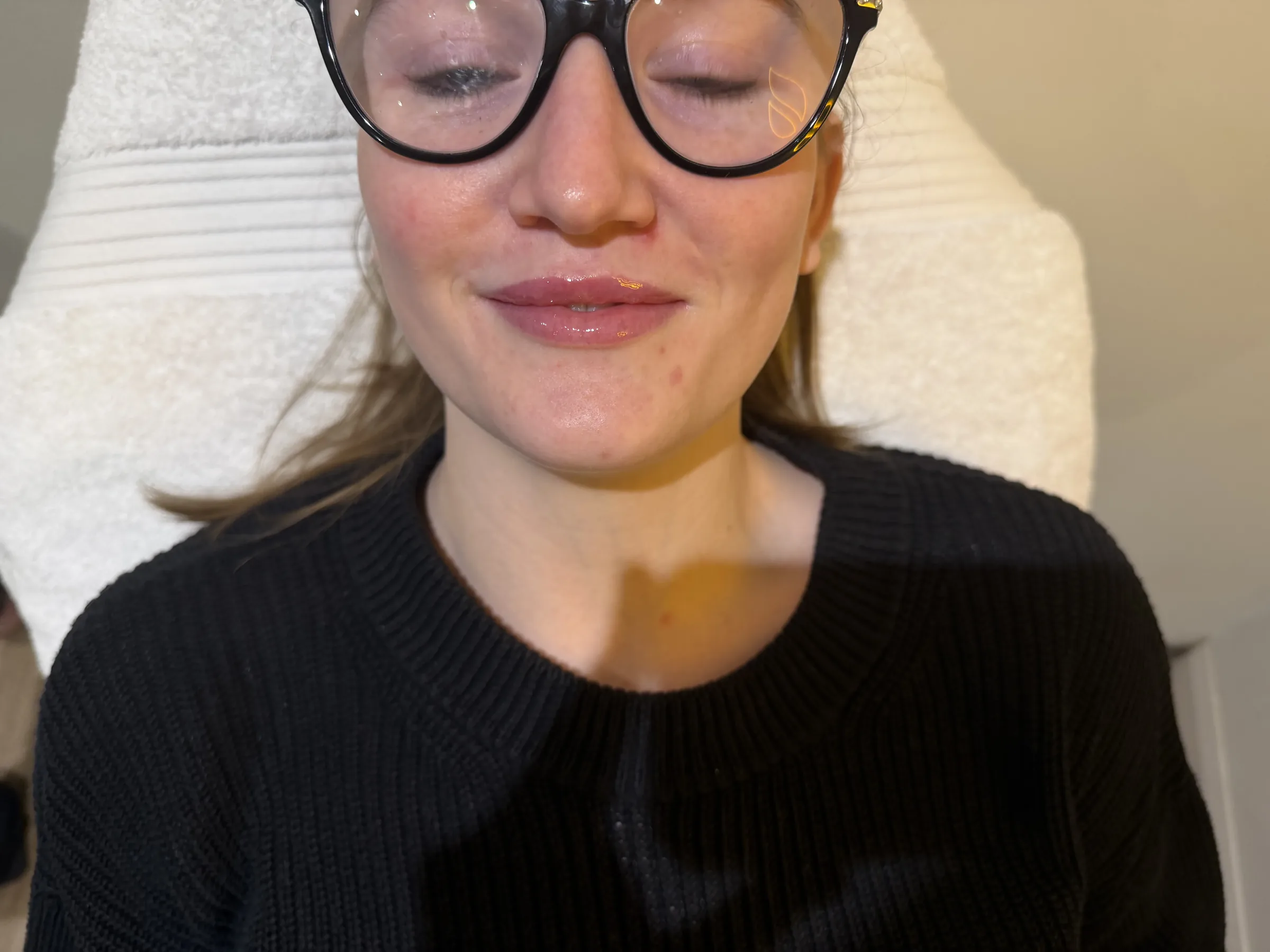
Facial rejuvenation does not begin with a treatment list. It begins by working out whether the change you notice relates mainly to skin quality, facial movement, structural support or a combination. Corey Anderson RN assesses those contributors with you, then explains whether a focused discussion, a staged plan, waiting, referral or no treatment is the most sensible next step.
Start with the change that catches your attention
Perhaps your skin no longer reflects light in the same way, a line appears more often in expression, or a shadow changes how rested you look. Those are useful observations. They are not a diagnosis and they do not commit you to a treatment.
Bring the change in your own words. Corey Anderson, Registered Nurse, will ask when you notice it, look at the face at rest and in natural movement, and consider the wider context before discussing whether anything needs to happen next.
Which starting point sounds closest to you?
Texture, tone or surface change leads
Begin with the skin itself when dryness, pigmentation, redness or texture is the main thing you notice. The skin quality consultation gives that question more space.
Expression changes what you see
Notice whether the concern appears mainly with a frown, smile or raised brows, and whether it remains when your face settles. That pattern helps frame a movement focused discussion.
Shadows or proportions feel different
Cheeks, temples and the lower face can influence one another. A support question is considered across the face, without assuming the area you first notice should be addressed.
One concern can have several contributors
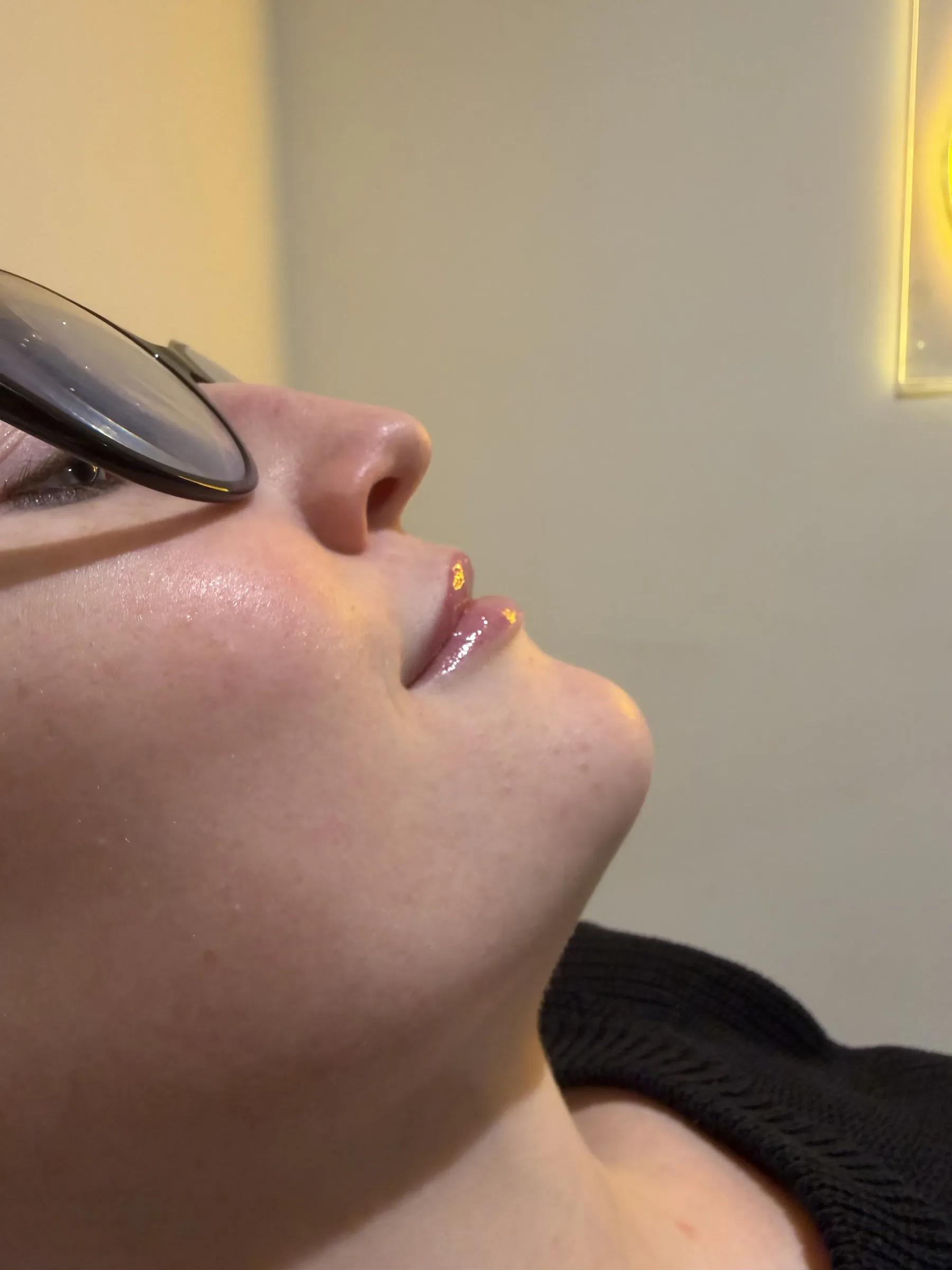
A tired or heavier appearance is not a treatment category. Skin quality, expression, natural asymmetry, facial support, health, sleep and previous care can all change what you notice. The useful task is to separate those possibilities rather than guess from one photograph or mirror angle.
Facial ageing can involve changes across skin, soft tissue and underlying support rather than one isolated feature. A peer reviewed overview of facial ageing provides background; your individual assessment is what makes that information relevant.
Corey considers the whole face to avoid turning one observation into a shopping list. Sometimes the clearest advice is to focus on skin, gather previous records, wait, seek another kind of care or leave the concern alone.
What should the assessment clarify?
What has actually changed?
Describe what you see, when you notice it and whether photographs, lighting or expression alter it.
What else may matter?
Health history, medicines, skin condition, previous cosmetic care and timing can all change the discussion.
What matters most to you?
A useful plan protects your preferences and distinguishes one genuine priority from outside pressure.
Proceed, pause or look elsewhere?
The answer may be a focused option, staged planning, review, referral, another service or no treatment.
This page helps you choose the starting question
Stay here when you want to decide whether skin quality, movement or facial support should lead. If you want a step by step account of the appointment itself, read what happens in a facial rejuvenation consultation. For structured zone by zone mapping, use the full face assessment. For the meaning of the term rather than a local service pathway, read what facial rejuvenation means.
A measured plan begins with one priority
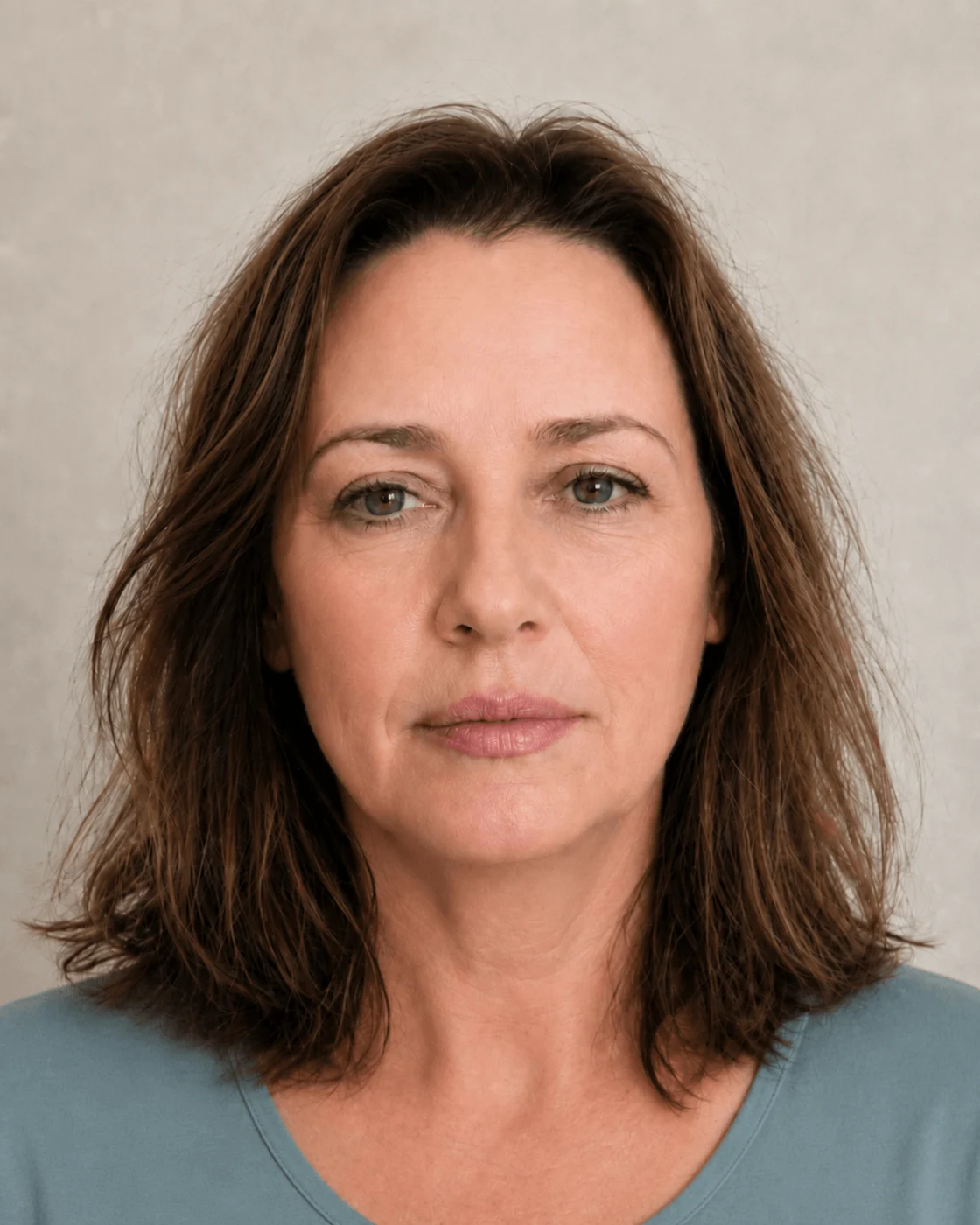
If more than one contributor is present, that does not mean every area should be addressed. Corey helps identify the concern that matters most to you, what can reasonably be left alone and whether a smaller first step would answer enough of the question.
Any option discussed should have a clear purpose, realistic limits, alternatives, material risks, costs and a review plan. You can take time to consider that information. A consultation remains useful even when you decide not to proceed.
Same day care may be discussed for some suitable adults after assessment and informed consent, but it is never assumed. The plan should follow the assessment, not the booking.
Bring what helps Corey see the full picture
| Bring or consider | What is useful | Why it helps |
|---|---|---|
| Your observation | What feels different, when you notice it and what you would like to understand. | It keeps the conversation centred on your reason for coming. |
| Health information | Current medicines, supplements, allergies and relevant medical history. | Accurate information supports an individual suitability and timing discussion. |
| Previous care | Dates, areas and records from earlier cosmetic care when available. | Corey can avoid guessing and may advise waiting while details are gathered. |
When waiting or medical care comes first
Elective cosmetic care may need to wait when relevant health information is incomplete, skin is infected or irritated, timing is unsuitable, or you do not feel ready. Corey may recommend medical review or referral when the concern sits outside cosmetic care.
A sudden facial change, weakness, severe pain or another urgent symptom needs prompt medical assessment rather than a routine cosmetic appointment. For an ordinary facial ageing concern, there is no pressure to decide on the day.

What to expect at your Oakleigh visit
You will meet directly with Corey in a private clinic appointment and have time to describe the change in your own words before any possible pathway is discussed.
Bring your medicines and relevant history. Previous treatment records are helpful when available, but you do not need professional photographs or a chosen treatment. Corey will explain suitability, material risks, alternatives and costs if a pathway is appropriate to discuss.
Bring the change you notice, not a treatment choice
Corey can help you work out whether skin quality, movement, support or another kind of care is the right place to begin.
Is this for you?
Consider booking a consultation if
- You have noticed a facial change and want help deciding whether skin quality, movement or support is the most relevant starting point
- You want Corey to consider the whole face, health history, previous care and your priorities before discussing any pathway
- You are comfortable with a recommendation to focus, wait, seek another kind of care or do nothing
This may not be for you if
- You need assessment of a sudden, painful or medically unusual facial change
- You want a promised outcome or a treatment decision before individual assessment
- You are seeking elective cosmetic care for someone who is not an adult
Suitability is confirmed at consultation. This list is general guidance, not a substitute for clinical assessment.
Frequently asked questions
What is facial rejuvenation consultation?
It is a whole face assessment that considers skin quality, movement, structure, volume pattern, previous treatment, expectations, medical history, suitability and risk before any treatment pathway is discussed.
Is facial rejuvenation one treatment?
No. At Core Aesthetics, it is not treated as one standard procedure. The consultation may lead to education, skin focused care, staged planning, waiting, referral or no treatment.
Can treatment happen on the same day?
Sometimes, but it is never automatic. Same day treatment depends on assessment, suitability, risk discussion, informed consent and Corey Anderson RN deciding that proceeding is appropriate. Waiting, review, referral or no treatment may be safer.
What if I do not know what treatment I need?
You do not need to know. The consultation is designed to assess the concern and explain what may be contributing before any pathway is discussed.
Can previous treatment be reviewed?
Yes. Bring dates, treatment areas and records if available. Corey may recommend waiting, requesting more information, reviewing later or avoiding further treatment if the previous treatment history makes planning unclear or unsuitable.
When might no treatment be recommended?
No treatment may be recommended when the likely benefit is limited, the risk is not justified, timing is poor, expectations need more discussion or another pathway is safer.
Does consultation cover skin and structural ageing?
Yes. Corey considers skin quality, expression, support, volume distribution, facial proportion, medical history and previous treatment because these factors can overlap. The consultation separates the likely drivers before any planning discussion.
How should I prepare?
Bring a clear list of current medicines, supplements, allergies, relevant medical history and previous cosmetic treatment dates if you have them. Arriving with clean skin and realistic questions helps Corey Anderson RN assess facial structure, skin quality, timing, suitability and risk.
Am I suitable for this consultation?
The consultation is the place to ask that directly. Corey considers your concern, medical history, anatomy, timing, expectations, clinical considerations, risks and whether treatment, waiting, referral or no treatment is appropriate.