
CORE AESTHETICS · OAKLEIGH VIC
Healthy ageing and facial rejuvenation in Oakleigh
Want to look fresher while still looking like yourself? Core Aesthetics offers consultations and cosmetic care for facial lines, changes in cheek fullness, jawline definition and skin quality. Corey Anderson RN works with you on a plan that suits the changes you want, your features and your budget, with natural, subtle-looking results as the aim.

QUESTIONS ABOUT FACIAL REJUVENATION
What does facial rejuvenation mean?
Facial rejuvenation is a broad term for care intended to refresh your appearance or address visible changes that develop with age. This might mean looking after skin quality, discussing facial lines or considering a change in facial fullness.
The aim is personal. A fresher appearance, softer looking lines or keeping your familiar features may matter more to you than looking younger. That preference guides the conversation and any proposed care.
Which ageing concerns does Core Aesthetics help with?
Corey helps people work through concerns such as:
- Facial lines: wanting a softer-looking frown or less noticeable lines while keeping expression.
- Flatter cheeks or a tired appearance: understanding changes in fullness and whether improving facial balance is realistic.
- A less defined jawline: considering whether a clearer outline can be achieved with care available at the clinic.
- Dry or rough-looking skin: practical skincare advice and a review of products that may be irritating the skin.
You choose the priority. Corey explains the relevant options and recommends a plan if there is an appropriate way to help.
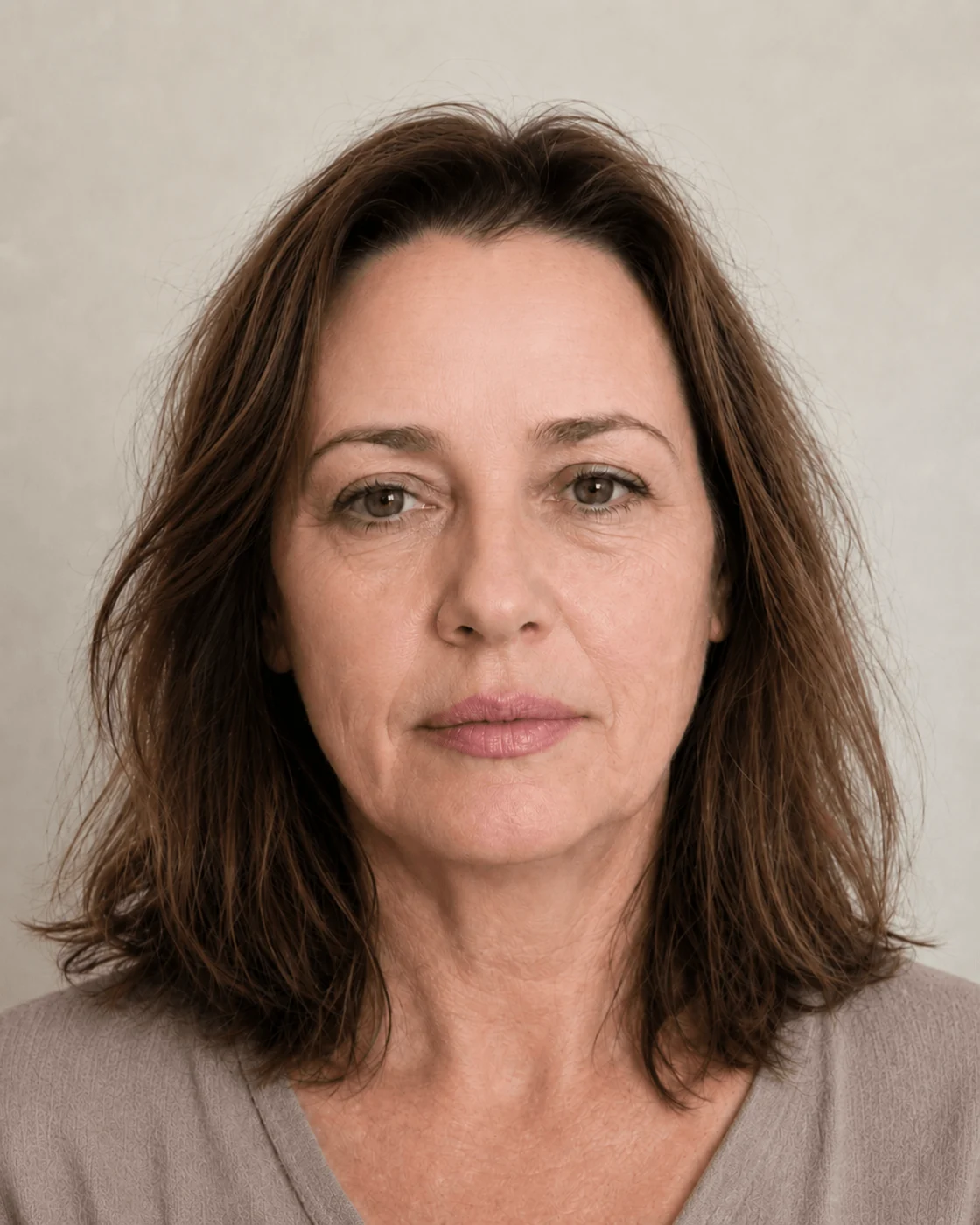
Why does my face change as I get older?
Skin gradually becomes thinner and drier, facial fullness changes and lines become more noticeable. Repeated expressions and sun exposure also influence how the face looks over time. These changes happen at different rates for different people.
A tired appearance may involve more than the skin itself. Changes in cheek fullness, shadows and facial contours can contribute. Looking at your face at rest and during expression helps Corey explain what you are noticing.
What care options might help?
Skincare may be enough when dryness and fine surface lines are the main issue. Moisturiser helps the skin retain water, making some fine lines less noticeable; daily sun protection helps limit further sun damage.
For facial lines, changes in fullness or changes in shape, a consultation can assess the concern and explain whether any clinic option is appropriate, what it involves and what limits apply. Care is planned around the concern you choose, rather than a fixed package for the whole face.
If loose skin is the main concern, Corey will be clear about whether the clinic’s non-surgical care can make a worthwhile difference. If another kind of care would be more appropriate, he explains that before you spend money.
How is a natural, subtle result planned?
Start with the features you want to keep and the change you would value most. Your usual smile, expressions and facial proportions help shape a plan that aims to keep your appearance familiar.
Looking at the whole face helps explain how features relate to each other. It does not commit you to care in every area. The intended change is agreed before treatment. Individual results vary.
How are possible results explained?
Sometimes, before-and-after photographs are shown during your consultation to help explain real-world results from previous care. These examples are used with permission; individual results vary.
Corey relates the discussion to your own features and explains the likely degree of change, recovery and when an outcome can be assessed. A photograph is an example, rather than a prediction of your result.
What happens at my first appointment?
Your initial consultation is with Corey Anderson RN and takes around 30 minutes. After greeting you, Corey talks with you privately about the changes you have noticed, your goals, your health and any previous cosmetic care.
He examines the relevant facial features and explains a proposed plan, including options, risks and recovery. There is time for questions and an honest discussion about what would suit you.
How much does the consultation and care cost?
Your initial consultation is provided at no charge. If care is proposed, you receive clear prices before deciding, with the cost of each part of the plan explained.
Your budget is part of that conversation. There is no sales pressure to proceed with a procedure. Take the information home, consider the options and decide in your own time.
Is treatment available on the same day?
In most cases, suitable treatment can be arranged at the end of your consultation. This depends on the clinical assessment, any required arrangements, agreed costs and informed consent.
If another appointment is needed, Corey explains the reason and the next step. The appointment can also finish with information and a plan to consider at home.
What aftercare and follow up will I receive?
If you have a procedure, Corey provides aftercare instructions, explains what to expect during recovery and tells you how to contact the clinic with concerns.
A follow up review is arranged around two weeks after the procedure to check your recovery and review the result. Some outcomes continue to develop beyond that point; the timing of any further assessment depends on the care you receive.
CORE AESTHETICS · OAKLEIGH
Discuss facial rejuvenation with Corey
A personal conversation about the changes you have noticed, practical care options and a plan that fits your priorities. Your initial consultation is at no charge.
Book a consultation