For a lip volume concern near Cheltenham, current fullness can remain a preservation boundary while Corey Anderson RN assesses a different question: border definition, familiar asymmetry, movement during speech and smile, mouth corner relationship or lower face proportion. He also considers surrounding skin, health and dental context and previous care. The assessment does not assume that more size is appropriate. Corey explains suitable options, material risks, alternatives, costs, timing and follow up. When clinically appropriate and informed consent is complete, suitable care can be planned around the fullness and movement you want kept familiar.
Begin By Naming What Should Not Increase
If your current lip fullness already feels balanced, say so at the beginning. That boundary helps Corey separate the feature you value from the shape, movement or proportion question that prompted the consultation.
A volume-related search does not require a size increase. The useful task is to identify what you actually want understood.
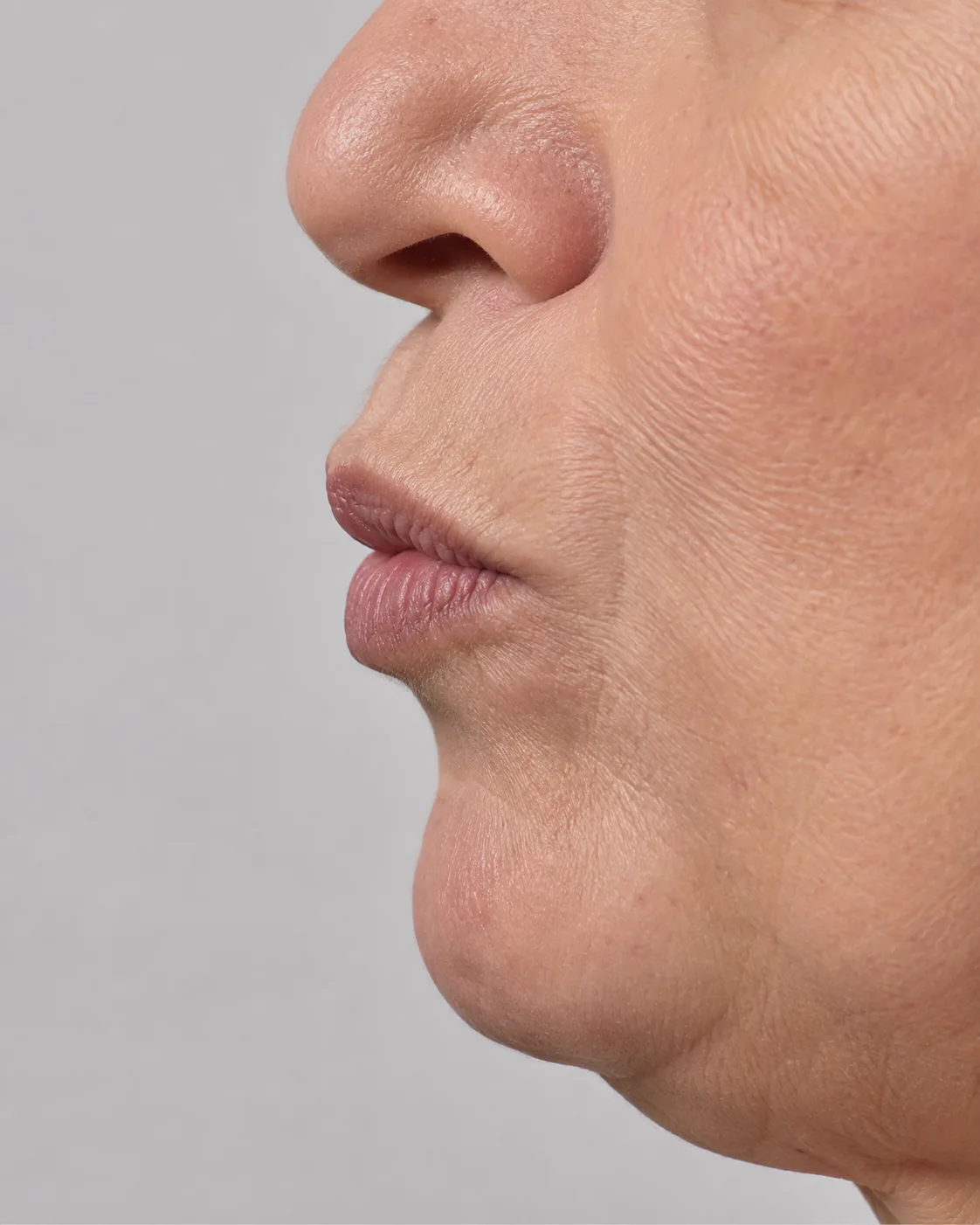
Which Concern Can Sit Beside Unchanged Fullness?
Choose the concern closest to what you notice while keeping current fullness in the preservation column.
| Question to assess | What to describe | What remains a boundary |
|---|---|---|
| Border definition | Where shape looks different at rest or in movement. | No assumed increase in overall fullness. |
| Familiar asymmetry | Which side difference is longstanding and what feels new. | Identical sides are not the goal. |
| Movement | How speech, smile or gentle closure changes the concern. | Familiar expression and function stay central. |
| Mouth corner relationship | Whether the concern is corner position, movement or nearby shadow. | The lip itself is not assumed to be the cause. |
| Lower face proportion | How lips relate to the chin and surrounding mouth. | One close view does not set the plan. |
| Surface or skin | Dryness, irritation, texture or recent swelling. | Skin, dental or medical input can lead when appropriate. |

Which Guide Fits The Question Behind Fullness?
Stay with this page
Use this guide when current size feels right but shape, movement, asymmetry or lower face context needs assessment.
Use the Glen Waverley translator
The Glen Waverley lip guide separates border, proportion, movement, corners and skin questions.
Read the main lip guide
Use the Melbourne lip consultation guide for wider assessment, risk and consent context.
How Does Corey Assess A No-Increase Boundary?
Corey observes relaxed lip position, border, upper and lower relationship, familiar asymmetry, speech, smile, mouth corners, surrounding skin, chin and lower face context. He asks which fullness and movement should remain familiar.
Medicines, allergies, cold sore history, health and dental context and previous cosmetic care complete the assessment. The boundary informs consent but does not confirm which option, if any, is suitable.

What Can Change The Category Of The Concern?
Assessment may show that skin, movement, dental context, previous care settling or another factor is more relevant than fullness. That clarification makes the appointment more useful rather than less successful.
More information, another clinical pathway or adjusted timing can be incorporated when useful. When an option is clinically appropriate and informed consent is complete, suitable care can be planned.
What Should You Bring From Cheltenham?
Bring the no increase boundary, the feature you want assessed, current medicines and allergies, relevant health and dental details, previous cosmetic care dates and any records available.
Note whether the concern changes with movement, irritation or recent care, plus work, travel, events and whether returning to Oakleigh for review would be practical.
How Does Review Access Support The Boundary?
Review provides a chance to compare the plan with the fullness, movement and proportions discussed at the start. Consider whether returning from Cheltenham to Oakleigh would be practical if you have questions or a scheduled review.
Travel convenience supports continuity but does not determine suitability or justify changing more than the agreed concern.
Which Guides Continue A Different Lip Question?
Use the main lip consultation guide for the broader framework, the lip safety guide for risk preparation and the suitability guide for health and timing context.
For another route, use the Highett, Moorabbin or Dingley Village guide when that is your more accurate starting point.
Which Risks And Limits Apply To A Shape Question?
Risks depend on any option considered and may include temporary marks, swelling, tenderness, bruising, asymmetry, infection, lumps, cold sore recurrence, dissatisfaction and uncommon serious complications. Corey explains relevant warning signs, aftercare and review access.
Shape cannot always be considered independently of fullness, movement and neighbouring lip relationships. Corey explains realistic limits, alternatives, costs and trade offs before you decide.
Questions About Shape Without More Fullness
Can I ask about lip shape without wanting more fullness?
Yes. Current fullness can be a preservation boundary while Corey assesses border definition, familiar asymmetry, movement, mouth corners or lower face proportion and explains which limits apply.
How should I describe a no increase boundary?
State which current size, projection and movement feel familiar, then describe the separate feature you want understood. Corey records both the concern and what should remain unchanged.
Can border definition be assessed separately?
It can be assessed as a distinct question, but lip relationships remain connected. Corey explains whether shape can be considered within your boundary and what limits or trade offs apply.
What if surrounding skin is the real concern?
Dryness, irritation, texture or recent swelling may need a skin, dental or medical pathway. Corey can help identify which observations belong within cosmetic assessment and which need different clinical input.
What previous care details should I bring?
Bring approximate dates, areas, available records, side effects, review advice and what felt unfamiliar. Previous care can affect movement, timing and interpretation of the current baseline.
Which changes need another clinical pathway?
Sudden painful change, spreading swelling, marked colour change, fever, breathing or swallowing difficulty or another acute symptom needs prompt appropriate medical assessment rather than routine cosmetic consultation.
Why can a no increase boundary be useful in a lip consultation?
It tells Corey that the concern may be border definition, symmetry, movement, surrounding skin or proportion rather than greater fullness. That boundary helps keep the assessment focused on what you want preserved and what would feel unacceptable. The consultation can then clarify whether a shape focused discussion, another pathway or no cosmetic change fits the concern.
Is this for you?
Consider booking a consultation if
- Adults near Cheltenham wanting lip shape and proportion assessment before option discussion
- Patients who want consultation first explanation of lip concerns, risk and consent
- People open to timing, review needs or another clinically appropriate pathway where that is more appropriate
- Patients who want to verify Corey Anderson RN and the Oakleigh clinic before booking
This may not be for you if
- People asking for a predetermined plan without assessment, consent or risk discussion
- People with urgent medical symptoms, active infection, acute swelling or rapidly changing facial symptoms
- People wanting a fixed cosmetic change before lip shape, movement and lower-face balance are assessed
- People seeking elective cosmetic care for someone who cannot provide informed consent
Suitability is confirmed at consultation. This list is general guidance, not a substitute for clinical assessment.