A lip volume consultation near Moorabbin can clarify whether the lips meet comfortably at rest or whether the lower lip and chin recruit effort during closure. Corey Anderson RN compares resting shape, border definition, upper to lower relationship, symmetry, speech, smile movement and lower face proportion. He also reviews oral health, breathing or dental symptoms, cold sore history, previous care and goals. Suitable options, material risks, alternatives, costs, timing and follow up are explained. When assessment and informed consent support an option, suitable care can be planned.
What Does Comfortable Lip Closure Look Like?
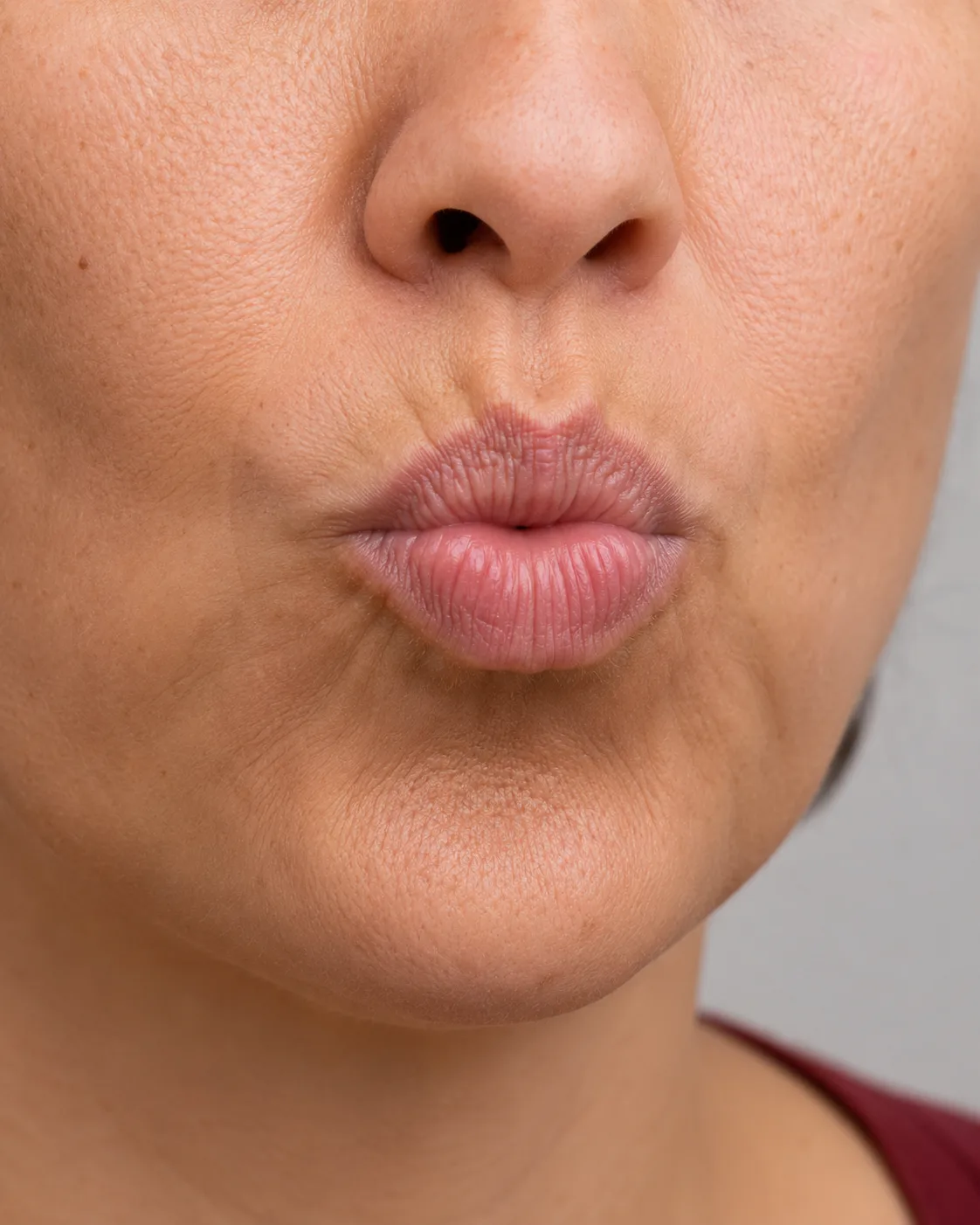
At neutral rest, some people’s lips meet lightly without conscious effort. Others notice a small gap, lower lip lift or chin activity when they try to bring the lips together.
Corey observes the natural resting position before asking for any deliberate movement. The purpose is to understand the pattern, not to label a familiar feature as a problem.
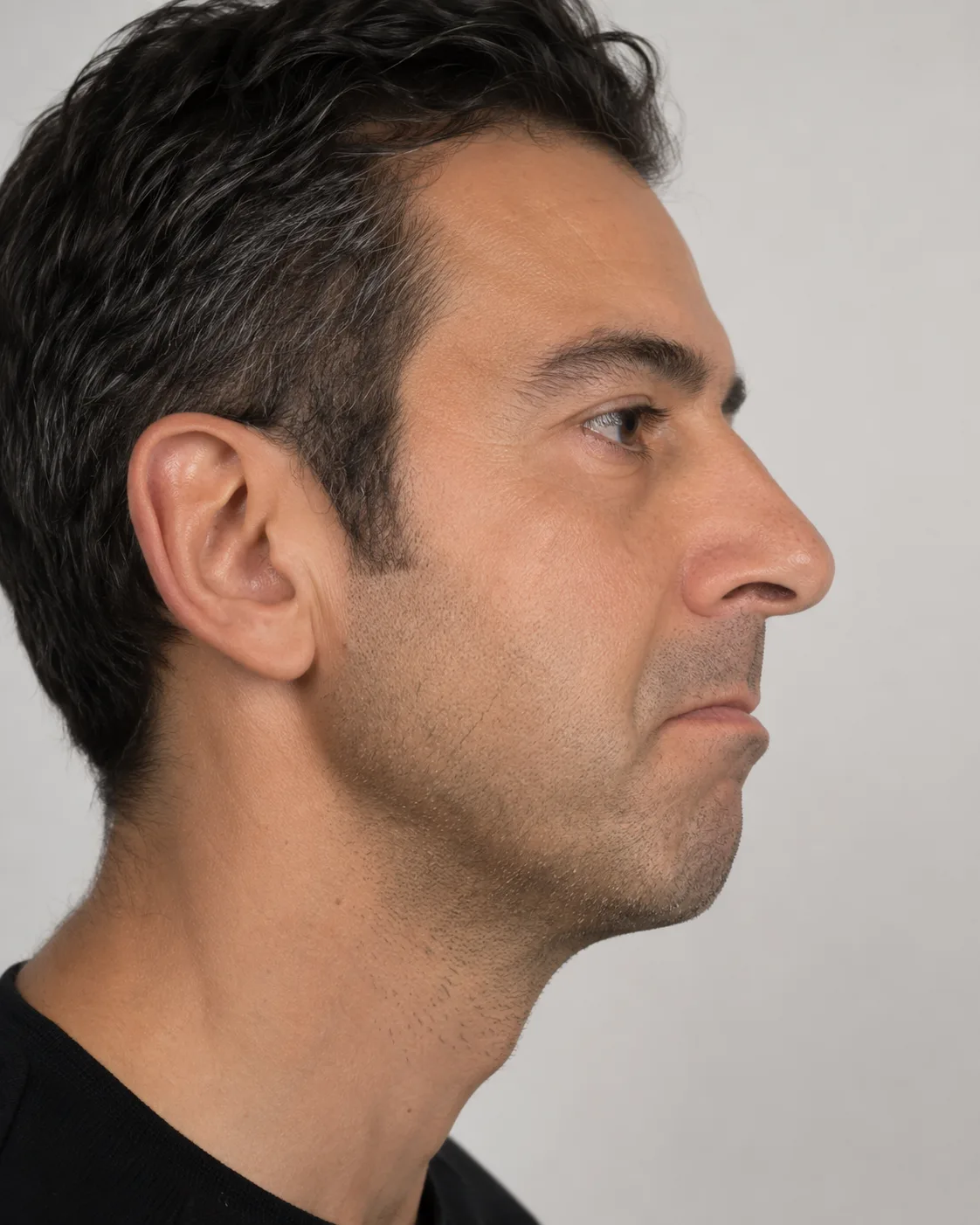
Why Can Closing The Lips Change The Chin?
The lower lip and chin muscles can assist closure. When extra effort is used, the chin may crease or the lower lip may roll upward, changing the apparent upper to lower lip relationship.
Corey compares true rest, comfortable closure, speech and smiling. This helps prevent a closure pattern from being mistaken for a simple request for more lip volume.
What Should You Notice Before The Consultation?
A few ordinary observations are enough.
- Whether the lips meet naturally when you are not posing.
- Whether the chin tightens or dimples during closure.
- Whether nasal congestion, mouth breathing or dry mouth is present.
- Any dental, bite or jaw changes and planned oral care.
- Cold sore history, medicines, allergies and previous cosmetic care.
Which Observations Separate Shape From Effort?
Each observation answers a different part of the question.
| Observation | What Corey compares | What it clarifies |
|---|---|---|
| Neutral rest | Lip position, border and natural gap | The baseline without requested closure. |
| Comfortable closure | Lower-lip lift, chin activity and effort | Whether muscle recruitment changes the shape. |
| Speech | Parting, rolling and repeated movement | How the lips behave during daily communication. |
| Natural smile | Width, dental show and mouth corners | How closure and proportion relate to expression. |
When Do Breathing Or Dental Symptoms Need Their Own Assessment?
Persistent mouth breathing, blocked nasal airflow, dry mouth, jaw pain, bite change, dental pain, infection or sleep related symptoms are not diagnosed through a cosmetic consultation. Discuss them with a GP, dentist or another suitable clinician.
Stable cosmetic concerns can still be assessed with that context. Corey can explain which parts of resting shape and movement fall within cosmetic planning and which questions need other expertise.
How Can You Describe The Concern Without Preselecting A Plan?
Name the resting pattern
Say whether the lips meet lightly, remain slightly apart or require effort.
Point to the effort
Lower-lip lift and chin tightening are different from resting volume.
Protect speech and expression
Tell Corey which movements and proportions feel familiar.
Share oral and dental context
Breathing symptoms, bite changes and dental timing can alter the pathway.
Ask about realistic limits
Corey should explain what a cosmetic option may change and what it cannot address.
How Can The Rest Assessment Redirect A Volume Request?
The original concern may turn out to centre on lower lip effort, chin activity, dental relationship, border definition or mouth-corner movement rather than resting lip volume alone. Corey explains which observation leads.
When assessment and informed consent support an option, suitable care can be planned. Dental or medical input, more information or adjusted timing can be incorporated when that makes the plan clearer.

Which Guide Fits A Different Lip Question?
Read the Melbourne lip guide for the broader framework, the Oakleigh lip guide for clinic planning and the suitability guide for health and consent preparation.
For a neighbouring route, compare the Highett, Bentleigh East or Oakleigh South pages.
Which Risks And Limits Are Discussed?
Depending on the option, discussion can include swelling, bruising, tenderness, asymmetry, lumps, infection, cold sore reactivation, dissatisfaction and uncommon serious vascular complications. Corey explains warning signs, clinic contact and review access.
He also explains limits. A cosmetic lip option does not diagnose or correct nasal obstruction, breathing patterns, bite problems or dental disease.
Where Does Corey Assess Resting Closure?
Core Aesthetics is at 12A Atherton Road, Oakleigh VIC 3166. Phone 0491 706 705. Consultations are led by Corey Anderson RN, Registered Nurse, Ahpra registration NMW0001047575.
Use the verification page, pricing guide and Ahpra public register before booking.
Can Suitable Care Be Planned After The Rest Test?
Yes. Corey completes an individual assessment and explains suitable options, material risks, alternatives, costs, aftercare and follow up.
When an option is clinically appropriate and informed consent is complete, suitable care can be planned around comfortable movement and the features you want preserved.
Which Closure Questions Need Direct Assessment?
This guide provides general education for adults preparing for a lip consultation from Moorabbin. It cannot diagnose a breathing, dental or oral concern or confirm individual suitability.
Personal advice requires direct assessment of resting closure, movement, oral context, history, material risks, alternatives and consent.
Is this for you?
Consider booking a consultation if
- Adults near Moorabbin wanting lip proportion and movement assessment before option discussion
- Patients who want consultation-first explanation of shape, volume, tissue behaviour, risk and consent
- People willing to consider how assessment, timing, follow-up and other clinical input shape the plan
- Patients who want to verify Corey Anderson RN and the Oakleigh clinic before booking
This may not be for you if
- People asking for a predetermined plan without assessment, consent or risk discussion
- People with urgent medical symptoms, active infection, acute swelling or rapidly changing lip symptoms
- People wanting a fixed cosmetic change before proportion, movement and tissue behaviour are assessed
- People seeking elective cosmetic care for someone who cannot provide informed consent
Suitability is confirmed at consultation. This list is general guidance, not a substitute for clinical assessment.
Frequently asked questions
Should the lips always touch at rest?
Resting lip position varies. Corey observes whether the lips meet lightly, remain slightly apart or require lower lip and chin effort, then considers movement and dental context without assuming one appearance is normal for everyone.
Why can the chin tighten when the lips close?
The lower lip and chin muscles can assist closure. That effort may crease the chin or roll the lower lip upward, changing apparent proportion compared with true rest.
How is comfortable closure assessed?
Corey first observes neutral rest, then asks for gentle closure without force. He compares lower lip movement, chin activity, symmetry and how the pattern changes during speech and smiling.
Should I mention mouth breathing or nasal blockage?
Yes. Persistent mouth breathing, blocked airflow, dry mouth or sleep symptoms need suitable medical assessment because a cosmetic consultation cannot diagnose or correct their cause.
Can dental or bite changes affect the lip relationship?
Yes. Dental treatment, tooth position, bite changes, jaw symptoms and oral disease can affect resting closure or lower face appearance. Bring relevant history and seek dental care for pain or infection.
Which risks may be discussed?
Depending on the option, Corey may discuss swelling, bruising, tenderness, asymmetry, lumps, infection, cold sore reactivation, dissatisfaction and uncommon serious vascular complications, plus warning signs and review access.
How should I plan the Moorabbin route?
Check current directions from your actual starting point and allow enough time for rest and movement assessment. Consider whether returning to Oakleigh for review would be practical.