Skin quality consultation covers texture, redness, barrier comfort, irritation history, active skincare, healing, timing and whether treatment discussion should wait. Corey Anderson RN may recommend treatment discussion, skin preparation, waiting, medical review or another clinically appropriate pathway, depending on what assessment shows.
What Does Skin Quality Consultation Actually Cover?
This guide focuses on the consultation question behind skin quality. It is not a promise that treatment is suitable, and it does not assume every concern should move straight into a cosmetic plan. It helps you understand what Corey Anderson RN reviews when texture, dryness, redness, irritation, sensitivity or generally tired looking skin shape the discussion.
Skin quality can affect visibility, timing, consent quality, treatment planning and whether another pathway should come first. Consultation may lead to treatment discussion, skin preparation, adjusted timing, review with another health professional, medical review or a skin-focused plan.
When Do Texture, Redness Or Barrier Concerns Change The Discussion?
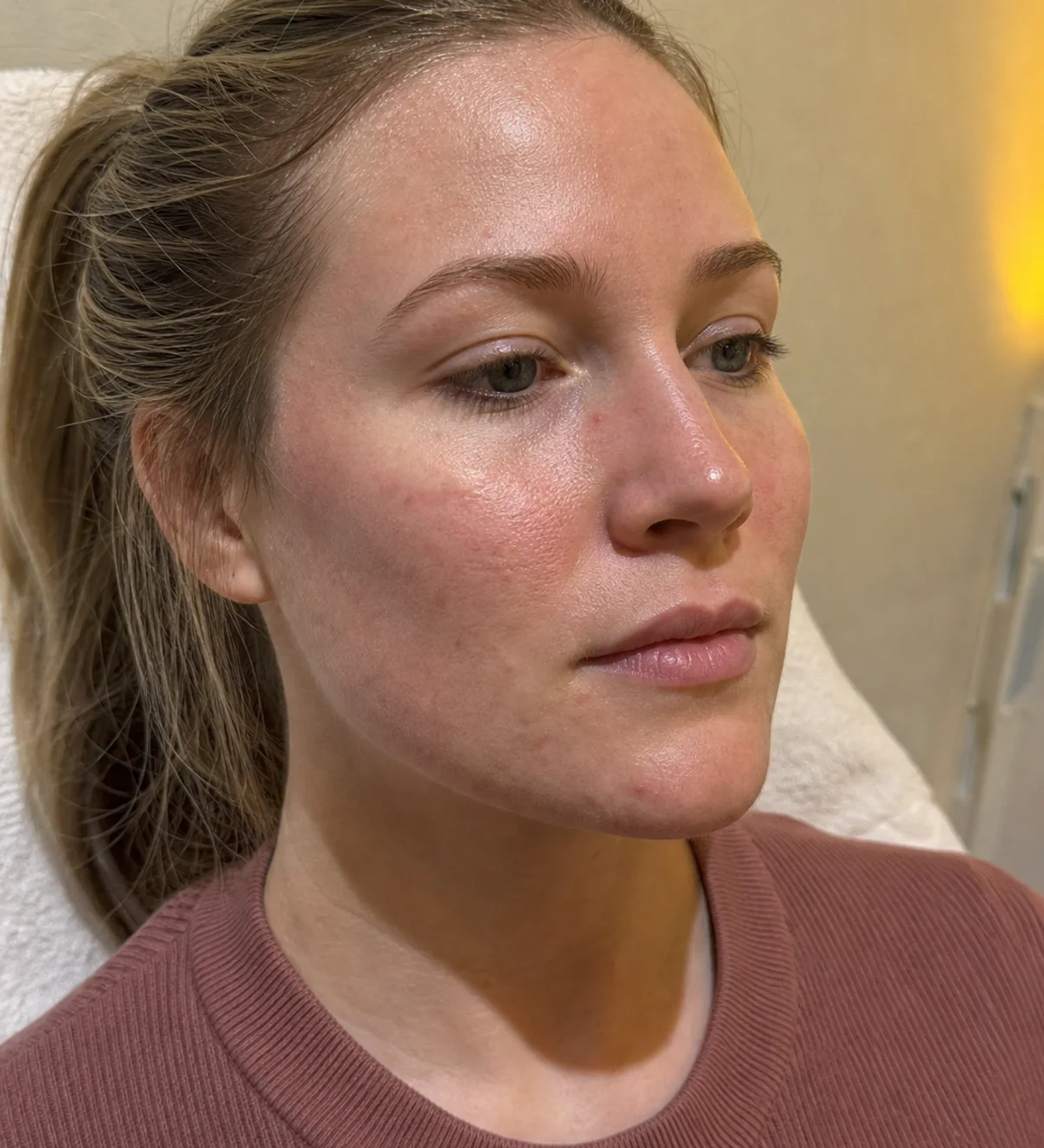
Skin quality concerns can change the discussion when irritation, active breakouts, barrier disruption, recent peels, sun exposure, dryness or persistent redness make the skin harder to assess or suggest that another step should come first. A consultation may still be useful, but the answer may be to slow down rather than proceed.
Corey also considers whether the concern is mainly about skin quality, mainly about movement or structure, or a mix of all three. That distinction matters because the safest next step can change substantially depending on what is driving the concern.
What Should Be Reviewed Before Any Decision?
These are the main questions that usually shape a skin quality consultation before any decision is made.
| Consultation question | Why it matters | Possible next step |
|---|---|---|
| What is the actual skin concern? | Texture, dryness, redness, pigmentation, irritation and sensitivity can overlap, but they do not always point to the same conversation. | Corey may narrow the focus, broaden the assessment or explain that another page or pathway is the better fit. |
| What is the recent skin history? | Active skin care, recent treatments, sun exposure, peeling, healing or flare ups can affect timing and visibility. | Skin preparation, waiting or a more conservative discussion may be safer. |
| Are there medical review triggers? | Persistent symptoms, infection, unexplained change or unresolved inflammation may need a different pathway first. | Medical review or referral may be recommended before cosmetic planning continues. |
| Is the timing realistic? | Events, travel, pressure and limited follow up can make a rushed decision unhelpful. | The consultation may stay educational, or treatment discussion may be delayed. |
When Could Medical Review Or Waiting Be Safer?
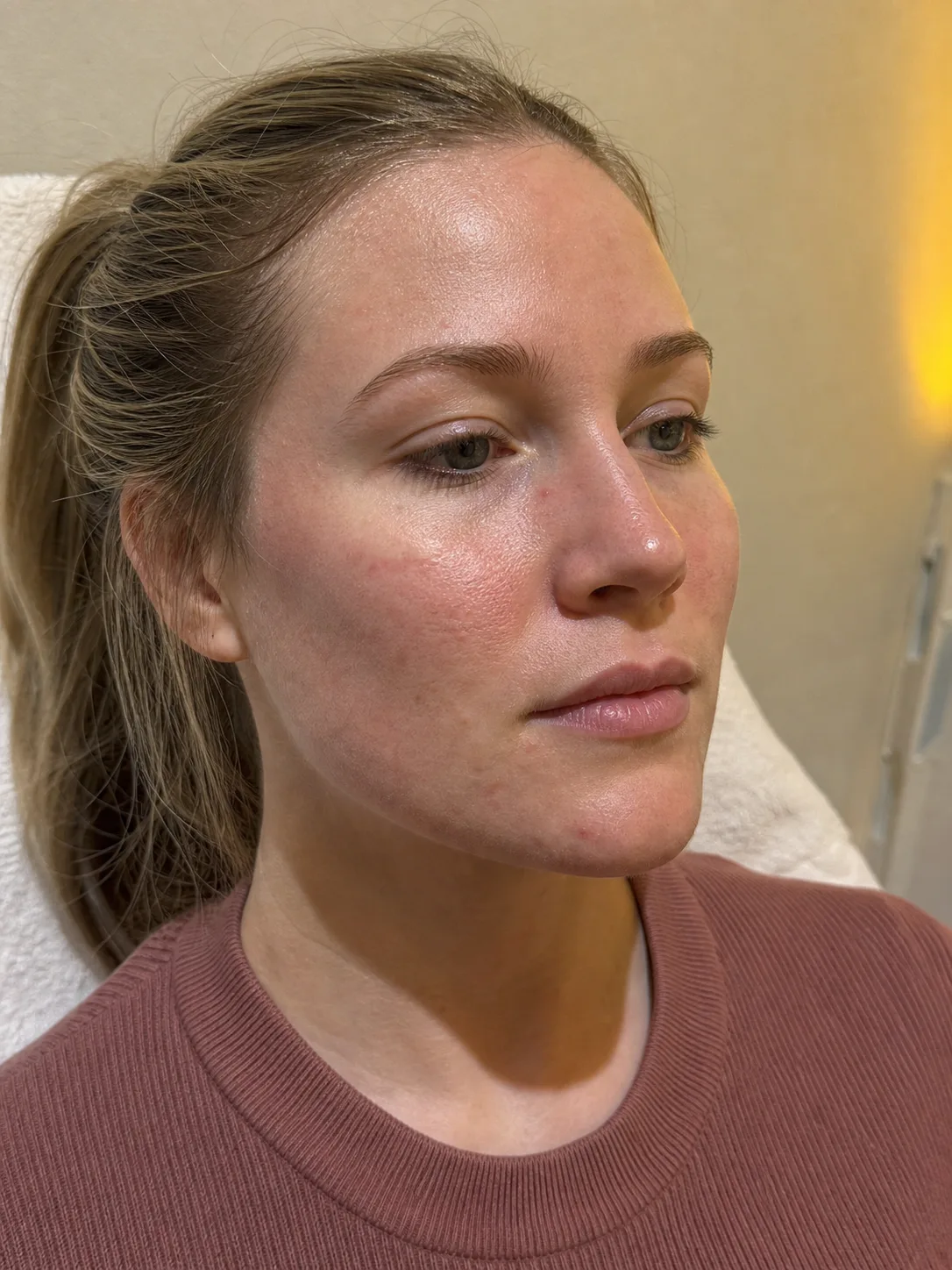
Medical review may be safer when the skin is actively infected, changing rapidly, significantly inflamed, painful, not healing well or showing symptoms that do not fit an ordinary cosmetic consultation. More time or another pathway may be appropriate when irritation is still settling, barrier comfort is poor, recent skin interventions have altered visibility or the patient feels pressured by timing.
A useful consultation should leave you with clarity and an agreed plan. That outcome can be clinically responsible and still helpful if the patient leaves understanding what to do next.
What Next Steps Can Follow The Consultation For Aesthetic Consultation For Skin Quality?
Next steps can include treatment discussion, staged planning, skin preparation, waiting, medical review or another clinically appropriate pathway. The right answer depends on what is driving the concern, what is visible on the day and whether moving forward is genuinely appropriate.
Corey uses the consultation to explain those pathways in plain language, including where the limits are and why restraint may be the better choice.
How Are Costs Discussed For Aesthetic Consultation For Skin Quality?
Costs are discussed once the consultation scope is clear. Corey first works out what is being assessed, whether the concern sits within clinic scope and whether treatment discussion should happen now, after preparation or not at all.
If the safest answer is to pause, prepare the skin, seek another opinion or return later, that is still a valid clinical outcome. The consultation is there to improve decision making, not to push treatment forward.

How Should You Start For Aesthetic Consultation For Skin Quality?
If your main question is whether skin condition, texture or irritation should change the timing of an appointment, read Skin Quality Before An Aesthetic Consultation next. If you want to understand whether the skin is ready for a treatment discussion at all, Skin Quality And Treatment Readiness is the better companion page. If you are comparing skin quality with wrinkle treatment Melbourne, volume treatment Melbourne, jawline treatment Melbourne or lip volume Melbourne, this page helps you decide whether skin quality should change the plan.
When you are ready for an individual discussion, a consultation allows Corey to assess the concern, explain the relevant risks and decide whether treatment discussion, preparation, timing, review needs or another clinically appropriate pathway is the better path.
Common Questions
What does skin quality mean in this consultation?
It refers to factors such as texture, dryness, redness, sensitivity, barrier comfort, recent irritation and how clearly the skin can be assessed on the day. The consultation helps separate what is visible from what is clinically sensible to discuss next.
Do I need clear skin before booking?
Not necessarily. You do not need completely clear skin to ask questions, but active irritation, recent peeling, infection or significant inflammation can change what Corey is able to assess and whether more time is the more appropriate recommendation.
Can active skin care or irritation change timing?
Yes. Retinoids, acids, recent peels, sun exposure, dryness, barrier disruption or flare ups can affect visibility, comfort and healing. Corey may recommend preparation, waiting or a broader skin discussion before options are discussed.
When should medical review come first?
Medical review may be more appropriate when the skin is infected, changing rapidly, significantly inflamed, painful, not healing properly or showing symptoms that do not fit an ordinary cosmetic consultation. Cosmetic planning can wait when another pathway is safer.
Can a skin-quality assessment lead to discussion of suitable options?
Sometimes, but it is not assumed. An option discussion depends on what the consultation shows, how the skin is presenting, whether timing is sensible and whether Corey considers it clinically appropriate to proceed after discussing the risks and limitations.
What should I bring to the appointment?
Bring a list of active skin care products, current medicines and supplements, relevant medical history, previous cosmetic treatment dates, recent skin events, upcoming commitments and the questions you want answered. That context often changes the discussion.
Can Corey recommend waiting or skin preparation first?
Yes. Skin preparation, waiting, review later or another clinically appropriate pathway may be the better recommendation when barrier comfort is poor, irritation is active, timing is rushed or the likely benefit does not clearly outweigh the risk.
How are risks discussed in a skin quality consultation?
Risk discussions are tailored to the concern and the pathway being considered. Corey explains what matters to your situation, which may include irritation, delayed healing, dissatisfaction, timing limits, aftercare demands and when the safer answer is to pause.
Which related page should I read next?
Is this for you?
Consider booking a consultation if
- Adults asking whether texture, redness, barrier comfort or timing should change the consultation discussion
- People who want assessment-led guidance before deciding whether cosmetic planning should proceed
- People open to skin preparation, waiting, medical review or a skin-focused plan if that is safer
This may not be for you if
- People seeking certainty or a promised appearance change
- People needing urgent dermatology or medical care rather than cosmetic consultation guidance
- People who are not adult patients
- People expecting treatment to proceed regardless of current skin condition
Suitability is confirmed at consultation. This list is general guidance, not a substitute for clinical assessment.
Clinical references
- Ahpra guidelines for registered health practitioners who perform non-surgical cosmetic procedures
- Ahpra guidelines for advertising higher risk non-surgical cosmetic procedures
- Ahpra public register of practitioners
- TGA advertising health services and cosmetic injections FAQ
- TGA advertising health services that involve therapeutic goods