Skin quality and treatment readiness should be treated as a consultation question, not a shortcut to treatment. Corey Anderson RN reviews the skin, timing, barrier status, recent procedures, risks, alternatives and consent before deciding which options may be suitable, whether timing needs adjusting and what next step fits best.
What Can Skin Readiness Change About An Appointment?
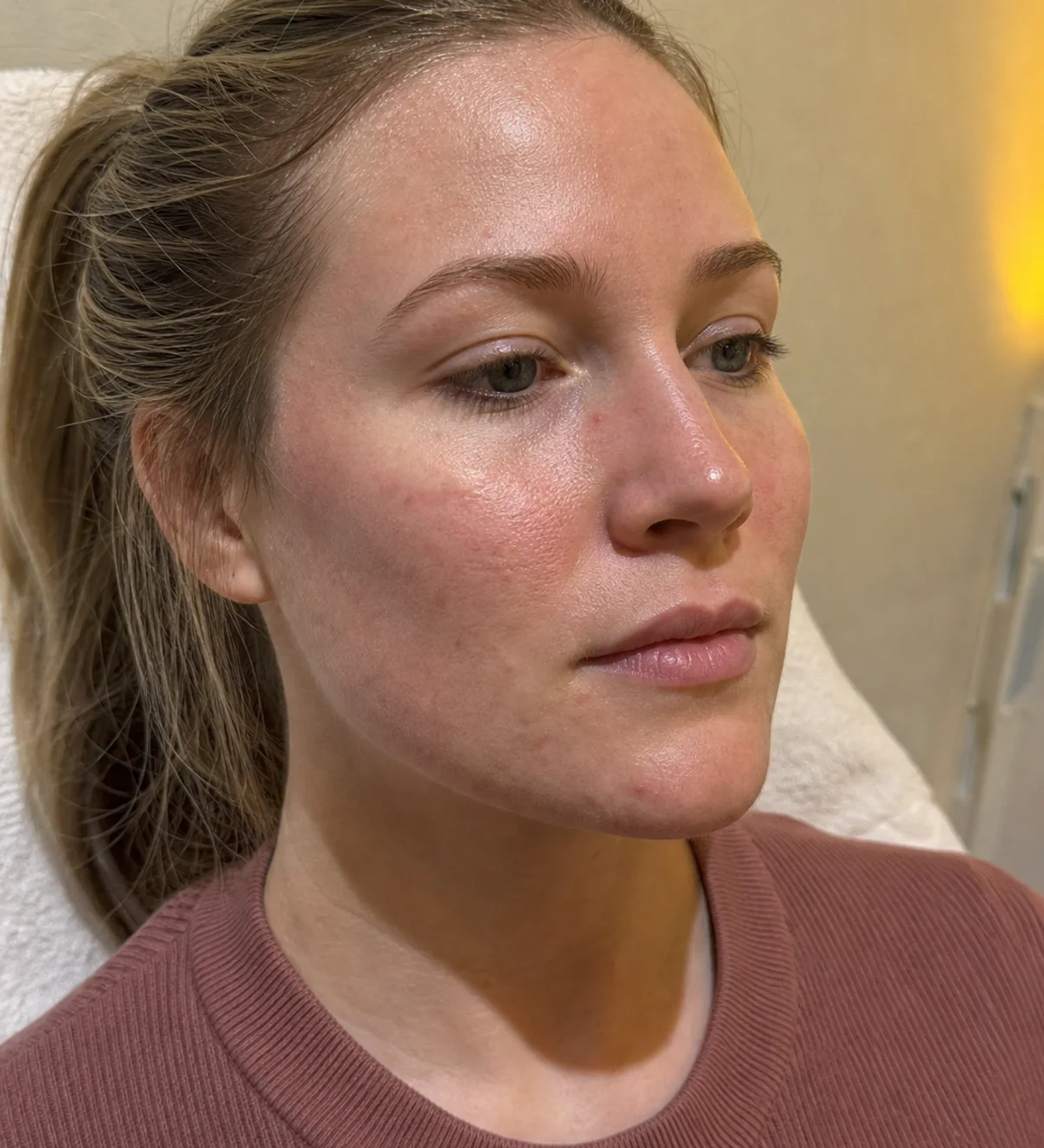
Skin readiness can change whether an appointment is used for assessment, education, timing advice, a later review or discussion of suitable options. Corey looks at how the skin feels and behaves, not only how it looks in a photograph. Dryness, stinging, peeling, redness, broken skin, a recent skin procedure, a new product reaction or an unexplained change can all alter what is responsible to discuss.
The goal is not to achieve perfect skin before consultation. It is to bring the current pattern, what changed and when, and enough health and product information for Corey to decide whether the concern sits within cosmetic scope. Painful, spreading or rapidly changing symptoms, broken or weeping skin, or possible signs of infection may require assessment by an appropriate medical service before cosmetic planning.
What Belongs On A Skin Readiness Checklist?
Bring enough detail to separate a stable cosmetic concern from an unsettled or medically unclear skin problem. A useful readiness checklist includes:
- what changed, when it started and whether it is improving, stable or worsening;
- pain, heat, swelling, broken skin, weeping, eye area symptoms or other changes that may need medical assessment;
- current medicines, allergies, health conditions and any recent illness;
- active skin care products, strength, frequency, last use and any reaction;
- recent peels, laser, needling, surgery or other procedures, including the date and recovery pattern;
- previous cosmetic care, upcoming events, travel and whether follow up would be practical.
Do not start or intensify products simply to prepare for consultation. Bring the current pattern and let the assessment determine whether education, timing, medical input or cosmetic discussion is the responsible next step.
Which Skin Page Answers The Next Question?
Use this page as the broad readiness hub. Read Aesthetic Consultation For Skin Quality when you want to understand what a skin focused consultation covers. Read When Skin Is Not Ready For Aesthetic Treatment when the main question is whether unsettled skin should pause cosmetic planning.
Use Skin Barrier Before Aesthetic Treatment for dryness, flaking, stinging or barrier comfort; Active Skin Care Before Consultation for current products and reactions; and Redness And Irritation Before Aesthetic Treatment when redness is the leading concern. For the broader clinical decision, continue with treatment suitability assessment and patient safety.
What Questions Should You Bring?
Ask what appears to be driving the concern, what remains uncertain, what risks are relevant, what alternatives exist and what would make waiting the better choice.
Also ask which appointment pathway best matches your concern. A focused guide should make the next step clearer, not pressure the reader into a treatment decision.

When Might Timing Need To Change?
More time or another pathway may be appropriate when timing is poor, an event is very close, health information is incomplete, expectations are unsettled, symptoms need medical review or follow up would be difficult.
It can also be appropriate to use the appointment for education only. The next step follows an individual assessment of the concern, risks, alternatives and timing.
Which Safety Boundaries Matter?
A cosmetic readiness page cannot diagnose a rash, infection, allergy or another skin condition, and it is not an urgent care pathway. Tell Corey about pain, heat, swelling, broken or weeping skin, eye area symptoms, fever or a rapidly changing pattern. Depending on the presentation, the responsible next step may be assessment by an appropriate medical service before cosmetic planning.
If the skin is comfortable but recent products, procedures or healing make the picture unclear, the decision may instead be to observe, use a conservative preparation plan or review later. Consent should still cover uncertainty, alternatives, aftercare, review access and the option of doing nothing.
Which Decision Does The Readiness Check Support?
What we help with here is deciding whether skin quality, treatment readiness or waiting should come first.
| Decision area | What Corey checks | Responsible next step |
|---|---|---|
| Is the concern suitable? | History, anatomy or movement, skin condition, prior treatment, expectations and whether the concern fits clinic scope. | Ask what would make treatment unsuitable or worth delaying. |
| What risks and limits apply? | Relevant risks, individual variation, alternatives, aftercare, timing and review needs. | Make sure the tradeoffs are understood before deciding. |
| Is consent clear? | Whether the patient has enough information, enough time and freedom to pause or decline. | Consent should be practical, documented and unpressured. |
| What if treatment is not right? | Waiting, records review, referral, skin preparation, review or no treatment may be safer. | A useful consultation should leave you with clarity and an agreed plan. |
Why Does Assessment Come First?
The visible issue can involve more than one factor, and a search term rarely captures medical history, prior treatment, timing, risk tolerance or consent. Corey uses consultation to separate what is noticed from what is clinically sensible.
This keeps the page educational and helps patients understand why the answer may be treatment discussion, timing, review needs or another clinically appropriate pathway.
How I Decide Whether Skin Is Ready For A Cosmetic Discussion
Looking Ready And Being Ready Are Different Questions
Corey Anderson RN: When you point to dryness, roughness, redness or texture, my first question isn’t only how the skin looks. It’s whether it feels comfortable and behaves predictably. A visible concern doesn’t establish whether the barrier is irritated, whether a recent procedure is still settling, or whether the symptom needs medical review. So I examine the current pattern and ask what’s changed. If the skin is painful, spreading, changing rapidly or showing possible signs of infection, I may recommend medical assessment, including dermatology input where appropriate, before any cosmetic discussion.
Timing Is Part Of My Readiness Check
Corey Anderson RN: I ask about health history, medicines, previous care, recent products, illness, travel and upcoming events, because all of them affect readiness and your ability to attend follow up. An approaching event doesn’t make unsettled skin more suitable for cosmetic planning. It often makes the timing worse. If records are incomplete, or the skin hasn’t returned to its usual baseline, I may recommend preparation, observation or a later review rather than turning a deadline into a rushed decision.
Doing Nothing Belongs In The Conversation
Corey Anderson RN: I include the option of doing nothing when we discuss readiness, which means explaining the uncertainty, the relevant risks, the alternatives, the aftercare, and what would need to settle before reconsidering. Comfortable skin isn’t by itself a reason to recommend cosmetic care. If the expected benefit is uncertain, or the concern falls outside cosmetic scope, I’d rather say so and point you at the right pathway. Waiting, referral and leaving the skin alone are valid decisions, not failed consultations.
What Information Should Corey Review?
Useful information includes current medicines and supplements, allergies, health conditions, previous cosmetic treatment dates, upcoming events, skin changes, prior advice and the concern in the patient’s own words. Missing information can change timing or suitability.
Corey may also discuss whether the concern belongs in clinic scope or whether referral, waiting or another pathway is safer.
Common Questions
What does skin readiness mean before consultation?
Skin readiness means whether the current skin condition, symptoms, recent products or procedures, healing, timing and available information allow a responsible cosmetic discussion. It does not mean the skin has to look perfect. Corey assesses whether the next step should be education, waiting, medical input, review later or discussion of suitable options.
Do I need perfectly clear skin before I book?
No. Dryness, texture or mild stable concerns can still be discussed at consultation. Tell the clinic if the skin is painful, hot, swollen, broken, weeping, rapidly changing or showing possible signs of infection, because medical assessment or different timing may be more appropriate than cosmetic planning.
When should medical assessment come before cosmetic planning?
Medical assessment may need to come first when symptoms are painful, spreading, rapidly changing, affecting the eye area, associated with fever, or involve broken, weeping or possibly infected skin. This page cannot diagnose the cause. Use an appropriate medical service for urgent or medically unclear symptoms rather than relying on a cosmetic booking.
Can active skin care change the timing?
Yes. A new product, stronger routine or recent reaction can leave skin dry, peeling, stinging, red or harder to assess. Bring product names, strengths, frequency, last use and any reaction. Corey can then decide whether education, a pause, medical input or later review should come before cosmetic discussion.
Do recent skin procedures matter to the readiness check?
Yes. Tell Corey about recent peels, laser, needling, surgery or other procedures, including dates and how the skin has recovered. A recent procedure does not produce one universal waiting period. The responsible timing depends on the current skin, healing, records, symptoms and the pathway being considered.
What information should I bring to a skin readiness consultation?
Bring current medicines and supplements, allergies, relevant health conditions, active skin care, recent procedure dates, previous cosmetic care, photographs if they show a changing pattern, upcoming events and your questions. Explain what changed, when it started and whether it is improving, stable or worsening.
Can consultation still be useful if cosmetic care does not proceed?
Yes. A useful appointment can clarify what remains uncertain, whether the concern sits within cosmetic scope, which risks or limits matter, whether medical input is appropriate and what would need to settle before later review. Waiting, referral and doing nothing are valid outcomes of an informed consultation.
Where is the clinic and how can I verify Corey?
Core Aesthetics is at 12A Atherton Road in Oakleigh. Corey Anderson RN can be checked on the Ahpra public register using registration NMW0001047575. Use the Core Aesthetics verification and contact pages to confirm the current full address, phone and booking details before attending.
Is this skin readiness page personal medical advice?
No. It provides general information for adults preparing for consultation. It cannot diagnose a skin condition, confirm treatment suitability, replace urgent care or recommend a procedure. Personal advice requires assessment by an appropriately qualified health practitioner who can review the current symptoms and relevant history.
Is this for you?
Consider booking a consultation if
- Adults who want to know whether timing, irritation or barrier concerns should pause treatment discussion
- People who want a consultation-first explanation before booking around skin issues
- People open to waiting, review or no treatment if that is safer
This may not be for you if
- People expecting treatment to proceed just because the concern is visible
- People seeking urgent dermatology or medical care rather than consultation guidance
- People who are not adult patients
- People looking for a one-size-fits-all answer about skin readiness
Suitability is confirmed at consultation. This list is general guidance, not a substitute for clinical assessment.
Clinical references
- Ahpra guidelines for registered health practitioners who perform non-surgical cosmetic procedures
- Ahpra guidelines for advertising higher risk non-surgical cosmetic procedures
- Ahpra public register of practitioners
- TGA advertising health services and cosmetic injections FAQ
- TGA advertising health services that involve therapeutic goods