When the skin is red, irritated or visibly reacting before an aesthetic appointment, that should be disclosed to guide an informed decision. Mild temporary redness may still be assessed, but hot, painful, spreading, broken, weeping, skin that looks infected or symptoms around the eyes can make waiting or medical review more appropriate. Corey Anderson RN assesses visibility, timing, consent and whether treatment discussion or another clinically appropriate pathway is responsible.
What Counts As Redness Or Irritation Here?
This page is about visible redness, irritation, product reactions, shaving irritation, mild swelling or other skin changes that can make cosmetic planning less straightforward. The practical question is not whether the redness looks inconvenient. It is whether the skin is calm enough to assess clearly and whether treatment discussion is still responsible.
Corey Anderson RN is not trying to push through a treatment conversation when the skin is already signalling that timing or another pathway may matter more.
Which Redness Signs Change The Decision?
Use this table as a consultation guide, not as a diagnosis tool.
| Redness pattern | Why it matters | Safer next step |
|---|---|---|
| Mild temporary redness after shaving or a brief skincare irritation | May still allow useful assessment, but timing and comfort need checking. | Disclose what changed and let Corey decide whether the discussion should proceed or pause. |
| Hot, painful or spreading redness | Can suggest inflammation or a medical issue that needs more caution. | Medical review or more time or another pathway may be appropriate before cosmetic planning continues. |
| Broken, weeping, crusted skin or skin that looks infected | Assessment, consent and treatment timing become less reliable. | Pause cosmetic planning and seek appropriate medical care first. |
| Recent product reaction, peel, laser or aggressive routine change | The skin may still be healing or reacting unpredictably. | Bring the dates, products and symptoms so timing can be assessed properly. |
| Redness near the eye area or with significant swelling | The concern may sit outside ordinary cosmetic planning. | Treat as a stronger reason to seek medical review before treatment discussion. |
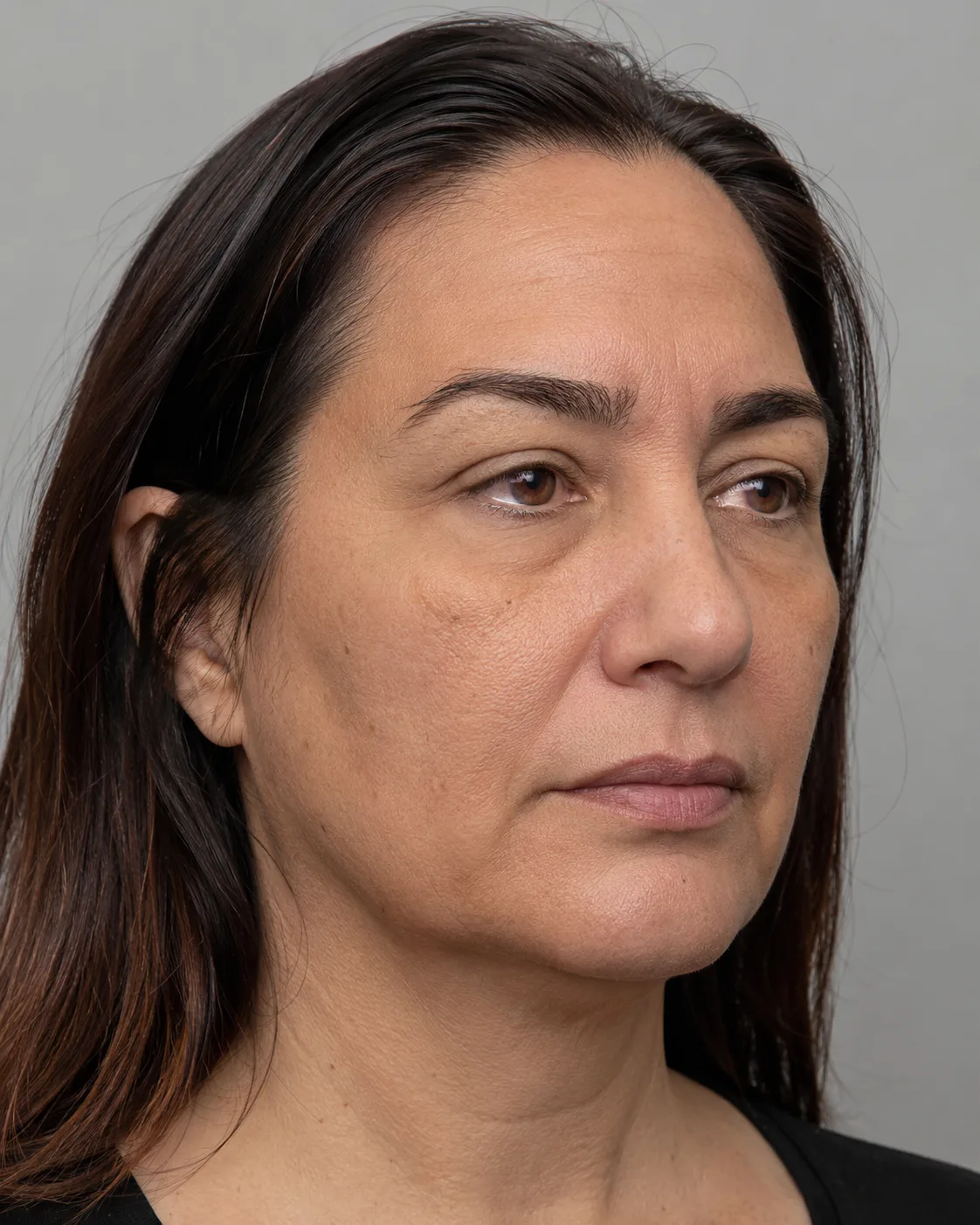
What Should You Tell Corey Before Or At Consultation?
Bring the plain facts: when the redness started, whether it burns, stings, itches or hurts, what products or procedures were involved, whether the area is improving or worsening and whether anyone else has already reviewed it.
The goal is not to justify treatment. It is to give Corey enough context to decide whether assessment, timing or another clinically appropriate pathway is the responsible answer.
When Should Medical Review Come First?
If the area is infected looking, very painful, rapidly worsening, associated with fever, extending toward the eye area or otherwise medically unclear, this page is not the right endpoint. Cosmetic discussion can wait while medical review happens first.
That is not a failed consultation pathway. It is a safer one.

Can Consultation Still Be Useful If The Skin Is Unsettled?
Yes. Consultation can still clarify what the redness means for timing, visibility, consent and whether the problem is mainly irritation, healing, skincare overuse, sun exposure or something that belongs in another pathway.
The useful outcome may be education, waiting, product simplification, review later or another clinically appropriate pathway rather than immediate cosmetic planning.
What will the skin assessment clarify?
Sometimes, but only when the skin is calm enough for proper assessment, the cause is reasonably clear and moving forward remains clinically appropriate. Your appointment is designed to clarify the concern, suitable options and what happens next.
When the skin is too unsettled, Corey may recommend waiting even if the original booking was made with treatment in mind.
What Should You Avoid Doing Just To Get Through The Appointment?
Avoid chasing a quick cosmetic answer by hiding the issue, layering on more actives, using harsh products to calm it overnight or treating the page like a diagnosis. Those steps can make the picture less clear, not more.
Clearer information and steadier timing are more useful than trying to make the skin look normal for one appointment.
Where Can You Confirm The Clinician Before A Skin Readiness Visit?
Core Aesthetics is based in Oakleigh. Consultations are led by Corey Anderson RN, Ahpra registration NMW0001047575. Patients can check the Verify Core Aesthetics page and the Ahpra public register before booking.
This page was reviewed on 2026-09-01.
Which Redness Patterns Favour Booking Or Waiting?
Book a consultation when you want an individual assessment of whether the redness changes timing, suitability or the need for another pathway. Wait and seek medical care first if the area looks infected, is severely painful, is rapidly worsening or feels medically unsafe.
Consultation may lead to treatment discussion, waiting, medical review, referral, review later or a skin focused plan. The responsible answer depends on the skin in front of Corey on the day.
General Information Only
This page provides general information for adults considering aesthetic consultation. It is not personal medical advice, a diagnosis, urgent care guidance or confirmation that treatment is suitable. Individual advice requires clinical assessment.
Common Questions
Can I still attend if the area is red or irritated?
Often yes if the appointment is for assessment and discussion, but treatment discussion may need to pause when redness is hot, painful, spreading, weeping, crusted, infected looking or medically unclear. Corey Anderson RN may recommend waiting, medical review or another clinically appropriate pathway.
Which symptoms are more concerning?
Pain, heat, swelling, broken skin, crusting, discharge, rapidly worsening redness, symptoms near the eye area or anything that feels systemically unwell should be treated more cautiously. Cosmetic planning can wait while the skin is reviewed properly.
Is shaving or product irritation always a reason to cancel?
Not always. Individual assessment guides which options are worth discussing and how the next step is planned. Bring the timing, product names and recent routine changes rather than guessing.
Should I cover redness with makeup before consultation?
It is usually more useful for Corey to see the skin clearly. If you wear makeup for comfort, mention what is underneath and bring photos that show the irritation without makeup if that better explains the pattern.
Can photos help?
Yes. Photos can help explain how the redness started, whether it is improving or worsening and what it looked like before you applied products or makeup. They do not replace assessment, but they can improve the conversation.
Can suitable options be discussed when redness or irritation has settled?
Sometimes, but only when the skin is calm enough, the cause is reasonably clear and moving forward remains clinically appropriate. Consultation may also end with waiting, medical review, referral, review later or a skin focused plan.
Does this page diagnose infection, allergy or rosacea?
No. This page provides general guidance about consultation timing and suitability. Diagnosis and treatment of a medical skin condition may require a GP, dermatologist, pharmacist or another appropriate clinician.
How do I verify Core Aesthetics before booking?
Corey Anderson RN is a Registered Nurse with Ahpra registration NMW0001047575. Patients can review the Verify Core Aesthetics page, clinic details and the Ahpra public register before booking, then use consultation to discuss their own skin history and timing.
Is this for you?
Consider booking a consultation if
- Adults asking whether redness, irritation or product reaction should delay cosmetic planning
- People who want timing guidance led by consultation rather than a predetermined pathway
- People open to waiting, medical review or another clinically appropriate pathway if that is safer
This may not be for you if
- People wanting treatment pushed through despite active inflammation, broken skin or infection signs
- People seeking diagnosis of a medical skin condition from a webpage
- People who are not adult patients
- People needing urgent medical care rather than cosmetic consultation guidance
Suitability is confirmed at consultation. This list is general guidance, not a substitute for clinical assessment.
Clinical references
- Ahpra guidelines for registered health practitioners who perform non-surgical cosmetic procedures
- Ahpra guidelines for advertising higher risk non-surgical cosmetic procedures
- Ahpra public register of practitioners
- TGA advertising health services and cosmetic injections FAQ
- TGA advertising health services that involve therapeutic goods