Elevens, also called 11s, are the lines many people notice between the brows. At Core Aesthetics in Oakleigh, Corey Anderson RN assesses facial movement, brow position, resting lines, skin quality, medical history, previous treatment, expectations and suitability before any treatment plan is discussed.
What People Mean By Elevens Or 11s
Elevens or 11s is an everyday nickname for vertical lines that appear between the brows. Some people notice them while concentrating, reading, driving or looking at a screen. Others notice them at rest and feel the central brow makes them look tense, stern, tired or older than they feel.
The nickname is useful because it gives patients simple language for the concern. It is not enough for treatment planning. Two people can use the same term and have different anatomy, movement strength, brow position, skin quality, symptoms, previous treatment history and goals.
Corey translates the everyday term into an assessment question: what is moving, what is resting, what else is influencing the area, and whether doing anything is appropriate.
What Corey Assesses Between The Brows
Assessment may include facial movement, brow position, brow symmetry, forehead movement, resting lines, skin quality, previous cosmetic treatment, current medicines, allergy history, medical history, pregnancy or breastfeeding, active skin concerns, timing and what the patient wants to avoid.
Corey may ask the patient to relax, frown, raise the brows or describe when the lines appear. This helps separate movement lines from resting lines and helps show whether the concern is isolated to the central brow or connected to the broader upper face.
Expectations are part of assessment. Wanting the area to look completely smooth, frozen or exactly like another person may not support responsible care. A suitable plan needs to respect expression, anatomy, risk, consent and individual variation.
Elevens Assessment Decision Guide
The table below shows how a consultation may separate common elevens and 11s presentations. It is general guidance only and does not replace assessment with Corey.
| Consultation finding | Why it matters | Possible next step |
|---|---|---|
| Lines appear mainly with frowning | Movement pattern is central to the concern. | Discuss suitability, expression goals, risks and consent. |
| Lines remain visible at rest | Skin quality, long term movement and anatomy may contribute. | Discuss limits, realistic expectations and whether another pathway is needed. |
| Brow position or asymmetry is relevant | The central brow does not work alone. | Assess forehead, brow and periocular context before planning. |
| Previous treatment history is unclear | Timing and prior response can affect risk. | Review records, wait, monitor or consider a conservative plan. |
| Symptoms suggest medical review | Safety comes before cosmetic planning. | Urgent medical advice, referral or delayed cosmetic decision making. |

Movement Lines And Resting Lines
Movement lines appear during expression, such as frowning or concentrating. Resting lines remain visible when the face is relaxed. Many patients have a mixture of both, and the mix can change with age, skin quality, sun exposure, facial habits and previous cosmetic treatment.
This distinction matters because one plan cannot responsibly cover every presentation. A movement-dominant concern may lead to one discussion, while resting lines may require a more cautious explanation of limits, trade offs and whether skin-focused or broader facial assessment is more relevant.
Patients sometimes arrive with a fixed idea that one treatment should remove the line. The consultation is designed to slow that down and explain what the assessment can support.
Why Brow And Forehead Movement Matter
The area between the brows interacts with the forehead, brow height and eye-area movement. If the central brow is assessed in isolation, important context can be missed. Brow heaviness, asymmetry, forehead compensation and eye-area lines can all influence how a patient experiences the concern.
This is why the page links to the broader frown line assessment, forehead line assessment and wrinkle consultation pages. Those sibling pages help patients understand the upper face as a system rather than a single label.
A careful assessment may find that treating only the visible line is not the right starting point. It may also find that waiting, monitoring, review or no treatment is more appropriate than proceeding quickly.
Common Questions Patients Bring
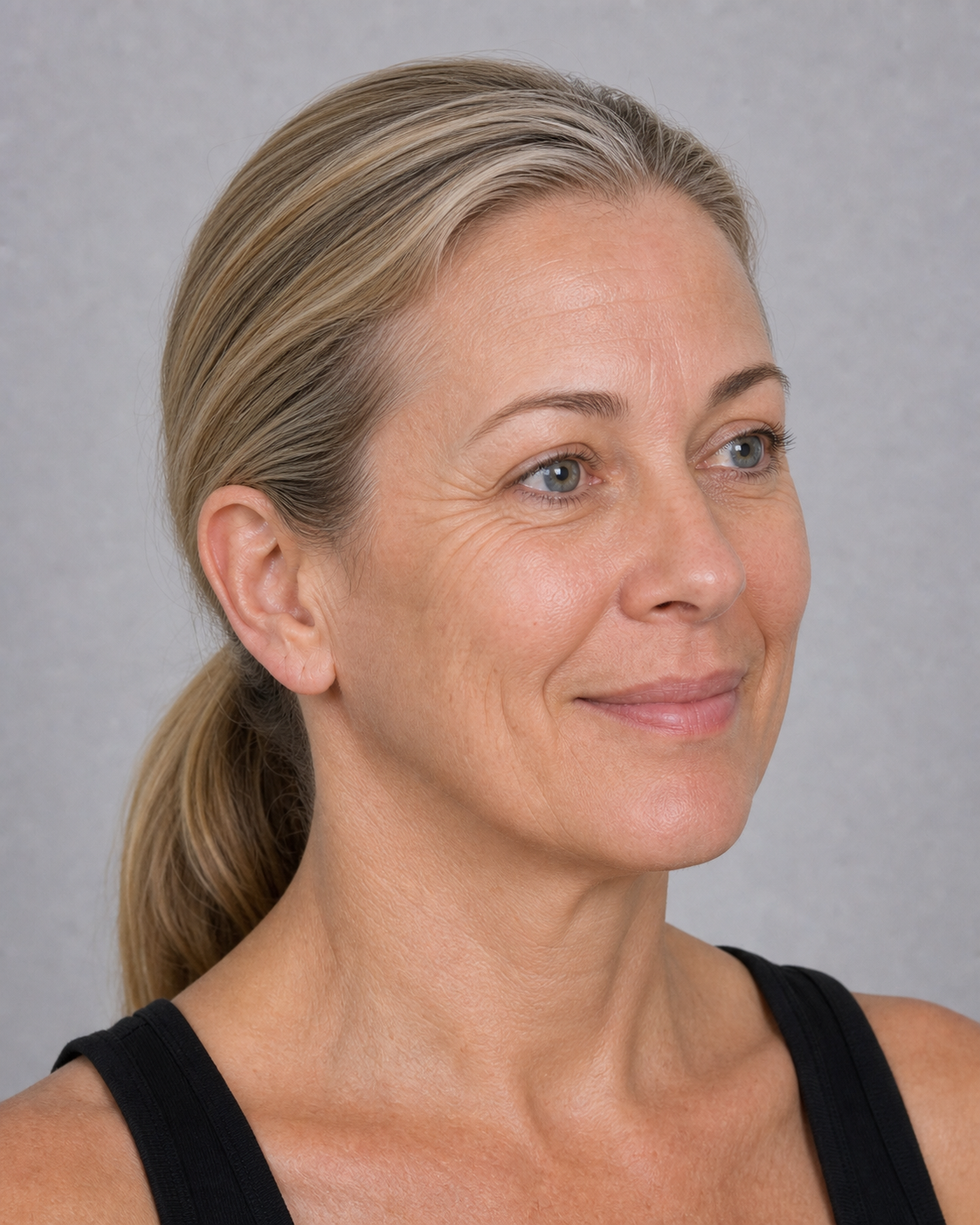
Patients often arrive with practical questions rather than technical language. They may ask why they look tense in photos, whether the lines are from expression or skin change, whether previous treatment elsewhere is still affecting the area, whether the forehead also needs assessment, or whether the concern is minor enough to leave alone.
Those questions are useful because they reveal what the patient is actually trying to decide. Corey can separate appearance preference from medical history, timing, risk, consent, aftercare and review. The consultation should leave the patient clearer about the decision, even when the answer is to wait.
This also helps first-time patients. You do not need to know the exact terminology before booking. You can explain what you notice, when you notice it and what would make you uncomfortable. The clinical wording can be worked through during assessment.
Suitability, Risks And Reasons To Wait
Treatment may not be suitable when medical history needs review, pregnancy or breastfeeding applies, active skin irritation or infection is present, allergy history changes the risk profile, expectations are not realistic, timing is poor, previous treatment history raises concern, or Corey considers another pathway safer.
Risks and limitations vary by patient and may include local bruising, tenderness, headache, asymmetry, brow or eyelid changes, unwanted change in expression, an effect that is stronger or weaker than expected, or a need for review. These are discussed during consultation in relation to the individual presentation.
Waiting can be a clinical decision, not a dismissal. If the area is still settling, records are unclear, symptoms need review or the patient feels rushed, the responsible next step may be to pause.
Same Day Treatment Boundaries
Some patients may be suitable for same day treatment, but this is not automatic. Same day treatment depends on assessment, informed consent, patient readiness, timing, risk discussion and whether Corey considers proceeding clinically appropriate after reviewing the concern.
It is also acceptable to attend for assessment only. Patients can use the appointment to understand the area, compare options, ask questions, decide whether to wait and clarify what no treatment would mean for them.
This matters for elevens because the concern can carry emotion. A person may feel they look angry or tired when they do not feel that way. The consultation should create a calmer decision, not pressure the patient into immediate treatment.
What No Treatment Can Mean
No treatment does not mean the concern was ignored. It can mean the presentation is mild, the timing is not right, expectations need more discussion, symptoms need medical review, previous treatment details are unclear, or the likely trade offs do not support proceeding.
For some patients, no treatment is temporary. Corey may suggest monitoring, review after a set period, gathering records or returning when the area is stable. For others, no treatment may be the more responsible ongoing recommendation if the concern does not justify intervention or if another pathway would fit better.
That answer can be frustrating when a patient hoped for a quick solution, but it is part of a consultation-led clinic model. The decision should be based on assessment, not on pressure or a nickname.
How To Prepare For The Appointment
Bring current medicines, relevant medical history, allergies, pregnancy or breastfeeding status where relevant, previous cosmetic treatment details, photographs if they help explain timing, and questions you want answered. If another clinic provided written aftercare instructions or treatment records, bring those as well.
It helps to describe when the lines appear, whether they are changing, whether the concern is movement-based or visible at rest, what you want to avoid, and whether you prefer assessment only. Do not guess previous treatment details if you are unsure. Uncertainty can change the recommendation.
Clear notes help keep the appointment focused on assessment, not pressure, especially before booking or attending.
Aftercare And Review Planning
If treatment is discussed and considered suitable, aftercare and review should be part of the decision before proceeding. Patients need to know what to monitor, when review may be useful, what symptoms should trigger contact and when urgent medical advice should come first.
Review is also important when the decision is to wait. A clear review point can help separate normal settling, ongoing concern, changing symptoms and the need for another pathway. This keeps the consultation led by assessment rather than urgency.
For elevens and 11s concerns, review may focus on brow position, expression balance, comfort, timing, patient preference and whether the original concern has changed. The review conversation should still allow for no further treatment if that is the more responsible next step.
Which Page Should I Read Next?
If you use the word elevens because you are describing lines between the brows, read frown line assessment next. If your concern includes the forehead, read forehead line assessment. If you are comparing the whole upper face, start with wrinkle treatment consultation.
If you are not sure whether treatment is appropriate, read treatment suitability assessment, patient safety before aesthetic decisions and what to ask before consultation.
If you are planning around timing, read wrinkle treatment intervals, how long wrinkle treatment lasts and wrinkle treatment aftercare. The right next page should make the consultation clearer, not make you feel locked into treatment.
Verification And Contact Details
This page was reviewed on 7 June 2026. Clinical content is reviewed by Corey Anderson RN, Ahpra registration NMW0001047575. You can verify Corey through the Ahpra public register or use the Core Aesthetics verification page.
Core Aesthetics is located at 12A Atherton Road, Oakleigh VIC 3166 and can be contacted on 0491 706 705. For booking, use book a consultation. For clinic questions, use contact Core Aesthetics.
Is this for you?
Consider booking a consultation if
- You are an adult concerned about lines between the brows
- You want elevens or 11s assessed before deciding what to do
- You want movement, resting lines, brow position and suitability explained
- You understand consultation may lead to treatment planning, waiting, referral or no treatment
This may not be for you if
- You need urgent medical care for severe or rapidly worsening symptoms
- You want treatment without assessment, consent or risk discussion
- You want an exact appearance change confirmed before assessment
- You want product names, doses or treatment promises
Suitability is confirmed at consultation. This list is general guidance, not a substitute for clinical assessment.
Frequently asked questions
Are elevens the same as frown lines?
They often describe the same central brow area. Elevens or 11s is an everyday nickname for vertical lines between the brows, while frown lines is the broader clinical wording. Corey assesses the movement pattern, brow position and resting line pattern rather than relying on the label alone.
What does Corey assess between the brows?
Corey reviews facial movement, brow position, brow symmetry, forehead activity, resting lines, skin quality, medical history, medicines, allergies, previous cosmetic treatment and expectations. The consultation also considers whether treatment planning, waiting, review, referral or no treatment is more appropriate.
Why does forehead movement matter for elevens?
The area between the brows does not work by itself. Forehead movement, brow height, brow symmetry and periocular movement can influence how the central brow behaves. Assessing the whole upper face helps avoid a narrow plan based only on two visible lines.
Can resting lines between the brows always be changed?
No public information page can promise that. Resting lines may involve long term movement patterns, skin quality, anatomy, age related change and previous treatment history. The consultation explains what appears to be contributing and what limits or trade offs may apply.
What can make treatment unsuitable?
Unsuitability may relate to medical history, pregnancy or breastfeeding, current medicines, active skin irritation, infection, allergy history, previous treatment, timing, unrealistic expectations or anatomy that makes proceeding inappropriate. A consultation may end with monitoring, referral, waiting or no treatment.
Can treatment be discussed on the same day?
Some patients may be suitable for same day treatment, but it is not automatic. Same day treatment depends on assessment, informed consent, patient readiness, timing, risk discussion and whether Corey considers proceeding clinically appropriate after reviewing the concern.
Do I need to know which treatment I want before booking?
No. You can describe the concern in everyday language, including elevens, 11s, frown lines or lines between the brows. The consultation is where Corey assesses what may be contributing and whether treatment planning, waiting or no treatment is appropriate.
What if I have had previous treatment in this area?
Bring treatment dates, clinic details and records if available. Previous treatment can change timing, risk discussion, expectations and whether review with the original clinic is appropriate. If details are unclear, Corey may recommend waiting, gathering records or a more conservative pathway.
When should I seek urgent medical advice instead?
Seek urgent medical advice first for severe headache, vision symptoms, skin colour change, spreading redness, fever, discharge, sudden swelling, breathing symptoms, facial weakness or a widespread rash. Cosmetic consultation can wait until immediate safety concerns have been assessed.
How should I prepare for an elevens consultation?
Bring current medicines, relevant medical history, allergies, previous cosmetic treatment details and questions you want answered. It helps to describe when the lines appear, whether they are changing, what you want to avoid and whether you prefer assessment only.
How does this page relate to frown line and wrinkle pages?
This page helps people who search using the everyday term elevens or 11s. The frown line page gives the broader central brow discussion, while the wrinkle consultation page explains upper face assessment, consent, risk, aftercare and review more generally.
How do I verify Corey and the clinic?
Corey Anderson RN can be verified on the Ahpra public register using registration number NMW0001047575. Core Aesthetics also maintains a verification page with practitioner and clinic details so patients can confirm who they are seeing before booking or attending.