
BUNNY LINE CONSULTATION · OAKLEIGH, MELBOURNE
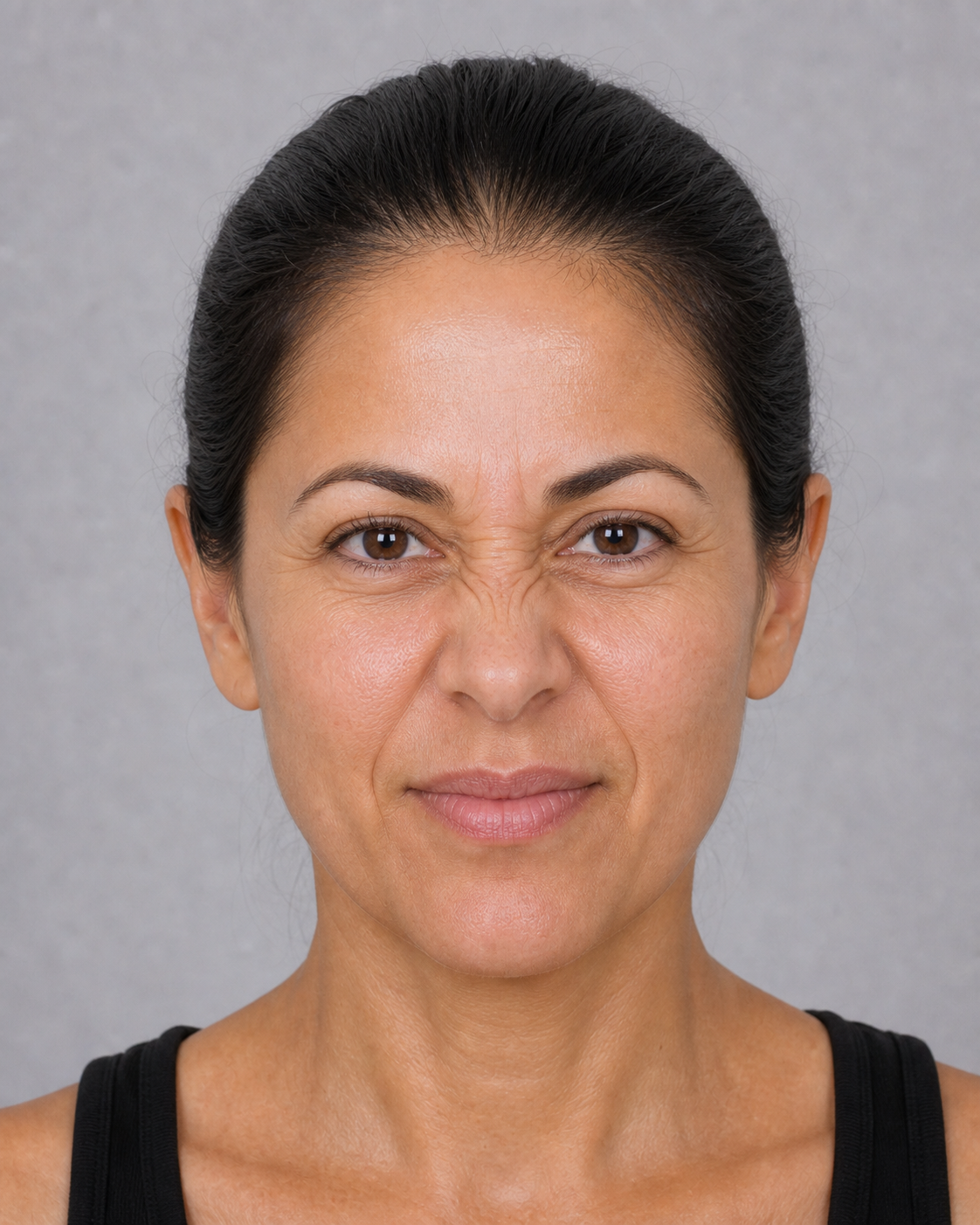
Bunny lines beside the nose.
Bunny lines are the short creases that appear on the upper sides of the nose, often when you scrunch your nose or smile. Some appear only with expression; others remain when the face relaxes. A consultation in Oakleigh looks at your actual pattern, nearby eye and upper-face movement, skin, previous care and what you want to change or keep.
Initial consultation at no charge. Generally 30 minutes. No pressure to proceed.
WHERE BUNNY LINES APPEAR
NOSE-SIDE CREASE AND MOVEMENT QUESTIONS
What are bunny lines?
Bunny lines are short diagonal or vertical creases on the upper sides of the nose, close to the inner corners of the eyes. They often become clearer when you scrunch your nose or smile. Their position and direction vary, and one side may look different from the other. Having them does not mean anything is wrong or that treatment is needed.
Why do they show when I scrunch my nose or stay when I relax?
Scrunching and smiling fold the skin beside the nose as nearby muscles move. Repeating those expressions over time can leave creases that remain after the face relaxes; ageing and sun damage can also contribute. A line seen only during a scrunch is different from a crease already present at rest. You can have both, so the same approach may not suit every line.
Can bunny lines look softer, and what may help?
Bunny lines may look less noticeable when surface dryness is addressed, but skincare cannot stop the nose from moving during a scrunch. If the lines still concern you, a consultation compares movement lines with creases present at rest and considers the nearby facial movement and your previous care. Whether any clinic option is appropriate depends on that assessment; complete removal cannot be promised. Daily sun protection can help limit further sun damage. Read about broader facial-line and skin concerns.
Are bunny lines a normal part of expression?
Yes. Many people can make lines beside the nose when they smile or scrunch, and an exaggerated scrunch can create lines that are barely seen in ordinary conversation. The useful comparison is how the area looks at rest and during your normal expressions. If the lines do not bother you, no treatment is needed.
Is this about the shape of my nose, my breathing or an eye problem?
No. A bunny line consultation considers creases in the skin beside the upper nose. It does not reshape the nose or assess blocked breathing, persistent nasal symptoms or an eye condition. Tell Corey about those concerns so he can explain when a GP, optometrist, ophthalmologist or ear, nose and throat specialist may be more appropriate.
Why are my smile, frown and the area near my eyes checked?
The upper nose sits between the eyes and close to muscles involved in smiling, squinting and frowning. Looking at a relaxed face and a few natural expressions helps show where the skin is folding and whether more than one movement pattern is present. It also helps avoid assuming that every line beside the nose has the same cause.
What if the lines changed after previous upper-face care?
A change in nearby expression can make nose lines look more noticeable, but noticing them after previous care does not prove what caused the change. Bring the dates, areas treated and any records or ordinary unfiltered photographs. Corey compares your current smile, frown and nose scrunch with what you describe. The next step may be a review of the earlier care, obtaining records or allowing more time before considering anything further.
YOUR APPOINTMENT
What happens at a bunny line consultation?
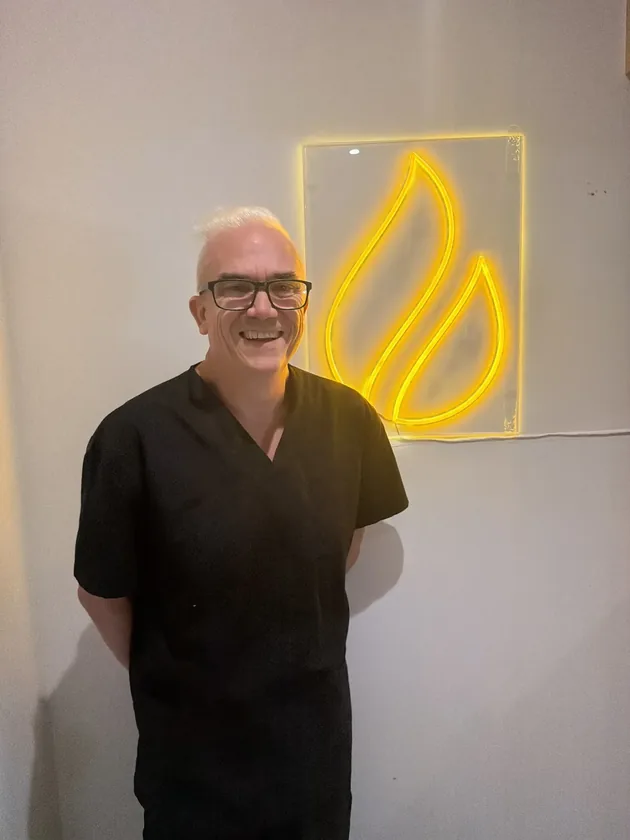
Your initial consultation with Corey Anderson RN is at no charge and generally takes 30 minutes in Oakleigh. He looks at the nose at rest, during a natural smile, a frown and a gentle scrunch, checking where the skin folds and how nearby movement contributes. You discuss previous care, health, medicines and any nasal or eye symptoms. Corey explains what may help, what is best left alone, risks, recovery and review. Itemised costs are explained and agreed before treatment.
What happens if I want treatment that day?
Treatment can usually be arranged at the end of your consultation. It can proceed once Corey confirms it is suitable for you, the required clinical arrangements are complete, you have given informed consent and costs are agreed. If previous care, further assessment or another reason means treatment needs a different day, Corey explains why and what needs to happen next. You can also leave with information only, with no pressure or obligation to proceed.
When should I book if I have an event coming up?
Book the consultation around 2 to 3 weeks before your event as a starting point, and mention any travel or difficulty returning for review. Depending on what is suitable, treatment, recovery or further assessment may need longer. If you cannot find a suitable appointment, call or message the clinic to discuss timing. An event date does not make treatment suitable or promise a particular appearance in time.
What should I bring or mention?
Bring your medicine and supplement list, relevant health history and details of previous facial or cosmetic care. Mention allergies, pregnancy or breastfeeding where relevant, skin irritation near the nose, nasal or eye symptoms, and any upcoming event. Ordinary unfiltered photographs can help if they show a change over time, but they are not required. Do not stop prescribed medicines unless your treating clinician advises it.
Is this appointment suitable for you?
Being able to make bunny lines does not mean you need treatment. Advice may include skin care, more time, obtaining previous records, assessment by another health practitioner, or leaving normal expression as it is.
Risks depend on the care being considered and your health history. Before deciding, ask about possible unwanted changes to expression around the nose, eyes or upper lip, aftercare, warning symptoms and what a review would involve.
CORE AESTHETICS · OAKLEIGH
Book a bunny line
consultation.
Book a bunny line consultationHave a booking question? Message us on WhatsApp Find us in Oakleigh.
Core Aesthetics12A Atherton Road
Oakleigh VIC 3166Get directions
No pressure. No obligation.
You can use the whole appointment for information and leave without treatment.