For a cheek volume consultation near Clarinda, map the cheek between three facial anchors: the lower eyelid above, the mouth corner below and the jaw angle to the side. The cheek influences the transitions between those points, while expression, skin, light and natural structure change how the triangle appears. A concern at one edge does not automatically mean the centre lacks volume. Corey Anderson RN combines the map with assessment of cheek structure, movement, health, medicines, previous care, risks and the features you want to preserve. Suitable care can be planned when individual assessment and informed consent support it.
Why Use A Facial Balance Triangle?
The cheek connects the upper, central and side regions of the face. Three anchors make those relationships easier to describe without isolating one shadow or assuming one cause.
The triangle is an observation guide, not an anatomical measurement or treatment formula.
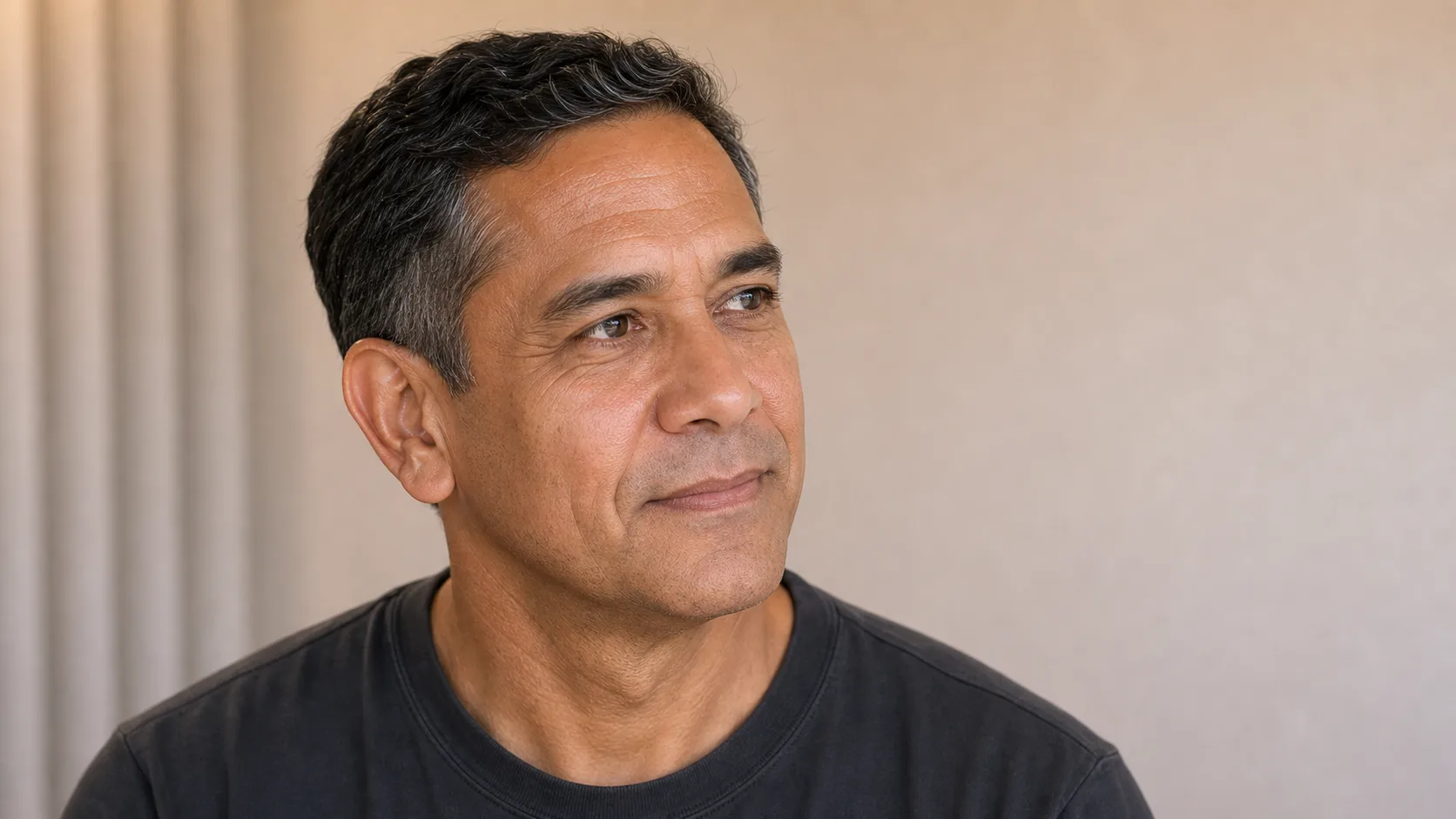
What Does Each Anchor Contribute?
| Anchor | Cheek relationship | Assessment question |
|---|---|---|
| Lower eyelid | Upper cheek transition | Is the concern a junction, shadow or skin detail? |
| Mouth corner | Lower and central movement | How do speech and smile change the contour? |
| Jaw angle | Side width and facial frame | How does cheek projection relate to lower face width? |
| Triangle centre | Visible cheek prominence | Which features remain important in whole face context? |

How Does The Lower Eyelid Anchor The Upper Edge?
The lower eyelid and upper cheek meet through a curved junction. Skin, swelling, structure and light can make that edge look smooth, shadowed or sharply divided.
Corey assesses both regions together without assuming that either one alone explains the transition.
How Does The Mouth Corner Anchor Movement?
Speech and smiling move the central and lower cheek toward the mouth. A fold or shadow may deepen, soften or change direction as expression develops.
This anchor keeps movement in the assessment rather than relying on a relaxed still image.
How Does The Jaw Angle Frame The Side?
The jaw angle provides a lower side reference for cheek width and projection. A broad or narrow lower face changes how the same cheek contour reads in whole face proportion.
More cheek width is not automatically preferable, and less width is not automatically a deficiency.
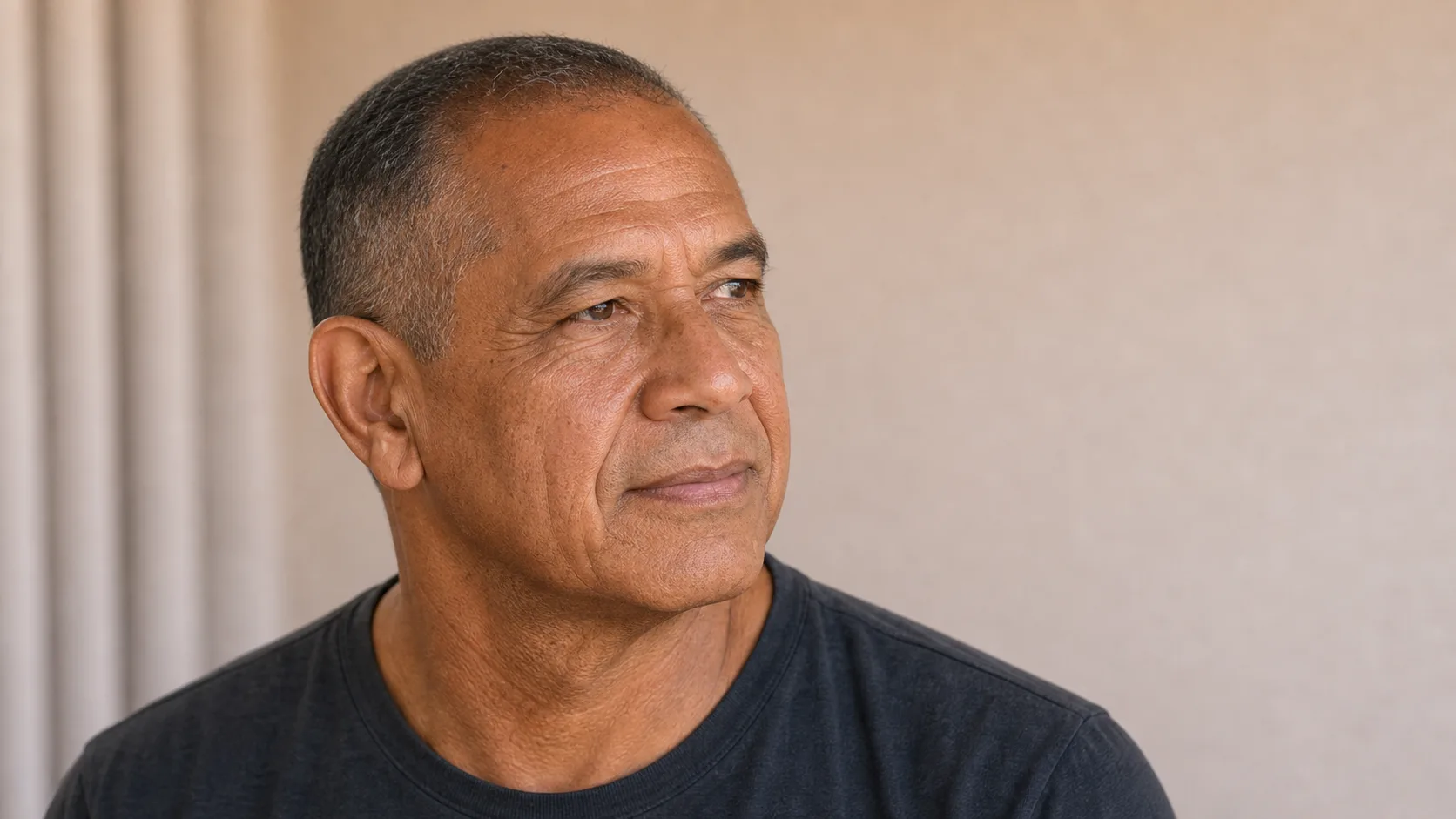
What Does The Centre Of The Triangle Show?
The centre contains the visible cheek prominence and surrounding contour. Its position may appear different from front, three quarter and side views.
Corey considers the centre alongside all three edges so one requested change does not disconnect the cheek from the rest of the face.
How Does Light Move Across The Triangle?
Overhead light can deepen the upper edge, while side light can emphasise projection or side difference. Broad neutral light offers a calmer baseline.
Lighting changes what is visible but does not diagnose structure or determine suitability.
Can The Two Sides Have Different Triangles?
Yes. Natural differences in eyelid junction, smile movement, cheek projection and jaw angle are common. Compare sides using the same light, distance and head position.
Assessment asks which difference matters to you without promising identical geometry.
Which History Helps Explain A Change?
Bring current medicines and supplements, allergies, relevant health and skin history, weight changes, dental or facial procedures and previous cosmetic care with approximate dates.
Mention persistent swelling, firmness, tenderness, colour change, altered sensation or another unfamiliar response. Available records can clarify sequence.
What Features Should The Triangle Preserve?
Name the natural cheek width, smile, family resemblance, side profile and side differences that already feel characteristic of you. Preservation is part of the assessment brief.
This keeps planning grounded in your own face rather than another person’s triangle or an edited photograph.
How Do Risks Relate To The Three Edges?
Risks depend on the suitable option and may include redness, tenderness, swelling, bruising, asymmetry, lumps, infection, delayed inflammatory response, dissatisfaction and uncommon urgent vascular warning signs.
Corey explains which edge or central contour an option could reasonably influence, its limits, alternatives, total cost, aftercare, follow up and contact instructions.
What If One Edge Is The Main Concern?
An upper edge question may direct attention toward the under eye junction or skin. A lower movement concern may require expression assessment, while a side relationship may involve broader facial balance.
The triangle helps route the question without requiring every edge to share one answer.
Clarinda Cheek Balance Triangle Questions
What are the three anchors in the cheek balance triangle?
They are the lower eyelid above, mouth corner below and jaw angle to the side. The cheek sits between these points and influences each connecting transition in rest and expression.
Why is the lower eyelid included in cheek assessment?
The lower eyelid meets the upper cheek through a shared junction. Skin, swelling, structure and light can affect this edge, so Corey assesses the relationship rather than assuming one region explains it.
How does the mouth corner affect cheek appearance?
Speech and smiling move the central and lower cheek toward the mouth. Folds and shadows may deepen, soften or change direction, which is why natural expression belongs beside relaxed assessment.
Why does the jaw angle matter to cheek balance?
The jaw angle frames the lower side of the face. Its width and relationship change how cheek projection and side width read in whole face proportion, without defining an ideal amount of either.
Can the cheek triangles differ between sides?
Yes. Natural differences in eyelid junction, smile movement, cheek projection and jaw angle are common. Corey compares consistent views and assesses the significance without promising identical geometry.
What should I bring after previous cheek care?
Bring approximate dates, areas, available records and practitioner or product details when known. Mention persistent swelling, firmness, tenderness, colour change, altered sensation or another unfamiliar response so the sequence is clear.
Is Core Aesthetics located in Clarinda?
No. Core Aesthetics is in Oakleigh. Check the journey from your actual starting point and whether returning for planned review is practical. This local page does not imply the clinic operates in Clarinda.
Is this for you?
Consider booking a consultation if
- Adults near Clarinda wanting cheek and midface assessment before treatment discussion
- Patients who want consultation first explanation of cheek support, under eye context, risk and consent
- People who want facial structure, skin quality and proportion assessed before choosing the next step
- Patients who want to verify Corey Anderson RN and the Oakleigh clinic before booking
This may not be for you if
- People asking for a predetermined plan without assessment, consent or risk discussion
- People with urgent medical symptoms, active infection, acute swelling or rapidly changing facial symptoms
- People wanting a fixed cosmetic change before facial structure and skin quality are assessed
- People seeking elective cosmetic care for someone who cannot provide informed consent
Suitability is confirmed at consultation. This list is general guidance, not a substitute for clinical assessment.
Clinical references
- Ahpra guidelines for registered health practitioners who perform non surgical cosmetic procedures
- Ahpra advertising higher risk non surgical cosmetic procedures
- Ahpra public register of practitioners
- TGA advertising health services and cosmetic injections FAQ
- TGA advertising health services that involve therapeutic goods