Skin, movement and facial structure describe different sources of visible change. Skin is the surface: texture, colour, hydration and fine change. Movement is what appears or deepens when the face expresses. Structure is the deeper framework and soft tissue pattern that shapes contour, support and shadow. Most real concerns overlap, so these labels organise an assessment; they do not diagnose the cause or select a treatment.
What Do The Three Labels Actually Mean?
Skin, movement and facial structure describe different sources of visible change. Skin is the surface: texture, colour, hydration and fine change. Movement is what appears or deepens when the face expresses. Structure is the deeper framework and soft tissue pattern that shapes contour, support and shadow. Most real concerns overlap, so these labels organise an assessment; they do not diagnose the cause or select a treatment.
| Layer | A useful observation | What that observation cannot prove |
|---|---|---|
| Skin | Texture, scaling, redness, pigment, dryness or a fine line remains visible on the surface. | The cause, diagnosis or whether a cosmetic clinic is the right setting. |
| Movement | A line or fold appears, changes or deepens with an ordinary expression. | Whether changing that movement would be appropriate or preserve normal function. |
| Structure | Contour, support or shadow changes with head position, viewing angle or time. | Which anatomical layer is responsible or whether adding volume is indicated. |
| Mixed | More than one row describes the same concern. | That several treatments are needed. Overlap can still lead to one priority, timing or another clinically appropriate pathway. |
Try Four Views Before Naming The Problem
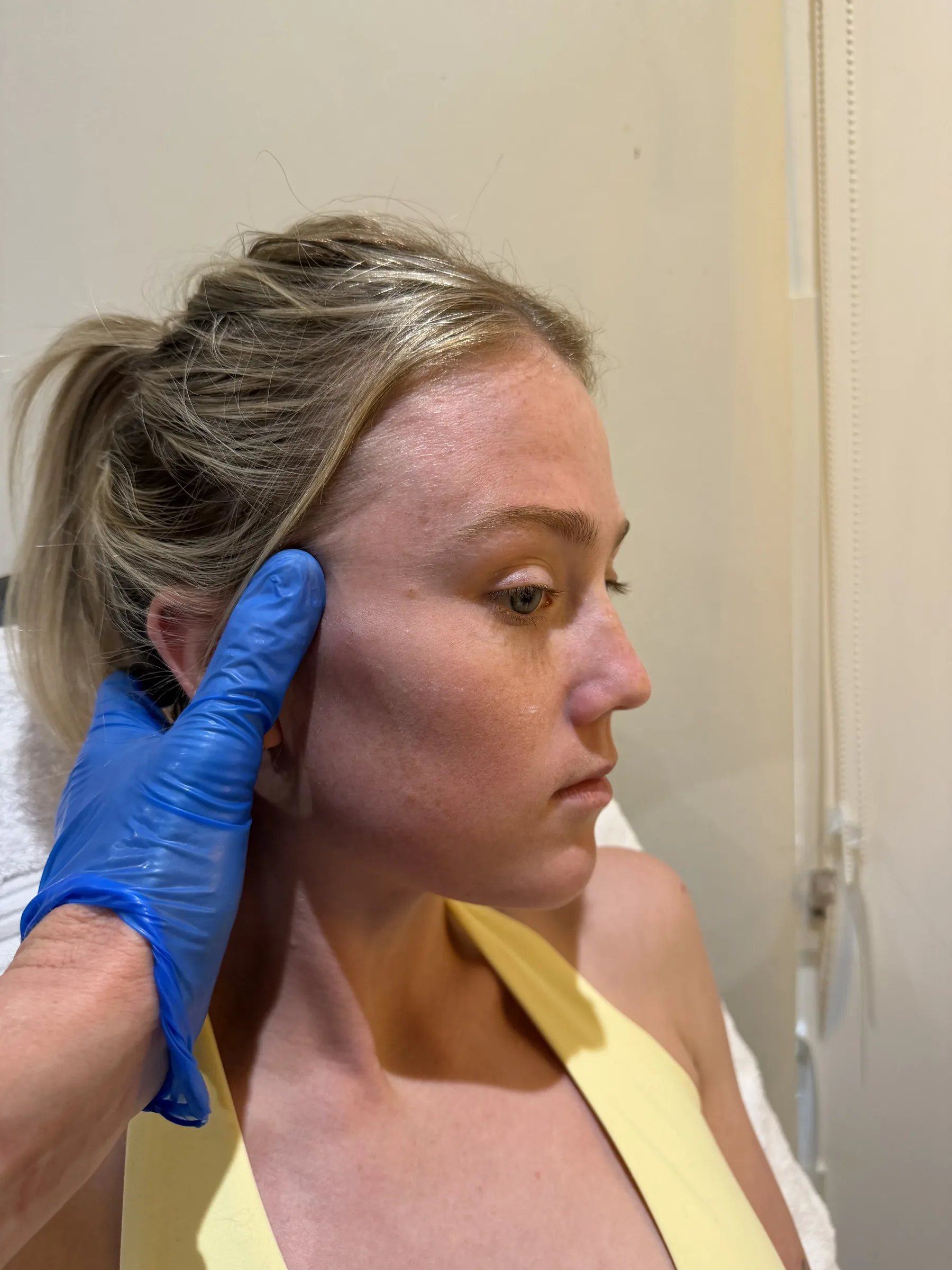
Start with a neutral face in even daylight. Repeat the view during the expression that makes the concern noticeable. Then look from a three quarter angle and profile. Finally, ask whether the change was gradual, recent or sudden.
This is not a home diagnosis. It is a better description. “The line appears only when I lift my brows” gives Corey different information from “the shadow stays at rest but changes when I turn towards the window”.
What Belongs In The Skin Column?
Surface observations include roughness, dryness, scaling, redness, pigment change, sensitivity and very fine lines. They may vary with sun exposure, weather, skin care, irritation, health and time. A cosmetic page cannot tell those causes apart.
A new or changing lesion, bleeding, persistent pain, marked inflammation, one sided swelling or a rapid unexplained change needs appropriate medical assessment. Corey may also direct acne, dermatitis, pigment or other skin disease questions to a GP or suitably qualified skin practitioner rather than stretch a cosmetic consultation beyond its scope.
What Counts As Movement?
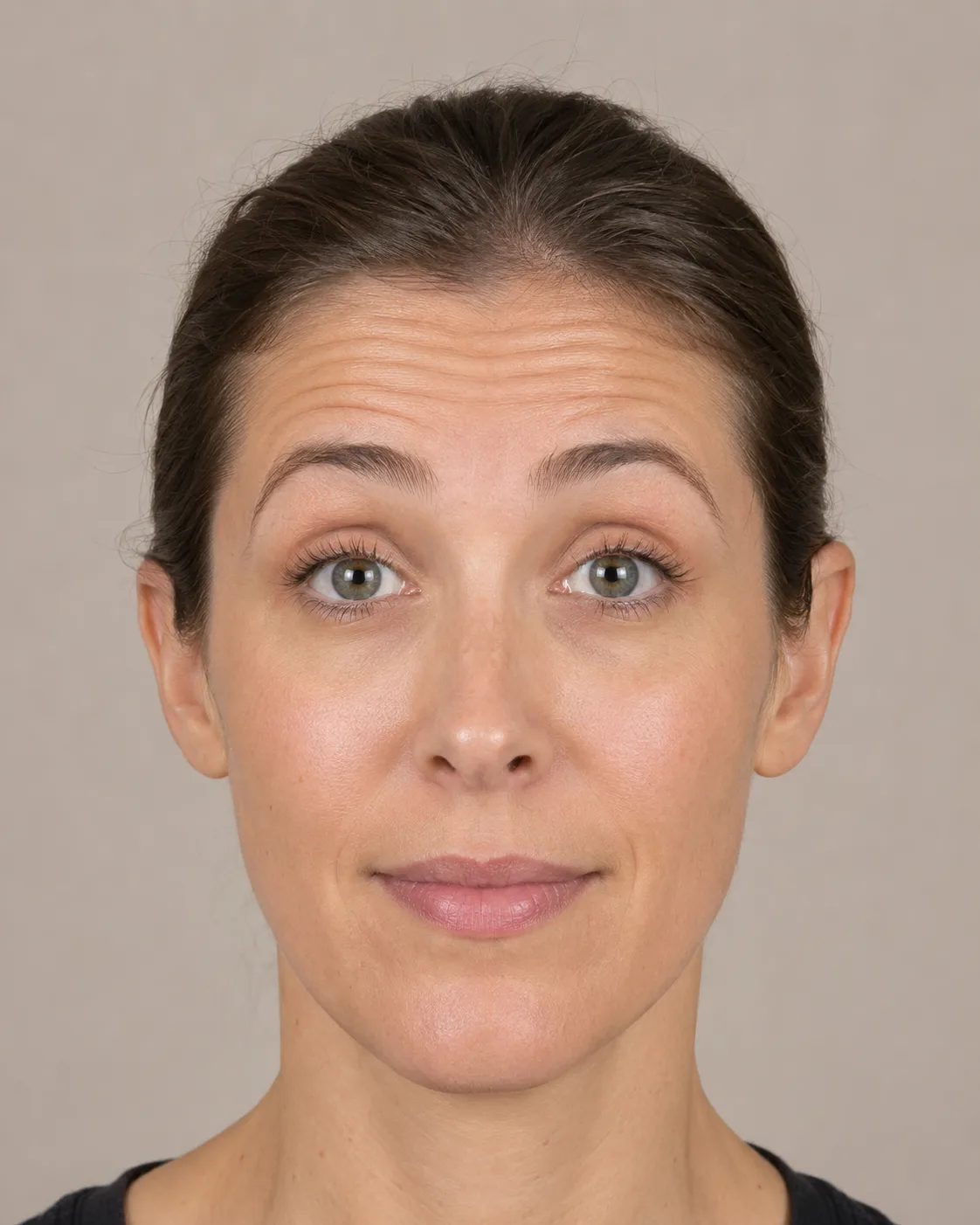
Movement information comes from comparison. Lift the brows, frown, smile and squint naturally, then let the face settle. Note where a line first appears, whether both sides move similarly and what remains visible at rest.
Repeated expression can contribute to visible lines, but the presence of movement is not itself a treatment indication. Brow support, eyelid comfort, expression, asymmetry and previous care can all change the significance of the same forehead line.
Why Is A Shadow Not A Diagnosis?
Facial structure is not a synonym for “volume loss”. Published anatomy reviews describe age related change across bone, fat compartments, fascia, muscle and skin. Those layers do not change at one rate or in one direction, and a two dimensional image compresses them into light and shadow.
A hollow seen in overhead lighting may soften beside a window. A jawline may look different when the head is tilted. Camera distance can change apparent proportion. These clues justify examining more than one view; they do not prove which tissue is responsible or that a volume based plan is appropriate.
How Can All Three Appear In One Concern?
Take the common phrase “my under eyes look tired”. Surface pigment or texture may affect colour. Deeper contour may create a shadow. Smiling may change the lid and cheek relationship. Sleep, allergy symptoms or a new health concern may sit outside cosmetic assessment altogether.
The phrase is still useful because it identifies what the person notices. The consultation then separates the observations and decides which question, if any, belongs within Core Aesthetics.
What Does Corey Record Before Discussing A Pathway?
| Record | Why it matters | Direction |
|---|---|---|
| Your description | Keeps the concern ahead of a treatment name. | Clarify the useful change. |
| Rest, expression and angled views | Shows what changes and what remains. | Skin, movement, structure or mixed assessment. |
| Timing and previous care | Recent change can alter interpretation. | Choose timing, obtain records or set a checkpoint. |
| Health, medicines and skin | Appearance alone cannot establish suitability. | Discuss options or coordinate another assessment. |
| What should be preserved | Expression and familiar features shape the goal. | Narrow the option, keep it skin focused or review. |

Where Does The Evidence Stop?
Reviews of facial ageing support a layered model involving skin and deeper anatomy, but they do not let an online article diagnose one person. The inside out facial ageing review describes change across the facial skeleton, fat, muscle and skin. A facial biomechanics review explains why anatomy and tissue interaction matter when interpreting visible change.
For practice standards, Ahpra’s current non surgical cosmetic procedure guidelines require holistic suitability assessment, informed consent and discussion of material risks. Those risks depend on the person and any option considered, so a classification article cannot provide an individual risk assessment. The TGA’s health service advertising guidance, updated 18 June 2026, is why this page stays focused on assessment rather than promoting a therapeutic good.
Which Page Should Answer The Next Question?
Use the facial ageing assessment guide for the full consultation sequence. Read how expression is assessed when movement is the main question. Use skin quality readiness when irritation or surface condition may change timing.
For the decision boundary, read how suitability is assessed and why Corey may recommend timing or another clinically appropriate pathway. You can also verify Corey Anderson’s registration and the clinic details before contacting the clinic. If you want an individual assessment, book a consultation.
General Information Only
This guide was reviewed on 5 September 2026. It provides general information for adults and cannot diagnose a skin condition, identify the anatomical cause of a facial change or confirm suitability. Sudden, painful, one sided, bleeding or medically unusual changes need appropriate medical assessment rather than cosmetic planning.
Questions About Skin, Movement And Structure
What is the simplest difference between skin and structure?
Skin is the visible surface, including texture, colour, hydration and fine change. Structure describes the deeper pattern that shapes contour, support and shadow. The two interact, so one visible concern can involve both and still require assessment before any pathway is discussed.
How can I tell whether a line is linked to movement?
Compare the area at rest with an ordinary expression. A movement linked line appears or deepens when the relevant muscles work. What remains visible at rest may also reflect repeated movement, skin quality or other factors, so the comparison improves the question but does not diagnose the cause.
Does a hollow or shadow prove facial volume loss?
No. Lighting, camera distance, head position, bone, fat compartments, muscle, skin and normal anatomy can all affect a shadow. Corey uses several views and the clinical history before deciding what the observation means or whether a cosmetic plan belongs in the discussion.
When should a skin concern go to a doctor first?
Seek appropriate medical assessment for a new or changing lesion, bleeding, persistent pain, marked inflammation, one sided swelling or a rapid unexplained change. Acne, dermatitis, pigment disorders and other skin disease questions may also need a GP, dermatologist or suitably qualified skin practitioner.
Can skin, movement and structural change occur together?
Yes. An under eye concern, for example, may include surface colour, deeper shadow and movement with smiling. Overlap does not mean several treatments are required. The useful task is to identify the main concern, what lies within scope and whether timing or another clinical pathway fits better.
What photographs are useful for describing the change?
Use even light and consistent camera distance. Include a neutral front view, the expression that reveals the concern, a three quarter view and a profile. Photographs are discussion aids only; filters, lens distortion and lighting can misrepresent proportion and cannot establish suitability.
What should I bring to the consultation?
Bring relevant health and medicine information, dates and records from previous cosmetic care, and photographs only if they help explain timing or change. Be ready to describe what you notice, when it began, which expression reveals it and what features or movement you want to preserve.
Can suitable care be discussed after this assessment?
Yes. Once Corey has separated skin, movement and structural contributors, he can explain which suitable options relate to the concern, their material risks and realistic limits, and how timing and follow up fit. Skin care or another clinical input may also form part of the plan.
Is this for you?
Consider booking a consultation if
- Adults unsure whether a facial concern is skin related, movement related, structural or mixed
- People wanting to understand why surface signs do not always reveal the underlying cause
- People considering a consultation before deciding whether any treatment pathway is appropriate
- People comfortable with waiting, skin focused care or another clinically appropriate pathway if that is the safer recommendation
This may not be for you if
- People seeking a promised result or a fixed treatment answer before assessment
- People seeking elective cosmetic care for someone who is not an adult
- People who want treatment to be automatic after booking
- People who are pregnant or trying to conceive and are seeking elective cosmetic treatment
- People with active infection, unhealed skin or an unresolved medical concern in the area to be assessed
Suitability is confirmed at consultation. This list is general guidance, not a substitute for clinical assessment.