Isolated treatment can fall short when the visible concern is influenced by nearby anatomy, skin quality, facial movement, weight change, previous treatment or broader ageing patterns. Whole face assessment does not mean more treatment. It means Corey Anderson RN checks the driver of the concern, explains limits and risk, and decides whether focused treatment, staged review, timing or another clinically appropriate pathway is the responsible next step.
Why Can Treating The Most Visible Area Miss The Real Driver?
A fold, hollow or softened border can be shaped by nearby support, skin quality, facial movement, weight change, previous care or the way several areas age together. Treating only where the change appears can miss what is creating it.
Corey Anderson RN maps those relationships first. When assessment and informed consent support a cosmetic option, he can recommend a focused or staged plan that addresses the leading concern without assuming that more areas need treatment.
Natural Looking Planning Goals
Natural looking planning goals should be described as aims, not promises. Corey considers individual variation, facial balance, proportion and restraint before deciding whether a plan is clinically appropriate.
This keeps the discussion grounded in anatomy, timing, consent, risk and realistic expectations rather than a promised cosmetic outcome.
Facial Ageing Is Connected
People often notice one area first: a fold, hollow, shadow, line or change in facial support. That area matters, but it may not be acting alone.
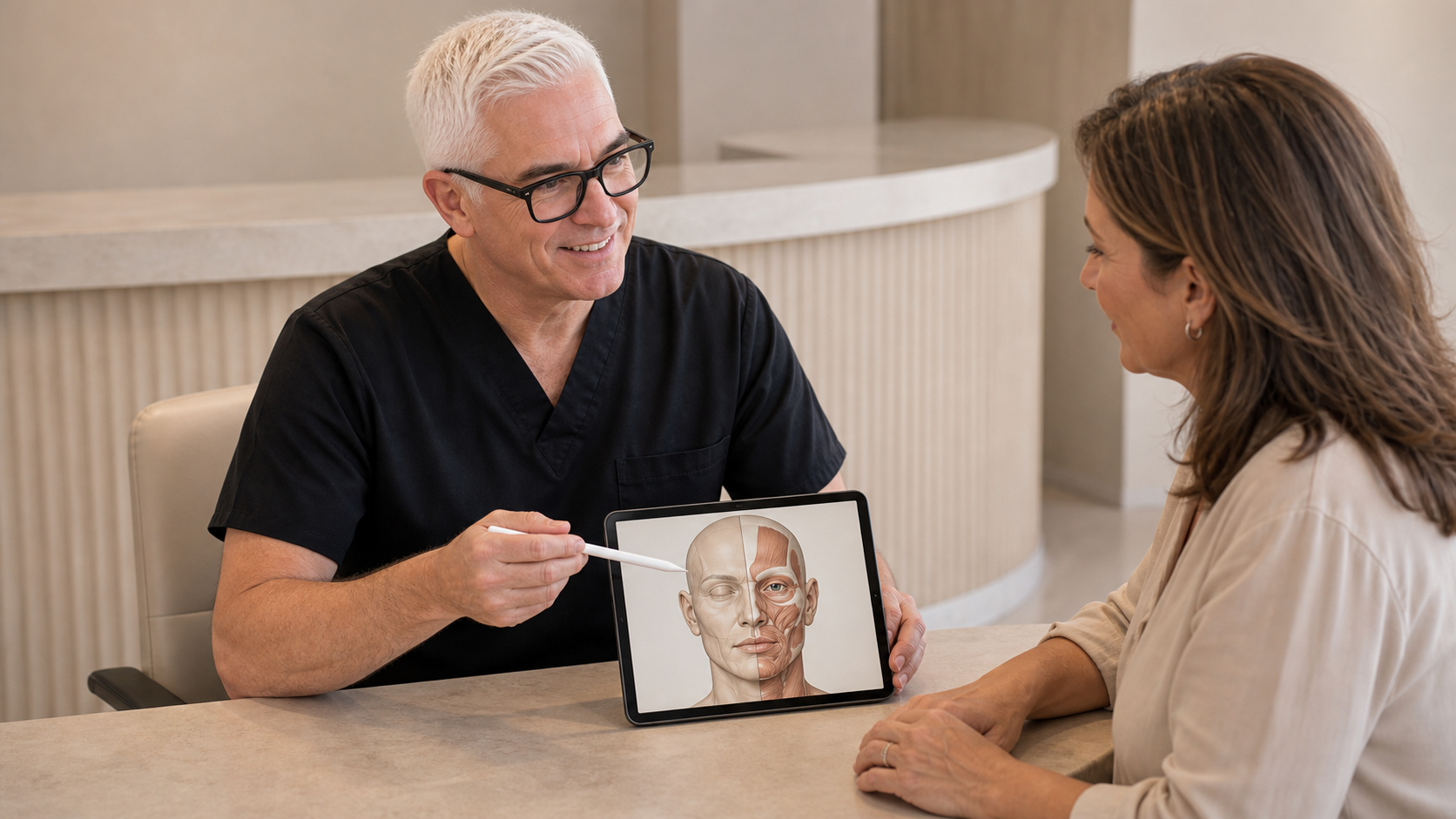
The cheeks, under eye area, temples, mouth area, jawline, skin quality and facial movement can all influence each other. Good assessment looks at the visible concern and the surrounding context.
The First Concern May Not Be the Main Driver
A nasolabial fold may be influenced by cheek support. An under eye shadow may relate to lower eyelid anatomy, skin quality or midface support. A softer jawline may involve skin laxity, weight change, chin support or natural anatomy.
This is why selecting a treatment from the area that bothers you first can be misleading. The plan should follow the clinical driver, not just the most visible feature.
Full Face Assessment Does Not Mean More Treatment
Whole face assessment is sometimes misunderstood as a larger treatment plan. At Core Aesthetics, it means context.
Assessment may lead to a focused plan, a staged plan, advice to wait or another clinically appropriate pathway. Looking at the whole face can also prevent unnecessary treatment by showing that the requested area is not the safest or most useful place to start.
When Focused Treatment Can Be Appropriate
Focused treatment can be appropriate when the concern is well defined, the driver is clear, the surrounding areas are stable, expectations are realistic and the risk profile is acceptable.
Even then, the nearby anatomy should be assessed. A focused plan is different from an isolated guess.
When Isolated Treatment Can Fall Short
Isolated treatment can fall short when it treats a shadow without understanding why it is there, adds volume to an area that is already heavy, overlooks skin quality, ignores previous treatment or misses the relationship between adjacent areas.
The result may be an incomplete plan, unnecessary treatment or an outcome that draws attention to imbalance. This is why restraint matters as much as technique.
How Can A Staged Plan Prevent One Decision From Distorting The Next?
When two connected areas contribute, doing everything together can make it harder to judge what each step achieved and where to stop. A staged plan sets one priority, allows it to settle and then reassesses whether the second concern still matters.
This is not automatically a larger plan. Staging can reduce unnecessary treatment because the later step remains optional and is reconsidered with new information.
Previous Treatment History Matters
Previous treatment can change facial assessment. Corey needs to know what was treated, when it occurred, whether anything appears unresolved and whether the current concern could relate to earlier treatment.
Sometimes the appropriate first step is review, correction discussion, waiting or referral rather than adding more treatment.
Risks and Limits
Every cosmetic treatment has risks and limits. Considering the whole face does not remove those risks, but it can help identify whether the requested treatment is sensible, whether an area should be avoided and whether the expected benefit justifies proceeding.
No page can determine that for an individual patient. That requires consultation and informed consent.
How Does Corey Trace A Visible Concern Back To Its Driver?
Corey begins at the feature you notice, then follows the anatomy outward. An under eye shadow is considered beside lower eyelid anatomy, cheek support and skin; a fold beside the midface and movement; a softer jawline beside chin support, lower cheek tissue and neck transition.
That map shows whether the concern is genuinely local or part of a connected pattern. If a suitable option is identified and consent is informed, the plan can stay focused where appropriate or be staged in a deliberate order with a clear review point.
What Should A Whole Face Assessment Check?
Whole face assessment checks relationships between areas. It is not a commitment to treat more areas.
- Whether the main concern is skin, structure, movement, weight change, previous treatment or a mixed pattern.
- Whether adjacent areas are creating the shadow, fold, heaviness or imbalance the patient notices.
- Whether a focused plan, staged plan, skin care discussion, referral, timing or another clinically appropriate pathway is more appropriate.
- Whether expectations are realistic and consent can be properly documented to guide an informed decision.
When Can Focused Treatment Still Make Sense?
Focused treatment may still be appropriate when assessment supports it and broader facial relationships have been considered.
- The concern is localised and the likely driver matches the area being discussed.
- The plan does not create imbalance with nearby anatomy.
- The patient understands realistic limits, risks, aftercare and review needs.
- Corey considers the benefit reasonable compared with risk, timing and medical context.
Does Looking At The Whole Face Mean Paying For More Areas?
No. The assessment is broader so the recommendation can be narrower and better explained. Cost follows the suitable scope Corey identifies, whether that is one focused concern, a staged sequence or advice that another pathway belongs first.
Once the purpose and boundaries are clear, he explains the relevant costs with risks, alternatives and review needs. The pricing guide provides general context before consultation.
What Shows That “Full Face” Means Context Rather Than More Treatment?
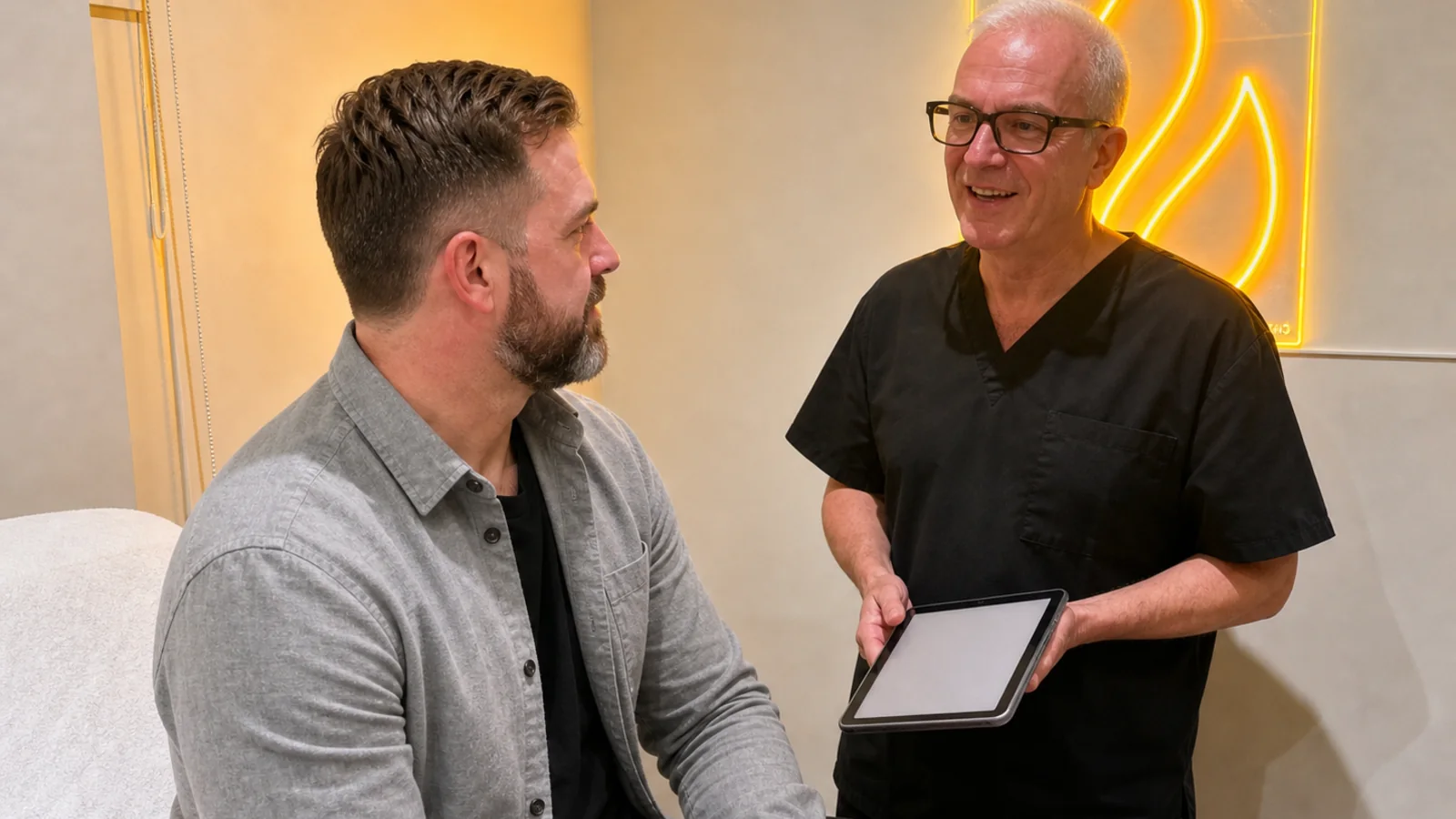
Ask how the practitioner narrows a broad assessment back to the smallest sensible plan. The explanation should connect the feature you notice with surrounding anatomy, define which area is actually leading the concern and state what will be left alone. Risks, limits, timing and stopping points should be as clear as the proposed option.
Corey Anderson RN, Registered Nurse, personally leads consultation and review at Core Aesthetics in Oakleigh. His Ahpra registration number is NMW0001047575, and the verification page confirms the practitioner and clinic details.
When Is A Whole Face View Useful For One Specific Concern?
Book when you can name the feature that bothers you but are unsure whether it is acting alone. The consultation can test whether nearby support, movement, skin or previous care changes the explanation without committing you to a larger plan.
When assessment and informed consent support proceeding, Corey can discuss a focused or staged option with clear boundaries. A sudden, painful, one sided or medically unusual change needs timely medical advice first rather than cosmetic interpretation.
Continue with booking, contacting the clinic or the facial ageing selection guide.
General Information Only
This page provides general educational information for adults considering consultation for facial ageing concerns. It does not provide a diagnosis, personal treatment plan or assurance that treatment will be suitable.
A consultation with Corey can clarify whether a focused plan, staged planning, timing or another clinical pathway fits better.
Is this for you?
Consider booking a consultation if
- You are an adult wanting to understand whether one concern is part of a broader ageing pattern
- You have several facial ageing concerns and want assessment before deciding what to do
- You value conservative planning and realistic expectation setting
- You are open to focused a suitable option, staged planning, adjusted timing or another useful next step
This may not be for you if
- You want a promised result or treatment decision without assessment
- You are not an adult patient
- You are pregnant or trying to conceive and are seeking elective aesthetic treatment
- You have a sudden facial change, unexplained swelling, pain or another medical concern needing review
Suitability is confirmed at consultation. This list is general guidance, not a substitute for clinical assessment.
Frequently asked questions
Why can isolated facial treatment fall short?
It can fall short when the visible feature is shaped by nearby support, skin quality, movement, weight change or previous care. Corey traces those relationships before deciding whether the concern is truly local or whether a staged sequence would make more sense.
Does full face assessment mean I need more treatment?
No. It gives Corey enough context to narrow the recommendation responsibly. The outcome may be one focused option, a staged sequence with a stopping point, skin care, another clinical pathway or reassurance that no broader plan is needed.
Can one area still be treated by itself?
Sometimes, yes. Focused treatment may be appropriate when the concern is clear, suitability is confirmed and the surrounding areas do not suggest a different driver.
Why does the first area I notice not always show the cause?
Facial areas influence each other. A shadow, fold or hollow may be affected by cheek support, skin quality, movement, anatomy or weight change rather than only the area where it appears.
What is staged planning?
Staged planning means considering treatment in steps with review between stages. It can help avoid doing too much at once and allows reassessment as the face settles.
When might a staged assessment plan be recommended?
A staged assessment plan may be recommended when risk outweighs likely benefit, the requested area is not the driver, expectations are unrealistic or the concern needs medical review.
How are suitable options and timing discussed?
Corey explains which contributor is leading the concern and compares the suitable focused or staged choices. When assessment and informed consent support proceeding, he sets out purpose, limits, risks, timing and review needs so you can decide without assuming every connected area needs treatment.
What should I bring to a full face ageing consultation?
Bring your medical history, current medicines, previous treatment details and photos that show how the concern has changed over time if you have them. This helps Corey assess pattern, timing, suitability and risk.